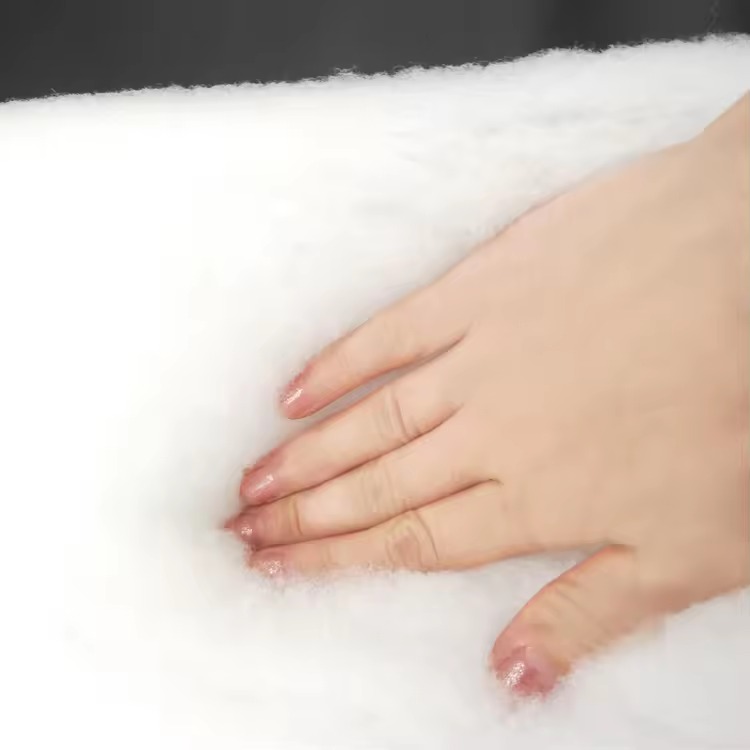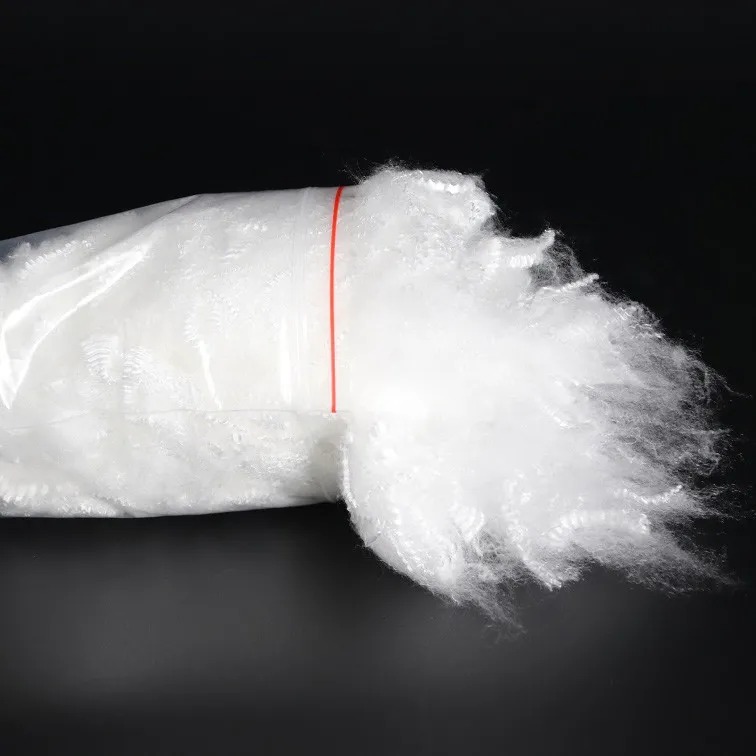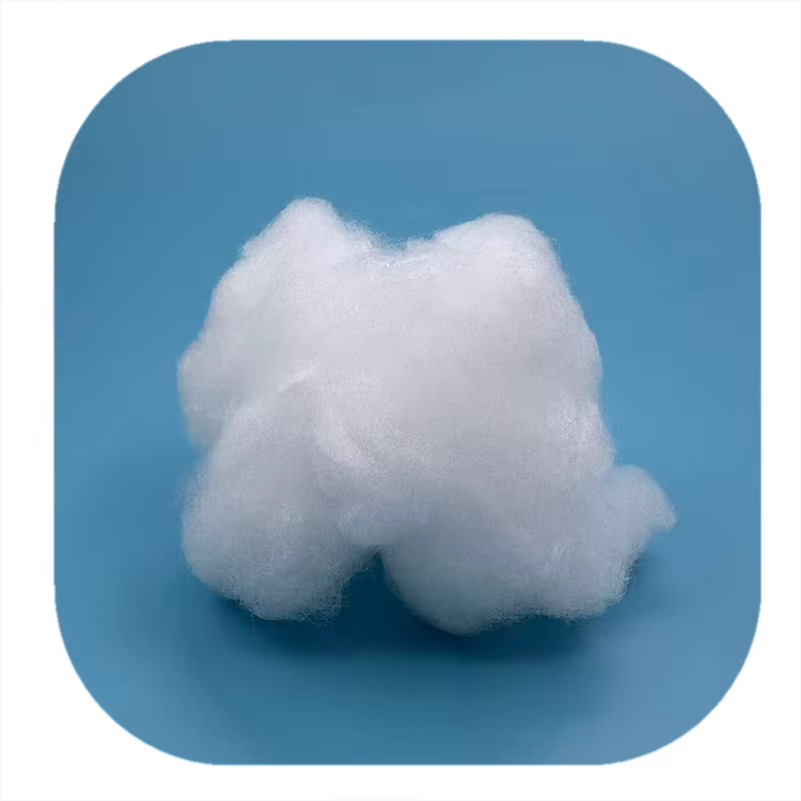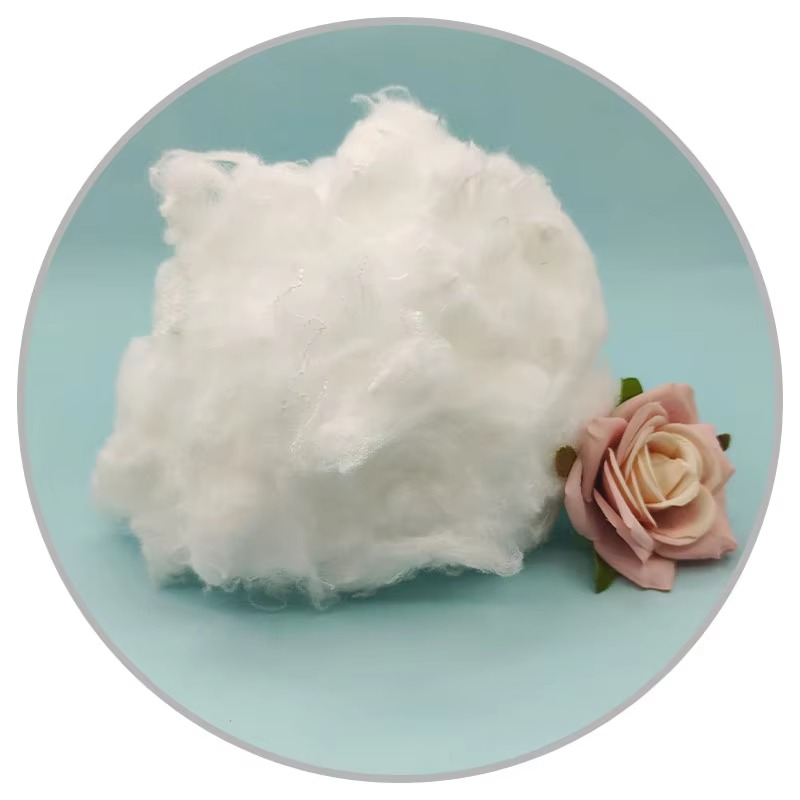
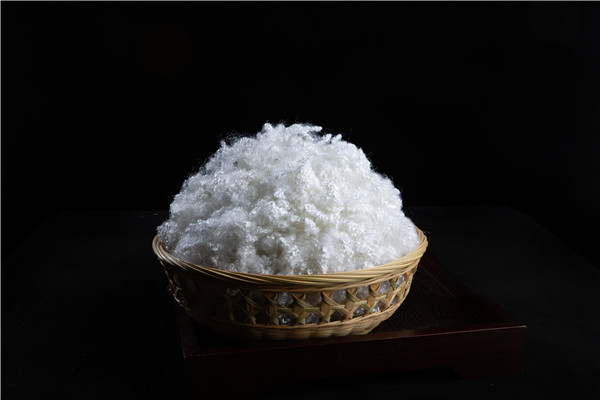
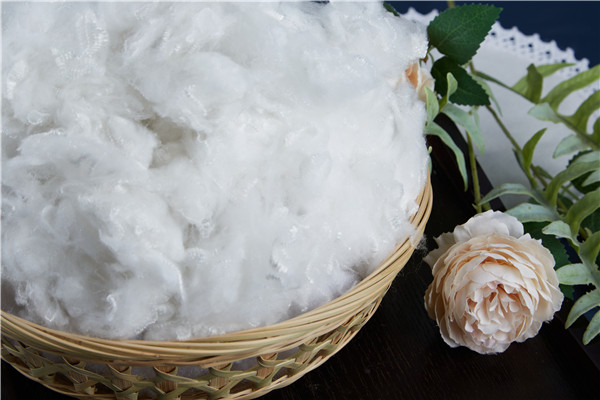
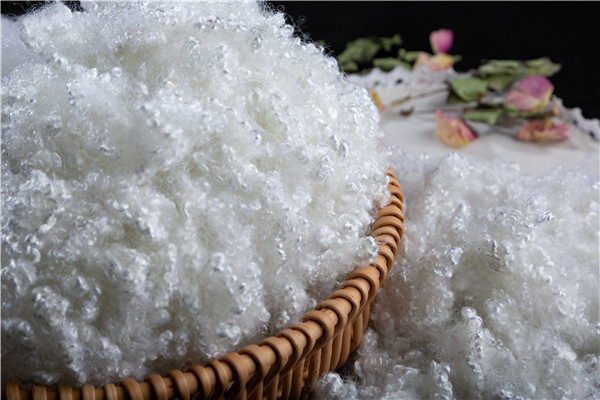
BPA Free Fiber
- Fibers labeled as BPA free may be made from alternative materials or processes that do not involve the use of BPA-containing chemicals.
- This ensures that the final product is free from BPA and reduces the risk of exposure to this potentially harmful compound.
PRODUCT DETAIL
In an era where consumers are increasingly vigilant about the chemicals in their food and water, a new frontier of health consciousness has emerged: chemical safety in textiles. Leading this movement is the rise of BPA-free fiber, an innovative material engineered to eliminate Bisphenol A from our clothing, bedding, and packaging.
As a Sales or Marketing Director in the fiber industry, understanding the “BPA-free” designation is no longer optional—it is a powerful tool for building brand trust and meeting the rigorous safety standards of the modern global market.
What is BPA and Why Does it Matter in Fibers?
Bisphenol A (BPA) is a chemical compound historically used to manufacture certain plastics and resins. While its primary association is with food containers and water bottles, BPA can also be found in the production processes of various synthetic materials.
The Health Concern
Scientific studies have linked BPA exposure to potential hormonal disruptions and other health risks, particularly when the chemical leaches out of a product. In textiles, the concern is dermal absorption—the process where chemicals from clothing or bedding are absorbed through the skin, especially during prolonged contact or when the body is warm and pores are open.
The BPA-Free Solution
BPA-free fiber refers to synthetic filaments manufactured entirely without the use of Bisphenol A or BPA-containing resins. By utilizing alternative stabilizers and catalysts, manufacturers can produce a high-performance fiber that offers the same strength and durability as traditional synthetics without the associated chemical risks.
Key Advantages of BPA-Free Fiber
1. Consumer Health and Skin Safety
The primary benefit of BPA-free fiber is the significant reduction in chemical exposure. This is particularly vital for:
Infant and Baby Wear: Babies have thinner, more absorbent skin.
Intimate Apparel: Clothing that sits directly against the skin for 12–24 hours a day.
Bedding and Linens: Products used during the body’s recovery and sleep cycles.
2. Environmental Preservation
BPA is not only a human health concern; it is an environmental pollutant. When non-BPA-free textiles are laundered or disposed of, chemical residues can enter the water system. By sourcing BPA-free fiber from China, companies contribute to a cleaner manufacturing ecosystem and a more sustainable industry trajectory.
3. Compliance with Global Quality Standards
As regulations like REACH (Registration, Evaluation, Authorisation and Restriction of Chemicals) in Europe and similar standards in the US become stricter, “BPA-free” is becoming a benchmark for quality. Utilizing premium BPA-free fiber ensures that your products are ready for export to the most demanding international markets.
Applications of BPA-Free Fiber in the Textile Sector
The versatility of this fiber makes it a “safe-haven” material for a diverse range of products:
Apparel and Garments
From high-performance activewear to everyday fashion, the transition to BPA-free materials is well underway. It provides the comfort, elasticity, and durability expected by consumers while offering the “hidden” benefit of chemical purity.
Food Packaging and Filtration
Because BPA is known for leaching, fibers used in tea bags, coffee filters, and food-grade nonwoven packaging must be strictly BPA-free. This ensures that the fiber does not compromise the safety of the food or beverage it contains.
Medical and Hygiene Products
In the medical sector, where safety is non-negotiable, BPA-free fibers are utilized in surgical masks, gowns, and hygiene products (like diapers and feminine care) to guarantee a sterile and non-toxic environment.
Why Source BPA-Free Fiber from China?
China has become a global hub for chemical innovation in the textile sector. Sourcing from experienced Chinese manufacturers offers several competitive advantages:
Innovation: Rapid adoption of alternative catalysts that replace BPA without losing fiber tenacity.
Competitive Pricing: Scaling production to ensure that “health-conscious” doesn’t mean “unaffordable.”
Quality Assurance: Many factories now provide third-party lab testing to certify the absence of harmful substances, adhering to contemporary consumer expectations.
Technical Parameter
Comparison: BPA-Free vs. Standard Synthetic Fibers
| Feature | BPA-Free Fiber | Standard Synthetic Fiber |
| Chemical Safety | High (Zero BPA leaching) | Variable (Potential for BPA residue) |
| Skin Sensitivity | Hypoallergenic / Safe | Potential for irritation |
| Market Value | Premium / Safety-oriented | Commodity / Price-oriented |
| Application | Baby wear, Food-contact, Hygiene | General industrial use |
| Sustainability | High (Eco-friendly catalysts) | Standard |
The Path to a Sustainable Industry
The advocacy for BPA-free adoption serves as a catalyst for a broader industry shift. By choosing fibers devoid of harmful substances, brands are not just selling a product—they are selling a commitment to the consumer’s well-being. This transparency is what builds long-term brand loyalty in the 2020s.
Conclusion: Reassurance Through Innovation
The “BPA-free” designation is a testament to the textile industry’s ability to evolve. By prioritizing health and environmental preservation through the use of premium, high-quality materials, manufacturers can deliver products that are safe, comfortable, and sustainable. Whether you are producing high-end fashion or industrial-grade bedding, the incorporation of BPA-free fiber stands as a hallmark of excellence.
Video
FAQ
1. What do you offer?
We supply a comprehensive range of fibers, including recycled hollow conjugated (both siliconized and non-siliconized) polyester staple fiber, hollow fiber, microfiber, virgin polyester staple fiber, and low-melt fiber.
2. What is it used for?
Our fibers are versatile and widely utilized across both the filling and non-woven industries, providing essential loft, durability, and texture for various consumer and industrial applications.
3. Are you a factory or a trading company?
We are primarily a manufacturer specializing in polyester staple fiber with years of industry expertise. To better serve our clients, we also operate a dedicated trading division that allows us to act as a one-stop solution provider.
In addition to our own fiber production, we source high-quality textile components (such as yarn and low-melt fibers) and finished goods (including foam, pillows, cushions, toys, and down/feather products) to ensure our customers have access to a comprehensive supply chain.
4. Where is your factory location?
To maintain a robust and flexible global supply chain, our manufacturing facilities are strategically located throughout Asia, specifically in Vietnam, China, Malaysia, Thailand, and Indonesia. If you would like to visit one of our sites, please contact your sales representative, and we will be happy to arrange transportation for you.
5. Can you accept free sample?
Yes, we provide free hand samples for quantities under 1 kilogram. Once a price is confirmed, we can prepare and dispatch your sample within 2–3 business days. Please note that while the sample is free, the freight costs are the responsibility of the client.
6. Can you provide ODM service?
Absolutely. We specialize in ODM (Original Design Manufacturing). This means we can customize the material composition, dimensions, quantity, packaging, and branding to meet your specific requirements. Your logo and unique specifications will be integrated into the final product.
7. How about your quality? What’s the minimum order Quantity (MOQ)?
We invite you to place a trial order to experience our quality firsthand. Our standard MOQ is 23,000 kilograms per order.
Regarding pricing, we maintain a no-bargain policy. We believe in transparency and efficiency, so we provide our most competitive offer upfront to save you time and ensure a straightforward procurement process.
8. Can I mix different items in one order?
Yes, for your convenience, we allow for a maximum of two different items to be mixed within a single container.
9. How can you guarantee the product quality?
Quality is the cornerstone of our business. We employ an experienced QC team that monitors every stage of production, from raw material inspection to the final manufacturing process. We utilize a range of advanced testing instruments to ensure our fibers meet strict industry standards.
Our business philosophy is simple: We aim to serve one customer 1,000 times, rather than 1,000 customers once. We prioritize long-term partnerships built on consistent excellence.
10. What’s the payment terms?
L/C at sight, 30% TT in advance are mostly accepted; other terms shall be negotiable by both sides
For more information, please feel free to contact :
Tony Tan
Mobile number: +84 90 466 5251 (Whatsapp/Wechat/Viber/Signal)