
Synthetic Leather: How Polyester and Nylon Microfiber Become Suede — Complete Guide from Sea-Island Fiber to Finished Product The global synthetic leather market exceeds USD 50 billion annually and is growing faster than genuine leather — driven by animal welfare concerns, sustainability demands, cost advantages, and the specific performance requirements of key markets including automotive…
Category Archives: Tin tức
Xơ Polyester, Xơ sợi Việt Nam, Xơ sợi quốc tế, Sợi Polyester, Xơ Polyester 3 chiều HCS 7D, Xơ Polyester 2 chiều HS 7D, Bông gòn, Bông tấm, Bông sợi công nghiệp xuất khẩu,
02
Sep
Sep
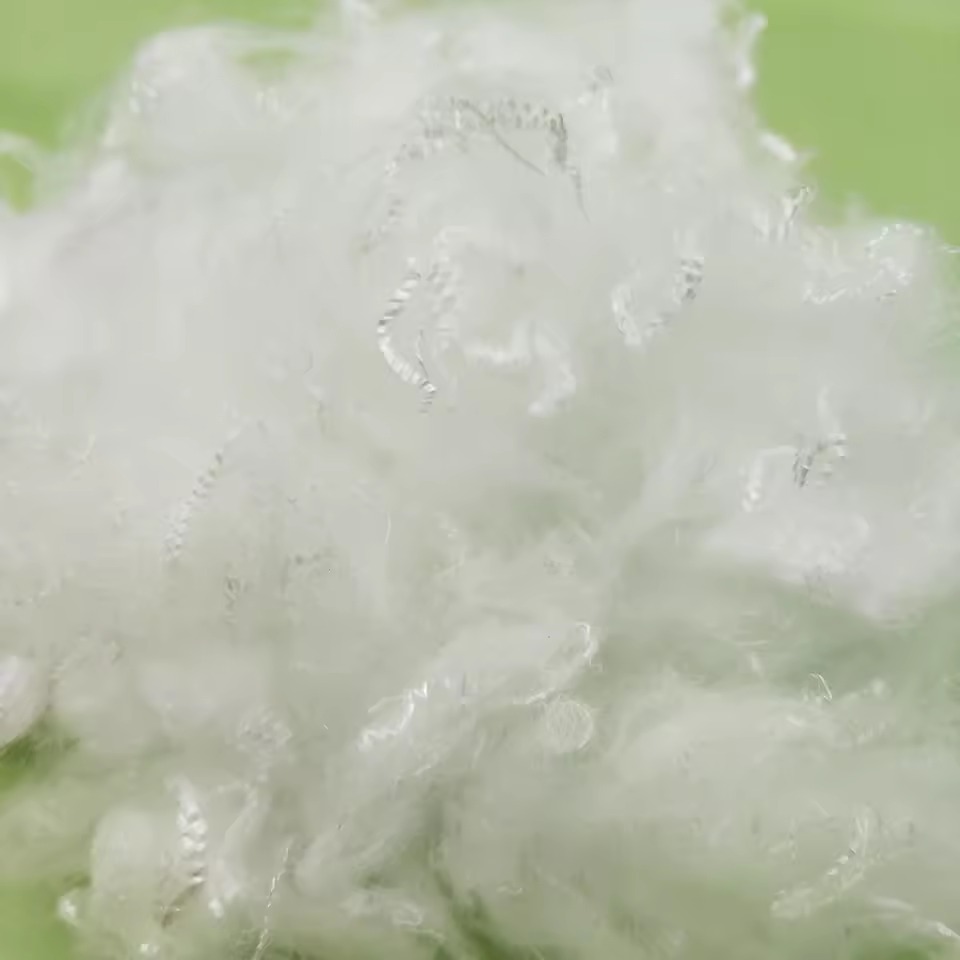
PLA Fiber and Biodegradable Fiber: The Complete Guide to Bio-Based and Compostable Textile Fibers The vast majority of synthetic textile fiber produced globally — polyester, nylon, acrylic, polypropylene — is derived from petroleum and does not biodegrade under natural environmental conditions. These fibers persist in landfill for decades to centuries, shed microplastics during washing, and…
23
Aug
Aug
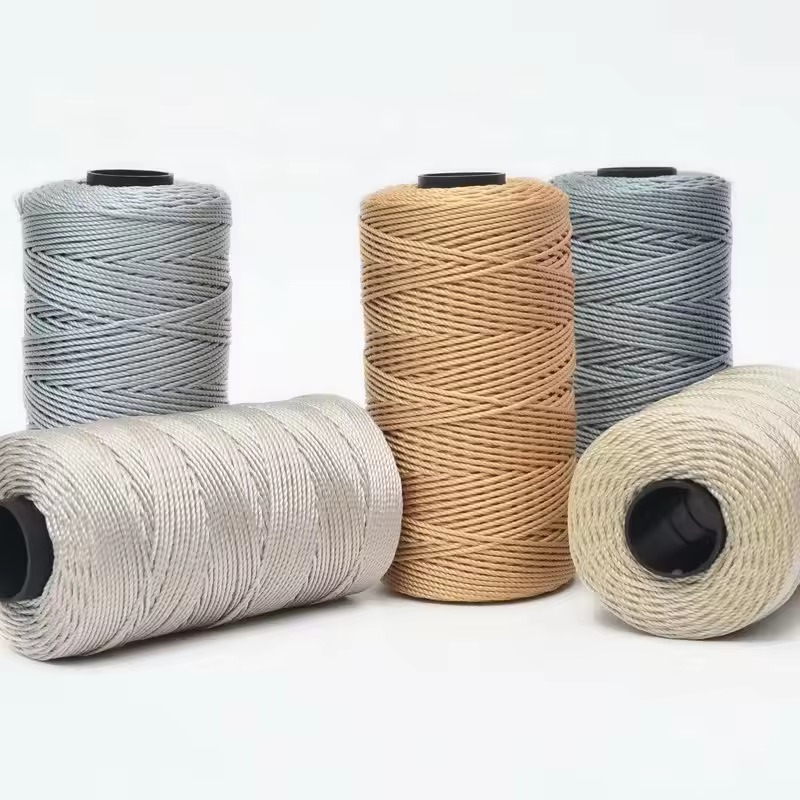
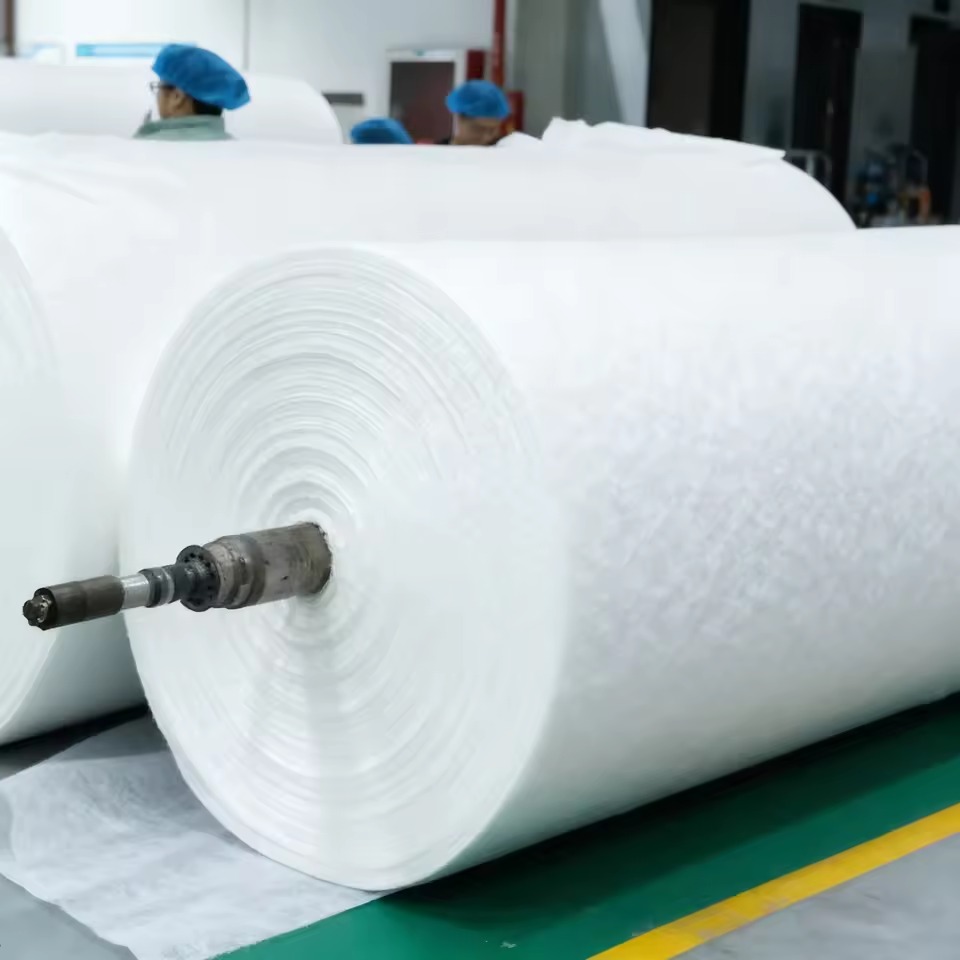
Specialty and Technical Yarns: BCF, Polypropylene, PBT, High Tenacity and Monofilament — Complete Guide Beyond the commodity polyester and nylon yarn categories that dominate global textile production by volume, a range of specialty and technical yarn types serve defined market niches where standard polyester or nylon cannot provide the required performance. BCF yarn dominates carpet…
23
Aug
Aug
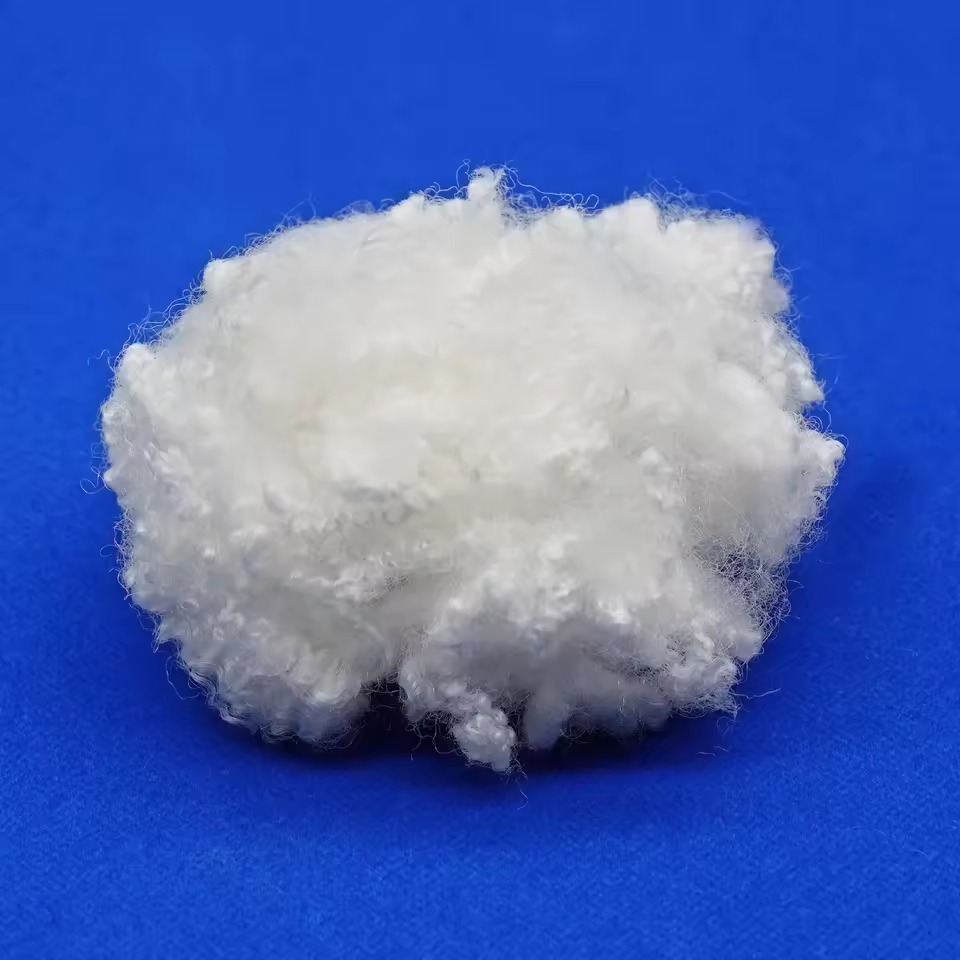
Woven, Knit and Nonwoven Fabric: The Complete Comparison Guide to Fabric Construction Methods Every textile product you encounter — from the T-shirt you wear to work to the filter bag in an industrial dust collector, from the cotton bedsheet to the disposable surgical gown — is made from one of three fundamental fabric construction categories:…
02
Aug
Aug
When you see a product labeled as flame-retardant polyester, it’s natural to wonder: what is actually happening inside the fiber when it’s exposed to fire? Understanding the science behind FR polyester not only helps you make better purchasing decisions—it also explains why not all flame retardant fibers perform the same way in real fire conditions….
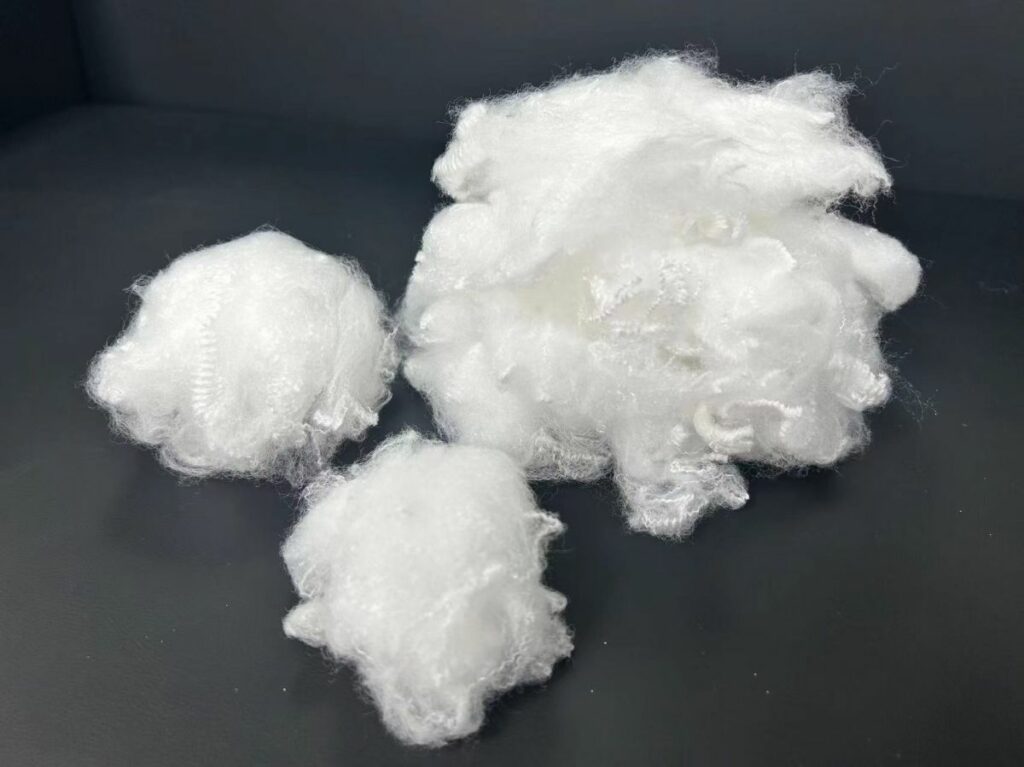
PET Bottle to Recycled Polyester Fiber: The Complete Supply Chain Guide Every GRS-certified recycled polyester staple fiber (rPSF) bale begins the same way—as a discarded PET plastic bottle. The journey from that bottle to the fiber inside a pillow, a jacket, a mattress topper, or a nonwoven fabric involves at least six distinct industrial stages,…
03
May
May
Low Melt Fiber (LMF): The Complete Buyer’s Guide — Specifications, Processing, Blend Ratios and Applications Low melt fiber (LMF) is one of the most commercially important specialty fibers in the nonwoven and technical textile industry — yet it is also one of the most frequently misunderstood, misnamed, and incorrectly specified products in textile procurement. Buyers…

02
May
May
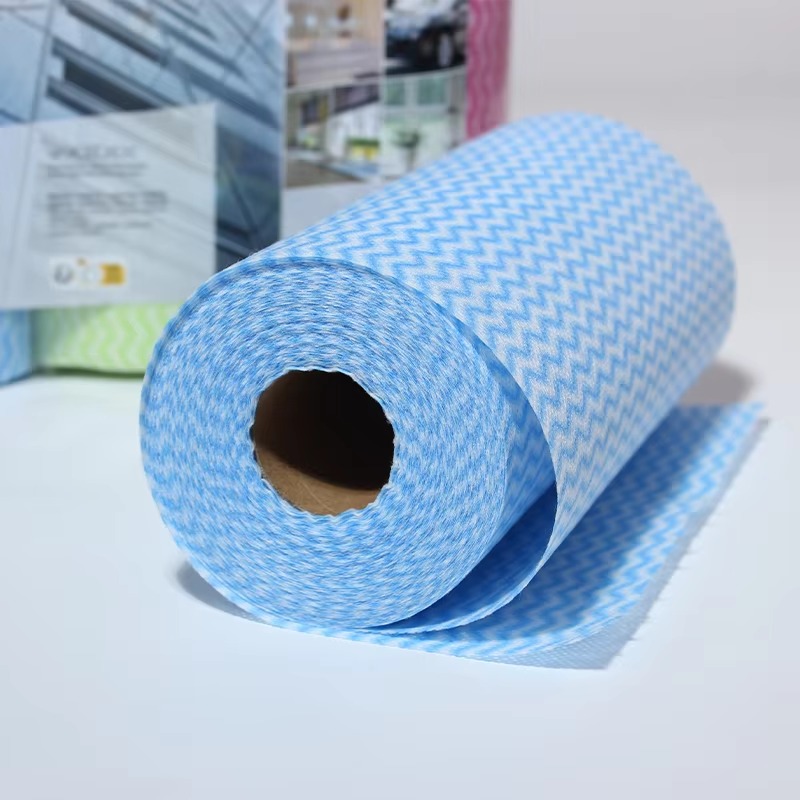
Textile Recycling: How Used Polyester Garments Can Become New Fiber — Complete Guide Every year, more than 92 million tonnes of textile waste are generated globally — the equivalent of a full rubbish truck of clothes discarded every second. Of this, less than 1% is currently recycled in a genuinely circular way: used textile waste…
02
May
May
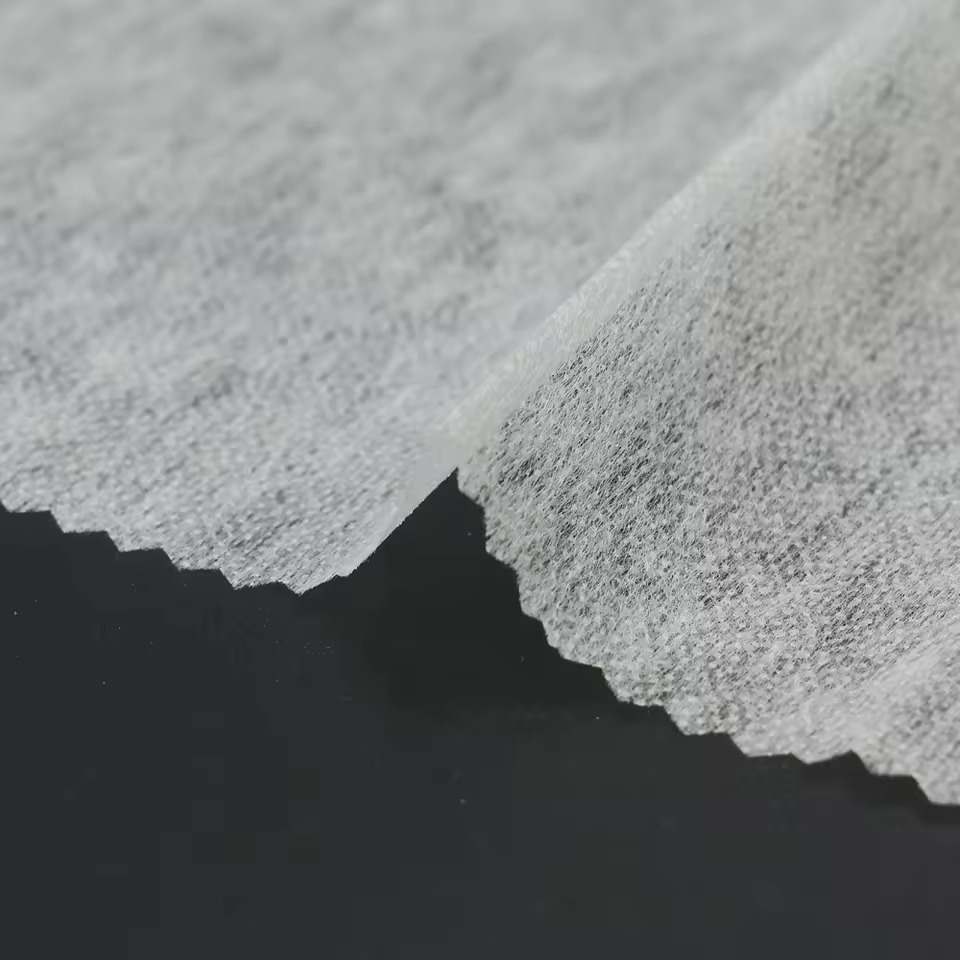
Spunlace (Hydroentangled) Nonwoven: Complete Guide — Parallel vs Cross-Lapped, Fiber Types and Applications Spunlace nonwoven — also called hydroentangled nonwoven or water-jet-entangled nonwoven — is the process that produces the most fabric-like of all nonwoven constructions. Where needlepunching uses mechanical barbed needles and thermal bonding uses heat and binder fiber, spunlace uses high-pressure water jets…
02
May
May
Thermally Bonded Nonwoven Fabric: The PSF-to-Product Guide — Process, Fiber Specifications and Applications Thermally bonded nonwoven fabric is the product category most directly and extensively fed by polyester staple fiber (PSF) — specifically hollow conjugated siliconized (HCS) fiber and low-melt bicomponent (LMF) fiber. Every quilted jacket with polyester insulation, every pillow filled with batting rather…
RELATED NEWS

VNPOLYFIBER - Polyester Fiber Partners from Asia
We are a leading exporter of recycled polyester staple fiber—including hollow conjugated fiber, hollow slick fiber, solid fiber, low melting fiber, and many other polymer fibers since 2017. With a wide-reaching network of trusted suppliers across China, Vietnam, Malaysia, Thailand, and Indonesia, we have successfully exported to over 30 countries, serving more than 200 clients, many of whom have a strong presence in North America, South America, and the EU. We provide One Stop Solution for Polyester Staple Fiber, Nonwoven Fabric and Home Textile Materials