PLA Fiber and Biodegradable Fiber: The Complete Guide to Bio-Based and Compostable Textile Fibers
The vast majority of synthetic textile fiber produced globally — polyester, nylon, acrylic, polypropylene — is derived from petroleum and does not biodegrade under natural environmental conditions. These fibers persist in landfill for decades to centuries, shed microplastics during washing, and are returned to landfill or incineration at end of product life. Against this backdrop, the development of bio-based and genuinely biodegradable synthetic fibers represents one of the most significant material innovations in the textile industry.
PLA (polylactic acid) fiber is the most commercially mature bio-based biodegradable synthetic fiber — manufactured at meaningful industrial scale, available in staple and filament forms, and increasingly specified in nonwoven, hygiene, agricultural, and sustainable fashion applications. Understanding PLA fiber precisely — its chemistry, its genuine biodegradability conditions (which are more specific than most marketing implies), its performance profile versus conventional polyester, and its limitations — is essential for brands, manufacturers, and buyers making informed sustainable material decisions.
This guide covers PLA fiber from polymer to product, including the broader biodegradable fiber landscape — where PLA fits, what other biodegradable fiber options exist, and how to choose between them for specific applications.
Important correction to common marketing claims: PLA fiber is NOT inherently flame retardant — it is actually more flammable than standard polyester (PET), with a lower ignition temperature. PLA is also NOT antibacterial by nature unless specifically treated. These claims appear in some supplier marketing and are factually incorrect. This guide provides accurate, verified information throughout.
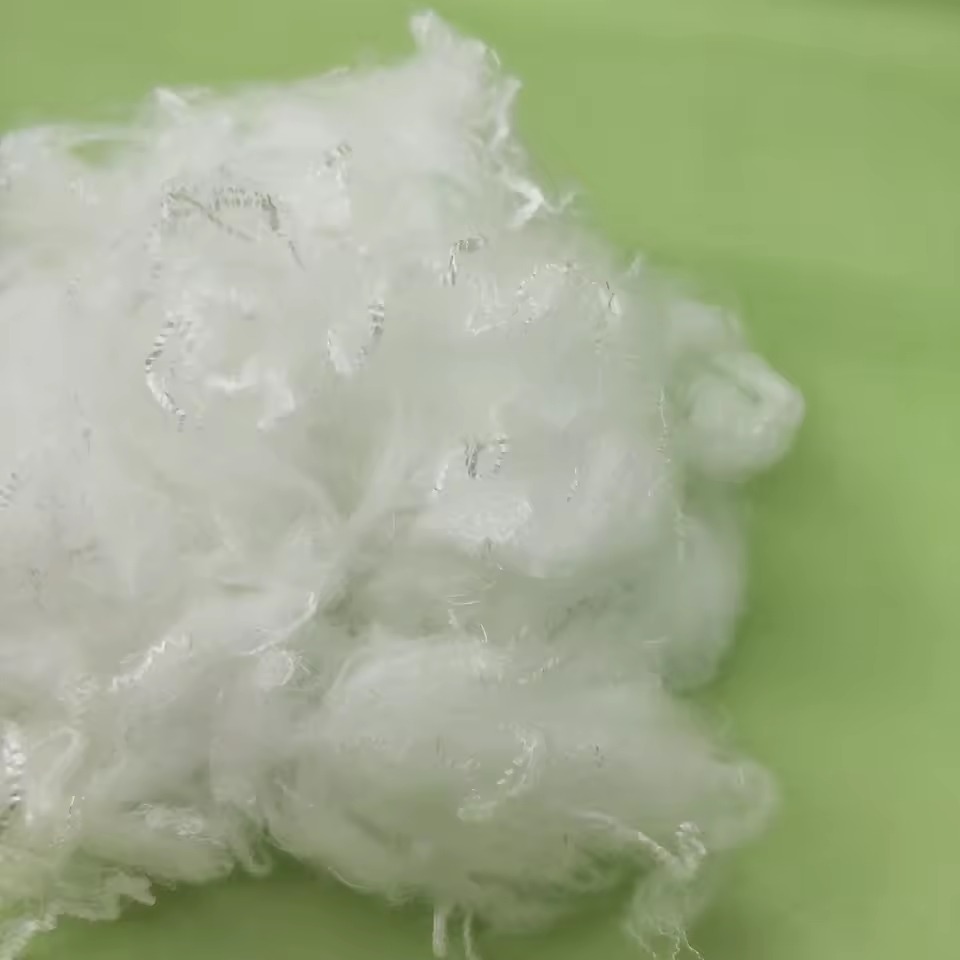
What Is PLA Fiber? Chemistry and Production
PLA (polylactic acid, also called polylactide) fiber is produced from lactic acid — a naturally occurring organic acid produced by fermentation of plant-derived sugars. The commercial production chain:
- Feedstock: Starch-rich crops (corn/maize is the dominant commercial feedstock; sugarcane, cassava, and sugar beet are also used) are processed to extract glucose.
- Fermentation: Glucose is fermented by lactic acid bacteria (Lactobacillus species) to produce lactic acid — the same acid that gives yogurt its tang and causes muscle soreness after exercise.
- Purification and polymerization: Lactic acid is purified and converted to lactide (a cyclic dimer of lactic acid), which is then ring-opening polymerized to produce polylactic acid (PLA) polymer with controlled molecular weight.
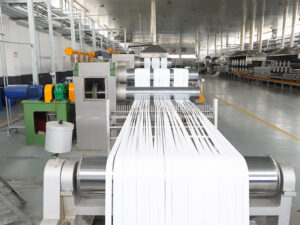
- Fiber spinning: PLA polymer is melt-spun through spinnerets into filaments — the same fundamental process as polyester spinning, using similar equipment. Filaments are drawn, crimped (for staple), and cut to the target staple length, or wound as filament yarn.
The result is a fiber that is chemically a polyester — PLA is technically an aliphatic polyester, with ester linkages in its backbone like PET — but derived entirely from renewable biological feedstocks rather than petroleum. This bio-based origin is what gives PLA its most important sustainability credential: its carbon is biogenic (captured from the atmosphere by the crop during growth) rather than fossil.
The Biodegradability Question: Conditions Matter Enormously
The single most important and most misunderstood fact about PLA fiber is that its biodegradability is conditional — it does NOT biodegrade under all environmental conditions equally. The specific conditions required for PLA biodegradation determine where and how it can legitimately be called ‘biodegradable’:
| Condition | PLA Biodegrades? | Detail |
| Industrial composting (58–70°C, high humidity, microbial activity) | ✅ Yes — relatively fast | Standard EN 13432 / ASTM D6400 testing conditions. PLA reaches 90%+ biodegradation in 60–180 days. This is the condition that most ‘compostable’ PLA certifications are based on. |
| Home composting (ambient temperature, variable humidity) | ⚠️ Very slow — months to years | Home compost piles rarely reach the 58°C+ required for rapid PLA degradation. PLA will eventually degrade but may take 1–5 years under typical home compost conditions — longer than most users expect. |
| Soil burial (ambient temperature) | ⚠️ Very slow — years | Similar to home composting — PLA will eventually biodegrade in soil but the process is slow at ambient temperatures without the active microbial community of a managed compost system. |
| Landfill (anaerobic, low moisture) | ❌ Very slowly — decades | Most landfills are anaerobic (low oxygen) and have low moisture — conditions that severely retard PLA degradation. PLA in landfill persists far longer than in composting environments. |
| Marine environment | ❌ Very slowly — years to decades | Ocean water temperature is typically far below 58°C even in tropical regions. PLA does not biodegrade rapidly in marine environments — marine biodegradation claims should be treated with great caution. |
| Normal use conditions (room temperature, dry) | ❌ Stable | PLA is stable in normal product use — it does not biodegrade during the product’s service life under standard storage and use conditions. Durability in use is not compromised by biodegradability at end of life. |
The practical implication: ‘compostable PLA’ is most meaningful when the product will actually reach an industrial composting facility at end of life. In markets where industrial composting infrastructure is limited and most waste goes to landfill, the biodegradability advantage of PLA over PET is significantly reduced in practice. The honest sustainability claim for PLA is ‘industrially compostable’ not simply ‘biodegradable’ — and only if the end-of-life pathway to industrial composting is actually available.
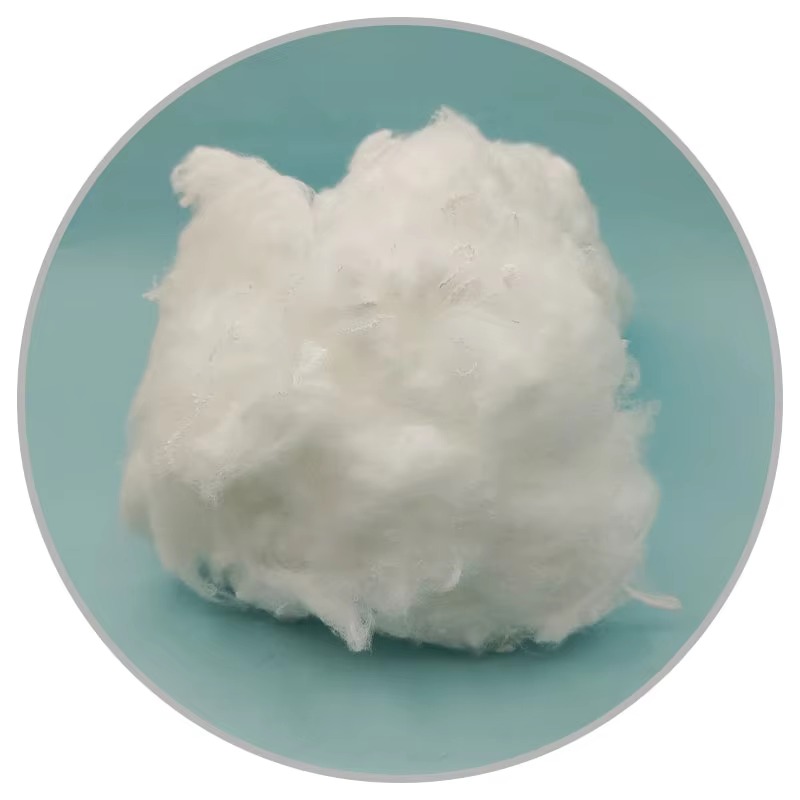
PLA Fiber Properties: Honest Comparison with Polyester (PET)
| Property | PLA Fiber | Polyester (PET) Fiber |
| Raw material origin | Renewable bio-based: corn, sugarcane, cassava | Petroleum-derived: PTA + MEG from fossil fuels |
| Biodegradability | Yes — industrial composting (EN 13432 / ASTM D6400) | No — not biodegradable under any natural conditions |
| Carbon footprint | ~1.8–2.7 kg CO₂e/kg — lower than virgin PET; comparable to rPET | ~5.0–6.0 kg CO₂e/kg (virgin); ~1.5–2.5 kg (recycled rPET) |
| Tensile strength | 3.0–4.5 cN/dtex — comparable to standard PET | 3.5–7.0 cN/dtex — broader range, higher ceiling |
| Moisture absorption | ~0.5% regain — slightly higher than PET; still low | ~0.4% regain — hydrophobic surface |
| Softness / hand feel | Excellent — softer than PET, approaching cotton feel | Good — varies by grade; generally slightly less soft than PLA |
| Glass transition temperature (Tg) | ~55–60°C — LOW — limits use in high-temperature applications | ~80°C (Tg) — more heat-stable in processing and use |
| Melting point | ~170°C — lower than PET | ~255–265°C — significantly higher; more heat-stable |
| Heat resistance | LOWER than PET — cannot be hot-washed above 60°C; cannot be ironed on high | Higher — tolerates 60°C wash; high iron settings acceptable |
| Flammability | MORE flammable than PET — lower ignition temperature; NOT flame retardant | Self-extinguishes more readily; less flammable than PLA |
| UV resistance | Moderate — degrades more rapidly under UV than PET without stabilizers | Good — inherently more UV-stable than PLA |
| Dyeability | Disperse dyes at lower temperatures (90–110°C); avoid strong alkalis | Disperse dyes at 130°C under pressure; broader dye class compatibility |
| Recyclability | Limited — PLA contaminates PET mechanical recycling streams; no commercial-scale PLA recycling | GRS-certified rPET recycling commercially established at scale |
| Cost | Higher than virgin PET; competitive with organic cotton | Lower — commodity industrial scale; very competitive |
PLA Fiber Applications
Hygiene and Nonwoven
The largest current commercial application of PLA fiber is in nonwoven products where end-of-life biodegradability is a genuine product benefit — specifically disposable hygiene and personal care products. PLA spunbond and staple fiber are used in diaper top sheets, feminine hygiene covers, wet wipe substrates, and cosmetic pad constructions where the biodegradable credential supports ‘plastic-free’ or ‘compostable’ product marketing.
- PLA spunbond nonwoven: Produced directly from PLA chips on standard spunbond lines (with temperature adjustments for PLA’s lower melting point). Used as hygiene coverstock and agricultural crop cover.
- PLA staple fiber for airlaid and thermal bonding: PLA staple (1.5D–4D × 38–51 mm) is processed through airlaid systems or thermally bonded with PLA bico fiber (PLA/COPLA sheath-core) to produce biodegradable nonwoven wadding and absorbent cores.
- PLA spunlace: PLA fiber blended with viscose in spunlace construction for biodegradable wet wipes — replacing PET in standard viscose/PET spunlace. The resulting all-biodegradable wipe can meet EN 13432 compostable certification.
Agriculture
Agricultural nonwoven from PLA fiber offers a compelling value proposition: the crop cover or mulch film that protects crops during the growing season can be ploughed back into the soil at the end of the season rather than collected and disposed of — it will biodegrade in the soil over the following growing season (slowly, but acceptably for this application where years-long persistence is the criterion, not months). This eliminates the collection, transport, and disposal cost and environmental burden of conventional PE film or PP spunbond crop covers.
Sustainable Apparel and Textiles
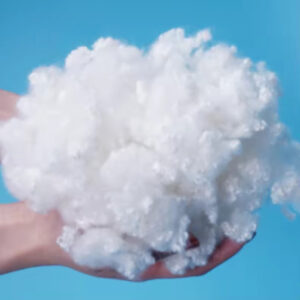
PLA fiber in apparel is a smaller but growing market — used in sustainable fashion brands seeking genuinely bio-based fiber without the agricultural footprint of cotton. PLA’s softness (often described as silkier than PET) and its lactic acid origin from food crops make it attractive for brands with natural and sustainable positioning. Limitations: the low heat resistance (no high-temperature washing or ironing) and higher cost versus PET or cotton restrict mainstream adoption.
Medical and Biomedical
PLA’s biocompatibility and controlled biodegradation under physiological conditions make it valuable in medical applications: absorbable sutures (where the suture dissolves in body tissue over weeks without needing removal), drug delivery matrices, tissue engineering scaffolds, and surgical mesh. Medical-grade PLA has controlled molecular weight and sterility standards not relevant to textile applications, but the same fundamental chemistry underlies both.
The Broader Biodegradable Fiber Landscape
PLA is the most commercially mature biodegradable synthetic fiber, but it is not the only option. The biodegradable fiber landscape includes:
| Fiber | Biodegradability | Status and Commercial Relevance |
| PLA (Polylactic acid) | Industrial composting | Most commercially mature. Available in staple and filament. NatureWorks (Ingeo) is the dominant global producer. Growing nonwoven and packaging market. |
| PHA (Polyhydroxyalkanoate) | Soil, marine, and industrial composting | More versatile biodegradation conditions than PLA — including marine environment. Produced by bacterial fermentation. Significantly more expensive than PLA. Danimer Scientific, Newlight Technologies are leading producers. Growing interest for packaging and hygiene. |
| PBAT (Polybutylene adipate terephthalate) | Industrial composting (blended) | Petroleum-derived but biodegradable — used primarily as a flexibility modifier blended with PLA or starch. Not bio-based. |
| Regenerated cellulosic (Lyocell, Viscose) | Fully biodegradable — soil and marine | Not truly ‘synthetic’ — cellulose origin. Viscose and lyocell are fully biodegradable cellulosic fibers. Already widely used in biodegradable wipes as the standard biodegradable fiber. |
| Natural fibers (cotton, wool, jute) | Fully biodegradable | The baseline natural fiber category — biodegradable but with significant land, water, and pesticide footprints in conventional cultivation. |
| Bio-based PET (bio-PET) | NOT biodegradable | Same PET chemistry as fossil PET — not biodegradable. Bio-based feedstock for some monomers reduces fossil fuel dependence but does not confer biodegradability. |
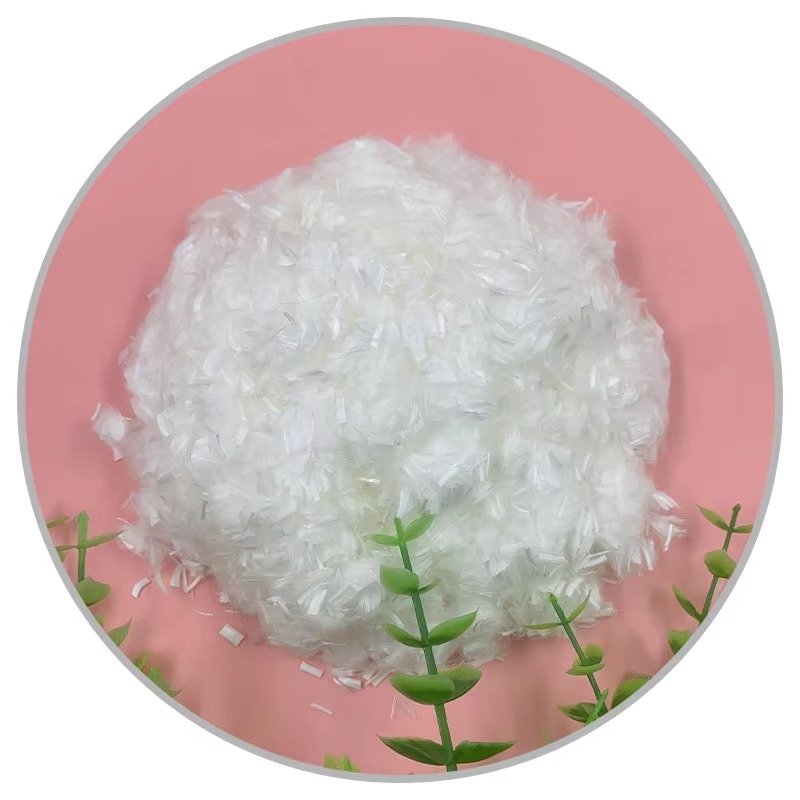
PLA vs Recycled Polyester: Which Is More Sustainable?
This is one of the most practically important sustainability comparisons for brands choosing between bio-based biodegradable fiber and recycled synthetic fiber:
- PLA advantage — end of life: Under industrial composting conditions, PLA biodegrades to CO₂ and water — returning to the biogenic carbon cycle. Recycled polyester (rPET) does not biodegrade and goes to landfill or incineration at end of product life.
- rPET advantage — carbon footprint: GRS-certified rPET delivers approximately 1.5–2.5 kg CO₂e/kg — competitive with or better than PLA’s ~1.8–2.7 kg CO₂e/kg, with no land use for crops and no agricultural water consumption.
- PLA advantage — microplastics: PLA fiber sheds biodegradable microparticles rather than persistent synthetic microplastics — a significant environmental advantage for skin-contact and disposable products.
- rPET advantage — performance and processing: rPET matches virgin PET performance. PLA’s lower heat resistance limits processing options and use conditions (no hot washing, no high-heat drying, no ironing on high settings).
- PLA advantage — agricultural but limitation too: Bio-based origin from renewable crops reduces fossil fuel dependence, but crop cultivation requires land, water, and potentially fertilizer/pesticide inputs that petroleum extraction does not.
The honest conclusion: neither PLA nor rPET is universally more sustainable — they trade different environmental advantages. For single-use disposable applications where end-of-life biodegradation is genuinely possible (industrial composting infrastructure available), PLA is the better choice. For durable products, fill applications, nonwovens without composting end-of-life pathway, and applications requiring high performance, GRS-certified rPET is typically the better sustainable choice.
Conclusion
PLA fiber represents a genuine and important advance in sustainable synthetic fiber — bio-based feedstock, biodegradable under industrial composting conditions, good textile performance, and growing commercial availability. But it is not a universal replacement for conventional polyester: its lower heat resistance, higher cost, and conditional (not universal) biodegradability mean it is the right choice for specific applications rather than a general-purpose PET substitute.
The most commercially defensible and genuinely impactful use of PLA fiber is in disposable products — nonwoven hygiene, wet wipes, agricultural covers — where the biodegradable end-of-life pathway is genuine and accessible, and where microplastic shedding from synthetic fiber is a meaningful concern. For durable textile applications, the GRS-certified recycled polyester pathway currently offers better-proven sustainability credentials at lower cost and higher performance consistency.