Color Changing Fiber Color-changing fibers are a kind of fiber with a special composition or structure that can automatically change color after being stimulated by external conditions, such as light, heat, moisture, or radiation. As a fiber solutions provider, Typical Categories Photochromic Fiber “Photochromic fibers” refer to fibers whose color changes reversibly under sunlight, ultraviolet…
Category Archives: News
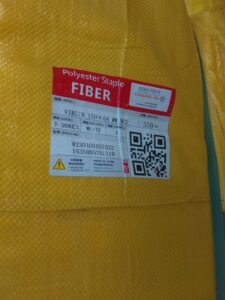
Polyester Staple Fiber HCS 7D 64mm, HCS 15D 64mm, HCS fiber, Recycled Hollow Conjugate Fiber from China, Korea, Malaysia, Vietnam, Thailand, Indonesia
In this article, we will show you all methodologies to check fiber quality. There are 10 steps to test the fiber quality index: Fiber Composition Analysis Fiber Optical Properties Analysis Fiber Physical Properties Analysis Fiber Mechanical Properties Analysis Thermal Resistance & Thermal Stability Analysis Fiber Antibacterial Activity Analysis Microfiber Detection Analysis Fiber Flame Retardant Analysis…
2023 China Virgin and Recycled Polyester Fiber Industry In 2023, the direct-spun PSF market returns to its fundamentals with the weakening effect of the macroeconomy. The alternation between old and new capacities continues, and under the pressure of lower textile and apparel exports, how can PSF plants maintain selling volumes? PSF exports surge; what’s the…
What is polyester nonwoven? Polyester nonwoven fabrics are a type of nonwoven material made from polyester fibers. These fabrics are known for their strength, durability, and versatility, making them suitable for a wide range of applications. Production Process Fiber Preparation: Polyester Fibers: The primary raw material is polyester, which can be in the…
What are bicomponent fibers? Bicomponent fibers are created when two distinct polymers are extruded together to create a fiber. Both the polymers used and their geometric arrangement can be changed based on the desired property profile. The geometry of our bicomponent fibers is sheath-core. A sheath composed of a polymer with a lower melting point,…
Viscose, Modal and Lyocell: Complete Guide to Regenerated Cellulosic Fibers — and How They Compare to Polyester Viscose, modal, lyocell, and Tencel are four names that appear constantly in sustainable textile sourcing conversations — and are frequently confused with each other, conflated with cotton, or incorrectly classified as either natural or synthetic fibers. None of…
What is viscose? Viscose fiber comprises two categories: viscose filament fiber and viscose staple fiber. Viscose fibers are classified as cellulose fibers derived from natural materials such as cotton and other plant-based sources. Regenerated cellulose fiber, known as viscose fiber, utilizes natural cellulose as its primary raw material. The process of making soluble cellulose xanthate…
What are natural fibers? Traditionally, natural fibers have been used in all cultures for making utilitarian products. Different parts of the plant are used. Fibers can be extracted from the bark (banana, jute, hemp, ramie), stem (banana, palm, bamboo), leaf (palm, screw pine, sisal, agave), husk (coir), seeds (cotton), and grass (sikki, madhurkati, benakati, munj)….
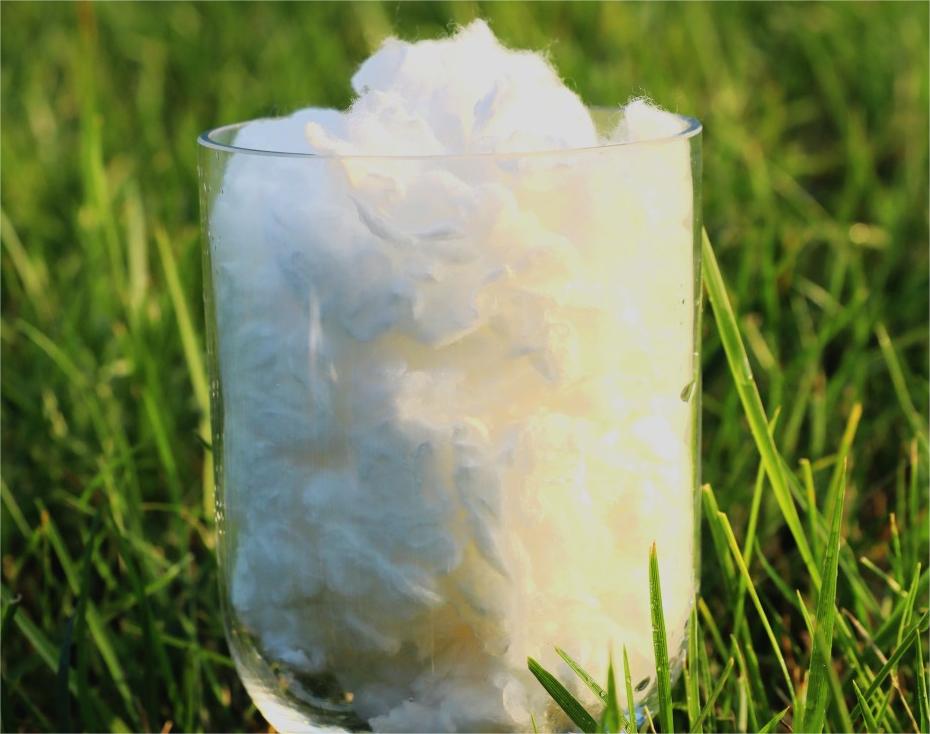
What is polyester fiberfill made of? It is usually made from polyester and other recycled materials. Fiberfill stuffing is inexpensive to make, and its insulating and filler properties make it ideal for different projects and purposes. Fiberfill stuffing is normally made from polyester, a synthetic fiber that is very cheap and easy to recycle. Fiberfill…
Spinning fibers into yarn involves two primary methods: ring spinning and open-end (OE) spinning. Each method has its own set of processes and applications, and they yield yarns with different characteristics. Here’s a detailed overview of the production of ring-spun and OE-spun yarns using polyester staple fiber (PSF): 1. Ring Spinning Process Overview Opening and…
VNPOLYFIBER - Polyester Fiber Partners from Asia
We are a leading exporter of recycled polyester staple fiber—including hollow conjugated fiber, hollow slick fiber, solid fiber, low melting fiber, and many other polymer fibers since 2017. With a wide-reaching network of trusted suppliers across China, Vietnam, Malaysia, Thailand, and Indonesia, we have successfully exported to over 30 countries, serving more than 200 clients, many of whom have a strong presence in North America, South America, and the EU. We provide One Stop Solution for Polyester Staple Fiber, Nonwoven Fabric and Home Textile Materials