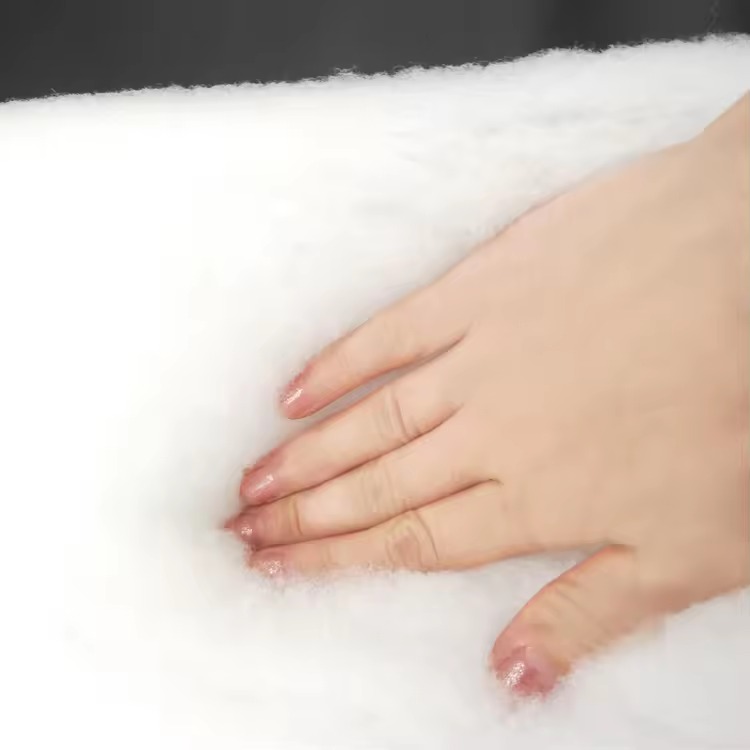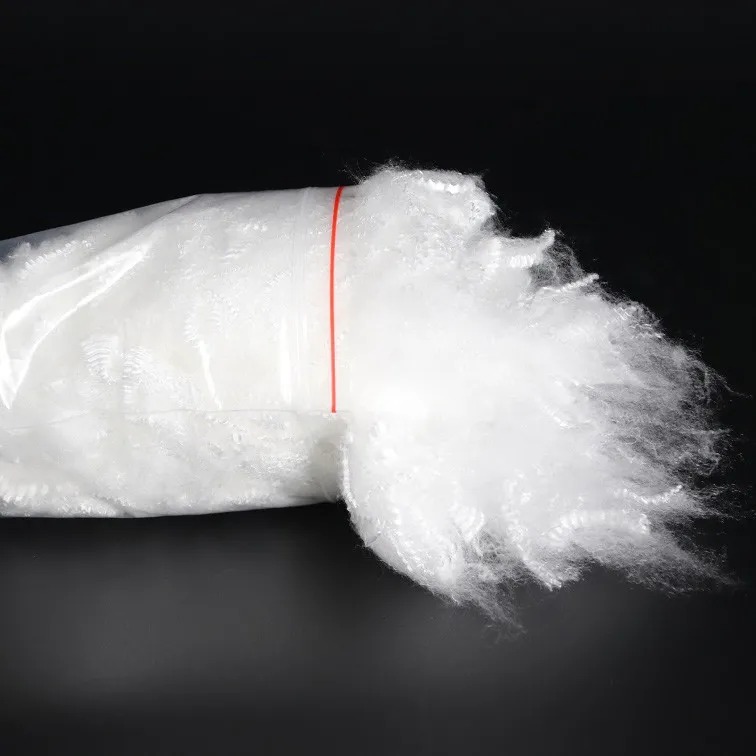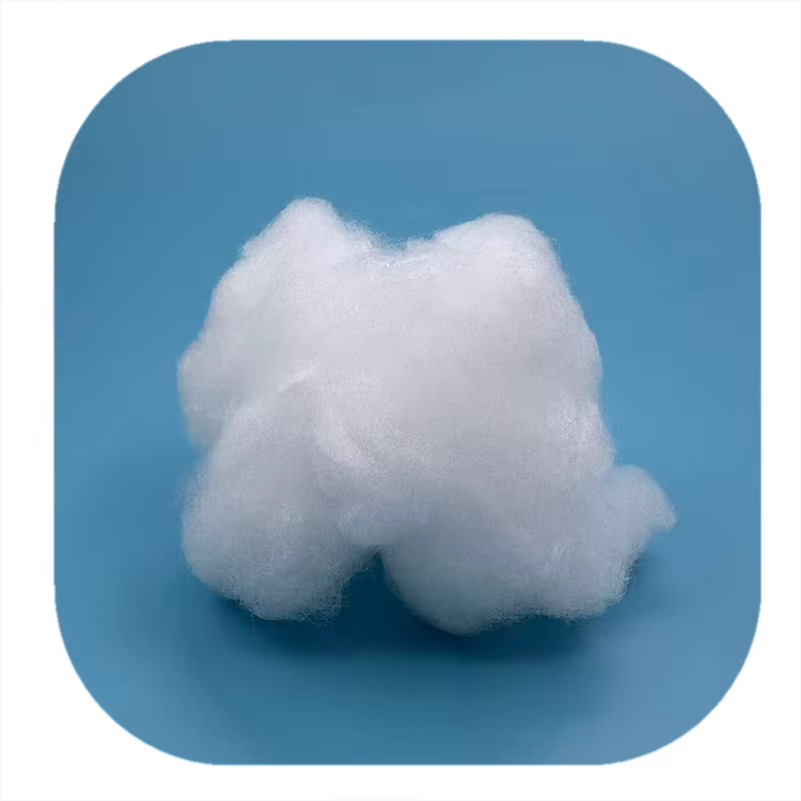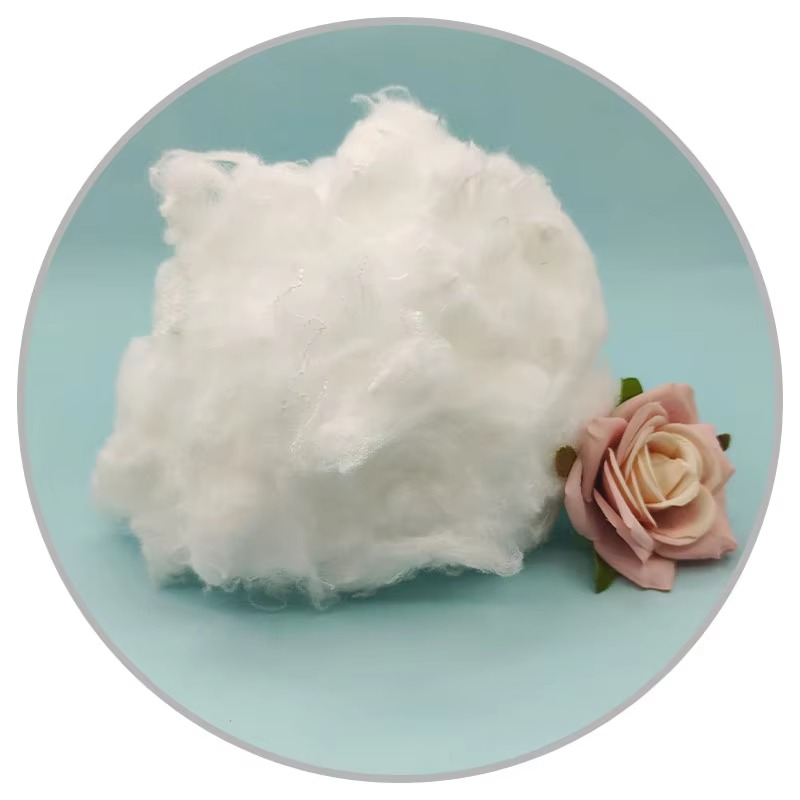
Antibacterial Silver-Ion PSF — Fiber for Hygiene Products and Medical Textiles
- Antibacterial polyester staple fiber (PSF) uses silver-ion or zinc oxide additives embedded directly inside the fiber during production, providing long-lasting antibacterial performance even after repeated washing and abrasion.
- ISO 20743 is the key international testing standard, with effective antibacterial fibers typically achieving over 99% bacteria reduction (SAV >2.0) against common bacteria such as Staphylococcus aureus and Klebsiella pneumoniae.
- These fibers are widely used in hospital pillows, premium bedding, medical nonwovens, sports products, and wellness textiles, with silver-ion grades offering the highest performance and OEKO-TEX-compatible safety for children’s products.
PRODUCT DETAIL
Antibacterial Silver-Ion PSF — Fiber for Hygiene Products and Medical Textiles
How Antibacterial PSF Works — and Why Masterbatch Outperforms Surface Treatment
Antibacterial PSF incorporates silver-ion or zinc oxide functional additives as a masterbatch compound distributed throughout the fiber polymer during melt spinning. This is fundamentally different from surface-applied antibacterial treatments — sprays, coatings, or baths applied to fiber or fabric after production — and the difference determines whether antibacterial efficacy survives commercial use.
- Masterbatch (in-fiber) antibacterial: The active agent (silver ions, zinc oxide nanoparticles) is compounded into the polymer melt before spinning. It is distributed uniformly throughout the fiber cross-section and is part of the fiber’s physical structure. When the fiber surface is abraded, washed, or chemically exposed, new active agent is continuously exposed from within the fiber. Efficacy is durable through the fiber’s entire service life — maintaining bacteriostatic activity after 100+ commercial laundering cycles.
- Surface-applied antibacterial treatment: FR chemical, silver spray, or triclosan-based coating applied to the fiber or fabric surface after production. Initial efficacy may be equivalent to masterbatch treatment. Durability is not equivalent — surface treatments degrade with washing, abrasion, and UV exposure. By 20–50 launderings, surface-applied treatments have typically lost the majority of their antibacterial activity. The fabric still passes visual and dimensional inspection but no longer provides the bacteriostatic function that justified the specification.
The commercial implication: for hospital bedding, healthcare pillows, premium consumer pillows with odor-control claims, and any application where antibacterial performance must be maintained through the product’s service life, masterbatch silver-ion or zinc oxide PSF is the only specification that delivers durable performance. Surface treatment is appropriate only for single-use or low-wash-frequency applications.
ISO 20743: The Standard for Antibacterial Fiber Testing
ISO 20743 (Determination of antibacterial activity of antibacterial finished products — Textile products) is the internationally recognized test standard for antibacterial efficacy in textiles. Results are expressed as bacteriostatic activity value (SAV):
- SAV calculation: SAV = log(C/A), where C is the viable bacteria count in the untreated control fabric and A is the viable bacteria count in the antibacterial treated fabric after standardized inoculation and incubation.
- SAV >2.0: Means the treated fabric has 99%+ fewer viable bacteria than the untreated control. This is the standard commercial threshold for an effective antibacterial claim. SAV 2.0 = 99% reduction; SAV 3.0 = 99.9% reduction.
- Test organisms: Standard test uses Staphylococcus aureus (Gram-positive, common skin bacterium and odor cause) and Klebsiella pneumoniae (Gram-negative). Some specifications additionally test Escherichia coli (Gram-negative) and Candida albicans (fungal).
- Laundering durability: ISO 20743 can be performed on unwashed fabric (initial efficacy) and on fabric after standardized laundering cycles (durability). Masterbatch silver-ion PSF typically maintains SAV >2.0 after 50 launderings at 60°C. Request laundering cycle test data alongside initial efficacy data for any healthcare or commercial specification.
Silver Ion vs Zinc Oxide: Choosing the Right Antibacterial Agent
- Silver-ion (Ag+): Higher antibacterial efficacy across both Gram-positive and Gram-negative bacteria. Effective at lower concentration (lower additive loading needed). Well-established safety profile. Higher cost than zinc oxide. SAV >2.0 typically achieved at 0.2–0.5% silver compound loading.
- Zinc oxide (ZnO): Lower cost than silver. Good efficacy against Gram-positive bacteria. GRAS (Generally Recognized As Safe) status. Lower efficacy against some Gram-negative strains than silver. SAV >2.0 achievable but may require higher loading. UV-stabilization synergy — ZnO also functions as a UV absorber.
- Selection guide: Healthcare and premium consumer applications with dual Gram-positive/Gram-negative specification: silver-ion. Cost-sensitive applications or where UV stability is a secondary benefit: zinc oxide. For baby and children’s products: silver-ion within OEKO-TEX Class I concentration limits.
Applications
- Hospital and patient care pillow: Odor control and bacterial inhibition. ISO 20743 SAV >2.0 after 50 commercial launderings documented.
- Premium consumer pillow (odor-control feature): Silver-ion fill. ‘Antibacterial protection’ as featured product benefit in branded retail.
- Medical nonwoven wound dressings: Silver-ion nonwoven substrate. Reduced pathogen transmission at wound contact surface.
- Sports and activewear fill: High-sweat applications where odor development is a consumer experience concern.
- Hotel healthcare and wellness pillow: Premium hotel wellness positioning with verified antibacterial credential.
OEKO-TEX compatibility: silver-ion and zinc oxide compounds are permitted under OEKO-TEX Standard 100 at concentrations below threshold limits. VNPOLYFIBER’s antibacterial PSF is formulated within OEKO-TEX-compatible concentration limits. Class I (babies and children) applies stricter concentration limits than Class II (adults) — specify required OEKO-TEX class when ordering antibacterial grades. Class I-compatible silver-ion fill available on request.
Frequently Asked Questions
Q: How does ISO 20743 SAV >2.0 translate to practical benefit for a pillow consumer?
SAV >2.0 (99%+ bacterial reduction) means the pillow fill actively inhibits the growth of odor-causing bacteria on the fiber surface during use. The primary consumer benefit is odor control — pillows remain fresher between launderings. The secondary benefit is hygiene reassurance — the fill inhibits bacterial colonization that can cause odor, discoloration, and allergen buildup in the fill over time. For hospital pillows, the benefit extends to reduced pathogen transmission risk between patients when pillows are reused.
Q: How durable is the antibacterial efficacy through commercial laundering?
Masterbatch silver-ion antibacterial efficacy is durable through the fiber’s entire service life. Industry standard documentation for healthcare specification: SAV >2.0 maintained after 50 launderings at 60°C (ISO 20743 supplementary laundering durability test). For applications requiring durability through 100+ commercial launderings (hospital bedding programs with weekly laundering over multi-year service life), request the extended laundering cycle test data specifically.
Q: Can I make a specific antibacterial claim on my product packaging?
Antibacterial claims on consumer products are regulated in most markets. In the EU, claims based on silver-ion or ZnO biocide function must comply with the Biocidal Products Regulation (BPR) — the biocidal active substance must be approved for the specific product type. In the US, EPA registration may be required for certain antibacterial claims. We recommend consulting your market’s specific regulatory requirements before making explicit antibacterial claims on consumer packaging. VNPOLYFIBER provides ISO 20743 test data as supporting evidence for your regulatory assessment.
Q: Is there a minimum order for antibacterial grades?
Antibacterial PSF grades typically have a higher minimum order than standard fill fiber grades — minimum one 20-foot container per grade (antibacterial agent type and concentration). This reflects the production run requirements for masterbatch compounding. For smaller initial quantities, pre-production samples of up to 500 kg can be arranged against a confirmed commercial order commitment.
Technical Parameter
Product Specifications
| Grade | Specification | Application and Testing |
| Silver-ion HCS fill (standard) | 4D×51mm HCS siliconized, silver masterbatch | ISO 20743 SAV >2.0. OEKO-TEX Class II. Pillow and bedding fill. |
| Silver-ion HCS (Class I) | 4D×51mm HCS siliconized, silver masterbatch | ISO 20743 SAV >2.0. OEKO-TEX Class I. Children’s product compatible. |
| ZnO HCS fill | 4D×51mm HCS siliconized, ZnO masterbatch | Zinc oxide antimicrobial. Lower cost than silver. ISO 20743 tested. |
| Silver-ion solid (nonwoven) | 6D×51mm solid, silver masterbatch | Medical and hygiene nonwoven substrate. ISO 20743 tested. |
| ZnO solid (nonwoven) | 6D×51mm solid, ZnO masterbatch | Cost-efficient antimicrobial nonwoven. ISO 20743 tested. |
FAQ
1. What do you offer?
We supply a comprehensive range of fibers, including recycled hollow conjugated (both siliconized and non-siliconized) polyester staple fiber, hollow fiber, microfiber, virgin polyester staple fiber, and low-melt fiber.
2. What is it used for?
Our fibers are versatile and widely utilized across both the filling and non-woven industries, providing essential loft, durability, and texture for various consumer and industrial applications.
3. Are you a factory or a trading company?
We are primarily a manufacturer specializing in polyester staple fiber with years of industry expertise. To better serve our clients, we also operate a dedicated trading division that allows us to act as a one-stop solution provider.
In addition to our own fiber production, we source high-quality textile components (such as yarn and low-melt fibers) and finished goods (including foam, pillows, cushions, toys, and down/feather products) to ensure our customers have access to a comprehensive supply chain.
4. Where is your factory location?
To maintain a robust and flexible global supply chain, our manufacturing facilities are strategically located throughout Asia, specifically in Vietnam, China, Malaysia, Thailand, and Indonesia. If you would like to visit one of our sites, please contact your sales representative, and we will be happy to arrange transportation for you.
5. Can you accept free sample?
Yes, we provide free hand samples for quantities under 1 kilogram. Once a price is confirmed, we can prepare and dispatch your sample within 2–3 business days. Please note that while the sample is free, the freight costs are the responsibility of the client.
6. Can you provide ODM service?
Absolutely. We specialize in ODM (Original Design Manufacturing). This means we can customize the material composition, dimensions, quantity, packaging, and branding to meet your specific requirements. Your logo and unique specifications will be integrated into the final product.
7. How about your quality? What’s the minimum order Quantity (MOQ)?
We invite you to place a trial order to experience our quality firsthand. Our standard MOQ is 23,000 kilograms per order.
Regarding pricing, we maintain a no-bargain policy. We believe in transparency and efficiency, so we provide our most competitive offer upfront to save you time and ensure a straightforward procurement process.
8. Can I mix different items in one order?
Yes, for your convenience, we allow for a maximum of two different items to be mixed within a single container.
9. How can you guarantee the product quality?
Quality is the cornerstone of our business. We employ an experienced QC team that monitors every stage of production, from raw material inspection to the final manufacturing process. We utilize a range of advanced testing instruments to ensure our fibers meet strict industry standards.
Our business philosophy is simple: We aim to serve one customer 1,000 times, rather than 1,000 customers once. We prioritize long-term partnerships built on consistent excellence.
10. What’s the payment terms?
L/C at sight, 30% TT in advance are mostly accepted; other terms shall be negotiable by both sides
For more information, please feel free to contact :
Tony Tan
Mobile number: +84 90 466 5251 (Whatsapp/Wechat/Viber/Signal)