What Is Linen? The Complete Guide to Linen Fabric, Properties, Uses & Sustainability
Linen is one of the oldest, most refined, and most genuinely sustainable fabrics in the world. It has been cooling skin in hot summers for tens of thousands of years, draping the bodies of Egyptian pharaohs, furnishing the homes of European aristocracy, and—in recent years—experiencing a remarkable renaissance as a new generation of consumers rediscovers what those before them always knew: nothing breathes quite like linen.
Yet linen remains widely misunderstood. Many people know it as the fabric that wrinkles, without knowing why it wrinkles, how that wrinkle can be managed, or why accepting a little texture is worth everything linen offers in return. Many know it is a natural fiber without understanding what makes its sustainability story genuinely compelling—and where its limitations honestly lie. And few understand the full range of linen types, weaves, and applications that make it far more versatile than its reputation as a summer shirt fabric suggests.
This complete guide covers everything: what linen is and where it comes from, the step-by-step manufacturing process from flax plant to finished fabric, the full range of key properties, the types of linen and weave constructions available, applications from apparel to home textiles to industrial use, its sustainability credentials honestly assessed, how it compares to cotton and other fibers, and practical guidance on care and buying.
What Is Linen? Definition and Origins
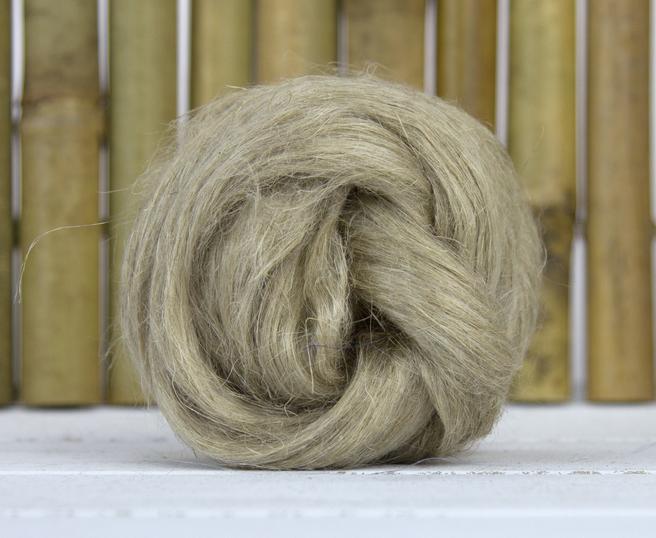
Linen is a natural textile fiber produced from the stalks of the flax plant—Linum usitatissimum—a slender, blue-flowered annual plant cultivated primarily in temperate climates. The name ‘linen’ has become so associated with certain product categories—bed linen, table linen, body linen—that we use it as a generic term for household textiles regardless of their actual fiber content. But true linen is specifically and only woven from flax fiber, and the distinction matters enormously for performance and sustainability.
Linen is the oldest fiber known to have been used by humans. Evidence of flax fiber use dates back 34,000 years to a cave in the Republic of Georgia—predating cotton cultivation by thousands of years.
Flax is one of the most remarkable plants in agriculture: it grows in poor-quality soil unsuitable for food crops, requires minimal irrigation in temperate European climates, needs few pesticides, and every part of the plant has commercial value. The fiber from the stem produces linen textiles. The seeds produce linseed (flaxseed) oil—valuable in food, pharmaceuticals, and wood finishing. The remaining plant matter returns to the soil as organic matter or is used as animal feed. This whole-plant utilization gives flax one of the most efficient resource profiles of any fiber crop.
From Flax Field to Finished Fabric: How Linen Is Made
The production of linen fabric is one of the most labor-intensive and technically demanding processes in natural fiber manufacturing—which is a primary reason why linen commands a price premium over cotton and why linen processing expertise remains concentrated in a small number of regions worldwide, particularly France, Belgium, and Belarus.
Step 1: Cultivation and Harvesting
Flax grows best in cool, moist climates—the temperate conditions of Western Europe (particularly Normandy in France and Flanders in Belgium) are considered the global benchmark for fine linen flax production. The plant grows quickly to about 1 meter in height over a 100-day growing season, producing delicate blue flowers before the stalks mature. Unlike most crops, flax is not cut at harvest—it is pulled up by the roots, because cutting damages the long stem fibers that give linen its characteristic length and strength. The whole plant, including roots, is pulled and laid in rows to dry.
Step 2: Retting — Separating Fiber from Stem
Retting is the process of separating the long bast fibers from the woody core and outer skin of the flax stem—a process that relies on controlled microbial or chemical action to break down the pectin that binds the fiber bundles together.
- Dew retting (field retting): The harvested flax is laid out in fields for several weeks, where alternating cycles of dew, rain, and sun allow naturally occurring bacteria and fungi to break down the binding pectin. Dew retting produces the finest, most lustrous fiber but is time-consuming (typically 3–6 weeks), weather-dependent, and requires significant land area.
- Water retting: Flax bundles are submerged in ponds, rivers, or tanks, where microbial action in the water breaks down the pectin over 1–2 weeks. Water retting is faster than dew retting but can produce wastewater that must be carefully managed to prevent local water pollution.
- Chemical retting: The flax is treated with alkali or oxalic acid solutions under heat and pressure, completing retting in hours rather than weeks. Chemical retting is the fastest and most controllable method but requires careful management of chemical inputs and is less preferred for fine linen production.
Step 3: Scutching — Removing the Woody Core
After retting, the flax stalks are dried and then scutched—mechanically beaten and scraped to break apart and remove the woody core (called shives or boon) from the long fiber bundles. Traditional scutching was done entirely by hand; modern scutching uses mechanical rollers and beaters to process the material efficiently at scale. Scutching produces two fiber grades: the long, aligned line fibers (longline or long linen) used for fine linen yarn, and the shorter, tangled tow fibers used for coarser yarns and blended textiles.
Step 4: Hackling — Combing and Aligning the Fibers
The line fibers are drawn through hackling machines—metal-toothed combs of progressively finer pitch—that separate, align, and further clean the fiber bundles. Hackling removes the last of the short, tangled tow fibers and produces the beautifully aligned, glossy, long-staple linen fiber ready for spinning. The combed tow removed during hackling is used separately for coarser linen products or blended with other fibers.
Step 5: Spinning and Weaving
Long linen fibers are spun into yarn—either wet-spun (the fibers are drawn through warm water before twisting, which allows the pectin to swell and produces a finer, smoother, stronger yarn with the characteristic linen luster) or dry-spun (simpler but producing coarser yarn). The spun yarn is then woven or knitted into fabric. Linen’s long, smooth fibers produce fabric with a natural luster and characteristic slubs—small, slightly uneven thickenings in the yarn that are visible in the finished fabric and considered an authentic hallmark of real linen.
Key Properties of Linen Fabric
Linen’s performance characteristics flow directly from the unique structure of the flax fiber—long, hollow, high-cellulose filaments with a natural wax coating on the surface. Understanding these structural origins explains why linen performs the way it does.
Property | What It Means in Practice |
Breathability | Flax fibers are naturally hollow, allowing air to circulate freely through linen fabric. This is linen’s most celebrated property—it allows body heat and moisture vapor to escape continuously, keeping the wearer significantly cooler than cotton or synthetic fabrics in warm and humid conditions. |
Moisture Management | Linen can absorb up to 20% of its weight in moisture before it feels damp—and releases that moisture rapidly through evaporation. This combination of high absorption and fast evaporation is why linen feels cool even when you sweat: the moisture is drawn away from the skin and evaporated before it can accumulate. |
Strength and Durability | Linen fiber is stronger than cotton—approximately 30% stronger when dry and even stronger when wet. This gives linen fabric exceptional resistance to tearing, abrasion, and mechanical stress. Linen products genuinely improve with age — the fiber softens and becomes more supple with washing and use while retaining its structural integrity, making well-maintained linen a decades-long investment. |
Natural Antibacterial Properties | Linen has documented natural antibacterial and antifungal properties, attributed to its fiber chemistry. It resists bacterial growth, inhibits mold, and is naturally hypoallergenic — rarely causing skin irritation even for those with sensitive skin or textile allergies. |
Hypoallergenic & Skin-Safe | Linen’s smooth, long fibers have no protruding ends to irritate skin — unlike shorter-staple fibers that can feel slightly scratchy. Combined with its antibacterial properties, linen is one of the safest and most comfortable choices for direct skin contact, particularly in bedding, medical textiles, and babywear. |
Thermoregulation | Linen’s moisture management works in both directions: in warm conditions it keeps you cool; in cooler conditions it acts as a light insulating layer. This bidirectional thermal regulation makes linen suitable for a wider range of temperatures than its summer-only reputation suggests. |
Natural UV Protection | The natural, dense weave structure of linen provides a degree of UV protection—filtering harmful solar rays. This is an advantage in outdoor clothing, particularly in lightweight summer garments where protection from sun exposure is a practical benefit. |
Anti-Static | Unlike synthetic fabrics, linen does not accumulate static electricity. It does not cling to the body—an important comfort advantage in warm, dry climates and for garments worn against skin. |
Wrinkling | Linen’s most discussed limitation: the fiber has low elasticity and wrinkles readily. The distinctive relaxed creases of linen are by many considered part of its natural aesthetic charm, but they require acceptance or management through careful washing, hanging, and ironing while slightly damp. |
Softens With Use | New linen can feel stiff or slightly rough. With every wash, the fiber softens progressively—well-washed linen sheets and clothing develop a supple, almost silk-like softness while retaining full fiber strength. This improving-with-age quality is one of linen’s most distinctive characteristics. |
Types of Linen Fabric
Linen is woven in several distinct constructions, each with different aesthetics and functional properties suited to different applications:
- Plain-woven linen: The most common and versatile construction — a simple over-under weave producing a strong, smooth fabric with a clear texture. Used for shirts, dresses, table linens, and dish towels.
- Damask linen: A jacquard rd-woven linen with intricate patterns woven into the fabric structure—the pattern visible through the contrast between matte and lustrous areas. Historically associated with luxury table settings and fine bed linen; characterized by its smooth, almost silky surface.
- Loosely woven (gauze) linen: An open, lightweight construction with a more translucent appearance—used in warm-weather garments, curtains, and hygiene and medical applications where maximum breathability and absorbency are required.
- Sheeting linen: A medium-weight, densely woven plain linen specifically produced for bed linen—offering the balance of breathability, softness, and durability needed for sheets, pillowcases, and duvet covers that must withstand regular laundering.
- Twill linen: Woven in a diagonal twill pattern, producing a softer-draping, less stiff fabric than plain-woven linen. Used in clothing applications where a softer hand feel and better drape are priorities.
- Linen blends: Linen blended with cotton (typically 55% linen / 45% cotton) reduces wrinkling and cost while retaining much of linen’s breathability and aesthetic. Linen-cotton blends are the most commercially accessible linen-content product for everyday apparel and bedding.
Applications of Linen Fabric
Apparel and Fashion
Linen’s association with summer fashion is well-earned but understates its versatility. Shirts, dresses, trousers, blazers, jumpsuits, and skirts in linen offer a distinctive combination of breathability, natural texture, and relaxed elegance that synthetic alternatives cannot replicate. Linen’s natural slubs and subtle sheen give linen garments a refined, organic aesthetic that has made it a perennial presence in both casual summer wardrobes and high-fashion collections.
Fine linen is also used in underwear, lingerie, and nightwear—applications where its antibacterial properties, breathability, and smooth fiber surface against skin are particularly valued. In hotter climates, linen is used year-round in everyday clothing, not just as a seasonal option.
Bed Linen and Bedding
Linen bedding — sheets, pillowcases, and duvet covers — has experienced enormous growth in premium home textiles markets. Linen’s breathability and moisture management deliver a distinctly different sleep experience from cotton: it feels cool to the touch, stays dry throughout the night, and develops progressively greater softness with each wash. For those who sleep hot or live in warm climates, linen bedding is increasingly considered the premium standard. The natural texture and relaxed, slightly crumpled aesthetic of linen bedding have also become a strong design trend in interior styling.
Home Textiles
Beyond bedding, linen has a long history in table textiles—tablecloths, napkins, and placemats—where its natural elegance, absorbency, and washability are prized. Dish towels and kitchen cloths in linen are highly absorbent and durable, improving performance with use. Linen curtains and drapes offer light filtration, natural texture, and excellent durability in window applications. Upholstery linen — often a linen-cotton blend for improved abrasion resistance — provides a natural, textured surface fabric for sofas, chairs, and cushion covers.
Medical and Hygiene Textiles
Linen’s antibacterial and hypoallergenic properties gave it a central role in medical textiles long before synthetic alternatives existed—surgical dressings, bandages, and hospital bed linen were historically linen. Modern medical textiles still use linen in some applications, particularly where natural fiber properties (breathability, skin compatibility, and moisture management) are important alongside antimicrobial performance.
Industrial and Technical Applications
Linen’s exceptional tensile strength and dimensional stability make it valuable in technical applications, including canvas for painting and art (linen canvas is the professional standard), bookbinding cloth, archival document storage, and traditional sailcloth. Linen’s moisture resistance in wet conditions makes it suitable for rope, twine, and some industrial filtration applications.
Linen vs. Cotton: A Direct Comparison
Both linen and cotton are natural cellulosic plant fibers—but their origin, properties, and environmental profiles are meaningfully different in ways that matter for purchasing decisions.
Dimension | Linen (Flax) | Cotton |
Source plant | Flax stem bast fibers (Linum usitatissimum) | Cotton boll seed fibers (Gossypium sp.) |
Fiber length | Long-staple (up to 90 cm) — very consistent | Short-to-medium staple (12–45 mm) — varies by variety |
Breathability | Excellent — hollow fiber structure | Very Good |
Moisture absorption | Up to 20% before feeling damp; fast evaporation | Up to 27% — absorbs more but slower evaporation |
Strength | ~30% stronger than cotton when dry; even stronger wet | Strong — weaker than linen, especially when wet |
Softness | Initially stiff; softens dramatically with washing | Naturally soft; softens slightly further with washing |
Wrinkling | Wrinkles readily—high crease tendency | Wrinkles moderately—less than linen |
Antibacterial | Yes—naturally inhibits bacterial growth | Not inherently antibacterial |
Water use in growing | Very low—European cultivation largely rain-fed | High—most cotton relies on significant irrigation |
Pesticide use | Very low—flax is naturally pest-resistant | High — 4% of global pesticide use |
Biodegradability | Fully biodegradable | Fully biodegradable |
Price | Higher — labor-intensive processing | Lower — highly mechanized, commodity-priced |
Durability/lifespan | Exceptional — improves with age over decades | Good—tends to wear more quickly than linen |
Is Linen Sustainable? An Honest Assessment
Linen has some of the strongest environmental credentials of any commercially significant textile fiber—but a complete sustainability assessment requires looking at the full lifecycle, not just flax cultivation.
Where Linen Genuinely Excels Environmentally
- Minimal water use in cultivation: European flax grows on natural rainfall alone — no irrigation is required. A linen shirt uses approximately 6.4 liters of water across its lifecycle compared to 26 liters for a cotton equivalent — primarily because cotton cultivation requires intensive irrigation in most growing regions.
- Low pesticide and fertilizer use: Flax is naturally resistant to most pests and diseases and has modest soil fertility requirements—it uses approximately ten times fewer pesticides than cotton, and many European flax cultivations already meet organic standards without formal certification.
- Whole-plant utilization: Every part of the flax plant has commercial value — fiber, seed, oil, and stem — eliminating agricultural waste and maximizing the return from land use.
- High carbon absorption: Flax is an efficient carbon sink. Flax cultivation in Europe absorbs approximately 250,000 tonnes of CO₂ annually. Up to 2.1 tonnes of CO₂ are absorbed per tonne of flax cellulose produced.
- Fully biodegradable: Like all natural cellulosic fibers, untreated linen biodegrades readily at end of life—returning safely to the soil cycle without the microplastic pollution associated with synthetic textiles.
- Can rehabilitate damaged soil: Flax can be grown on marginal, polluted, or nutrient-depleted soils—in some documented cases actively contributing to soil remediation through phytoremediation effects.
Where Honest Limitations Exist
- Processing chemical inputs: The retting, degumming, and bleaching of flax fiber can involve sodium hydroxide and sulfuric acid—chemical inputs that require careful management to prevent environmental impact. Water retting can pollute local waterways if not properly controlled. Chemical retting is faster but more input-intensive.
- Energy-intensive care: Approximately 80% of a linen garment’s lifetime water and energy consumption comes not from growing or processing but from consumer care—washing and particularly ironing. Linen requires ironing to look neat, which adds energy use across its lifecycle.
- Processing and expertise concentration: Most of the world’s fine linen processing expertise and infrastructure are concentrated in France, Belgium, and Belarus—limiting the geographic diversification of the supply chain and creating single-point vulnerabilities.
- Price barrier: The labor-intensive production process makes quality linen significantly more expensive than cotton, limiting its accessibility to mainstream markets and reinforcing its luxury positioning.
Organic Linen and GOTS Certification
Organic linen — produced under certified organic farming standards, without synthetic pesticides, herbicides, or fertilizers — is available in the market, though still relatively rare. The Global Organic Textile Standard (GOTS) covers both the agricultural production of flax and the processing and manufacturing chain, providing comprehensive assurance of both environmental and social standards throughout the supply chain. Many European flax cultivations already operate close to organic standards even without formal certification — making the certification itself incremental rather than transformative for flax, unlike for conventionally farmed cotton.
How to Care for Linen: Practical Guide
Linen’s reputation for being high-maintenance is somewhat overstated—but caring for it correctly does require a few adjustments from standard textile care:
- Wash gently: Linen can be machine washed on a gentle or delicate cycle with cool to warm water (30–40°C). Hot washing is not necessary for most linen products and increases shrinkage risk. Use a mild, phosphate-free detergent.
- Expect some shrinkage initially: Pre-washed linen has already shrunk, but unwashed linen will shrink in the first few washes. Account for this when buying garments that need to fit precisely or wash before first use.
- Dry naturally where possible: Line drying or flat drying preserves linen’s fiber integrity and reduces energy use. Linen dries relatively quickly. Tumble drying on a low heat setting is acceptable for most linen products but increases wrinkle formation.
- Iron while damp: Linen irons best and most easily when slightly damp — immediately after washing or with a steam iron. A fully dry linen garment is much harder to smooth. If you prefer the relaxed natural wrinkle look, skip ironing entirely.
- Store clean: Linen should always be stored clean. Storing linen with stains can set them permanently. Store in a cool, dry, dark place away from direct sunlight, which can degrade and yellow linen over time.
- Embrace the character: Linen will wrinkle in wear—this is inherent to the fiber and part of its natural aesthetic. The characteristic relaxed linen look is increasingly embraced as intentional organic elegance rather than a careless appearance.
Buying Guide: What to Look for in Quality Linen
- Origin and certification: European linen — particularly from France (Norman flax) or Belgium — is the global quality benchmark for fine linen fiber. Look for the ‘Masters of Linen’ or ‘European Flax’ certification marks, which guarantee European sourcing and processing. For sustainability assurance, look for GOTS (organic) or Oeko-Tex Standard 100 (chemical safety).
- Weight (GSM): Linen fabric weight is measured in grams per square meter. Lightweight linen (120–150 GSM) is ideal for summer blouses and sheer curtains. Medium weight (150–200 GSM) suits shirts, dresses, and standard bed linen. Heavier weights (200–300 GSM+) are used in upholstery, canvas, and structured garments.
- Wet-spun vs. dry-spun yarn: Wet-spun linen — where fibers are drawn through warm water during spinning — produces finer, smoother, stronger, and more lustrous yarn than dry-spun. Premium linen garments and bedding use wet-spun yarn; lower-cost products often use dry-spun.
- Fiber length: Longer flax fibers (longline linen) produce finer, stronger, more uniform fabric with better luster. Shorter tow fibers produce coarser, heavier fabric suitable for industrial and utilitarian applications. Quality linen garments and bedding use longline fiber.
- Natural slubs: Small, irregular thickenings in the yarn (called slubs) are a natural feature of linen fiber and should be considered an authentic quality marker, not a defect. Perfectly uniform linen fabric may indicate excessive processing or synthetic content.
Conclusion: Linen’s Time Has Come — Again
Linen’s revival in the 21st century is not a passing trend. It is the rediscovery of a material whose combination of performance, longevity, aesthetic, and environmental profile is genuinely difficult to improve upon. In an era of growing synthetic microplastic pollution, water stress in cotton cultivation, and consumer disillusionment with fast fashion’s throwaway culture, linen offers something increasingly rare: a textile that is made to last, grows sustainably, performs beautifully, and disappears cleanly at the end of its long life.
Its wrinkles are not a flaw — they are the honest signature of a material that has not been chemically treated into submission. Its initial stiffness is not a weakness — it is the promise of a fabric that will soften into something more beautiful than it started. Its price premium is not arbitrary — it reflects a labor-intensive, ecologically responsible production process that deserves to be valued.
Whether you are choosing linen bedding for the best night’s sleep in a warm climate, a linen shirt that will outlast a dozen polyester alternatives, table linen that improves with every dinner party, or a sustainable textile sourcing decision for your brand—linen delivers. It always has.