What Is a Fiber Blend? Types, Blending Processes & Recyclability Explained
In modern textile manufacturing, a fiber blend (also called blended fabric) combines two or more different fibers to create a material with enhanced properties that no single fiber could achieve alone. The goal is to associate the strengths of each fiber — such as comfort, durability, stretch, or cost-effectiveness — while minimizing their weaknesses.
Common examples include cotton/polyester, cotton/elastane, and wool/polyamide blends. These are widely used in everyday clothing, activewear, suits, and home textiles because they deliver better performance, easier care, and often lower production costs.
This guide explains what fiber blends are, the main blending processes, their advantages, and important considerations for recyclability in 2026.
Why Use Fiber Blends in Textiles?
Blending fibers allows manufacturers to engineer fabrics with balanced characteristics:
- Improved performance — Better strength, wrinkle resistance, durability, and shape retention.
- Enhanced comfort — Softness, breathability, moisture management, and stretch.
- Better economics — Reducing costs by mixing expensive natural fibers (like wool or cotton) with more affordable synthetics.
- Aesthetic benefits — Improved drape, texture, luster, and dye affinity.
Popular fiber blends and their benefits:
- Cotton/Polyester (Polycotton): Combines cotton’s softness and breathability with polyester’s wrinkle resistance, quick-drying, and durability. Ideal for shirts, bed linens, and casual wear.
- Cotton/Elastane (or Spandex): Adds stretch and recovery while keeping the natural feel of cotton. Common in jeans, leggings, and fitted garments.
- Wool/Polyamide (Nylon): Enhances wool’s warmth and insulation with added strength, abrasion resistance, and reduced shrinkage. Used in suits, outerwear, and performance knits.
- Wool/Cotton or Wool/Acrylic: Creates softer, lighter fabrics that are easier to care for while retaining warmth.
Blends can be intimate (fibers mixed at the yarn level) or structural (different yarns used in weaving/knitting).
Main Types of Fiber Blending Processes
There are three primary ways to create a fiber blend:
1. Intimate Blend Process
An intimate blend mixes different fibers at the earliest stage — before spinning into yarn. This produces the most uniform distribution of fibers throughout the yarn.
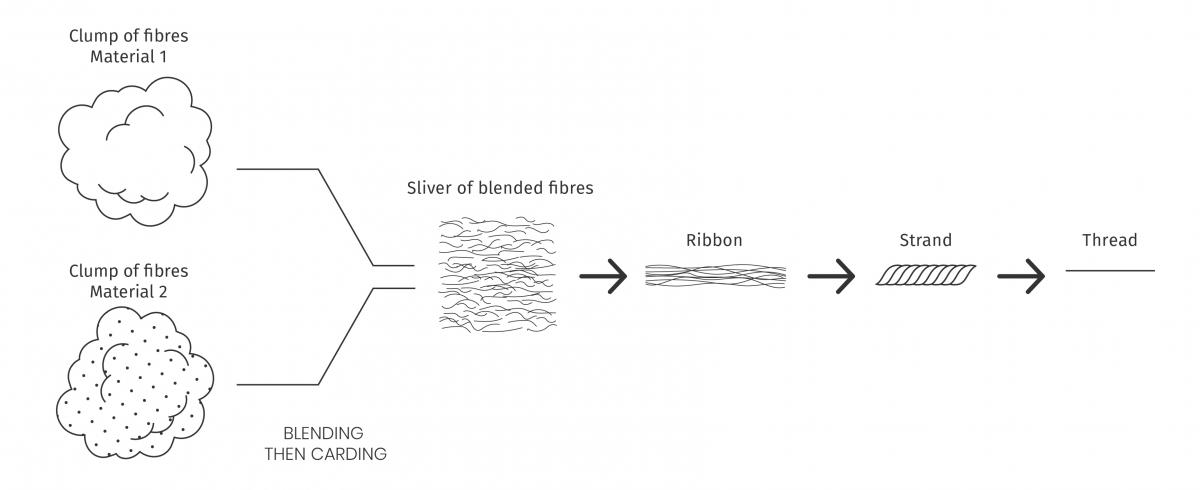
How it works:
- Different fiber types (in clumps or bales) are opened, mixed, and carded to disentangle and align them into a sliver (a loose rope of fibers).
- The mixed sliver is then drawn into a ribbon, roving (strand), and finally spun into yarn.
Because blending happens at the fiber stage, the resulting yarn has consistent properties throughout. This method is ideal for achieving even color, texture, and performance in fabrics like polycotton shirts or wool blends.
2. Thread Assembly Blend Process
A thread assembly blend (also called ply or core-spun blend) combines already-spun yarns of different compositions after the spinning stage.
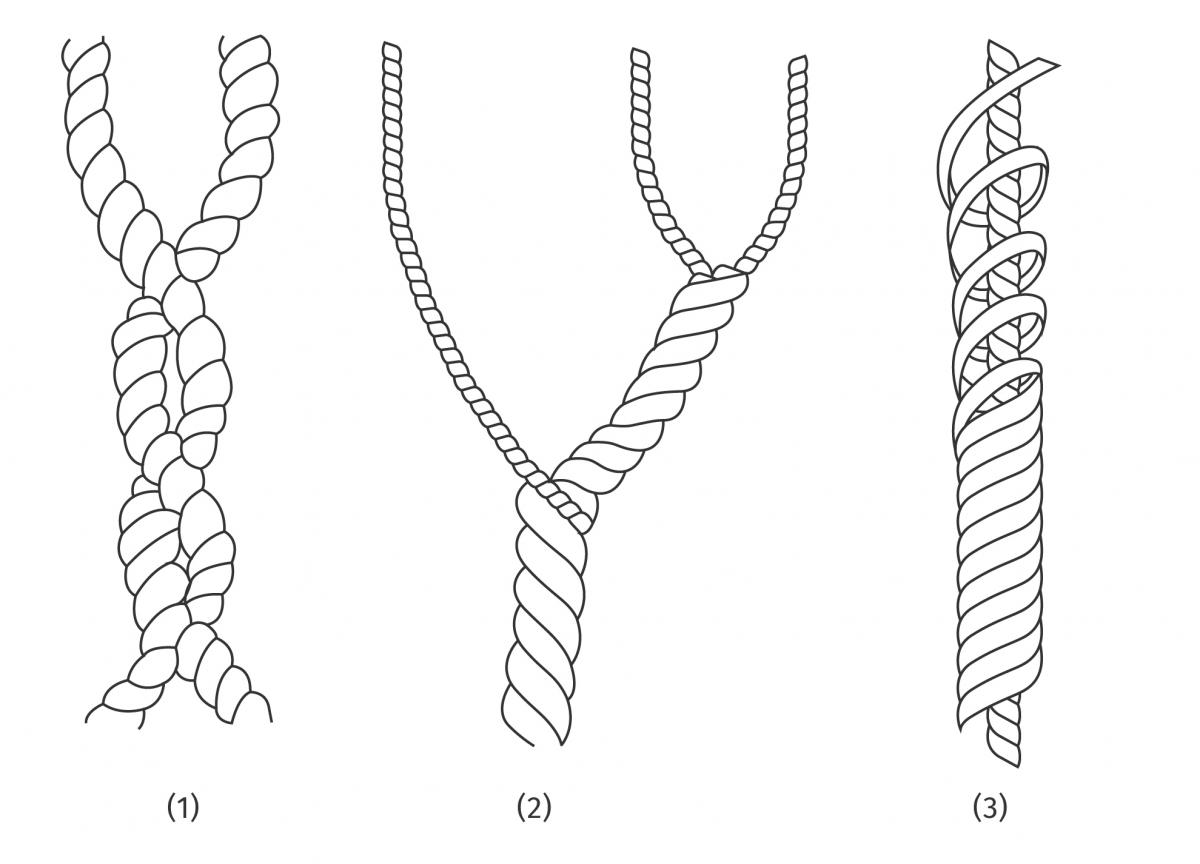
Common techniques:
- Plied threads: Two or more yarns twisted together.
- Cabled threads: Multiple plied yarns twisted again for added strength.
- Covered threads: A core yarn (e.g., elastane) wrapped with a covering yarn (e.g., cotton or nylon) for stretch with a natural feel.
This method offers flexibility — manufacturers can create specialized yarns like stretch core-spun threads for activewear or durable plied yarns for upholstery.
3. Blending in Fabric Structure (Union or Combination Fabrics)
In this approach, the blend occurs at the fabric construction stage rather than in the yarn itself.
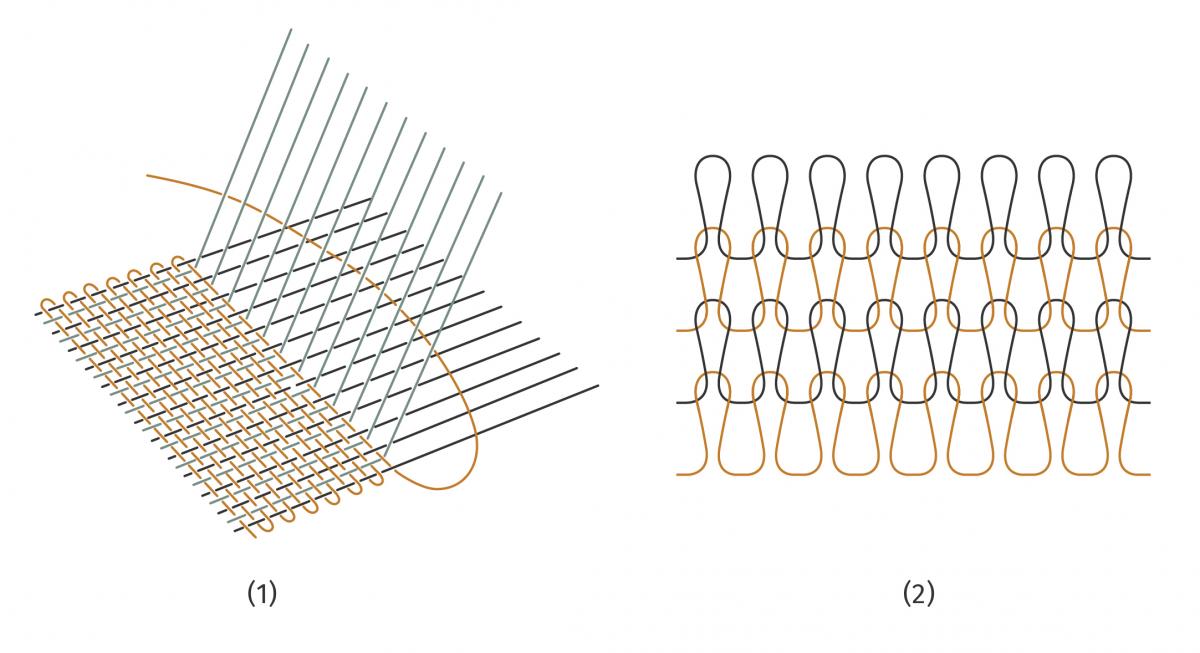
How it works:
- Different yarns are used in the warp and weft during weaving, or in different courses during knitting.
- One direction might use 100% cotton yarn while the other uses polyester, or separate yarns create patterns and functional zones.
This creates “union fabrics” or structured blends, allowing zoned performance (e.g., moisture-wicking areas combined with stretch panels).
Recyclability of Fiber Blends – Challenges & Best Practices
While fiber blends improve performance, they often complicate end-of-life recycling. Mechanical recycling requires separating and sorting materials, which is difficult when fibers are intimately mixed or when multiple components are present.
Key challenges:
- Complex blends with many different materials are harder to sort and process.
- Elastane (spandex) is particularly problematic — even small amounts can gum up machinery, contaminate streams, or reduce recyclability.
Best practices for better recyclability (2026 guidelines):
- Prefer single-component or simple two-fiber blends when possible.
- Limit elastane content: Ideally keep it under 2–5% (many mechanical recyclers accept up to 5%, but above 10–15% the garment may be considered non-recyclable or downcycled into insulation).
- Clearly label composition so sorters and recyclers can identify materials easily.
- Design for disassembly where possible (e.g., using recyclable elastane alternatives or chemical recycling-compatible blends).
Emerging chemical recycling technologies are improving the situation for blends like cotton/polyester, but mechanical recycling remains the most common and cost-effective route today. Choosing simpler blends supports the circular economy and meets growing regulatory pressure for sustainable design.
Advantages and Disadvantages of Fiber Blends
Advantages:
- Superior balance of comfort, durability, and functionality.
- Often easier care (less wrinkling, faster drying, better shape retention).
- Cost savings and wider availability.
- Customizable properties for specific end-uses (sportswear, formal wear, home textiles).
Disadvantages:
- Potential trade-offs in breathability or natural feel compared to 100% natural fibers.
- More complex recycling, especially with elastane or multi-fiber blends.
- Dyeing challenges if fibers have different affinities.
How to Choose the Right Fiber Blend
When selecting or designing with fiber blends, consider:
- End-use requirements (stretch for activewear, wrinkle resistance for shirts, warmth for outerwear).
- Care instructions and consumer expectations.
- Sustainability goals — balance performance with recyclability and certifications (e.g., GRS for recycled content).
- Blend ratio — e.g., 65/35 cotton/polyester is common for everyday wear, while 95/5 cotton/elastane provides subtle stretch.
Conclusion
A fiber blend is a smart textile engineering solution that combines the best qualities of different fibers to create more versatile, comfortable, and practical fabrics. Whether through intimate blend, thread assembly, or fabric structure methods, blending enables innovation across apparel, home goods, and technical textiles.
However, as the industry moves toward circularity, designers and brands must prioritize recyclability — keeping blends simple and limiting elastane content helps ensure materials can have a second life.
By understanding fiber blend processes and making informed choices, manufacturers and consumers can enjoy high-performance textiles while supporting a more sustainable future.
Ready to develop custom blended yarns or fabrics with better recyclability? Contact our team for expert advice on intimate blending, stretch solutions, and circular design strategies.
Frequently Asked Questions (FAQs)
What is the difference between intimate blend and thread assembly blend? Intimate blend mixes fibers before spinning for uniform yarn, while thread assembly combines already-spun yarns (e.g., plied or covered) afterward.
Is a cotton polyester blend recyclable? It depends on the ratio and technology. Mechanical recycling is challenging for intimate blends, but chemical recycling is improving separation. Simpler blends recycle more easily.
How much elastane is acceptable for recycling? Most experts recommend keeping elastane below 5% (ideally 2%) to avoid disrupting mechanical recycling processes.
What are the most common fiber blends? Cotton/polyester, cotton/elastane, wool/polyamide (nylon), and wool/acrylic are among the most widely used.
Can blended fabrics be more sustainable than pure fabrics? Yes — when designed thoughtfully. Blends can extend garment life (reducing replacement frequency) and incorporate recycled fibers, though pure materials are often easier to recycle.