What Is Cotton? A Complete Guide to Cotton Fiber, Types, Properties & Sustainability
Cotton is the world’s most important natural textile fiber — and one of the most extraordinary materials in human history. It clothes billions of people, fills the mattresses and pillowcases they sleep on, cleans their skin, filters their water, and even underpins the paper their currency is printed on. It has shaped economies, sparked revolutions, and driven some of the most significant technological innovations of the industrial age.
Yet despite its familiarity — most people own dozens of cotton products without thinking about it — relatively few understand what cotton actually is, how it grows, what makes different cotton types perform so differently, or why the sustainability of cotton farming has become one of the textile industry’s most important and contested issues.
This complete guide covers everything you need to know about cotton: what it is, where and how it grows, the different types and grades, its key fiber properties, the full range of applications from apparel to industrial textiles, the environmental challenges of conventional cotton, and the growing movement toward organic and sustainable alternatives.
What Is Cotton? Definition and Botanical Origins
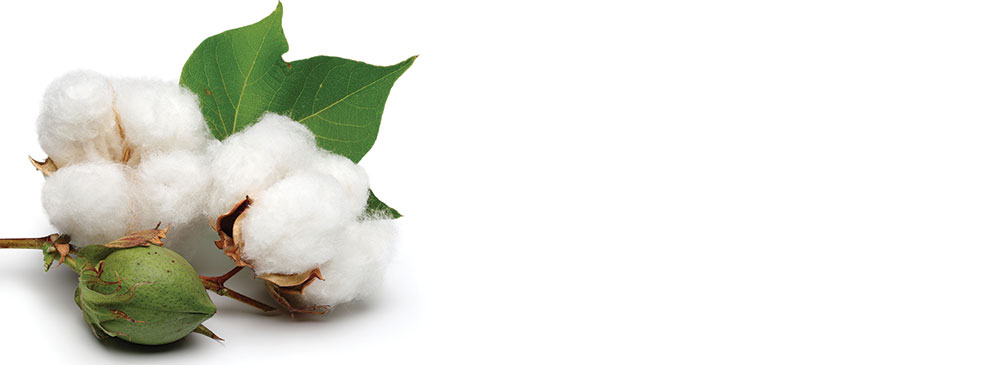
Cotton is a natural cellulosic fiber harvested from the seed pods — called bolls — of plants belonging to the genus Gossypium in the family Malvaceae. The cotton plant is a woody perennial shrub that can grow up to 2 meters tall, but is cultivated as an annual crop for commercial production. It is native to tropical and subtropical regions worldwide and has been domesticated independently across multiple continents.
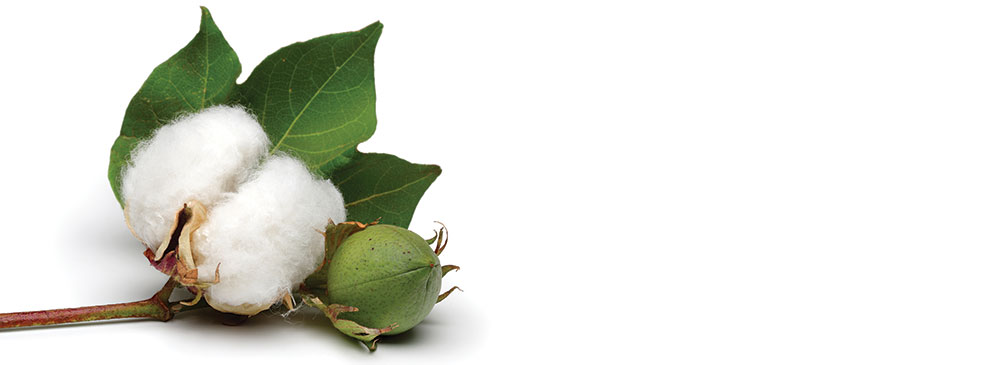
The fiber itself grows around the seeds inside the cotton boll — a protective capsule that develops from the flower of the plant. When the boll matures and splits open, it exposes the fluffy white fiber mass inside, ready for harvesting. Each fiber is a single elongated plant cell — essentially a hollow tube of cellulose that has collapsed flat as the boll dries. This unique flattened-ribbon structure, with its natural twist, is what gives cotton fiber its characteristic properties of softness, absorbency, and spinnability.
Cotton fiber is approximately 90% cellulose — the same structural polymer found in all plant cell walls — making it fully natural, biodegradable, and compostable at end of life.
Cotton is classified as a staple fiber — meaning it consists of individual short strands of varying length, rather than the continuous filaments produced by silkworms or synthetic fiber manufacturing. This staple character is what requires cotton to be spun into yarn before it can be woven or knitted into fabric.
A Brief History of Cotton
Cotton has one of the longest and most consequential histories of any crop or material in human civilization. Archaeological evidence from sites in the Indus Valley (modern Pakistan and India) shows that cotton was being cultivated and spun into textiles as far back as 5,000–6,000 BCE — making it among the oldest textile fibers in human use. Ancient Egypt, China, Peru, and Mexico all developed independent cotton cultivation traditions in antiquity.
By 800 AD, Arab merchants had introduced cotton cultivation and textile-making to Europe. Within a few centuries, cotton cloth was being traded across the known world. The Industrial Revolution of the 18th and 19th centuries transformed cotton from a laboriously hand-processed material into an industrial commodity — with the spinning jenny, the water frame, the spinning mule, and most critically, Eli Whitney’s mechanical cotton gin (1793) enabling mass production at scales previously unimaginable.
The cotton gin’s invention had a profound and deeply troubling historical consequence: by making cotton processing vastly more profitable, it dramatically expanded the demand for enslaved labor on American plantations, entrenching and expanding the system of slavery in the American South for another 70 years. Cotton’s economic importance was literally built on forced human labor — a history that continues to shape discussions of equity and fair trade in the cotton industry today.
By the mid-20th century, the rise of synthetic fibers — polyester, nylon, acrylic — began eroding cotton’s dominance. By the 1970s, cotton accounted for only about one-third of global fiber production. However, growing consumer preference for natural fibers in the 1980s and 1990s drove a recovery, and today cotton accounts for approximately 21–24% of global fiber production — the largest share of any natural fiber, though well behind synthetic fibers overall.
Where Is Cotton Grown? Global Production
Cotton is a subtropical and tropical crop that grows best in warm, sunny climates with well-drained soil, adequate water during the growing season, and dry conditions at harvest time. It requires at least 200 frost-free days per year to complete its growth cycle.
Cotton is grown commercially in more than 80 countries worldwide, but production is highly concentrated. Six countries — China, India, the United States, Brazil, Pakistan, and Australia — together account for approximately 80% of global cotton production. India and China are the two largest producers by volume, followed by the United States, which produces the highest quality upland cotton on a large industrial scale.
The growing conditions in each major producing region impart distinct characteristics to the cotton fiber produced there:
- USA (primarily Texas, California, Georgia): High-quality upland cotton with consistent fiber properties, produced on large mechanized farms with excellent quality control.
- India: The world’s largest cotton-producing country by planted area, producing a wide range of fiber grades from fine long-staple to short-staple commodity grades.
- Egypt (Nile Delta): Famous for producing some of the world’s finest extra-long staple (ELS) cotton — Egyptian cotton — benefiting from the rich alluvial soil and warm, dry climate of the Nile Valley.
- Peru: Producer of Pima (also called Tangüis) extra-long staple cotton, rivaling Egyptian cotton in quality and fineness.
- Australia: Produces high-quality machine-harvested cotton with excellent consistency, benefiting from advanced irrigation management and high mechanization.
Types of Cotton: From Standard to Extra-Long Staple
Not all cotton is created equal. The most important quality differentiator in cotton fiber is the staple length — the average length of the individual cotton fibers. Longer staple cotton produces finer, stronger, smoother yarn, which in turn produces softer, more durable, and more lustrous fabric. Here are the major commercial cotton types:
Cotton Type | Staple Length | Key Origin | Characteristics & Uses |
Upland Cotton (G. hirsutum) | 25–32 mm (Short–Medium) | USA, India, China, Brazil | Accounts for ~90% of world production. Versatile, affordable, good quality. Used in everyday apparel, home textiles, and industrial applications. |
Egyptian Cotton | 35–45 mm (Extra-Long Staple) | Egypt (Nile Delta) | Exceptionally fine, strong, and lustrous fibers. Produces ultra-soft, durable luxury textiles. Used in premium bedding, shirting, and apparel. |
Pima / Supima Cotton | 35–40 mm (Extra-Long Staple) | USA, Peru, Australia | ELS cotton comparable to Egyptian. Supima is the US-certified variety. Exceptionally soft, strong, and pill-resistant. Used in luxury apparel and bedding. |
Sea Island Cotton | 38–44 mm (Extra-Long Staple) | Caribbean islands | Rarest and most prized cotton. Finest diameter fibers of any commercial cotton. Limited production; used only in the most exclusive luxury textiles. |
Asiatic Cotton (G. arboreum / G. herbaceum) | 12–25 mm (Short) | India, Pakistan | Short, coarse fibers. Lower quality and limited use in fine textiles; used in some technical and industrial applications. |

Key Properties of Cotton Fiber
Cotton’s remarkable versatility across so many applications comes from a distinctive combination of physical, chemical, and comfort properties that few other natural or synthetic fibers can fully replicate:
Breathability
Cotton fibers have an open, porous structure that allows air to circulate freely through cotton fabric. This breathability is the primary reason cotton is the dominant fiber for warm-weather clothing, bed linen, and any application where skin comfort and temperature regulation matter. Cotton fabric lets body heat and moisture vapor escape rather than trapping them against the skin.
Absorbency
Cotton is highly absorbent — it can hold up to 27 times its own weight in water. This makes cotton ideal for towels, medical dressings, diapers, and any product where moisture absorption is a functional requirement. The absorbency also makes cotton easy to dye, as dye molecules penetrate the fiber readily. The flip side is that wet cotton loses some strength and takes longer to dry than synthetic alternatives.
Softness
The fine, smooth surface of cotton fiber — particularly long-staple varieties — produces naturally soft fabrics that are comfortable against skin. Cotton softness tends to increase with washing as the fiber relaxes and swells slightly, which is why well-washed cotton sheets and T-shirts often feel considerably softer than new ones. Extra-long staple cotton (Egyptian, Pima) is measurably finer and smoother than standard upland cotton — producing the distinctly luxurious feel of premium cotton textiles.
Strength and Durability
Cotton is a strong natural fiber — stronger when wet than when dry, unlike wool. Well-spun cotton yarns produce durable fabrics that withstand repeated mechanical stress and laundering. Long-staple cotton produces stronger yarn than short-staple at equivalent fineness, because longer fibers create more contact between adjacent fibers in the yarn, increasing cohesion.
Hypoallergenic and Skin-Safe
Cotton is one of the least allergenic fiber materials available. Its natural cellulose composition is chemically inert and non-irritating for most skin types. This makes cotton the material of choice for medical textiles, baby products, and bedding for allergy-sensitive individuals. Certified organic cotton — processed without synthetic chemicals — extends this safety even further by eliminating exposure to pesticide and processing chemical residues.
Biodegradability
As a natural cellulosic fiber, cotton is fully biodegradable. Untreated cotton fabric breaks down readily in soil through microbial composting. This is a meaningful environmental advantage over synthetic fibers — which persist in the environment for centuries as microplastics — particularly for single-use or short-lifespan products like medical dressings, agricultural nets, and hygiene products.
Washability and Heat Tolerance
Cotton withstands high washing temperatures — up to 60°C or even 90°C for white fabrics — making it effective for hygiene-critical applications like medical textiles, towels, and children’s bedding where high-temperature washing is needed to sanitize. It also accepts tumble drying well, though it is prone to shrinkage if washed at very high temperatures without preshrinkage treatment.
Weaknesses of Cotton
Cotton is not without limitations. It wrinkles easily compared to synthetic fibers — one of the primary drivers of cotton-polyester blending for everyday apparel. It can shrink if washed at high temperatures without preshrinking treatment. Its absorbency, while a comfort advantage, means it holds moisture longer than polyester or wool — making it slower to dry and less suitable for high-intensity athletic applications where moisture wicking away from the skin is critical. Cotton also lacks elasticity — it does not stretch and recover naturally the way wool or elastane do.
Property | Rating | Practical Implication |
Breathability | ★★★★★ | Excellent for warm climates, bedding, everyday apparel |
Absorbency | ★★★★★ | Ideal for towels, medical, hygiene — slower drying than synthetics |
Softness | ★★★★☆ | Naturally soft; improves with washing; ELS grades exceptionally soft |
Strength | ★★★★☆ | Durable for most uses; stronger when wet |
Wrinkle Resistance | ★★☆☆☆ | Wrinkles easily — blending with polyester improves this significantly |
Moisture Wicking | ★★★☆☆ | Absorbs moisture but holds it — not ideal for high-performance sport |
UV Resistance | ★★★☆☆ | Moderate — prolonged sun exposure can degrade cotton over time |
Biodegradability | ★★★★★ | Fully biodegradable — returns to soil safely at end of life |
Hypoallergenic | ★★★★★ | Chemically inert, rarely irritating — safe for all skin types |
Color Retention | ★★★★☆ | Accepts dyes readily; reactive dyes produce excellent colorfastness |
What Is Cotton Used For? Applications Across Industries
Every part of the cotton plant has commercial uses — but it is the fiber that dominates. Here is a comprehensive overview of cotton’s major application areas:
Apparel and Fashion
Clothing is by far the largest single use of cotton fiber globally. Cotton’s comfort, breathability, softness, and dyeability make it the dominant fiber in shirts, T-shirts, jeans, underwear, socks, dresses, and outerwear. It can be woven into a remarkably diverse range of fabrics — denim, corduroy, flannel, muslin, jersey, lawn, percale, twill, velvet, and more — each with distinct aesthetics and performance characteristics suited to different garment types and seasonal needs.
Cotton is also widely blended with other fibers to improve specific properties: cotton-polyester blends for wrinkle resistance and durability, cotton-elastane blends for stretch (as in stretch jeans and activewear), and cotton-linen blends for enhanced breathability and a relaxed aesthetic.
Home Textiles
Cotton is the dominant material in most home textile categories. Bedsheets, pillowcases, and duvet covers benefit from cotton’s breathability, softness, and washability. Bath towels rely on cotton’s exceptional absorbency. Kitchen textiles — dishcloths, tea towels, napkins — use cotton for its absorbency and heat tolerance. Upholstery fabrics, curtains, and decorative cushion covers use cotton for its wide range of textures, drape, and colorfastness.
Medical and Hygiene Textiles
Cotton’s hypoallergenic character, high absorbency, and tolerance of high-temperature sterilization make it essential in medical and hygiene applications. Surgical gauze, wound dressings, bandages, cotton balls, and medical swabs are almost universally cotton. Hospital bed linen — sheets, pillowcases, blankets — is predominantly cotton for hygiene and washability reasons. Cotton is also used in the topsheets of diapers and feminine hygiene products, where skin safety is paramount.
Technical and Industrial Applications
Less visible but commercially significant, cotton finds extensive use in technical and industrial applications. Cotton linters — the very short fibers remaining on the seed after ginning — are used to produce high-quality specialty papers including banknote paper and filter paper. Cotton is used in conveyor belts, tarpaulins, book binding fabrics, and filtration media. Medical-grade cotton is used in surgical gowns, drapes, and sterile packaging. Fire-retardant treated cotton is used in protective workwear and military apparel.
Non-Fiber Uses of the Cotton Plant
The cotton plant yields valuable products beyond its fiber. Cottonseed oil — pressed from the seeds after ginning — is a major edible vegetable oil used in cooking, food processing, and as a salad oil. Cottonseed meal and hulls, the byproducts of oil pressing, are used as livestock feed and fertilizer. The stalks and leaves of harvested cotton plants are plowed back into the soil, returning organic matter and improving soil structure.
The Environmental Impact of Conventional Cotton
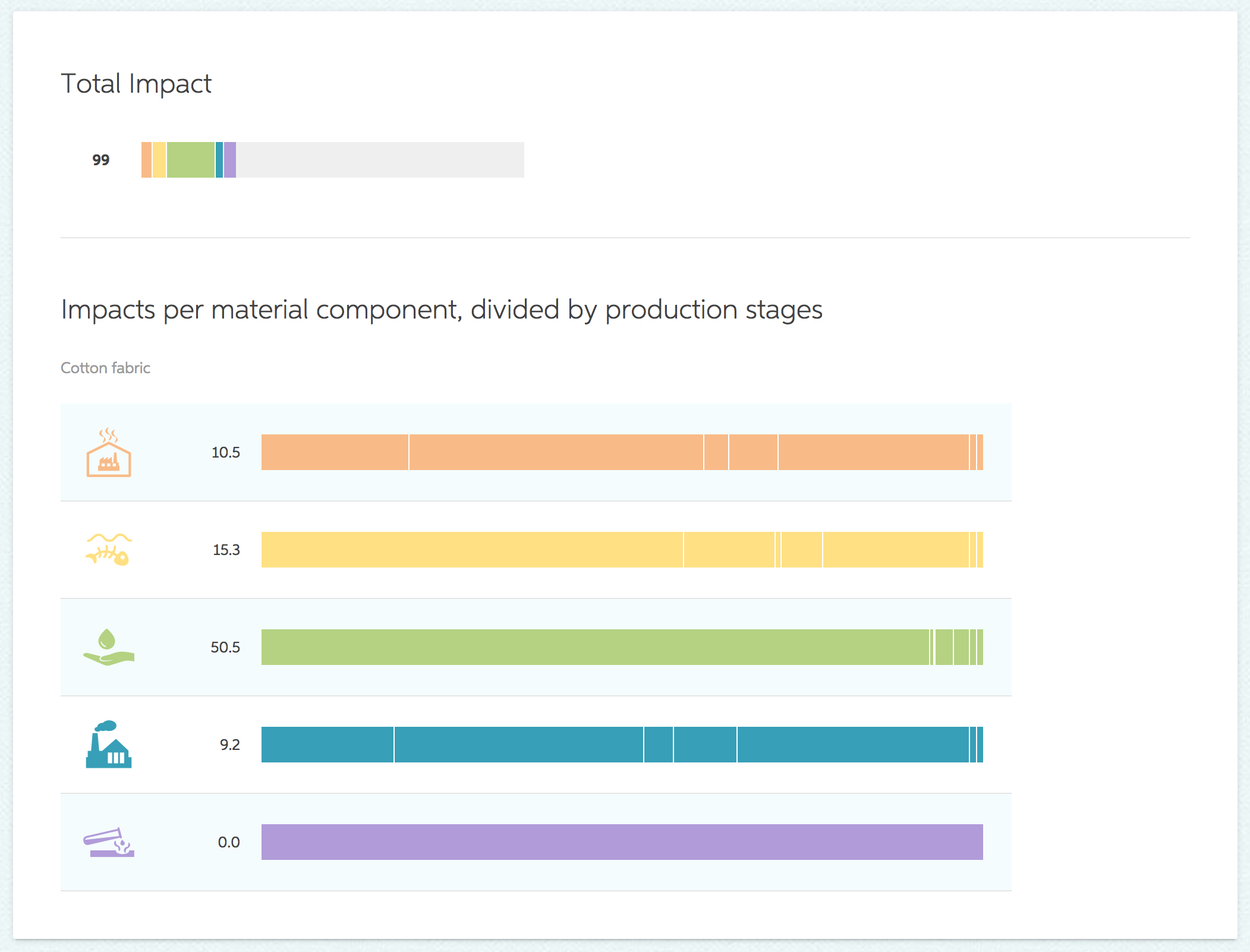
Cotton’s natural credentials — biodegradable, renewable, and skin-safe — give it an important sustainability advantage over synthetic fibers. But conventional cotton farming as practiced on an industrial scale has serious and well-documented environmental costs that must be honestly acknowledged.
Water Consumption
Cotton is one of the most water-intensive crops in agriculture. More than half of global cotton production takes place in regions classified as experiencing high or extreme water stress. Only about 30% of cotton is grown on rainfall alone — the remainder relies on irrigation, often through inefficient flood irrigation systems. The Aral Sea in Central Asia — once the fourth-largest lake in the world — shrank to approximately 10% of its original volume largely due to the diversion of its feeder rivers for cotton irrigation over several decades, in one of the most dramatic environmental disasters of the 20th century.
Pesticide and Chemical Use
Conventional cotton cultivation is among the most chemically intensive forms of agriculture in the world. Cotton accounts for approximately 4% of global pesticide use and 10% of insecticide use, despite occupying only about 2.5% of the world’s arable land. These pesticides and synthetic fertilizers can contaminate local soil and water supplies, harm non-target species including pollinators, and create health risks for farm workers — many of whom are among the world’s poorest agricultural laborers with limited access to protective equipment.
Social and Labor Issues
About 90% of the world’s cotton farmers are smallholders in low-income countries — vulnerable to price volatility, input cost pressures, and exploitative labor practices. Child labor and forced labor in cotton cultivation have been documented in countries including India, Uzbekistan, and Egypt. As a globally traded cash crop subject to commodity price swings, cotton farming can be economically precarious for the rural communities most dependent on it.
Organic Cotton vs. Conventional Cotton
Growing awareness of conventional cotton’s environmental footprint has driven significant growth in organic cotton production and certification. Understanding the genuine differences between organic and conventional cotton helps consumers and buyers make informed choices.
Organic cotton is grown without synthetic pesticides, synthetic fertilizers, or genetically modified seeds — relying instead on natural pest management, crop rotation, and compost-based soil fertility.
Environmental Benefits of Organic Cotton
- Reduced chemical pollution: Eliminating synthetic pesticides and fertilizers dramatically reduces the risk of soil and water contamination — studies show organic cotton reduces water pollution by up to five times compared to conventional production.
- Lower carbon footprint: Organic cotton farming methods build soil organic matter, which stores carbon. Research suggests organic farming stores approximately 2 tonnes more carbon per hectare than conventional farming. One lifecycle analysis found organic cotton has roughly half the global warming potential of conventional cotton.
- Reduced water use: Organic farming methods improve soil structure and water retention, reducing irrigation requirements. An estimated 80% of organic cotton is grown in rainfed areas, compared to the majority of conventional cotton which relies on irrigation.
- Biodiversity protection: By avoiding pesticides and GMO seeds, organic cotton farming preserves local ecosystems, protects pollinators, and maintains natural genetic diversity of plant species.
Limitations and Trade-offs
Organic cotton is not without its own challenges. Organic yields are typically lower than conventional — requiring more land to produce the same volume of fiber, which can offset some of the per-area environmental gains when evaluated on a per-kilogram basis. Organic cotton is also more expensive to produce and typically carries a significant price premium in the market.
It is also important to note that not all ‘sustainable cotton’ claims are equivalent. Several certification programs exist — Organic (GOTS/OCS), Better Cotton Initiative (BCI), Fairtrade, Cotton Made in Africa, and others — each with different standards, scope, and levels of rigor. GOTS (Global Organic Textile Standard) is the most comprehensive, covering both the agricultural production standards and the processing and manufacturing chain.
Dimension | Conventional Cotton | Organic Cotton |
Pesticide use | High — 4% of global pesticide use | None — natural pest management only |
Fertilizers | Synthetic chemical fertilizers | Compost, crop rotation, natural inputs |
GMO seeds | Common in USA, Australia, India | Prohibited under organic certification |
Water use | High — mostly irrigated | Lower — ~80% rainfed; better soil water retention |
Carbon footprint | Higher | ~50% lower global warming potential (lifecycle) |
Yield | Higher per hectare | Lower — requires more land for same output |
Fiber quality | Good — consistent with variety and grade | Often superior — fewer chemical treatments preserve fiber integrity |
Price | Lower — commodity market pricing | Higher — organic premium typically 20–50%+ |
Key certifications | Standard — no specific eco certification | GOTS, OCS (Organic Content Standard), Fairtrade |
Cotton vs. Synthetic Fibers: How Do They Compare?
Cotton’s most important commercial competition comes from synthetic fibers — primarily polyester, which now accounts for more than 50% of all global fiber production. Understanding how cotton compares to synthetics helps explain both its enduring importance and its market position:
- Comfort and breathability: Cotton is significantly more breathable than polyester and most synthetics, making it more comfortable in warm conditions and for skin-contact applications.
- Moisture management: Cotton absorbs moisture; polyester wicks it. For everyday comfort, cotton’s absorption is preferred; for high-intensity sport, polyester’s rapid wicking and quick-drying character is often superior.
- Durability: Polyester is significantly more durable than cotton under repeated mechanical stress and UV exposure, and does not shrink or wrinkle as easily.
- Environmental end-of-life: Cotton is fully biodegradable; polyester is not. Polyester sheds microplastics during washing — cotton does not. However, cotton production has significantly higher water and chemical inputs than polyester production from virgin feedstock.
- Recyclability: Recycled polyester (rPET from bottles) is commercially mature and widely available. Cotton recycling — mechanically shredding used cotton textiles into fiber — is technically possible but produces shorter, weaker fiber than virgin cotton, limiting its applications. Chemical cotton recycling (dissolving and re-spinning) is in early commercial development.
In practice, blending cotton with polyester or other synthetic fibers is the most common commercial solution — combining cotton’s comfort and breathability with polyester’s durability, wrinkle resistance, and dimensional stability. Cotton-polyester blends in ratios from 50/50 to 80/20 (cotton/polyester) dominate the everyday apparel and home textile markets.
The Future of Cotton: Innovation and Sustainability
Cotton’s future is being shaped by three intersecting forces: sustainability pressure, technology innovation, and market competition from improved synthetic and bio-based alternatives.
- Regenerative cotton: Beyond organic, regenerative agriculture practices — cover cropping, minimal tillage, diverse crop rotations, and active soil carbon building — are being piloted in cotton farming to restore degraded agricultural land while producing high-quality fiber.
- Waterless and low-water dyeing: Industrial dyeing of cotton textiles is the most water-intensive step in the cotton textile supply chain — responsible for significant water consumption and wastewater generation. Waterless dyeing technologies (including CO2-based dyeing, digital inkjet printing, and dope-dyed cotton fiber) are reducing this burden significantly.
- Chemical cotton recycling: Companies including Renewlane, Evrnu, and Infinited Fiber are commercializing chemical recycling processes that dissolve used cotton textiles and re-spin them into virgin-quality fiber — enabling a truly circular cotton economy.
- Traceability technology: Blockchain, isotope analysis, and DNA-based fiber authentication technologies are being deployed to verify the origin and sustainability credentials of cotton throughout the supply chain — addressing the widespread problem of fraudulent ‘Egyptian cotton’ or organic cotton labeling.
- Bio-based cotton competitors: Lyocell (Tencel) from wood pulp, hemp fiber, and emerging bio-based synthetics are competing with cotton in sustainability-positioned markets, pushing cotton producers to improve their own environmental performance.
Conclusion: Cotton’s Enduring Importance
Cotton has been central to human civilization for more than five millennia — and remains one of the most important, versatile, and widely used materials on earth today. Its combination of natural comfort, breathability, absorbency, biodegradability, and extraordinary versatility across fabric types and applications is unmatched by any single synthetic alternative.
The environmental challenges of conventional cotton production are real and serious — water stress, chemical pollution, and social equity issues demand ongoing attention and improvement from every actor in the cotton supply chain. But the movement toward organic, regenerative, and sustainably certified cotton, combined with technological innovation in recycling and dyeing, offers a credible path toward a cotton industry that delivers the comfort and performance consumers value while dramatically reducing its environmental footprint.
For textile manufacturers, bedding producers, apparel brands, and fiber suppliers, understanding the full picture of cotton — its types, properties, applications, and sustainability profile — is essential for making informed sourcing decisions and communicating honestly with increasingly informed consumers.