What Is a Bedsheet? The Complete Guide to Bed Sheet Materials, Weaves & Thread Count
You spend roughly eight hours every night in direct contact with your bedsheets—yet most people give them far less thought than other sleep investments like mattresses or pillows. The right bedsheet can mean the difference between sleeping cool or overheating, waking up refreshed or groggy, and enjoying crisp clean softness or scratchy discomfort. The wrong one is simply something you endure until you finally replace it.
Whether you are shopping for your own bedroom, sourcing bedding for a hotel or hospitality business, or manufacturing bedding products, understanding what a bedsheet is — the materials, weave types, thread counts, and construction that define its quality and feel — is the essential starting point.
This complete guide covers everything: the definition and anatomy of a bedsheet; a full breakdown of the most important fabric materials and weave types and what they mean for comfort; the truth about thread count; the difference between flat and fitted sheets; how bedsheets are made; and practical guidance on choosing the right bedsheet for your needs.
What Is a Bedsheet? Definition and Anatomy
A bedsheet is a flat textile used on a bed between the sleeper and the blanket or duvet above. In its simplest form, it is a rectangle of woven fabric sized to fit a standard mattress — typically made without a center seam, using the full width of the loom (called broadloom construction) so the fabric is seamless across its width.
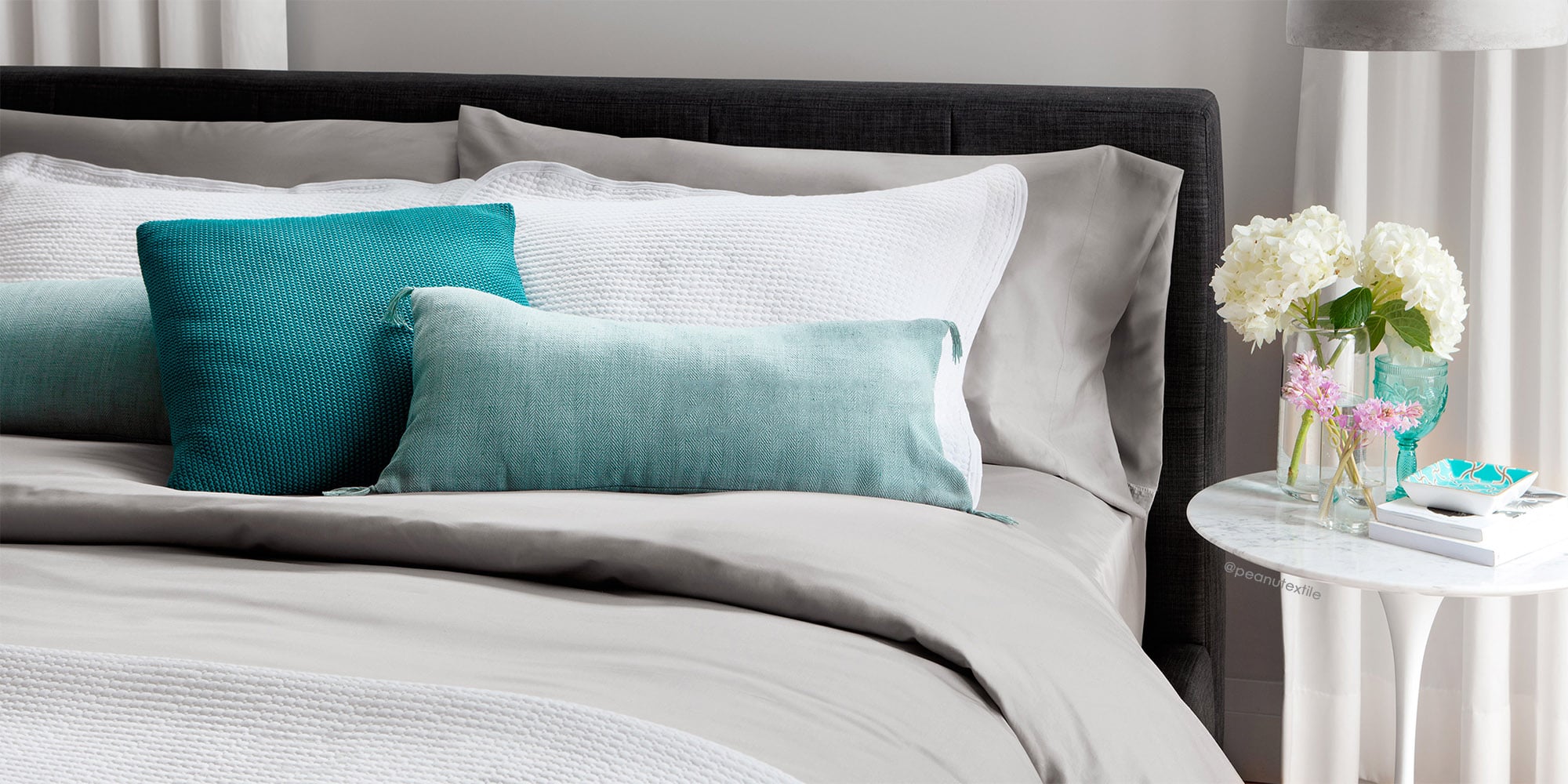
Modern bedsheets are sold as part of a coordinated bed linen set that typically includes the following:
- Fitted sheet: Fitted with elasticated corners that grip the mattress and hold the sheet firmly in place. The fitted sheet is the layer that lies directly on the mattress.
- Flat sheet: A plain rectangular sheet placed on top of the fitted sheet, between the sleeper and the duvet or blanket. The flat sheet adds a lightweight, breathable comfort layer and protects the duvet from direct body contact.
- Pillowcase(s): Fabric covers for pillows, matching the sheet set in color, fabric, and design.
The edges of a bedsheet are finished with hems at the top and bottom. The side edges—called selvages—are the natural finished edges of the woven fabric as it comes off the loom and generally require no additional hemming. A wide decorative hem at the top of the flat sheet—called the turndown—is folded back over the blanket or duvet when the bed is made, serving both a decorative and a practical function.
Bedsheet Fabric Materials: A Complete Comparison
The material from which a bedsheet is woven is the single most important determinant of how it feels against your skin, how it regulates your temperature through the night, how it launders, and how long it lasts. Here is a comprehensive overview of all the major bedsheet fabric materials:
Cotton — The Global Standard
Cotton is by far the most widely used bedsheet material worldwide, and for good reason: it is naturally soft, breathable, absorbent, durable, and washable. Cotton’s cellulose fiber structure allows air to circulate freely through the weave, making it comfortable in both warm and cool climates. It absorbs moisture (perspiration) away from the skin without feeling damp, and it softens further with every wash.
Not all cotton is equal, however. The length of the cotton fiber—called the “staple length”—determines the quality of the yarn and, ultimately, the sheet:
- Standard (Upland) cotton: The most widely grown variety, with a staple length of around 25–32 mm. Produces good, affordable everyday sheets. The majority of cotton bedsheets on the market use upland cotton.
- Pima cotton: An extra-long staple (ELS) cotton grown primarily in the USA, with fibers of 35 mm or longer. Pima cotton produces finer, stronger, softer yarns than standard cotton. Sheets labeled ‘Supima’ use certified 100% American Pima cotton.
- Egyptian cotton: Grown in Egypt’s Nile Delta, Egyptian cotton is another extra-long staple variety (35+ mm). It produces exceptionally fine, strong yarns with a naturally lustrous finish. Genuine Egyptian cotton sheets are among the softest and most durable available — though note that many sheets marketed as ‘Egyptian cotton’ contain only a small percentage of true ELS Egyptian fiber.
- Combed cotton: Standard cotton that has been further processed to remove short fibers and align remaining fibers uniformly, producing a smoother, stronger, softer yarn. Combed cotton sheets are noticeably more refined than uncombed equivalents at the same thread count.
Polyester and Cotton-Polyester Blends
Polyester fiber — either alone or blended with cotton (typically 50/50 or 60/40 cotton/polyester) — is the second most common bedsheet material globally. Pure polyester sheets are inexpensive, highly wrinkle-resistant, quick-drying, and dimensionally stable (they do not shrink). Cotton-polyester blends deliver a practical compromise: the breathability and soft feel of cotton, combined with the wrinkle resistance, durability, and lower cost of polyester.
The main limitation of polyester and high-polyester blends is breathability — polyester is hydrophobic (it does not absorb moisture), which can cause heat and perspiration to build up at the skin surface during sleep. For warm climates or people who sleep hot, pure cotton or linen is generally a more comfortable choice. However, for practicality, ease of care, and budget-conscious bedding, cotton-polyester blends remain enormously popular.
Linen — The Ancient Luxury Fiber
Linen—woven from the fibers of the flax plant—is one of the oldest textile materials in human history and remains among the most premium bedsheet choices available today. Linen’s cellulose fiber structure is highly breathable and moisture-wicking, making it exceptionally cool and comfortable in warm or humid climates. Linen sheets also become progressively softer, more lustrous, and more comfortable with every wash—the opposite of most synthetic materials, which degrade with repeated laundering.
The trade-offs with linen are cost (significantly higher than cotton), initial stiffness (linen feels crisp and slightly rough when new, requiring several washes before it reaches its characteristic softened state), and a naturally wrinkled appearance that some consumers love and others do not. Linen is relatively limited in production — primarily in Belgium, France, Lithuania, and China — which contributes to its premium positioning.
Bamboo-Derived Fibers
Bedsheets marketed as ‘bamboo’ are typically made from bamboo viscose (also called ‘bamboo rayon’) or bamboo lyocell—regenerated cellulosic fibers produced by dissolving bamboo pulp and re-extruding it into fiber form. These fibers are exceptionally soft, with a silky hand feel comparable to luxury cotton, and have natural moisture-wicking and temperature-regulating properties. Bamboo-derived sheets are popular among consumers seeking a soft, cool sleeping experience with a sustainability angle—bamboo is a fast-growing, low-input crop.
However, ‘bamboo’ sheets should be evaluated critically: the chemical processing required to convert bamboo pulp into fiber can be environmentally intensive (particularly for viscose/rayon processes), and the finished fiber bears little chemical resemblance to the original bamboo plant. Bamboo lyocell (processed in a closed-loop solvent system with minimal chemical waste) is the more genuinely sustainable option within the bamboo-derived category.
Microfiber
Microfiber bedsheets are made from extremely fine polyester or polyester-nylon fibers—typically less than one denier in thickness and finer than a strand of silk. The result is a fabric that is exceptionally soft, lightweight, and wrinkle-resistant. Microfiber sheets are among the most affordable bedsheet options and are popular in budget and mid-range hospitality settings. Their limitations are similar to standard polyester—limited breathability compared to natural fibers and a tendency to retain heat—but the ultra-fine fiber produces a considerably softer hand feel than standard polyester.
Flannel
Flannel sheets are woven from cotton or wool fibers that have been napped—mechanically brushed to raise the fiber ends into a soft, fuzzy surface layer. This napped surface traps air close to the skin, providing significant additional warmth compared to a non-flannel sheet of equivalent weight. Flannel sheets are measured in weight (grams per square meter, or GSM) rather than thread count—typical flannel sheets range from 170 to 340 GSM. They are the top choice for cold climates and winter bedding, delivering a warm, cozy sleeping experience distinctly different from crisp cotton or linen.
Silk
Natural silk bedsheets—woven from the protein filament produced by silkworms—are the ultimate luxury bedding material, combining an incomparably smooth and lustrous surface with natural temperature regulation and hypoallergenic properties. Silk’s protein structure is naturally resistant to dust mites and mold, making it an excellent choice for allergy sufferers. The primary limitations of silk are its very high cost, its delicate laundering requirements, and its tendency to degrade with prolonged UV exposure. Synthetic ‘silk-look’ sheets woven from polyester sateen provide a similar visual and tactile effect at a fraction of the cost but without silk’s natural temperature regulation.
Material | Softness | Breathability | Durability | Price | Best For |
Standard Cotton | ★★★☆☆ | ★★★★☆ | ★★★★☆ | $$ | Everyday comfort, all seasons |
Egyptian / Pima | ★★★★★ | ★★★★☆ | ★★★★★ | $$$$ | Luxury feel, long-term investment |
Linen | ★★★★☆ | ★★★★★ | ★★★★★ | $$$ | Hot climates, natural aesthetics |
Polyester | ★★★☆☆ | ★★☆☆☆ | ★★★★★ | $ | Easy care, wrinkle-free, budget |
Cotton-Poly Blend | ★★★☆☆ | ★★★☆☆ | ★★★★☆ | $$ | Practical everyday use |
Bamboo (Lyocell) | ★★★★★ | ★★★★☆ | ★★★★☆ | $$$ | Sensitive skin, eco-conscious |
Microfiber | ★★★★☆ | ★★☆☆☆ | ★★★☆☆ | $ | Budget softness, easy care |
Flannel | ★★★★☆ | ★★☆☆☆ | ★★★☆☆ | $$ | Winter warmth, cold climates |
Silk | ★★★★★ | ★★★★★ | ★★★☆☆ | $$$$$ | Luxury, allergy-prone sleepers |
Bedsheet Weave Types — What They Mean for How Your Sheet Feels
The weave — the way the yarns are interlaced during fabric production — determines the texture, breathability, weight, and sheen of the finished sheet just as much as the fiber material does. Two sheets made from identical cotton fiber at the same thread count can feel completely different depending on their weave.
Percale Weave
Percale is a plain, one-over-one-under weave — the simplest possible interlacing pattern, with each weft (horizontal) thread passing alternately over and under each warp (vertical) thread. The result is a tightly woven, matte-finish fabric with a crisp, cool, smooth feel. Percale sheets are the most breathable of all cotton weave types, making them the top choice for warm sleepers and hot climates. They feel noticeably crisp when new — like a freshly pressed hotel sheet — and soften gradually with washing while retaining their cool, breathable character.
Percale requires a minimum thread count of around 180 to be properly woven. Quality percale is typically found in the 200–400 thread count range—higher thread counts do not significantly improve the feel of percale and can actually reduce breathability.
Sateen Weave
Sateen uses a four-over-one-under weave—four weft threads float over the warp threads before passing under one. This construction places more threads on the surface of the fabric, creating a smooth, lustrous finish with a subtle sheen similar to satin. Sateen sheets feel silkier and softer against the skin than percale, drape more smoothly, and have a slightly heavier, warmer feel—making them popular for cooler climates and consumers who prefer a more luxurious, drapey sheet.
The trade-off with sateen is durability: the long surface floats of the weave are more susceptible to snagging and pilling over time than the tight, balanced percale structure. Sateen sheets also tend to be less breathable than percale, as the denser surface limits air circulation.
Flannel Weave (Brushed)
Flannel is not technically a weave type but a finishing treatment: a plain-woven or twill-woven fabric is mechanically brushed (napped) to raise the short fiber ends on the surface into a soft, fuzzy layer. This napped surface dramatically increases the sheet’s warmth by trapping air close to the skin. Flannel is measured in GSM (grams per square meter) rather than thread count—a higher GSM indicates a heavier, warmer flannel sheet.
Jersey Knit
Jersey bedsheets are made from knitted rather than woven fabric — the same stretchy material used in T-shirts and casual garments. Jersey sheets are soft, stretchy, and casually comfortable, fitting snugly over mattresses of varying depths without needing deep-pocket elastic. They launder easily, require no ironing, and have a relaxed, informal aesthetic. Jersey sheets are not as crisp or as structured as woven sheets, and they tend to pill more quickly, but their comfort and ease of care make them popular for children’s bedrooms and casual household use.
Twill Weave
A twill weave—in which threads pass over two and under one (or other combinations) in a diagonal pattern—produces a distinctive diagonal rib visible on the fabric surface. Twill-woven bedsheets are heavier and more wrinkle-resistant than percale and have a soft, smooth hand feel. Denim is the most familiar twill-woven fabric; in bedsheets, twill produces a soft, substantial sheet with good durability.
Weave | Feel | Breathability | Best Season | Best For |
Percale | Crisp, cool, matte | ★★★★★ | All year / Summer | Hot sleepers, warm climates, hotel feel |
Sateen | Silky, smooth, slight sheen | ★★★☆☆ | Winter / Year-round | Those who prefer a luxurious drape |
Flannel | Soft, warm, fuzzy nap | ★★☆☆☆ | Winter | Cold climates, maximum warmth |
Jersey | Stretchy, casual, T-shirt | ★★★☆☆ | All year | Casual use, children’s rooms |
Twill | Soft, substantial, diagonal | ★★★☆☆ | All year / Winter | Durability + softness balance |
Thread Count Explained — What It Really Means (and What It Doesn’t)
“The higher the thread count, the better the sheet”—this is one of the most persistent myths in bedding. Here is the truth.
Thread count measures the number of threads woven into one square inch of fabric, counting both the warp threads (running lengthwise) and the weft threads (running widthwise). A sheet with 150 warp threads and 150 weft threads per square inch has a thread count of 300.
Thread count is a useful quality indicator within a specific fiber type and weave—but it is frequently misunderstood and widely manipulated in marketing. Here is what the research and industry expertise actually show:
The Ideal Thread Count Range
For standard single-ply cotton percale or sateen sheets, the quality sweet spot is a 200–600 thread count. Within this range, higher thread count generally correlates with a finer, softer feel—because finer yarns are needed to achieve higher thread counts, and finer yarns produce softer fabric. Below 200, sheets tend to feel rough and coarse. Above 600, the improvements in feel become imperceptible to most people, and the higher count is often achieved by counting multi-ply threads individually rather than by using genuinely finer yarn.
The Multi-Ply Thread Count Manipulation
Some manufacturers inflate thread counts by using multi-ply (two-strand or three-strand) yarn and counting each individual strand as a separate thread. A sheet made from two-ply yarn with 300 threads per square inch could be labeled as 600 thread count by counting both strands of each yarn, but it will not feel twice as soft as a genuine 300 thread count single-ply sheet. This is why sheets with thread counts above 600–800 should be viewed with healthy skepticism.
Thread Count Is Not the Only Quality Indicator
A 400-thread-count sheet made from genuine long-staple Egyptian cotton will feel dramatically softer and more luxurious than a 600-thread-count sheet made from short-staple standard cotton—because fiber quality determines the potential quality of the yarn, and yarn quality determines the feel of the fabric. Thread count is only meaningful when compared within the same fiber type and weave. Across different fiber types, it is largely irrelevant.
Flannel and microfiber sheets do not use thread count at all—flannel is rated by GSM (weight) and microfiber by fiber fineness in denier. Comparing a 400-thread-count cotton sheet with a 250-GSM flannel sheet on thread count alone is meaningless.
Quick Thread Count Reference Guide
Thread Count | Quality Tier | What to Expect |
Below 200 | Entry-level / Budget | Rough feel; suitable for utility use. May soften slightly with washing. |
200–400 | Good–Very Good | The most practical quality range. Soft, durable, and breathable for everyday use. Optimal for percale. |
400–600 | Very Good–Excellent | Fine, soft sheets from quality cotton. Sateen weaves feel particularly luxurious in this range. |
600–800 | Premium | Genuinely fine if single-ply and quality fiber. Verify single-ply construction before purchasing. |
800+ | Treat with caution | Often multiply inflated counts. Feel may not exceed 600 TC quality. Verify fiber and construction independently. |

How Bedsheets Are Made: The Manufacturing Process
Understanding how bedsheets are made gives useful context for evaluating quality claims and understanding why sheets from different producers feel and perform differently at similar price points.
From Fiber to Yarn
If starting from raw cotton, bales of cotton fiber are cleaned to remove debris, blended for consistency, and carded—passed through cylinders with fine teeth that align the fibers and continue removing impurities. The carded fibers are then drawn and twisted into a roving (a loose rope of aligned fiber), which is spun on ring spinners into yarn. Combed cotton undergoes an additional combing step before spinning to remove short fibers, producing a finer, smoother yarn. The finished yarn is wound onto bobbins for warping.
Warping and Sizing
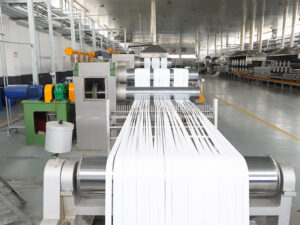
The warp yarns — the lengthwise threads that run the full length of the fabric — are wound onto a large beam that will fit the loom. A typical bedsheet width requires 2,000–5,000 individual warp ends, loaded in sections from multiple spools. Before weaving, the warp yarns are coated with sizing — a starch or polymer solution that protects the yarn and makes it easier to weave without breakage on the high-speed loom.
Weaving
Weaving is performed on high-speed automatic looms — typically air-jet looms that use a jet of air to propel the weft (crosswise) thread across the warp at up to 500 insertions per minute. Modern air-jet looms produce approximately 9–10 meters of sheeting per hour. The fabric as it comes off the loom is called “greige goods”—an unfinished, off-white fabric that requires further processing.
Finishing: Bleaching, Dyeing, and Treating
Greige goods undergo a sequence of finishing processes: singeing (burning off surface fiber ends for a smooth surface), scouring (washing to remove sizing, oils, and impurities), bleaching (with hydrogen peroxide or chlorine bleach to remove the natural gray/brown color of cotton and achieve a clean white base), dyeing (applying color using reactive or disperse dyes in large vats), and resin treatment (applying a wrinkle-resistant finish and shrinkage control). The finished fabric is then dried, rolled, and prepared for cutting and sewing.
Cutting and Sewing
Automatic cutting equipment pulls fabric off rolls and cuts it to the standard sheet dimensions for each size. Flat sheets receive hemmed edges at the top and bottom; fitted sheets are cut with corner panels that are sewn into a pocket shape, with elasticated hems that grip the mattress corners. Pillowcases are cut and sewn with an envelope or zip closure. Finished sheets are folded — either by hand or by automated folding machinery — and packaged for retail or wholesale shipment.
Flat Sheet vs. Fitted Sheet: What Is the Difference?
The two primary sheet types serve different functions in the bed, and understanding this distinction helps when assembling a bed linen set:
- Fitted sheet: Has elasticated corners (and sometimes fully elasticated edges for deep-pocket versions) that stretch over and grip the mattress. The fitted sheet lies directly on the mattress and stays in place through the night. Fitted sheets are sized not only by mattress length and width but also by mattress depth — standard pocket depth is typically 30 cm, while deep-pocket fitted sheets accommodate mattresses up to 40–50 cm deep, including those with thick mattress toppers.
- Flat sheet: A plain rectangular sheet placed on top of the fitted sheet, between the sleeper and the duvet or blanket. The flat sheet adds a breathable comfort layer, protects the duvet from direct skin contact (reducing washing frequency), and — when tucked under the mattress at the bottom corners — contributes to the neat, tailored appearance of a made bed. In many Asian and Northern European households, the flat sheet is used without a top duvet, particularly in warm climates where a light layer is sufficient.
How to Choose the Right Bedsheet: A Practical Buying Guide
With so many options available, choosing the right bedsheet comes down to answering a few key questions honestly:
- Do you sleep hot or cold? Hot sleepers should prioritize breathability—percale-weave cotton or linen are the top choices. Cold sleepers who want warmth will prefer sateen-weave cotton, flannel, or jersey.
- What is your climate? Humid or warm climates call for linen or percale cotton—both wick moisture and allow maximum air circulation. Dry, cold climates suit flannel, sateen, or blended fabrics.
- Do you have sensitive skin or allergies? Natural fibers—cotton, linen, and silk—are generally less irritating than synthetics. Look for Oeko-Tex Standard 100 certified sheets, which confirm the absence of harmful chemical residues.
- How important is ease of care? If ironing is not in your routine, cotton-polyester blends or microfiber are significantly more wrinkle-resistant than pure cotton or linen. Linen wrinkles naturally, but many people find this aesthetic appealing.
- What is your budget? Entry-level: microfiber or cotton-poly blend (200–300 TC). Mid-range: combed percale cotton (300–400 TC). Premium: long-staple Egyptian or Pima cotton sateen (400–600 TC) or linen. Luxury: silk or certified organic linen.
- What mattress depth do you have? Measure your mattress depth—including any topper—before purchasing a fitted sheet. A sheet with insufficient pocket depth will pull off the corners during sleep, defeating its purpose entirely.
Caring for Your Bedsheets: Making Them Last
Even the highest quality bedsheets will deteriorate prematurely with poor care. A few simple practices significantly extend sheet life:
- Wash at the right temperature: Cotton and linen sheets can typically be washed at 60°C to kill dust mites and bacteria. Polyester blends and delicate fabrics should be washed at 30–40°C to prevent shrinkage and fiber degradation.
- Rotate multiple sets: Sleeping on the same sheets every night puts continuous wear on the fabric. Having at least two sets to rotate means each set washes and rests alternately, roughly doubling its service life.
- Avoid over-drying: Heat from a tumble dryer is the primary cause of cotton sheet degradation over time. Remove sheets slightly damp and allow them to finish drying on a line where possible.
- Wash before first use: New sheets — particularly cotton — should be washed before first use to remove sizing chemicals applied during manufacturing and to begin the softening process.
- Store clean and dry: Store clean sheets in a cool, dry, dark environment. Avoid storing in plastic bags, which can trap moisture and promote mildew.
The Role of Fiber Quality in Bedsheet Manufacturing
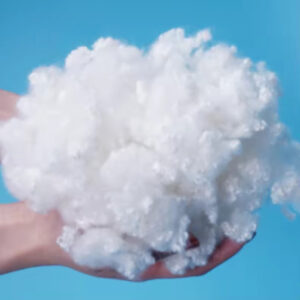
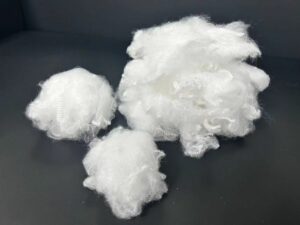
For bedsheet manufacturers and fabric suppliers, the quality of the input fiber is the foundation of everything that follows. The staple length, cleanliness, fiber maturity, and consistency of the cotton fiber going into the spinning process determine the quality of the yarn—and the yarn quality determines the fineness, strength, and feel of the finished sheet at any given thread count.
Shorter staple fibers produce more fiber ends protruding from the yarn surface, creating a rougher texture, greater pilling tendency, and weaker yarn than longer staple fibers of equivalent fineness. This is why long-staple Egyptian and Pima cotton sheets consistently outperform sheets of the same thread count made from standard short-staple upland cotton.
For synthetic and blended sheets, the denier and crimp of the polyester or microfiber used in blending determines the fabric’s softness and surface character. Ultra-fine denier polyester (microfiber) produces dramatically softer blended sheets than coarser fiber at equivalent thread counts—a factor that separates quality microfiber blended sheets from budget alternatives.
Conclusion: The Right Bedsheet Is One of Your Best Sleep Investments
A bedsheet is simultaneously one of the simplest and most carefully engineered products in your home. Its fiber, weave, thread count, and construction all interact to determine whether you sleep cool or warm; wake up refreshed or tangled; and whether your sheets still feel good after three years of regular washing—or need replacing after six months.
The key takeaways from this guide: choose your fabric based on your climate and sleep temperature, not your budget alone; understand that thread count is only meaningful within the same fiber type; prioritize fiber quality (long-staple cotton, genuine linen, quality bamboo lyocell) over inflated thread count claims; and care for your sheets properly to protect your investment.
For bedding manufacturers, fabric mills, and hospitality buyers, the same principles apply at an industrial scale: the right fiber specification—staple length, fiber grade, and yarn quality—is the foundation of a great sheet, and no thread count or finishing treatment can substitute for quality at the fiber level.