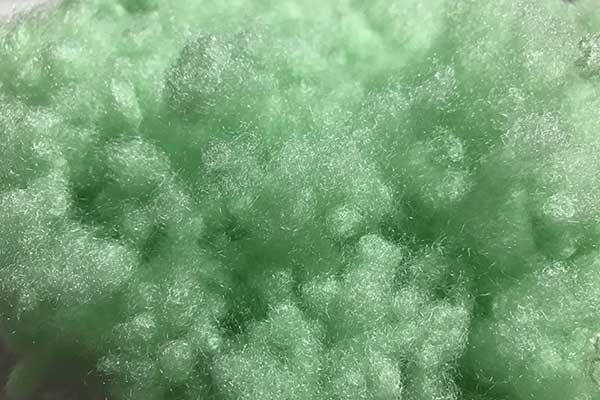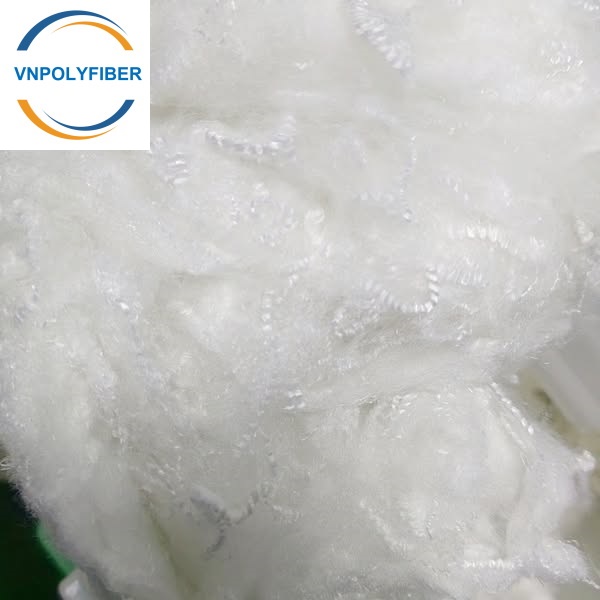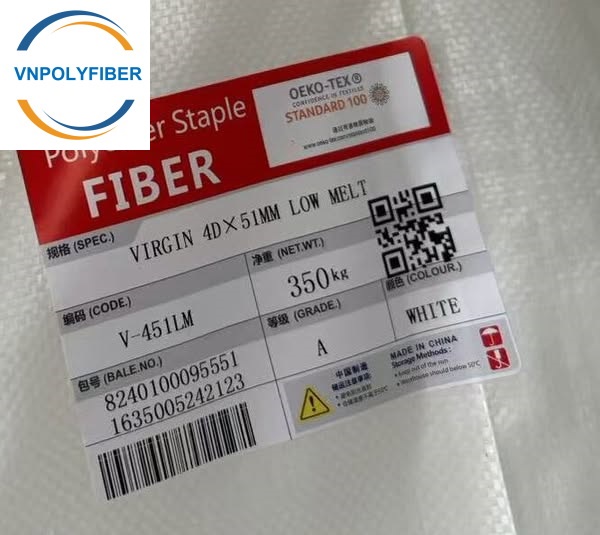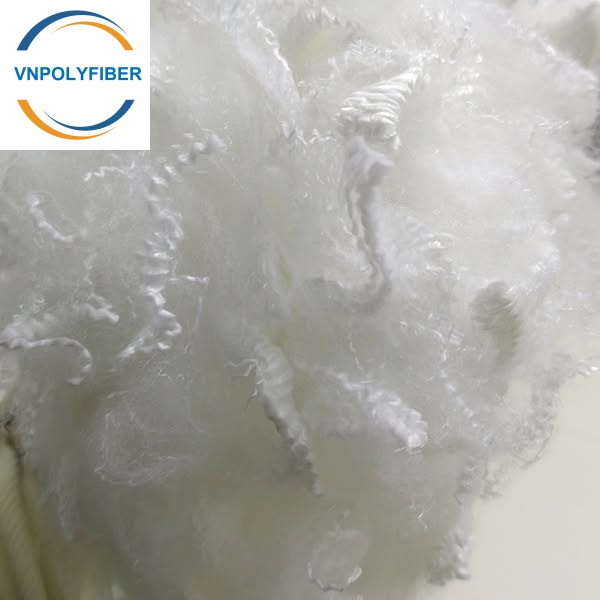
Virgin Polyester Fiber, Virgin HCS
- Virgin polyester remains essential for applications requiring consistent, high-performance fibers.
- Virgin polyester generally offers consistent quality and performance.
- Virgin polyester is often more cost-effective due to its established production infrastructure.
PRODUCT DETAIL
What is Virgin Polyester Fiber
Virgin polyester fiber, as the name suggests, is produced directly from petrochemical feedstocks, primarily purified terephthalic acid (PTA) and monoethylene glycol (MEG). Unlike recycled polyester, which is derived from post-consumer or post-industrial waste, virgin polyester is created from entirely new raw materials. This distinction is crucial because it directly influences the fiber’s purity, consistency, and performance characteristics.
How to produce virgin polyester fiber
The journey of virgin polyester fiber begins with the polymerization of PTA and MEG, resulting in polyethylene terephthalate (PET) chips. These chips are then melted and extruded through spinnerets, forming continuous filaments. The diameter and shape of the spinneret holes determine the fiber’s denier (thickness) and cross-sectional shape. After extrusion, the filaments are stretched or drawn to align the polymer chains, significantly increasing their strength and durability. Depending on the desired end product, the fibers may be crimped (to add bulk and resilience), cut into staple fibers (short lengths), or texturized (to create unique surface effects).
Key Properties of Virgin Polyester Fiber
- Strength and Durability: Polyester is renowned for its exceptional tensile strength and resistance to abrasion, making it ideal for applications requiring long-lasting performance.
- Resilience and Wrinkle Resistance: Polyester fibers spring back into shape after being stretched or compressed, minimizing wrinkles and maintaining a smooth appearance.
- Low Moisture Absorption: Polyester is hydrophobic, meaning it repels water. This property makes it quick-drying and resistant to mildew and mold.
- Dimensional Stability: Polyester fabrics maintain their shape and size even after repeated washing and drying, preventing shrinkage and distortion.
- Versatility: Polyester can be engineered to mimic the properties of natural fibers like cotton, wool, and silk, offering a wide range of textures and aesthetics.
- Affordability: Compared to many natural and specialty fibers, virgin polyester is relatively inexpensive to produce, making it a cost-effective option for various applications.
- Colorfastness: Polyester fibers readily accept dyes and exhibit excellent color retention, ensuring vibrant and long-lasting colors.
Applications of Virgin Polyester Fiber
The versatility of virgin polyester fiber has led to its widespread adoption across numerous industries:
- Apparel: From sportswear and outerwear to everyday clothing and fashion garments, polyester offers a blend of comfort, durability, and style.
- Home Textiles: Bedding, upholstery, carpets, curtains, and other home furnishings benefit from polyester’s resilience, wrinkle resistance, and easy care properties.
- Industrial Textiles: Polyester is used in geotextiles, filtration media, ropes, and other industrial applications where strength, durability, and chemical resistance are essential.
- Automotive Textiles: Car interiors, including seat covers, carpets, and headliners, rely on polyester’s durability, colorfastness, and resistance to fading.
- Nonwoven Fabrics: Polyester is a key component in nonwoven fabrics used for medical textiles, hygiene products, and filtration applications.
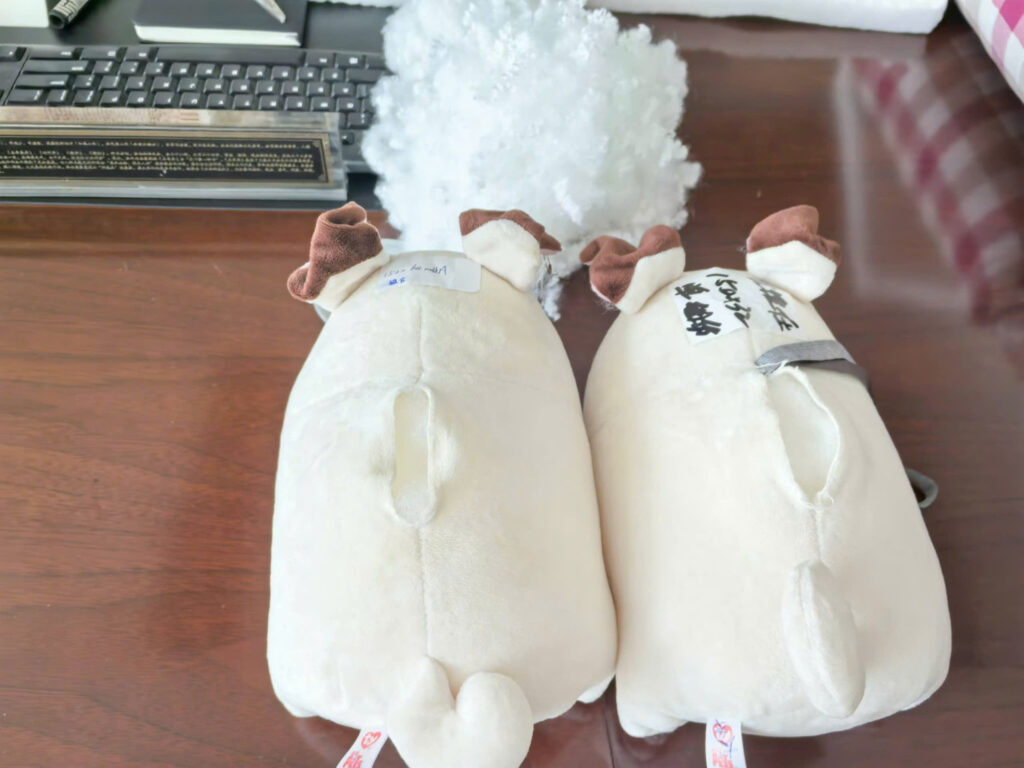
- Filling Materials: HCS(Hollow Conjugated Siliconized) polyester fibers are widely used as filling in pillows, and other stuffed goods.
Advantages of Virgin Polyester Fiber
- Consistent Quality: Virgin polyester offers consistent quality and performance, ensuring uniformity in finished products.
- High Purity: Produced from new raw materials, virgin polyester is free from contaminants and impurities.
- Tailored Properties: The manufacturing process allows for precise control over fiber properties, enabling customization for specific applications.
- Reliable Supply Chain: The established infrastructure for producing virgin polyester ensures a reliable and consistent supply.
Sustainability of Virgin Polyester Fiber
While virgin polyester offers numerous advantages, it’s essential to acknowledge its environmental impact. The production of virgin polyester relies on petrochemicals, a non-renewable resource. However, advancements in manufacturing processes and recycling technologies are mitigating these concerns.
Furthermore, blending virgin polyester with recycled polyester, or other sustainable fibers, creates more environmentally friendly products.
Outlook of Virgin Polyester Fiber
Virgin polyester fiber will continue to play a vital role in the textile industry. Ongoing research and development focus on improving its sustainability, exploring bio-based feedstocks, and enhancing its recyclability.
In conclusion, virgin polyester fiber remains a versatile and indispensable material, offering a unique combination of performance, affordability, and adaptability. Understanding its properties, manufacturing, and applications provides valuable insights into its enduring significance in the modern world.
Technical Parameter
| Product type | Recycled Polyester Staple Fiber |
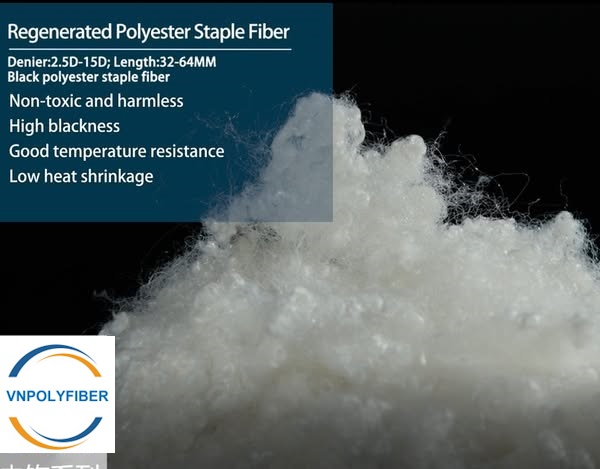
| Fineness | 7D / 15D |
| Cut length | 32mm / 51mm / 64mm |
| Luster | semi dull |
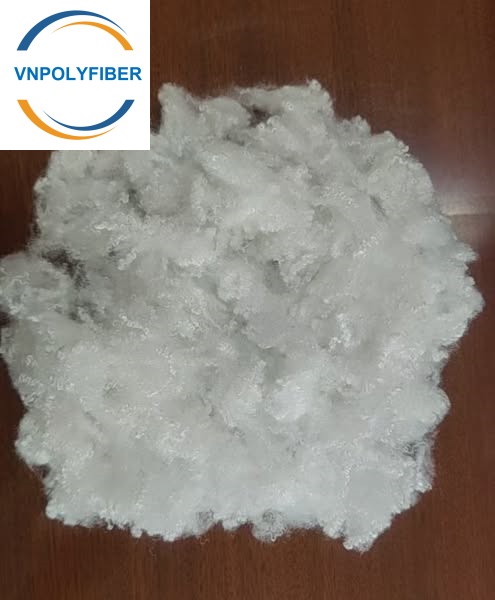
| COLOR | Raw white |
| Pattern | Hollow Siliconized & Hollow Non-Siliconized |
| Raw Material | 100% PET flakes |
| Grade | Recycled, AAA grade |
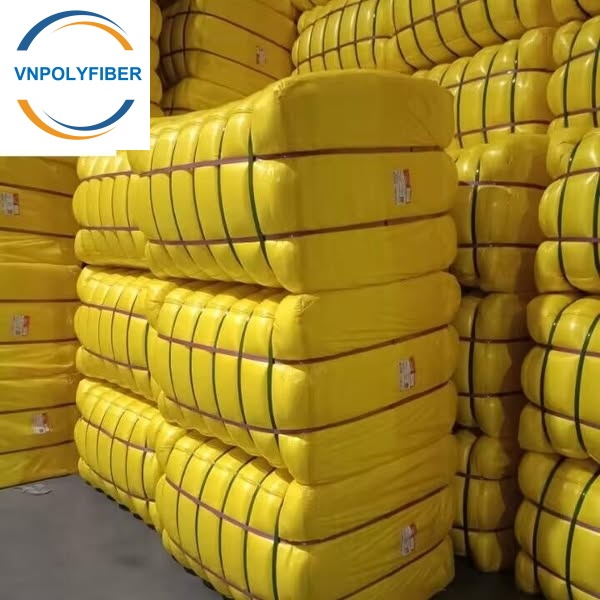
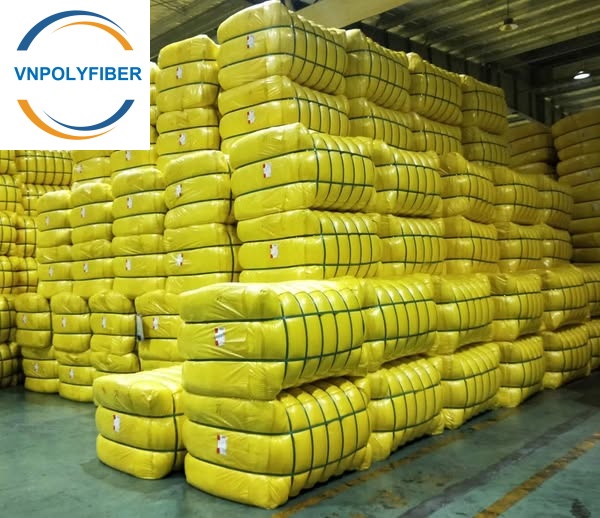
| Packing details | 250kg-350kg/PP woven bag/bale |
| Delivery time | 5-20days after 30% deposit |
| Payment Term | TT30/70; L/C at sight |
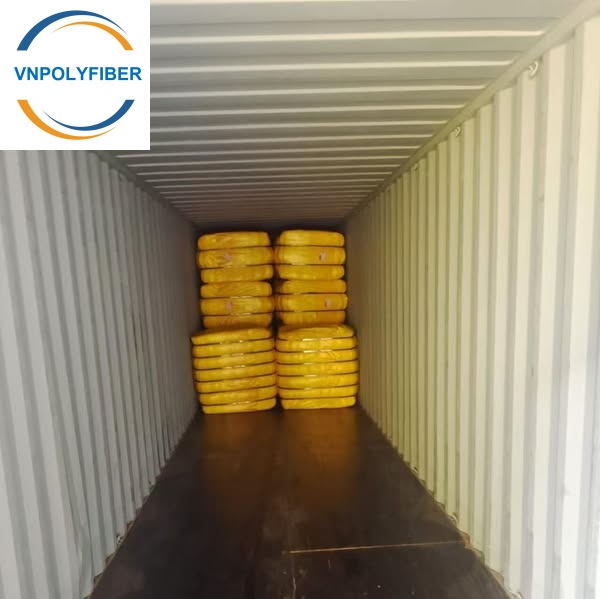
| MOQ | 1x40HQ; 22 – 23 tons/container |
| Quality | First quality |
Specifications of Polyester Staple Fiber Viet Nam
Denier Size: 3D, 6D, 7D, 10D, 15D
Cut length: 32mm, 51mm, 64mm, 76mm,
Feel: siliconised or non siliconised soft as well as harsh feel
Tensile strength: 3.5 to 4.5 gm/Denier
Elongation: 40 to 60%
Oil Pickup: minimum 0.20% to 0.35%
Crimps: 3 to 5 per cm
Shades: All shades available
Color Fastness: 4+
Quality: Hollow Conjugate Siliconised Fiber, Hollow Non-Conjugate Siliconised Fiber, Solid Fiber Siliconised/non Siliconised
Application: Cushions – Pillows – Quilts – Toys – Jacket – Mattress – Non woven carpet – Automotive felts, speaker felts, geo textiles, polyfill wadding, filter fabrics and other acoustics as well.
FAQ
1. What do you offer?
We supply a comprehensive range of fibers, including recycled hollow conjugated (both siliconized and non-siliconized) polyester staple fiber, hollow fiber, microfiber, virgin polyester staple fiber, and low-melt fiber.
2. What is it used for?
Our fibers are versatile and widely utilized across both the filling and non-woven industries, providing essential loft, durability, and texture for various consumer and industrial applications.
3. Are you a factory or a trading company?
We are primarily a manufacturer specializing in polyester staple fiber with years of industry expertise. To better serve our clients, we also operate a dedicated trading division that allows us to act as a one-stop solution provider.
In addition to our own fiber production, we source high-quality textile components (such as yarn and low-melt fibers) and finished goods (including foam, pillows, cushions, toys, and down/feather products) to ensure our customers have access to a comprehensive supply chain.
4. Where is your factory location?
To maintain a robust and flexible global supply chain, our manufacturing facilities are strategically located throughout Asia, specifically in Vietnam, China, Malaysia, Thailand, and Indonesia. If you would like to visit one of our sites, please contact your sales representative, and we will be happy to arrange transportation for you.
5. Can you accept free sample?
Yes, we provide free hand samples for quantities under 1 kilogram. Once a price is confirmed, we can prepare and dispatch your sample within 2–3 business days. Please note that while the sample is free, the freight costs are the responsibility of the client.
6. Can you provide ODM service?
Absolutely. We specialize in ODM (Original Design Manufacturing). This means we can customize the material composition, dimensions, quantity, packaging, and branding to meet your specific requirements. Your logo and unique specifications will be integrated into the final product.
7. How about your quality? What’s the minimum order Quantity (MOQ)?
We invite you to place a trial order to experience our quality firsthand. Our standard MOQ is 23,000 kilograms per order.
Regarding pricing, we maintain a no-bargain policy. We believe in transparency and efficiency, so we provide our most competitive offer upfront to save you time and ensure a straightforward procurement process.
8. Can I mix different items in one order?
Yes, for your convenience, we allow for a maximum of two different items to be mixed within a single container.
9. How can you guarantee the product quality?
Quality is the cornerstone of our business. We employ an experienced QC team that monitors every stage of production, from raw material inspection to the final manufacturing process. We utilize a range of advanced testing instruments to ensure our fibers meet strict industry standards.
Our business philosophy is simple: We aim to serve one customer 1,000 times, rather than 1,000 customers once. We prioritize long-term partnerships built on consistent excellence.
10. What’s the payment terms?
L/C at sight, 30% TT in advance are mostly accepted; other terms shall be negotiable by both sides
For more information, please feel free to contact :
Tony Tan
Mobile number: +84 90 466 5251 (Whatsapp/Wechat/Viber/Signal)