
Siliconized Polyester Filling: What It Is, How It Works & Why It Matters
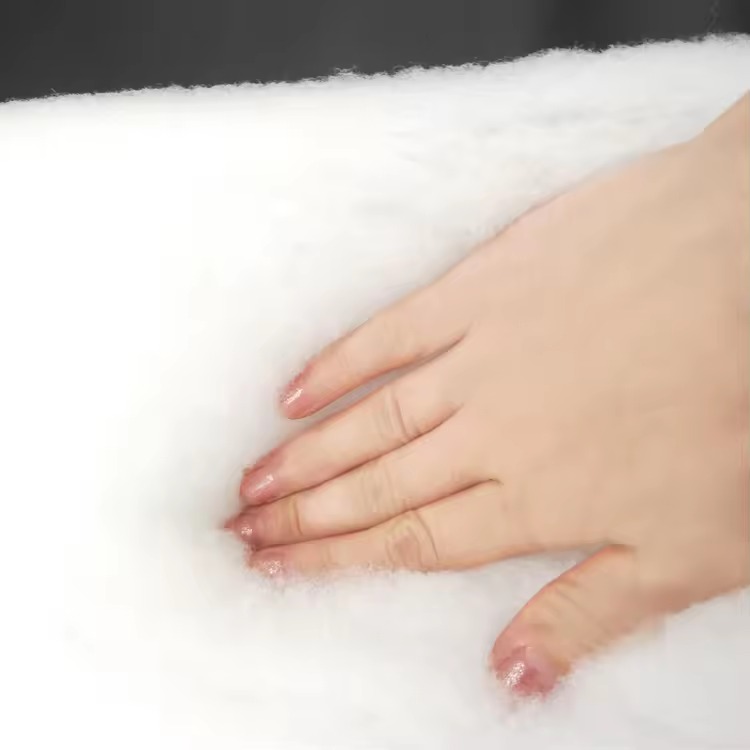
Superior Loft & Warmth: The hollow core traps air, providing better insulation and recovery than solid fibers.
Easy Processing: Designed for smooth carding and excellent bonding with low-melt fibers.
Wide Application: Ideal for fiberfill, filtration, padding, wadding, and insulation
PRODUCT DETAIL
What is siliconized polyester filling?
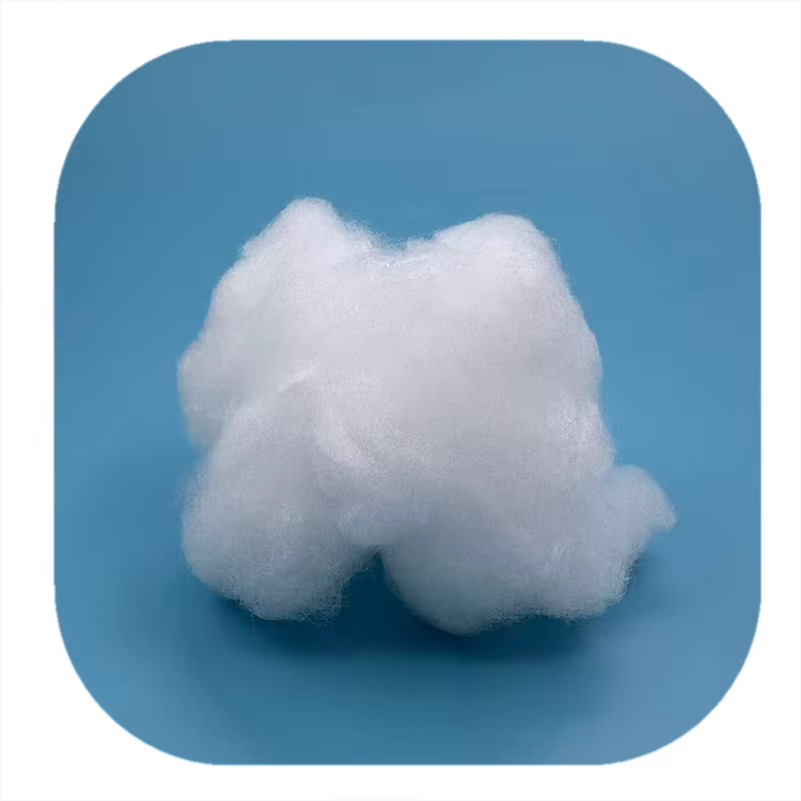
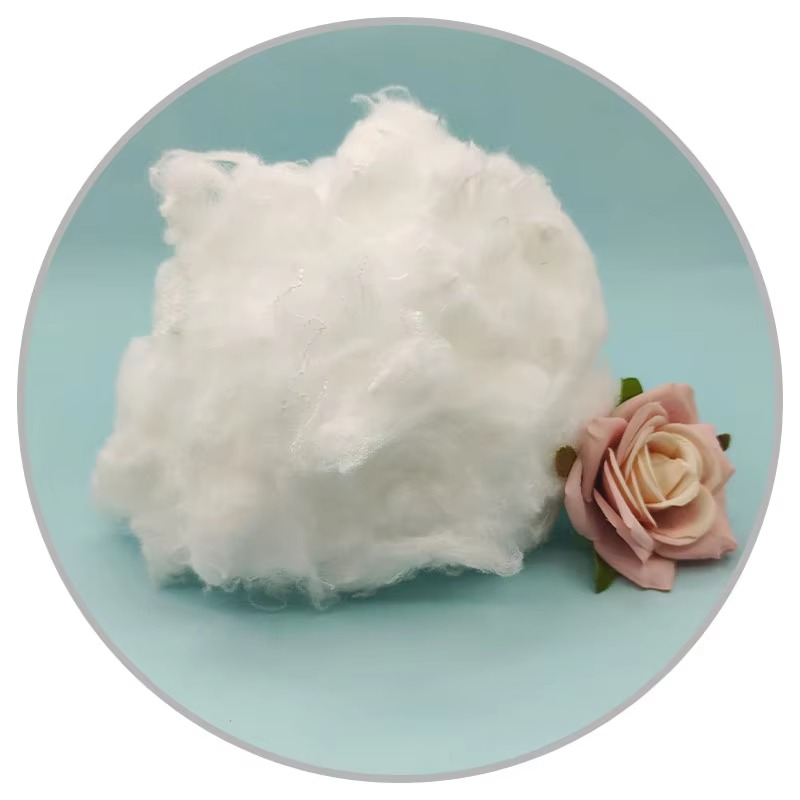
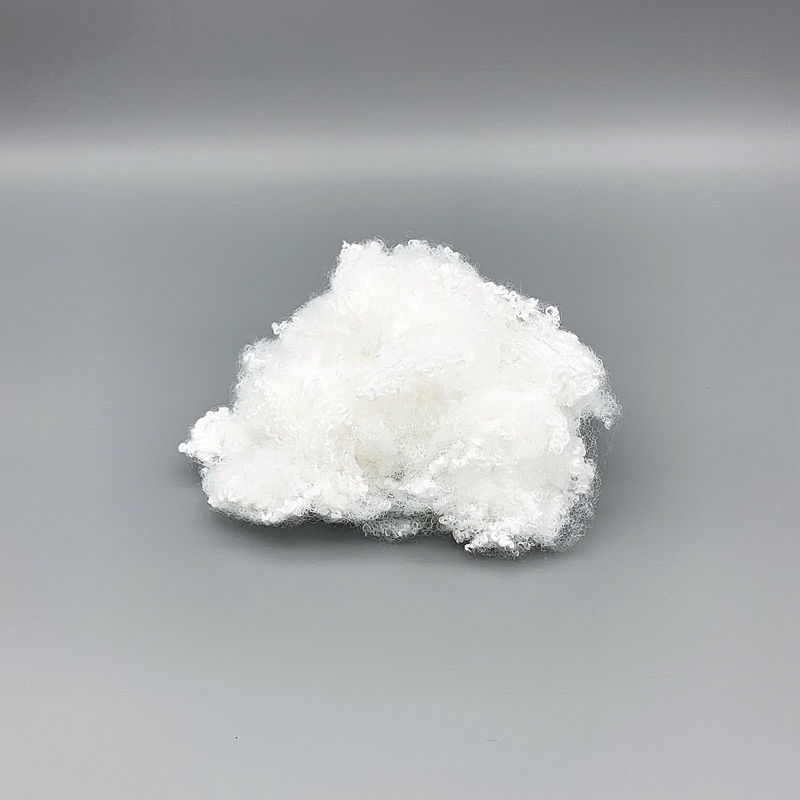
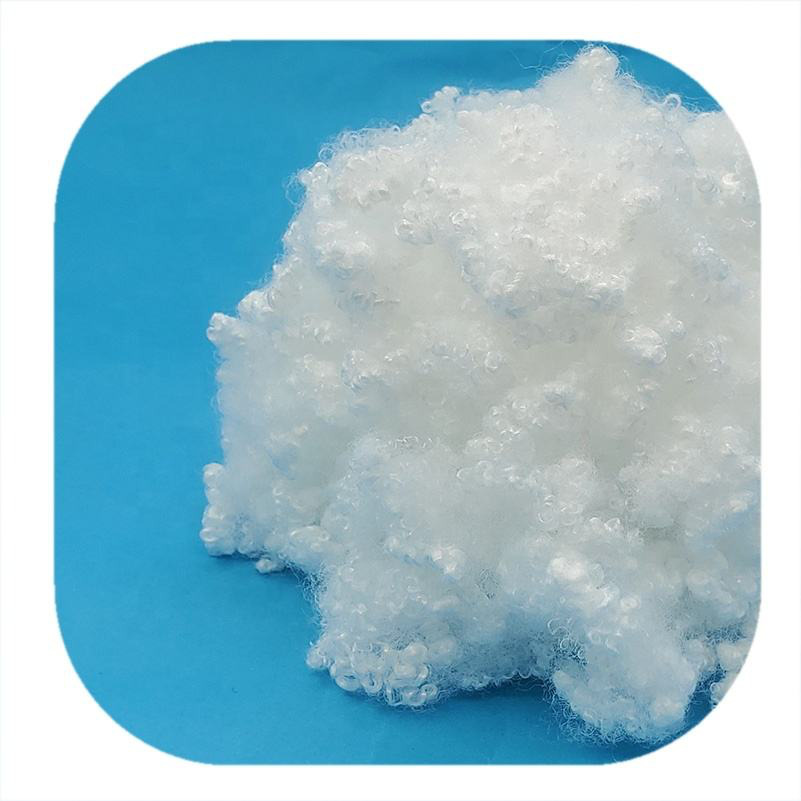
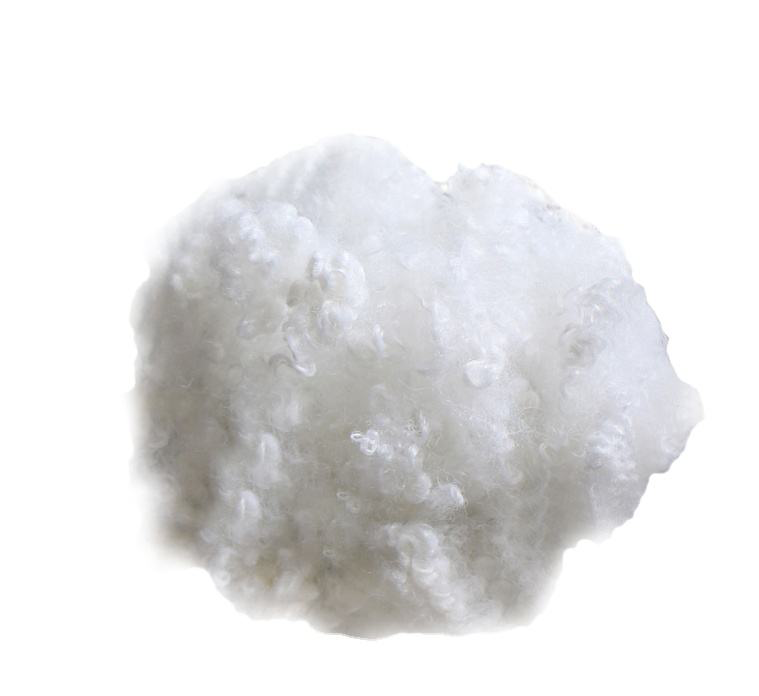
Siliconized polyester filling — also called siliconized polyester fiberfill or siliconized fiber fill — is a type of synthetic batting or stuffing material made from polyester fibers that have been coated with a silicone-based treatment during manufacturing. This silicone coating is the key differentiator: it makes the fibers slippery, loft-retaining, and resistant to dust, allergens, and bacteria.
Like all polyester batting, it is synthetic — unlike cotton padding, which comes from a natural plant source. The silicone treatment sets it apart even from standard polyester fiberfill by adding a protective, hypoallergenic layer to each individual fiber.
How siliconized polyester fiber is made
During production, polyester fibers are extruded from synthetic materials and then treated with silicate compounds. After treatment, the fibers are gathered and formed into small balls or sheets, depending on the intended use. There are two main categories:
Virgin fiber fill
Virgin polyester fiber fill comes directly from the manufacturing process without any blending or recycled content. It undergoes silicate treatment right after extrusion, resulting in a consistent, high-loft fill with uniform density. Virgin fiber is typically fluffier and more resilient.
Regenerated fiber fill
Regenerated fiber fill — also known as recycled polyester fiberfill — is made from material left over after processing virgin fiber. While it tends to have a slightly different density, it shares the same hypoallergenic and antibacterial properties when siliconized. It is often a more cost-effective and eco-conscious option, making it popular in sustainable home furnishing products.
Common applications and uses of siliconized polyester filling
Because of its dust-mite resistance, antibacterial properties, and excellent loft retention, siliconized polyester fiberfill is widely used across home textiles and crafts:
Bedding: Pillows, duvets, comforters, and sleeping bags — siliconized fill keeps bedding hypoallergenic and breathable enough for everyday sleep use.
Furniture: Cushions, sofa padding, and accent chair stuffing benefit from the material’s shape retention and dust repellency.
Childcare products: Stuffed animals and toys for children with dust allergies are commonly filled with siliconized polyester because it is hypoallergenic and washable.
Quilts and craft batting: Quilters use siliconized polyester batting for its smooth glide through the machine and lightweight feel.
Apparel: Only heavy, insulating garments such as winter jackets and vests are typically stuffed with this material, since polyester retains heat.
Because polyester fill retains heat, it is not ideal for lightweight, breathable garments. Stick to heavy outerwear if using it in clothing projects.
Is siliconized fiberfill safe?
Yes — siliconized polyester fiberfill is considered safe for most applications. It is classified as both antibacterial and hypoallergenic, making it suitable for use in pillows, mattresses, and children’s toys. Its mildew-resistant properties also help it maintain hygiene over time better than natural fills like cotton or down.
The silicone treatment does not involve harsh chemicals, continuous water use, or animal-derived ingredients, which is why siliconized fiber is increasingly preferred worldwide for eco-friendlier home furnishing manufacturing.
That said, there are a few trade-offs to be aware of: polyester fibers are firmer than cotton, making siliconized fill slightly more prone to discoloration over time. Items stuffed with polyester also retain heat more than cotton-filled equivalents, meaning they may feel warmer and less breathable in hot climates.
Siliconized vs. regular (non-siliconized) polyester fill
Standard polyester fiberfill and siliconized polyester fiberfill are both synthetic, but the silicone treatment makes a real difference in everyday performance. Siliconized fill is slicker, meaning fibers glide past each other more easily — this gives it better loft recovery after compression and a softer feel. Non-siliconized fill tends to clump more quickly and does not resist bacteria or allergens as effectively.
For allergy-sensitive households, dust-mite resistant pillow filling made from siliconized polyester is consistently recommended over regular polyester or down alternatives.
Care and washing instructions for siliconized polyester projects
Items filled with siliconized polyester require some special care to maintain their loft and hygiene:
Heat sensitivity: This material is sensitive to high heat. Avoid ironing directly; if ironing is necessary, use only a low-heat setting with a pressing cloth.
Stain removal: Dirt and stains can adhere to polyester. Apply a commercially available stain remover and allow it to soak before washing.
Washing: Most items can be machine washed on a gentle, cool cycle and tumble dried on low heat. Dry cleaning is also an option for structured items like cushions.
Pillows: Use a pillowcase or pillow protector over any pillow filled with siliconized polyester to extend its life and simplify cleaning.
Frequently asked questions
What is the difference between siliconized and non-siliconized polyester fill?
Siliconized polyester fibers are coated with a silicone treatment that makes them slicker, loftier, and more resistant to dust, bacteria, and allergens. Non-siliconized fill lacks this coating, tends to clump faster, and does not offer the same hypoallergenic properties.
Is siliconized polyester filling good for pillows?
Yes. It is one of the most popular pillow stuffing materials because of its dust-mite resistance, loft retention, and hypoallergenic properties. It is especially recommended for people with allergies or asthma.
Can siliconized polyester filling be washed?
Yes. It can be machine washed on a gentle cycle with cool or warm water and dried on a low heat setting. Avoid high heat, which can damage the fibers and reduce loft.
Is siliconized polyester eco-friendly?
It is more eco-friendly than many alternatives because its production does not require large amounts of water, harsh chemicals, or animal exploitation. Regenerated siliconized fiber, made from recycled polyester, is an even more sustainable option.
What is siliconized polyester filling used for?
It is commonly used in pillows, duvets, sleeping bags, furniture cushions, stuffed toys, quilt batting, and insulated outerwear — anywhere that benefits from a hypoallergenic, loft-retaining, washable fill.
Technical Parameter
To ensure consistency in high-speed manufacturing, hollow fibers are produced within strict denier and cut-length parameters.
| Parameter | Specification Details | Industrial Application |
| Denier Range | 3D, 7D, 15D, 20D | 7D for soft pillows; 15D for firm cushions/toys. |
| Type | Hollow Conjugate / Mechanical Crimp | Defines the loft and recovery “spring.” |
| Grade | 100% Recycled or Virgin | Sustainability and purity requirements. |
| Cut Lengths | 32mm, 51mm, 64mm, 76mm | Tailored for carding and filling machines. |
| Special Finishes | FR (Flame Retardant), Antibacterial | Enhanced safety for home and medical use. |
The Manufacturing Excellence of Hollow PSF
The transformation of polyester chips into high-loft filling is a rigorous multi-stage process:
Extrusion: Raw polymer is melted and forced through a hollow-core spinneret.
Solidification: The molten filaments are cooled in a controlled spinning tank, “locking in” the hollow center.
Drawing & Stretching: The fibers are stretched across rollers to align the molecular chains, increasing the tensile strength and durability of the filament.
Crimping: For hollow fibers, a mechanical or thermal “conjugate” crimp is applied to give the fiber its 3D helical shape.
Siliconization: (Optional) The slick finish is applied to ensure the fiber is antimicrobial and anti-bunching.
Baling: The fiber is dried, cut to length, and compressed into dense bales for efficient global logistics.
FAQ
1. What do you offer?
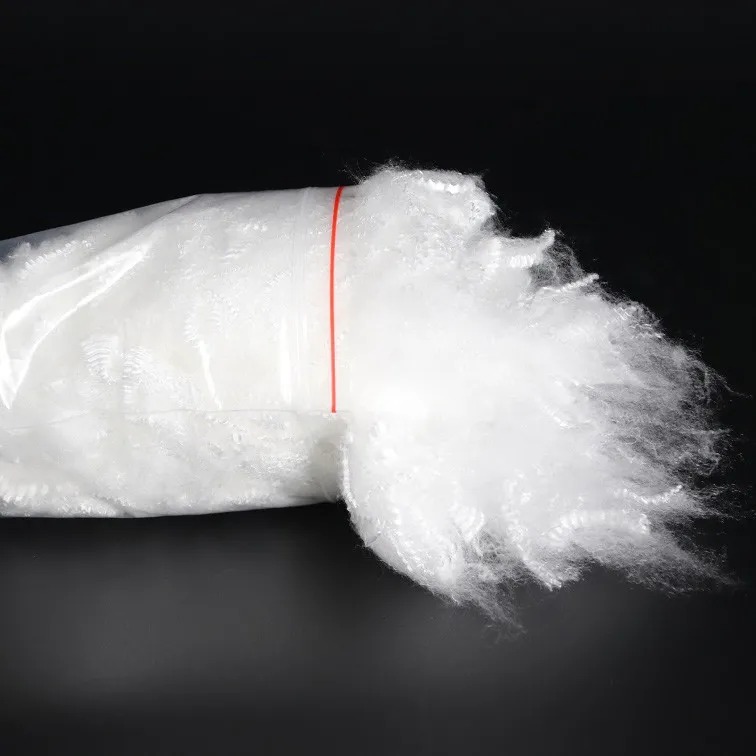
We supply a comprehensive range of fibers, including recycled hollow conjugated (both siliconized and non-siliconized) polyester staple fiber, hollow fiber, microfiber, virgin polyester staple fiber, and low-melt fiber.
2. What is it used for?
Our fibers are versatile and widely utilized across both the filling and non-woven industries, providing essential loft, durability, and texture for various consumer and industrial applications.
3. Are you a factory or a trading company?
We are primarily a manufacturer specializing in polyester staple fiber with years of industry expertise. To better serve our clients, we also operate a dedicated trading division that allows us to act as a one-stop solution provider.
In addition to our own fiber production, we source high-quality textile components (such as yarn and low-melt fibers) and finished goods (including foam, pillows, cushions, toys, and down/feather products) to ensure our customers have access to a comprehensive supply chain.
4. Where is your factory location?
To maintain a robust and flexible global supply chain, our manufacturing facilities are strategically located throughout Asia, specifically in Vietnam, China, Malaysia, Thailand, and Indonesia. If you would like to visit one of our sites, please contact your sales representative, and we will be happy to arrange transportation for you.
5. Can you accept free sample?
Yes, we provide free hand samples for quantities under 1 kilogram. Once a price is confirmed, we can prepare and dispatch your sample within 2–3 business days. Please note that while the sample is free, the freight costs are the responsibility of the client.
6. Can you provide ODM service?
Absolutely. We specialize in ODM (Original Design Manufacturing). This means we can customize the material composition, dimensions, quantity, packaging, and branding to meet your specific requirements. Your logo and unique specifications will be integrated into the final product.
7. How about your quality? What’s the minimum order Quantity (MOQ)?
We invite you to place a trial order to experience our quality firsthand. Our standard MOQ is 23,000 kilograms per order.
Regarding pricing, we maintain a no-bargain policy. We believe in transparency and efficiency, so we provide our most competitive offer upfront to save you time and ensure a straightforward procurement process.
8. Can I mix different items in one order?
Yes, for your convenience, we allow for a maximum of two different items to be mixed within a single container.
9. How can you guarantee the product quality?
Quality is the cornerstone of our business. We employ an experienced QC team that monitors every stage of production, from raw material inspection to the final manufacturing process. We utilize a range of advanced testing instruments to ensure our fibers meet strict industry standards.
Our business philosophy is simple: We aim to serve one customer 1,000 times, rather than 1,000 customers once. We prioritize long-term partnerships built on consistent excellence.
10. What’s the payment terms?
L/C at sight, 30% TT in advance are mostly accepted; other terms shall be negotiable by both sides
For more information, please feel free to contact :
Tony Tan
Mobile number: +84 90 466 5251 (Whatsapp/Wechat/Viber/Signal)