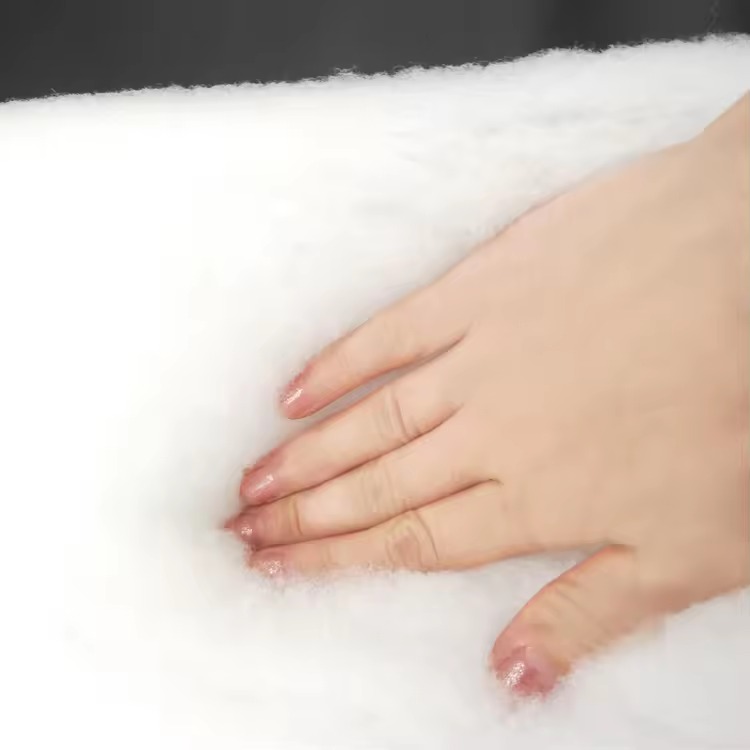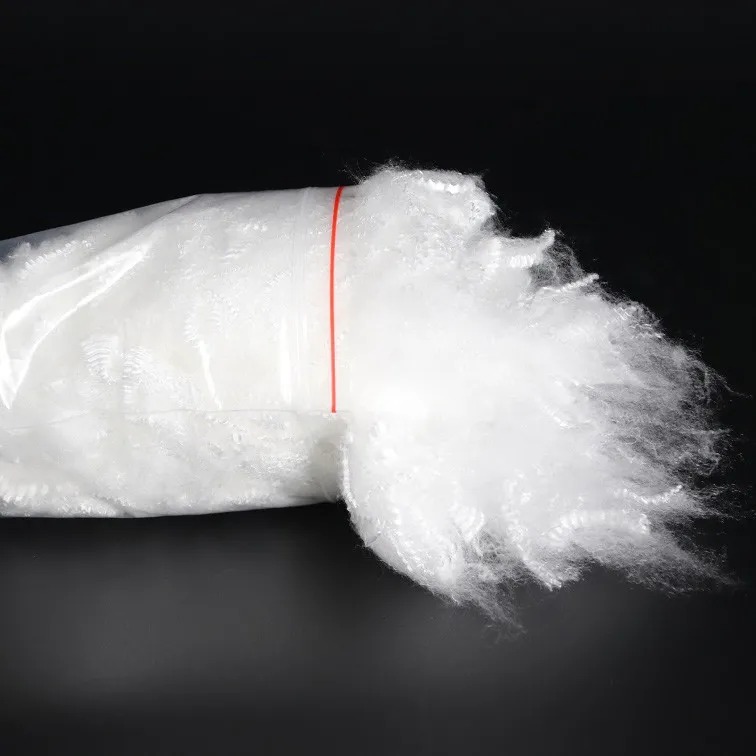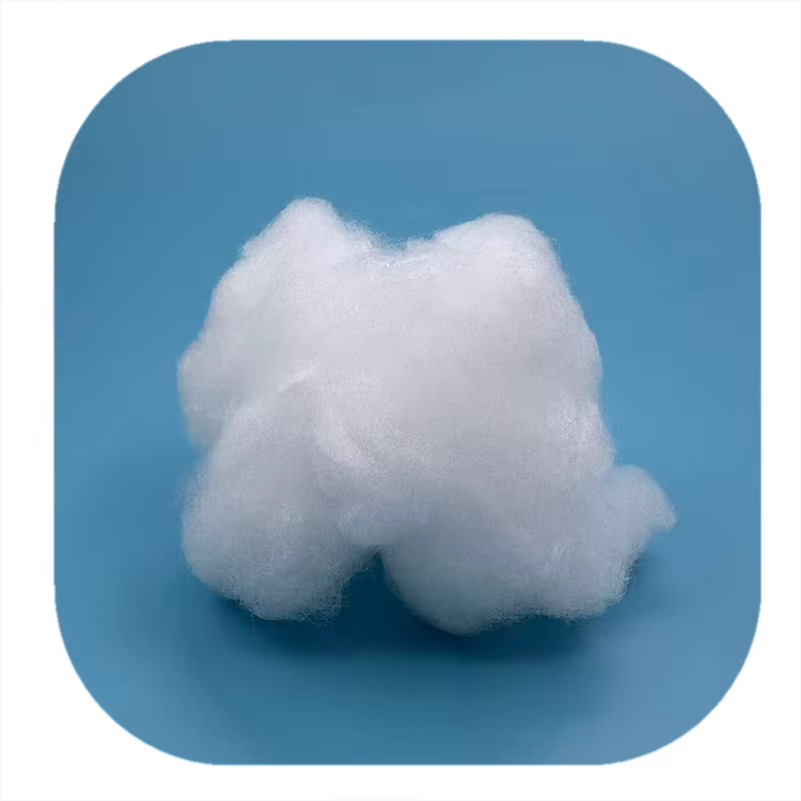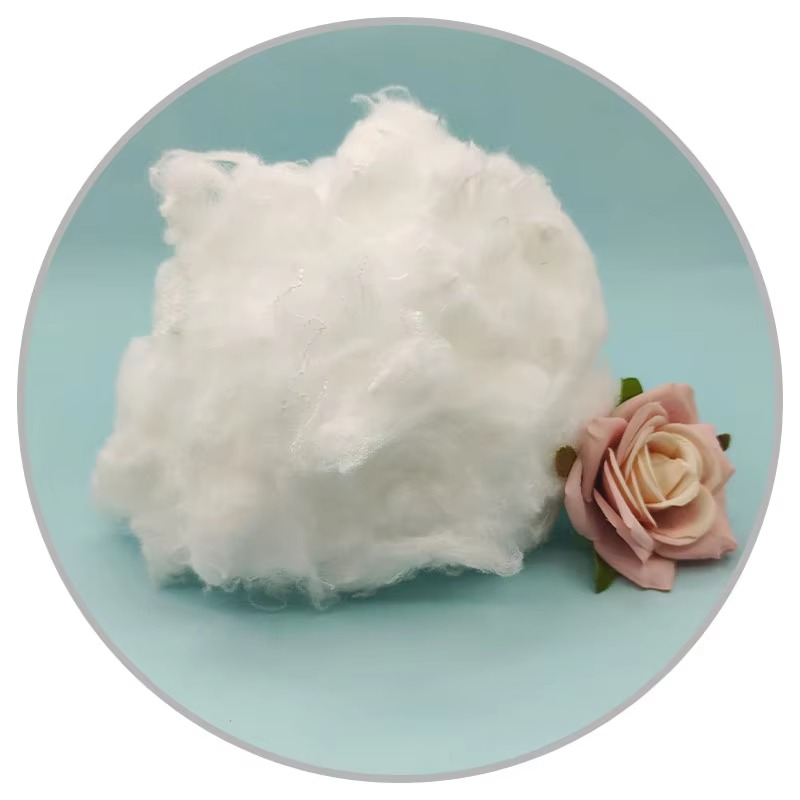
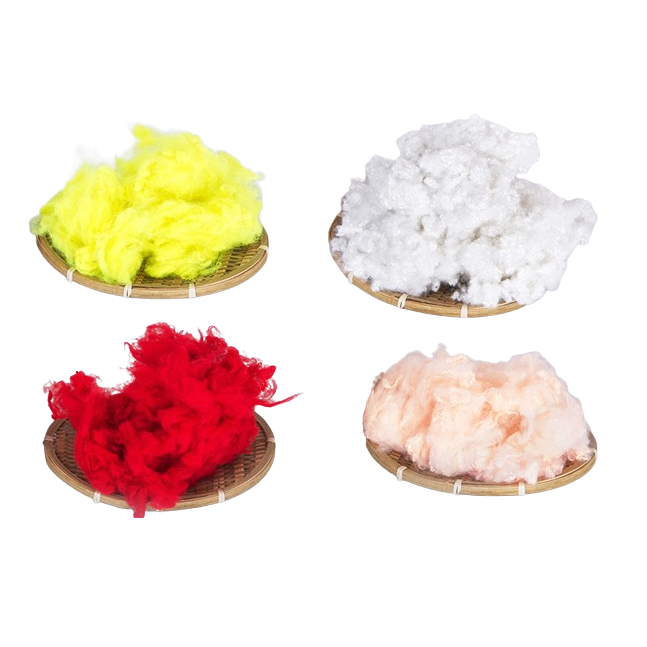
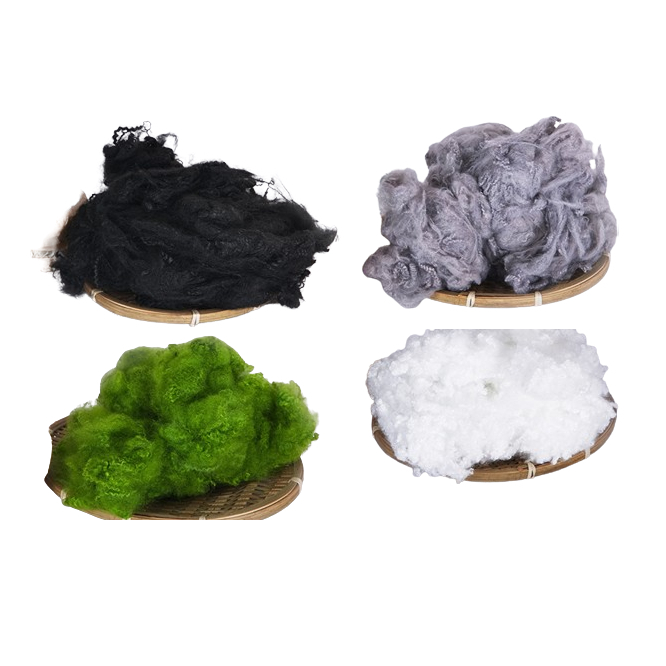
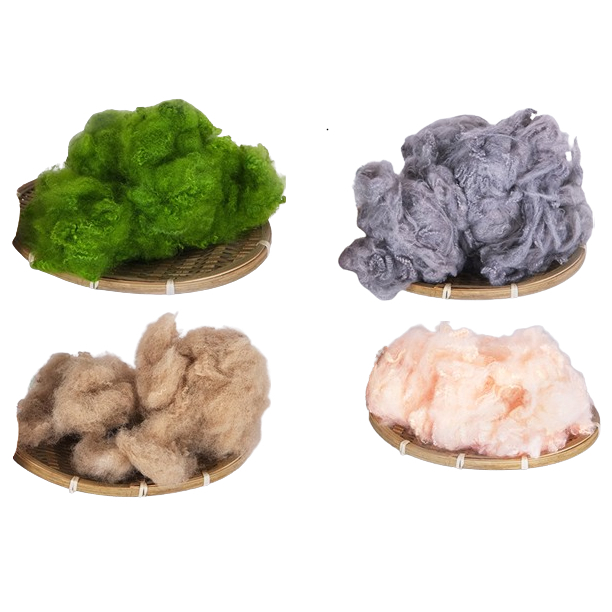
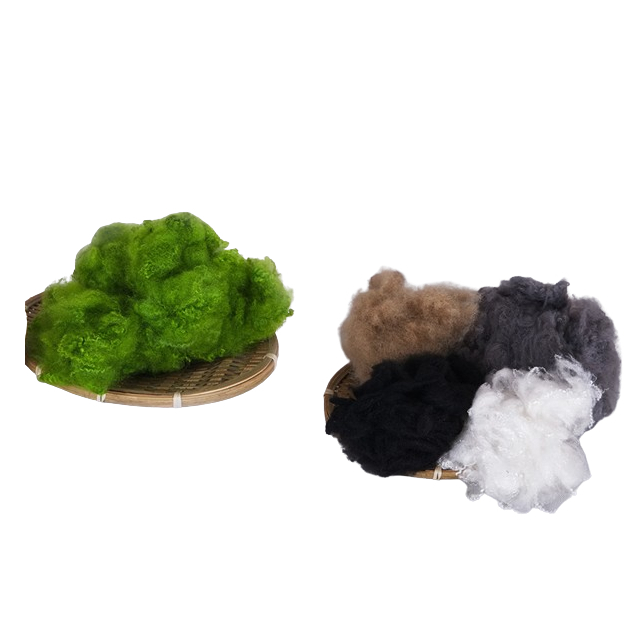
Nonwoven Fiber
Apparel: Used for lightweight, breathable, and wrinkle-resistant clothing with a soft, stretchy feel.
Home Textiles: Ideal for durable, easy-care bedding and curtains.
Industrial: High-strength and absorbent; perfect for filters and industrial wipes.
PRODUCT DETAIL
Nonwoven Fiber: Innovation, Properties, and Global Applications
The textile industry has undergone a massive transformation with the rise of nonwoven fiber products. Unlike traditional fabrics that rely on the interlacing of yarns through weaving or knitting, nonwovens are engineered directly from fibers or cellulose polymers. This “shortcut” in manufacturing creates a highly versatile material that is stronger, lighter, and more cost-effective than its traditional counterparts.
From high-performance medical gowns to industrial filtration systems, customized nonwoven polyester fiber material has become the backbone of modern technical textiles.
What are nonwoven fiber products?
Nonwoven fabrics are generally described as sheets or webs made by connecting fibers together through methods like twisting, heating, or using chemicals. They are produced using three primary techniques:
Spinning (Spunbond): Fibers are extruded and directly dispersed into a web.
Mesh (Dry-laid/Carded): Fibers are combed into a web before bonding.
Wet Forming: Fibers are suspended in water and laid down, similar to the papermaking process.
The most common method for high-performance polyester is thermal bonding. In this process, polyester fibers are melted or fused during the cooling phase to form a stable, mesh-like structure without the need for traditional stitching.
Key Advantages of Nonwoven Fiber
1. Superior Strength-to-Weight Ratio
One of the primary advantages of nonwoven products is their combination of lightness and durability. Because the fibers are bonded in a multidirectional web, they possess greater multi-axis strength than many woven fabrics. This allows manufacturers to create materials that are incredibly tough and wear-resistant while remaining soft.
2. Exceptional Wear and Tear Resistance
Traditional fabrics can “unravel” if a thread is snagged. Nonwovens, however, utilize diverse connection methods between fibers (such as thermal fuse points), making them nearly impossible to unravel. This makes them ideal for specialized environments where durability under stress is a non-negotiable requirement.
3. High Customizability and Adaptability
Whether you need a material to be hydrophilic (water-absorbing) or hydrophobic (water-repellent), nonwoven polyester can be customized during the production phase. Manufacturers can adjust the fiber density, thickness (GSM), and bonding technique to meet specific industry standards.
4. Wrinkle Resistance and Ease of Care
Polyester is naturally resilient, but in a nonwoven mesh structure, this resilience is amplified. Nonwoven polyester products are inherently wrinkle-resistant and maintain their shape even after repeated washing or heavy industrial use.
Major Applications Across Industries
Medical and Hygiene Sectors
In environments where hygiene is paramount, nonwovens are the standard. They are used for:
Surgical Gowns and Masks: Providing a barrier against fluids while remaining breathable.
Wipes and Diapers: Utilizing the softness and high absorbent capabilities of specialized polyester blends.
Home Textiles
Nonwoven polyester is a staple in the household for its practicality:
Bedding and Curtains: Used as interlinings or primary materials where durability and easy maintenance are required.
Upholstery Backing: Providing a strong, lightweight foundation for furniture.
Clothing and Apparel
Modern fashion utilizes nonwovens to create lightweight, breathable, and wrinkle-resistant apparel. It is often used for:
Interlinings to provide structure to collars and cuffs.
Insulation layers in outdoor performance jackets.
Industrial and Filtration Media
The industrial realm relies on nonwoven polyester for its strength and absorbent capabilities.
Air and Liquid Filters: The mesh structure is perfect for trapping particles while allowing flow.
Industrial Wipes: Designed to be tough enough for heavy machinery yet soft enough for delicate surfaces.
The Production Science: Thermal Bonding
For customized nonwoven polyester, the preparation involves the thermal bonding of fibers. Instead of chemicals or adhesives—which can break down or cause skin irritation—heat is used to fuse the polyester fibers at their contact points. This results in a “pure” polyester material that is
Eco-friendly: Easier to recycle as a mono-material.
Safe: Non-toxic and hypoallergenic.
Consistent: Offers uniform thickness and strength across the entire roll.
Conclusion: The Versatile Choice for Modern Industry
The best nonwoven fiber materials stand out due to their distinct combination of eco-friendliness, performance, and cost-efficiency. As industries move toward more sustainable and high-performing textile options, customized nonwoven polyester will continue to lead the way.
Whether you are looking for industrial-grade filter materials or soft, durable home textiles, nonwoven technology provides the adaptability needed for the 21st-century market.
Technical Parameter
| Property | Value/Metric | Industrial Benefit |
| Fiber Diameter | 1.0 – 15 Denier | Customizable for filtration vs. structural support. |
| Basis Weight | 10 GSM – 500+ GSM | From lightweight surgical masks to heavy geotextiles. |
| Tensile Strength | High (Multi-directional) | Resists “bursting” under liquid pressure. |
| Bonding Area | 10% – 30% of surface | Balanced for softness vs. stiffness. |
Video
FAQ
1. What do you offer?
We supply a comprehensive range of fibers, including recycled hollow conjugated (both siliconized and non-siliconized) polyester staple fiber, hollow fiber, microfiber, virgin polyester staple fiber, and low-melt fiber.
2. What is it used for?
Our fibers are versatile and widely utilized across both the filling and non-woven industries, providing essential loft, durability, and texture for various consumer and industrial applications.
3. Are you a factory or a trading company?
We are primarily a manufacturer specializing in polyester staple fiber with years of industry expertise. To better serve our clients, we also operate a dedicated trading division that allows us to act as a one-stop solution provider.
In addition to our own fiber production, we source high-quality textile components (such as yarn and low-melt fibers) and finished goods (including foam, pillows, cushions, toys, and down/feather products) to ensure our customers have access to a comprehensive supply chain.
4. Where is your factory location?
To maintain a robust and flexible global supply chain, our manufacturing facilities are strategically located throughout Asia, specifically in Vietnam, China, Malaysia, Thailand, and Indonesia. If you would like to visit one of our sites, please contact your sales representative, and we will be happy to arrange transportation for you.
5. Can you accept free sample?
Yes, we provide free hand samples for quantities under 1 kilogram. Once a price is confirmed, we can prepare and dispatch your sample within 2–3 business days. Please note that while the sample is free, the freight costs are the responsibility of the client.
6. Can you provide ODM service?
Absolutely. We specialize in ODM (Original Design Manufacturing). This means we can customize the material composition, dimensions, quantity, packaging, and branding to meet your specific requirements. Your logo and unique specifications will be integrated into the final product.
7. How about your quality? What’s the minimum order Quantity (MOQ)?
We invite you to place a trial order to experience our quality firsthand. Our standard MOQ is 23,000 kilograms per order.
Regarding pricing, we maintain a no-bargain policy. We believe in transparency and efficiency, so we provide our most competitive offer upfront to save you time and ensure a straightforward procurement process.
8. Can I mix different items in one order?
Yes, for your convenience, we allow for a maximum of two different items to be mixed within a single container.
9. How can you guarantee the product quality?
Quality is the cornerstone of our business. We employ an experienced QC team that monitors every stage of production, from raw material inspection to the final manufacturing process. We utilize a range of advanced testing instruments to ensure our fibers meet strict industry standards.
Our business philosophy is simple: We aim to serve one customer 1,000 times, rather than 1,000 customers once. We prioritize long-term partnerships built on consistent excellence.
10. What’s the payment terms?
L/C at sight, 30% TT in advance are mostly accepted; other terms shall be negotiable by both sides
For more information, please feel free to contact :
Tony Tan
Mobile number: +84 90 466 5251 (Whatsapp/Wechat/Viber/Signal)