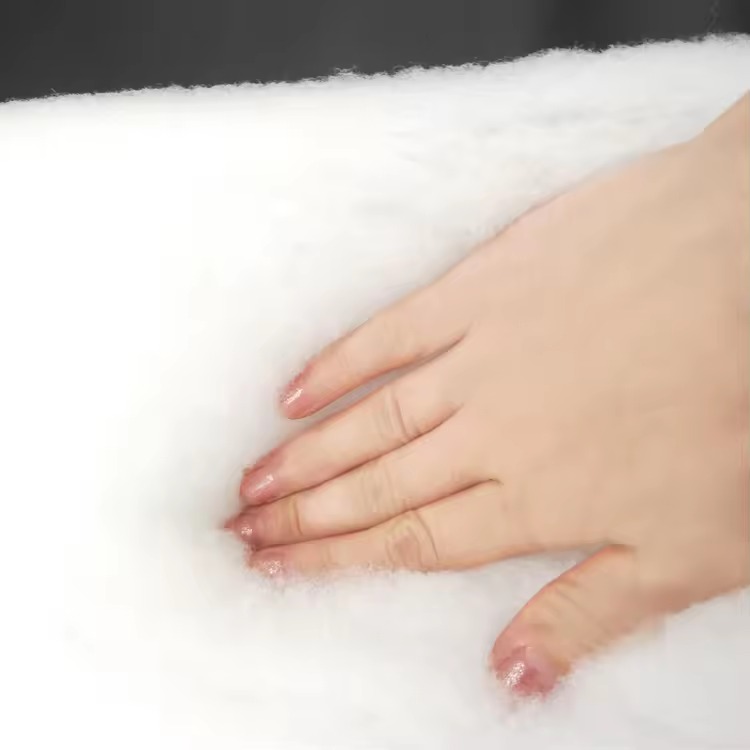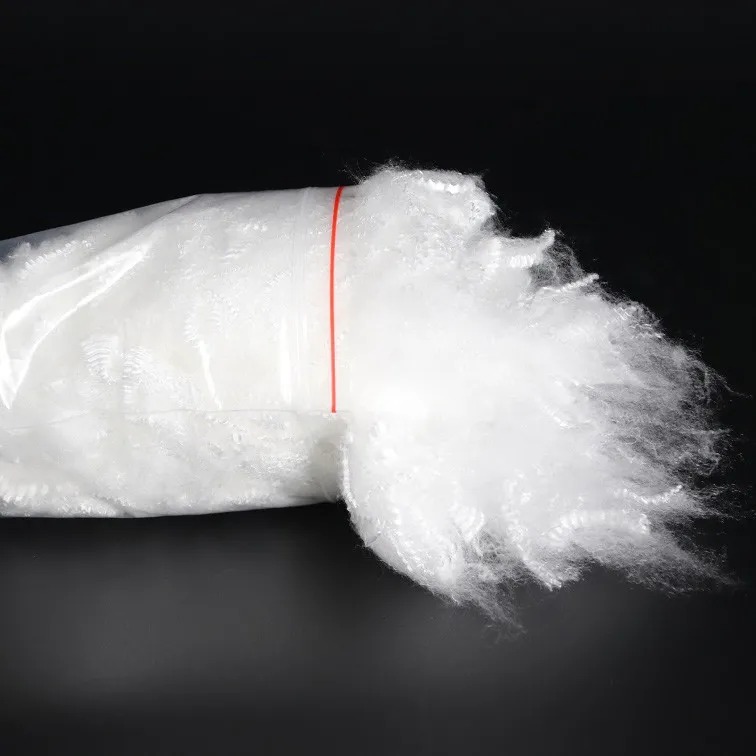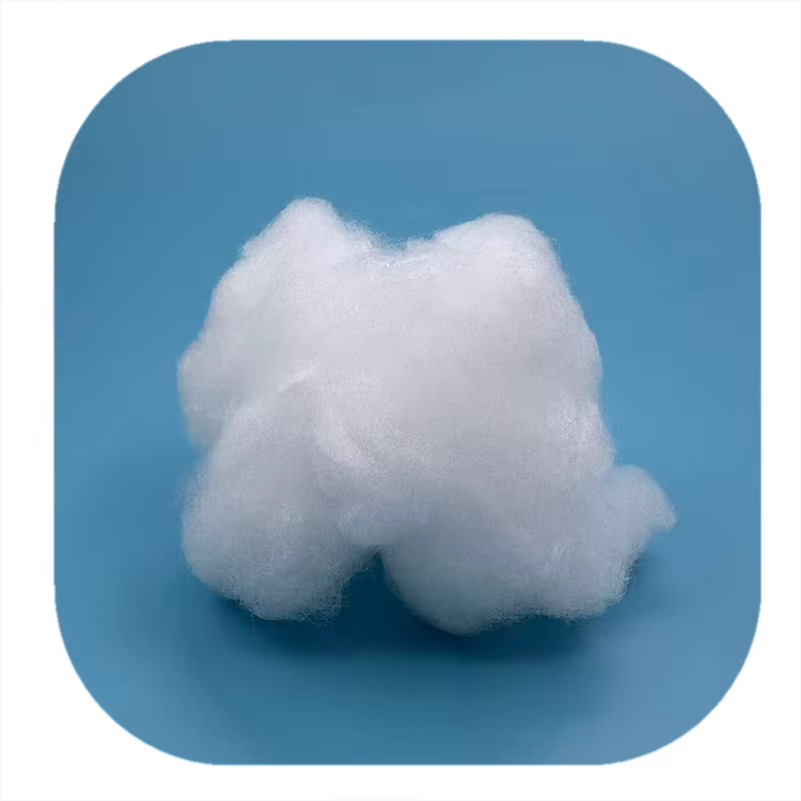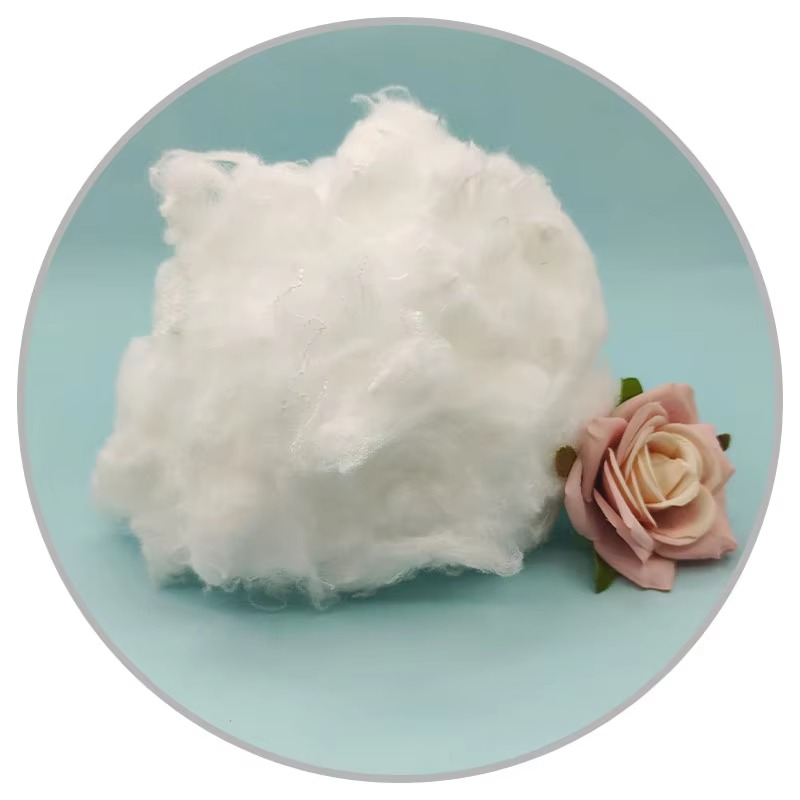
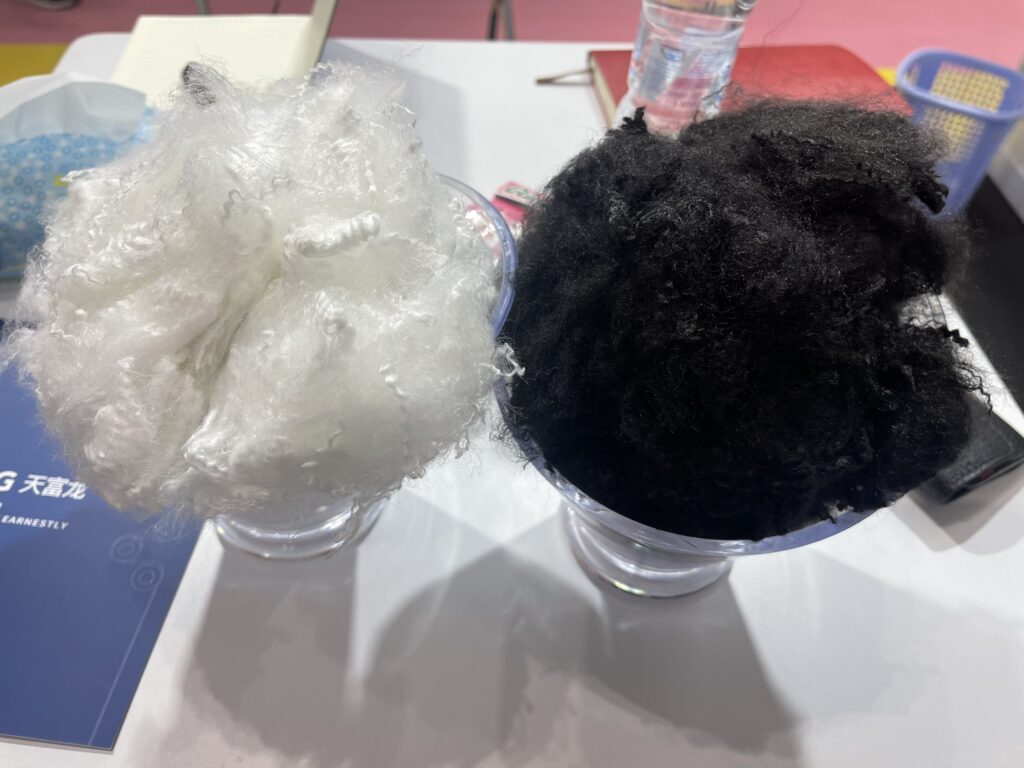
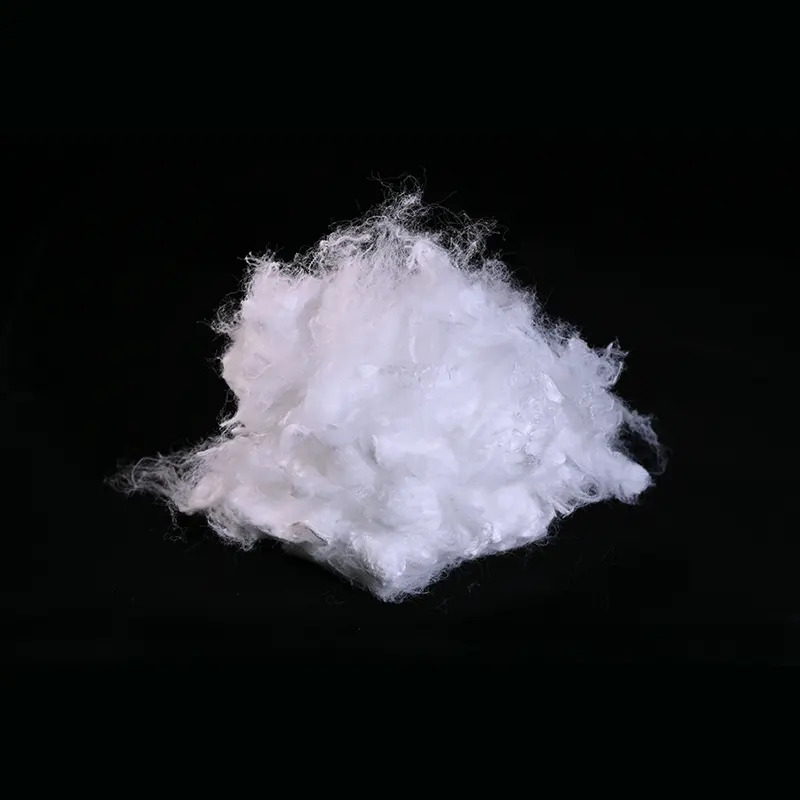
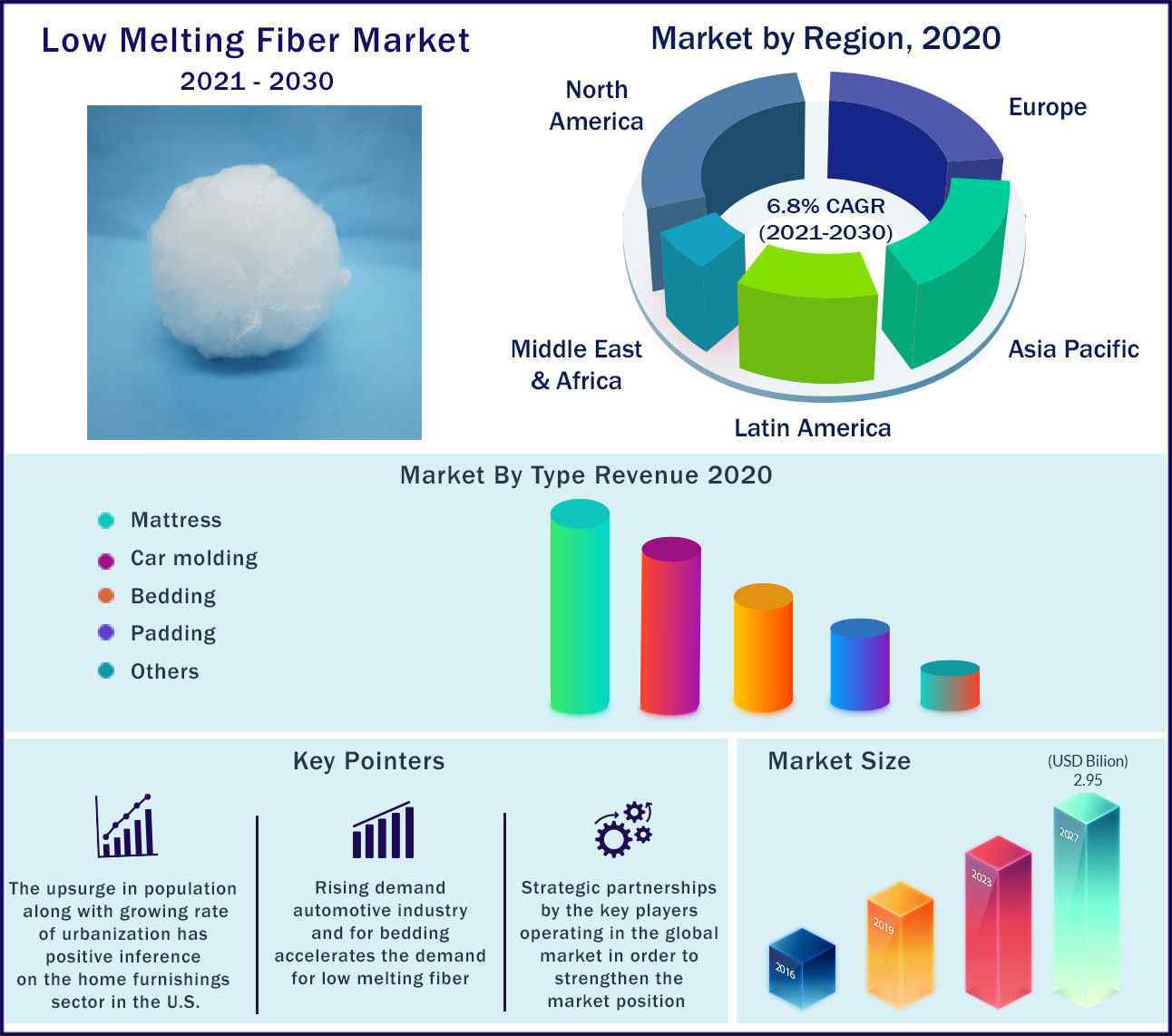
Fibra de baixo ponto de fusão 32424

Low Melt Fiber and Bicomponent Fiber

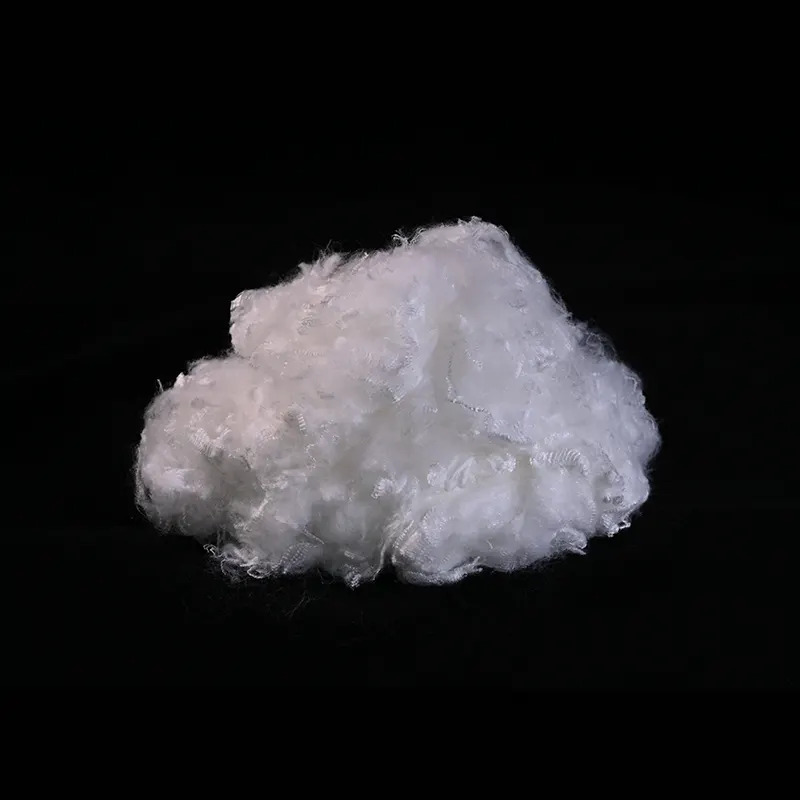
  • Specifications: 2D,4D,6D,15D*38,51,64,76,89mm
  • The fiber is produced by using polyester and modified polyester to spin simultaneously.
  • It can mix with normal fiber to form the nonwoven, then heat to bond them together and become an elastomer.
CALL NOW WHATSAPP ME

PRODUCT DETAIL

What is low melting fiber?

Low melting fiber can be melted at temperatures such as ~100~200°C that bond with other fibers deprived of any injurious adhesives compared to normal polyester fiber, which can be melted at higher temperatures above 280°C. This property subsidizes environmental preservation by producing low heat and carbon dioxide. It finds application in several areas such as door trims, automotive car interiors, ceiling materials, headliners, construction, furniture, and the industrial sector.

Low-melting fiber is referred to as a “bi-component fiber,” which has strong bonding properties. The low-melting fiber is used in the spinning of durable yarns. Moreover, this fiber is used as excellent insulating material in the automotive and construction industries due to its complex structure. Furthermore, this fiber is blended with solid recycled material or solid polyester fibers, which are then used for car molding. The low-melting fiber provides effortless bonding and high elasticity and thus is used for the production of interior parts of cars, mattresses, and medical goods, among others.

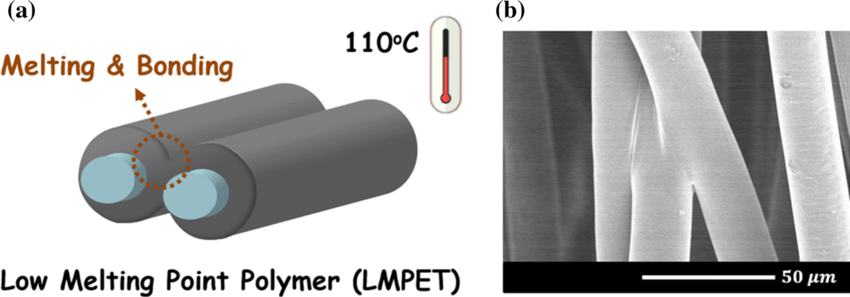
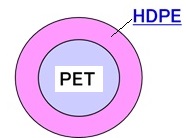
“Low melting fiber” refers to a bi-component fiber used as a thermal bonding fiber, and its structure is typically a sheath/core type. It is composed of a sheath polymer and a core polymer. The melting point of the sheath polymer is lower than that of the core polymer.

The low-melting fiber offers various benefits, such as low melting points, durability, and high bonding strength. Moreover, it is blended with other types of fibers and is used to manufacture padding, interlining, and high-quality mattresses. Furthermore, it is used to manufacture sanitary and medical products. The various advantages of low-melting fiber will therefore probably increase demand for the product worldwide.

​Low-melt fibers utilize sheath-core fibers that melt at high temperatures and bond with other fibers to provide excellent matrix stability and handling characteristics. Low-melt fibers also enhance cushioning product quality and are more compatible with the environment.

low melt fiber

Low-melting fiber can be melted at a lower temperature (~100~200°C), making it possible to be bonded with other fibers without any harmful adhesives, compared with normal polyester fiber, which is melted at a higher temperature of more than 280°C. This property contributes to environmental conservation by generating less carbon dioxide and heat. Its applications vary from automotive car interiors (door trims, ceiling materials, headliners, etc.) to furniture, construction, and industrial use.

Non-woven fibers are run through either a hot-air oven, a calendar or an infrared heater. This leads to soldering the fibers together when the low-melt fibers melt and flow around the standard polyester fibers. For high-loft nonwovens, this process is the primary bonding method and a secondary one when needled nonwoven fibers are to be heated to give more strength.

What is a bicomponent fiber?

By blending two kinds of polymers, new fibers are made that own every characteristic of each polymer.

Bi-component binder fibers with high-performance ability.

Bicomponent fibers have various types that are suitable for heat-bonded nonwoven fabrics, depending on their purpose and application (carding, wet-laid, and air-laid).

Bicomponent fibers offer several advantages, including a soft touch, durable performance, process stability, and high speed, and they have different melting points based on the raw materials used, which allows for significantly higher material strength.

The first specific characteristic of bi-component fibers is the difference in melting points between the two polymers, which causes one polymer to act as glue for bonding the two fibers together.
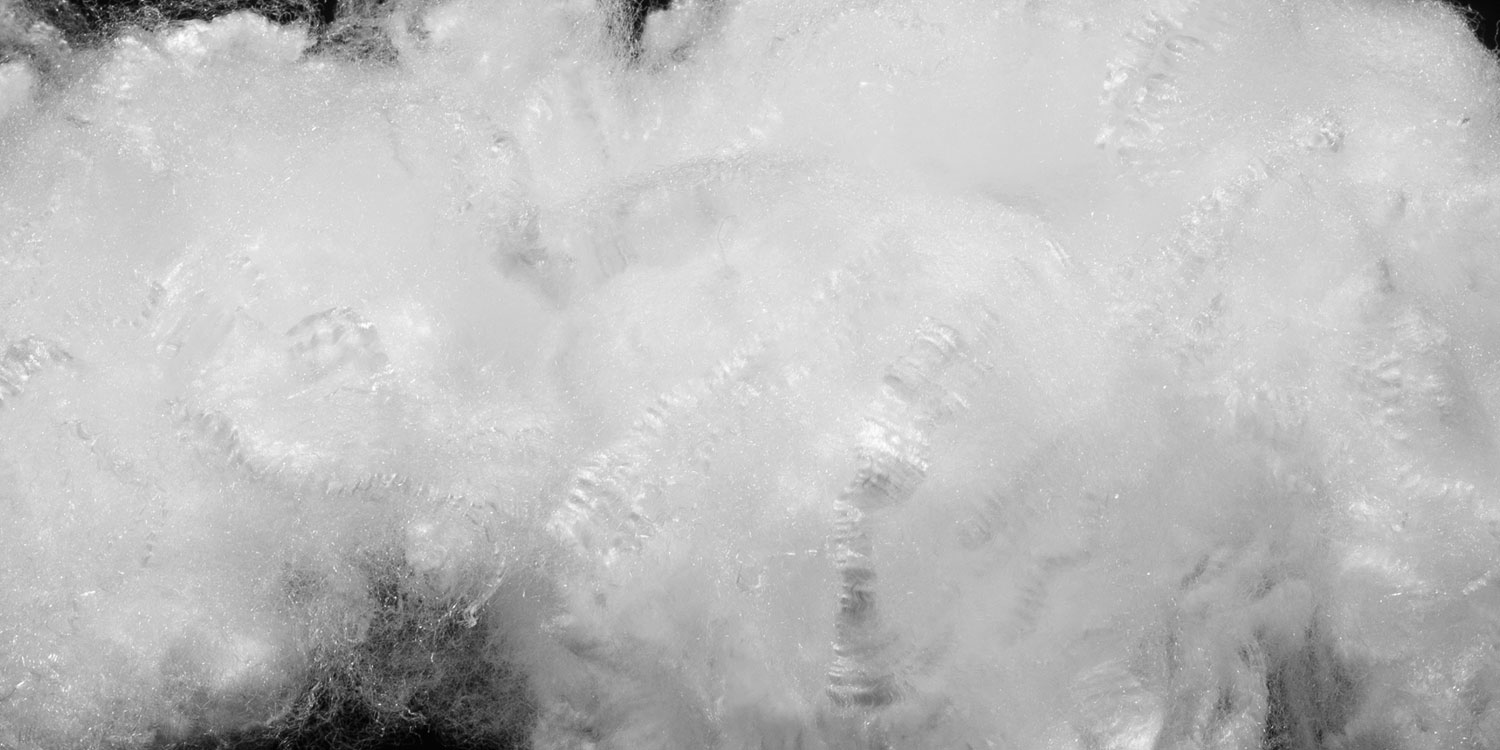
bicomponent fibers

Bicomponent Fiber Cross-Section Types

The spatial arrangement of the two polymers within the fiber cross-section — the fiber architecture — determines the fiber’s mechanical, thermal, and functional behavior. There are several standard bicomponent fiber configurations, each suited to different applications:

1. Sheath-Core (Concentric and Eccentric)

The sheath-core configuration is the most widely used bicomponent fiber architecture in industrial applications. One polymer forms the outer sheath; the other forms the inner core. The two polymers do not mix — they are co-extruded as distinct, concentrically arranged layers.

In a concentric sheath-core fiber, the core is centered within the sheath, producing a uniform, symmetrical cross-section. This is the standard configuration for thermal bonding fibers (low melt fiber / LMF), where the low-melting sheath activates under heat to bond with neighboring fibers while the high-melting core preserves fiber structure and length.

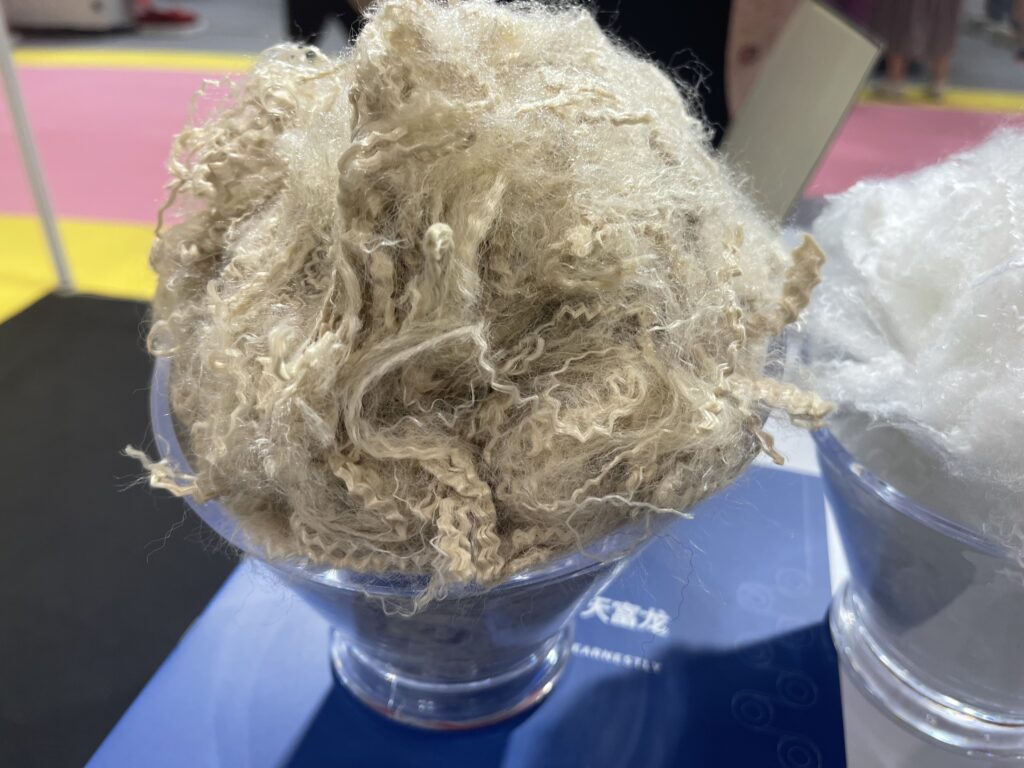
In an eccentric sheath-core fiber, the core is deliberately offset from center. Because the two polymers have different thermal shrinkage properties, this asymmetry generates a helical self-crimp when the fiber is heat-treated — producing a naturally crimped fiber without mechanical texturing. Eccentric sheath-core fibers are used extensively in high-loft nonwovens for bedding, insulation fill, and cushioning.

2. Side-by-Side (S/S)

In side-by-side bicomponent fibers, the two polymers are arranged as two distinct lobes running the full length of the fiber — like two cylinders bonded along their length. This configuration produces strong differential shrinkage when heated, generating a highly consistent 3D helical crimp. Side-by-side fibers are valued in applications requiring excellent bulk, softness, and elasticity, such as premium fiberfill, high-loft nonwovens, and performance textiles.

3. Islands-in-the-Sea (I/S)

Islands-in-the-sea (I/S) bicomponent fiber consists of multiple thin “island” filaments of one polymer embedded within a continuous “sea” matrix of a second polymer. After the bicomponent fiber is formed and processed into a fabric, the sea polymer is dissolved away using a solvent, leaving behind an array of ultra-fine filaments — often in the nanometer to sub-micron diameter range.

This process is the primary industrial route to producing microfibers and nanofibers at commercial scale. Islands-in-the-sea bicomponent fiber technology enables the manufacture of ultra-fine fiber products including high-performance synthetic suede (such as Alcantara), high-efficiency filtration media, and advanced medical textiles. The sea polymer is typically selected for easy dissolution — PVA (polyvinyl alcohol) is commonly used as the sea in water-soluble I/S systems.

4. Segmented Pie (Citrus Cross-Section)

Segmented pie bicomponent fibers have a cross-section divided into alternating wedge-shaped segments of two polymers — resembling the slices of an orange or pie. After fabric formation, mechanical action (hydroentanglement, needlepunching) or chemical treatment separates the segments, splitting each fiber into multiple ultra-fine fibers with triangular cross-sections.

The resulting microfibers have a very high surface area, excellent wicking and moisture management, and exceptional softness. Segmented pie bicomponent fibers are widely used in synthetic suede, high-performance sportswear, wiper fabrics, and filtration textiles.

5. Other Configurations

Beyond the four primary architectures, specialized bicomponent fiber designs include tipped trilobal (for enhanced light reflection and silk-like aesthetics), hollow configurations (for thermal insulation and reduced weight), and multi-island variants with dozens or even hundreds of island filaments per fiber cross-section. As fiber engineering advances, new cross-sectional geometries continue to emerge for specialized technical applications.

Fiber Type

Key Characteristics & Primary Applications

Sheath-Core (Concentric)

Thermal bonding (LMF), uniform surface chemistry, soft-touch nonwovens, hygiene, automotive

Sheath-Core (Eccentric)

Self-crimping, high-loft nonwovens, fiberfill, bedding, insulation

Side-by-Side

Strong self-crimping, bulk & elasticity, premium fiberfill, performance textiles

Islands-in-the-Sea

Ultra-fine / nano fibers after sea dissolution, synthetic suede, high-efficiency filtration, medical

Segmented Pie

Splittable microfibers, synthetic suede, sportswear, wipers, filtration

Technical Parameter

  • Specifications: 2D,4D,6D,15D*38,51,64,76,89mm
  • Characteristics: The fiber is produced by using polyester and modified polyester to spin simultaneously.
  • The melting point is below 130℃.
  • It can mix with normal fiber to form the nonwoven, then heat to bond them together and become an elastomer.
  • Use: Mattress of bed, seat cushion

The best-known Bi-Component Fibers are: (PET-PET, PET-PP, PET-PE, PP-PE)

The following options/combinations are available:

  • Polyester/Polyethylene
  • Polyester/PBT
  • Polyester/Co-polyester
  • PLA / Co-PLA
  • PLA / PBS

Fineness: 0.9 – 9 dtex
Cut length: 3-80 mm
Fiber shape: Round

Video

FAQ

1. What do you offer?

We supply a comprehensive range of fibers, including recycled hollow conjugated (both siliconized and non-siliconized) polyester staple fiber, hollow fiber, microfiber, virgin polyester staple fiber, and low-melt fiber.

2. What is it used for?

Our fibers are versatile and widely utilized across both the filling and non-woven industries, providing essential loft, durability, and texture for various consumer and industrial applications.

3. Are you a factory or a trading company?

We are primarily a manufacturer specializing in polyester staple fiber with years of industry expertise. To better serve our clients, we also operate a dedicated trading division that allows us to act as a one-stop solution provider.

In addition to our own fiber production, we source high-quality textile components (such as yarn and low-melt fibers) and finished goods (including foam, pillows, cushions, toys, and down/feather products) to ensure our customers have access to a comprehensive supply chain.

4. Where is your factory location?

To maintain a robust and flexible global supply chain, our manufacturing facilities are strategically located throughout Asia, specifically in Vietnam, China, Malaysia, Thailand, and Indonesia. If you would like to visit one of our sites, please contact your sales representative, and we will be happy to arrange transportation for you.

5. Can you accept free sample?

Yes, we provide free hand samples for quantities under 1 kilogram. Once a price is confirmed, we can prepare and dispatch your sample within 2–3 business days. Please note that while the sample is free, the freight costs are the responsibility of the client.

6. Can you provide ODM service?

Absolutely. We specialize in ODM (Original Design Manufacturing). This means we can customize the material composition, dimensions, quantity, packaging, and branding to meet your specific requirements. Your logo and unique specifications will be integrated into the final product.

7. How about your quality? What’s the minimum order Quantity (MOQ)?

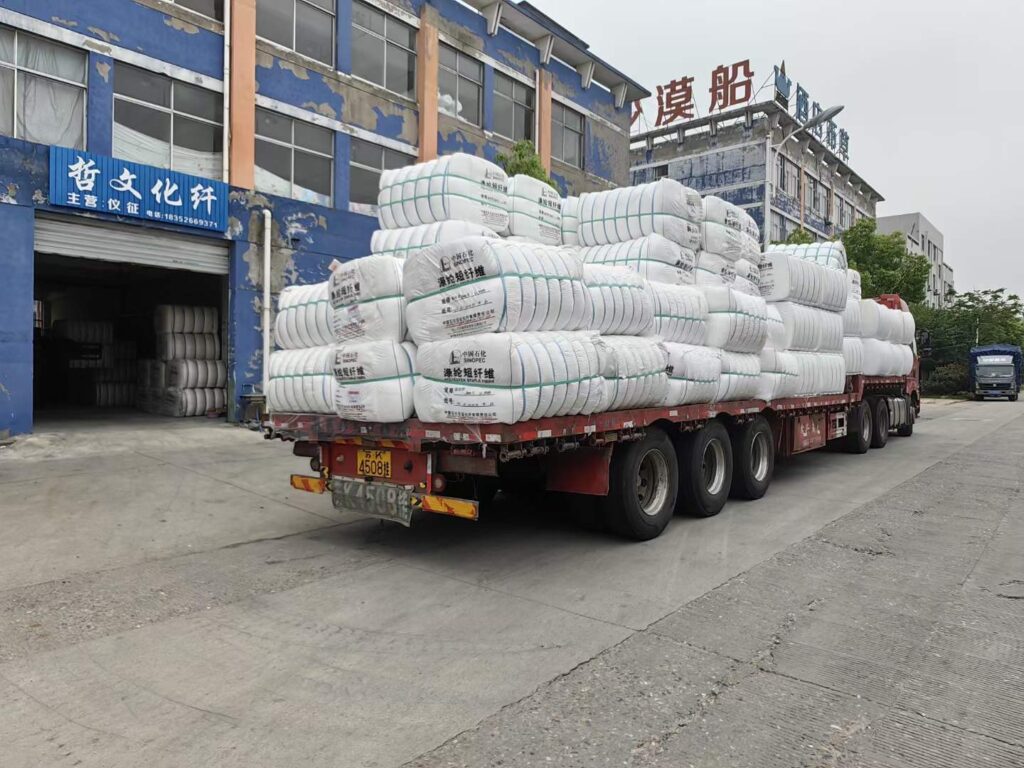
We invite you to place a trial order to experience our quality firsthand. Our standard MOQ is 23,000 kilograms per order.

Regarding pricing, we maintain a no-bargain policy. We believe in transparency and efficiency, so we provide our most competitive offer upfront to save you time and ensure a straightforward procurement process.

8. Can I mix different items in one order?

Yes, for your convenience, we allow for a maximum of two different items to be mixed within a single container.

9. How can you guarantee the product quality?

Quality is the cornerstone of our business. We employ an experienced QC team that monitors every stage of production, from raw material inspection to the final manufacturing process. We utilize a range of advanced testing instruments to ensure our fibers meet strict industry standards.

Our business philosophy is simple: We aim to serve one customer 1,000 times, rather than 1,000 customers once. We prioritize long-term partnerships built on consistent excellence.

10. What’s the payment terms?

L/C at sight, 30% TT in advance are mostly accepted; other terms shall be negotiable by both sides


For more information, please feel free to contact :

Tony Tan

Mobile number: +84 90 466 5251 (Whatsapp/Wechat/Viber/Signal)