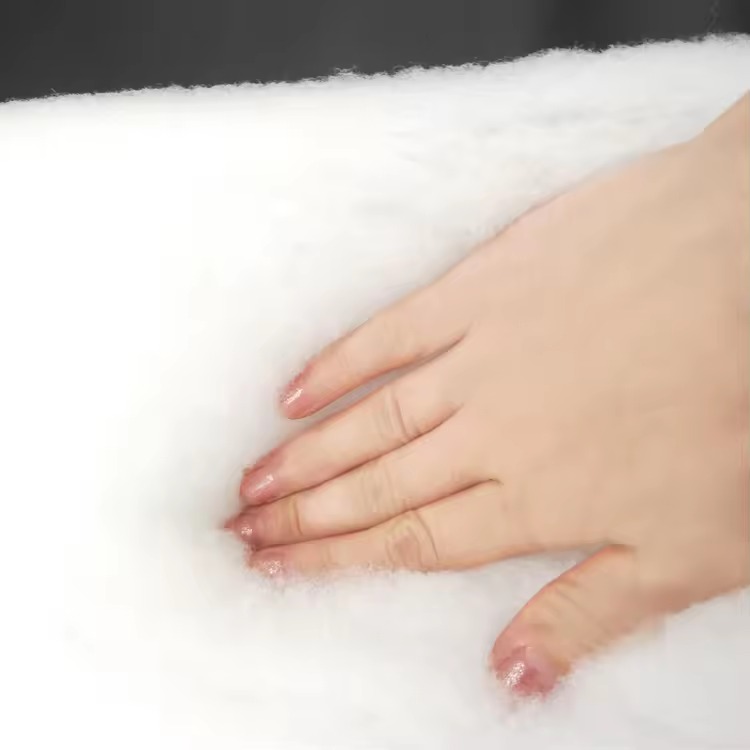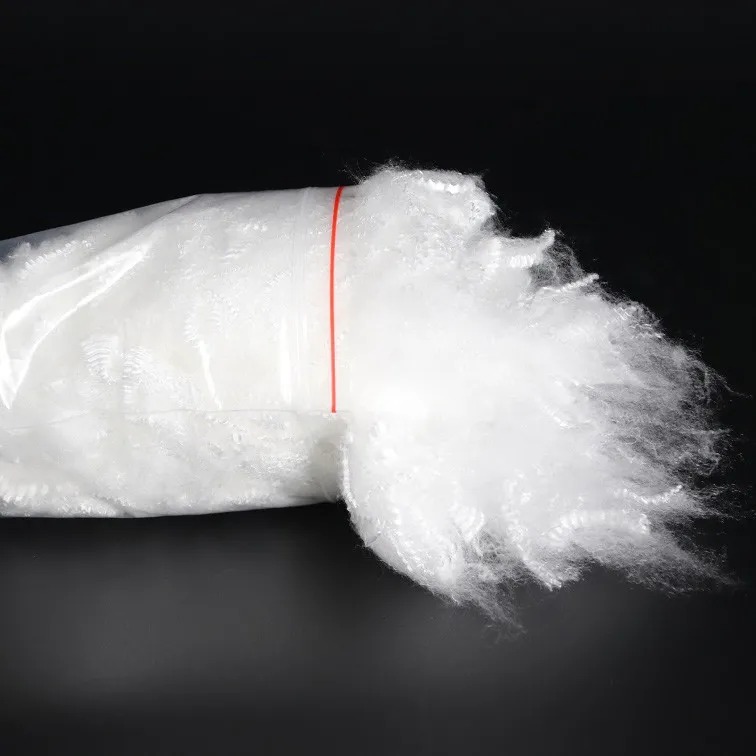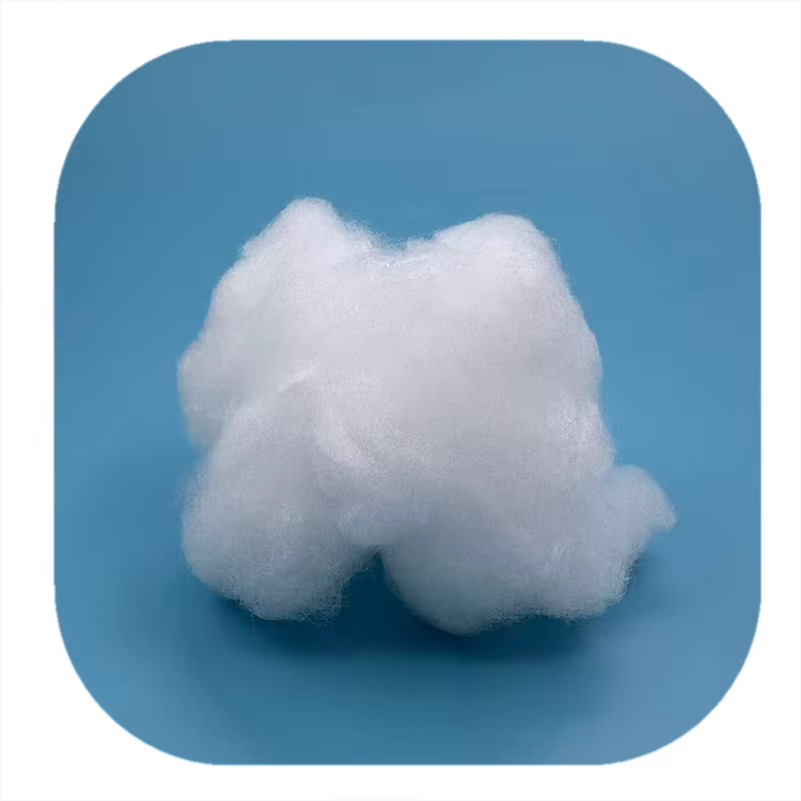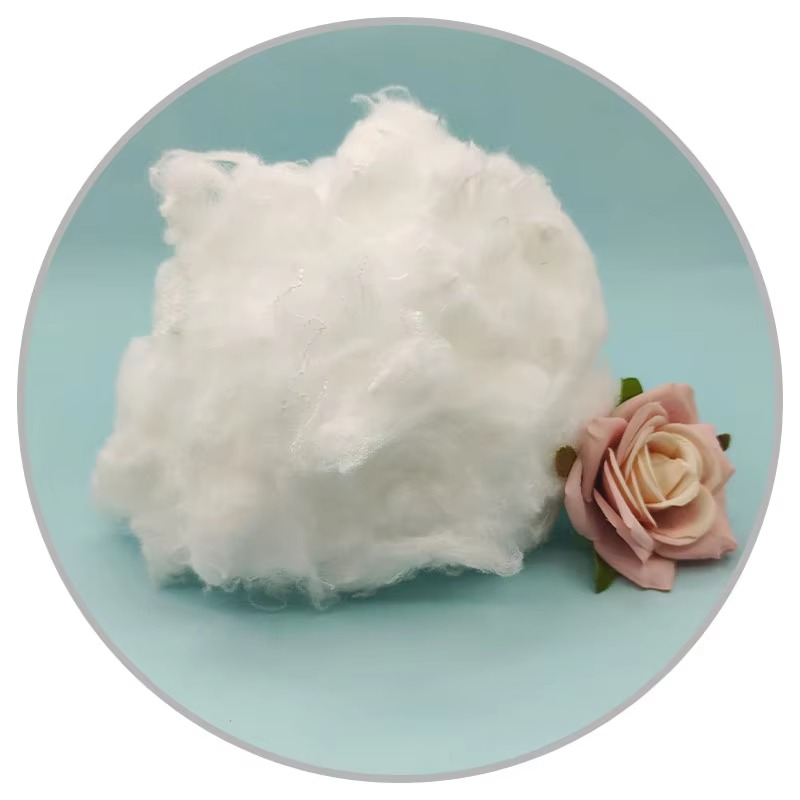
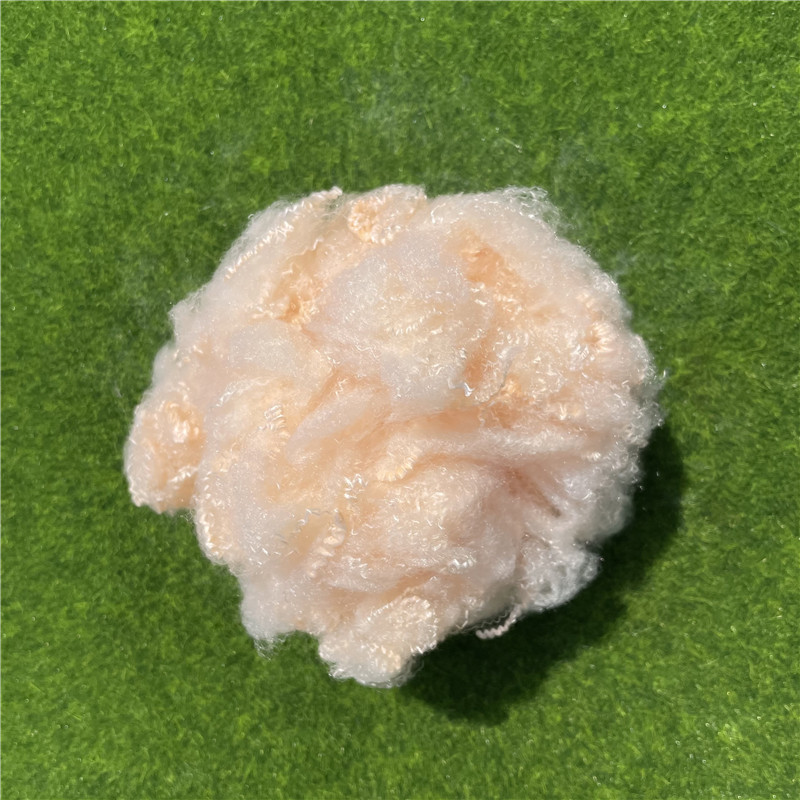
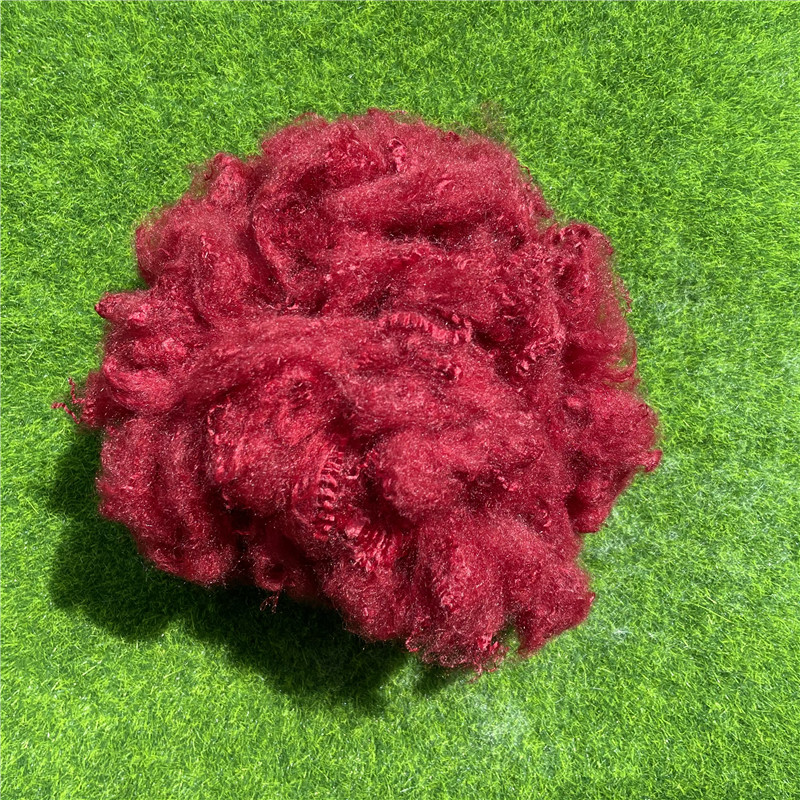
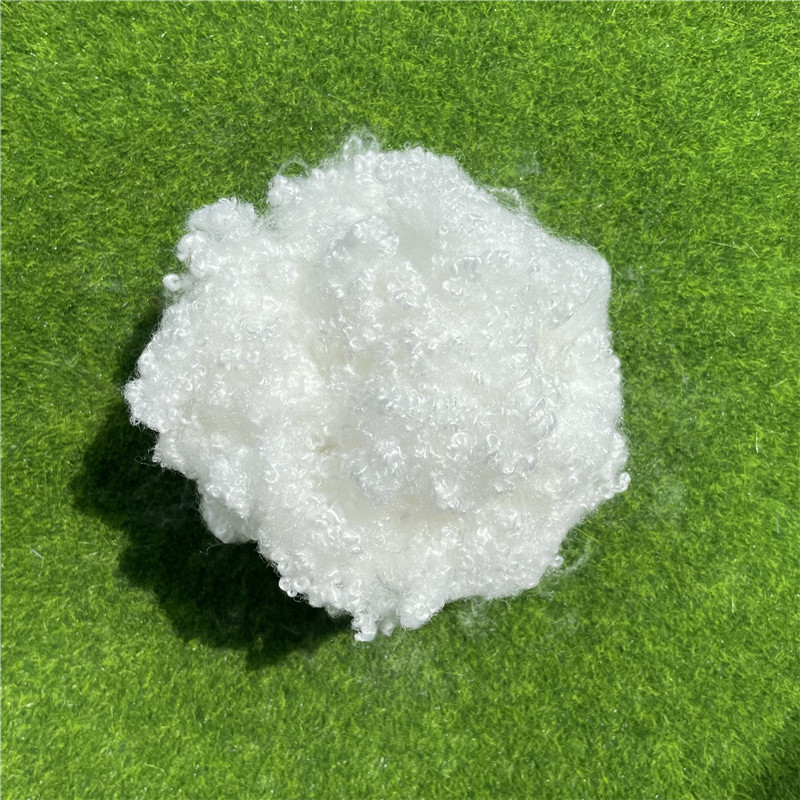
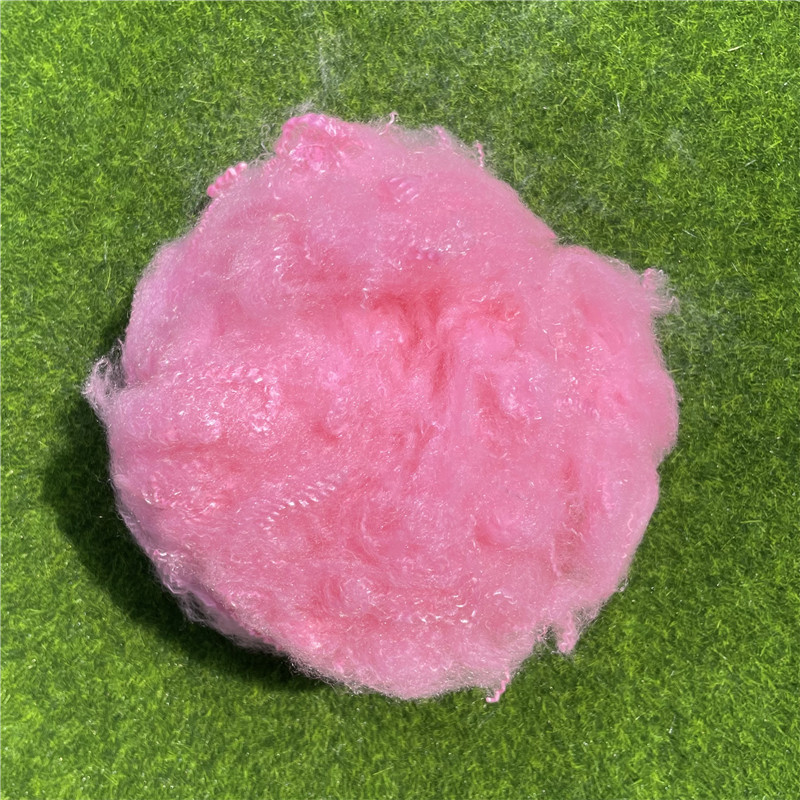
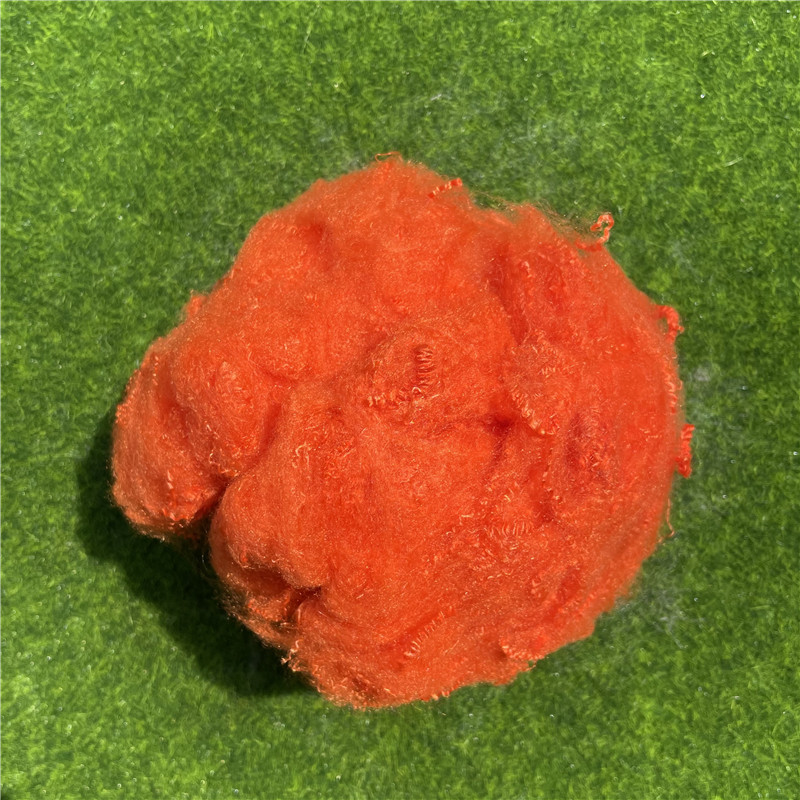
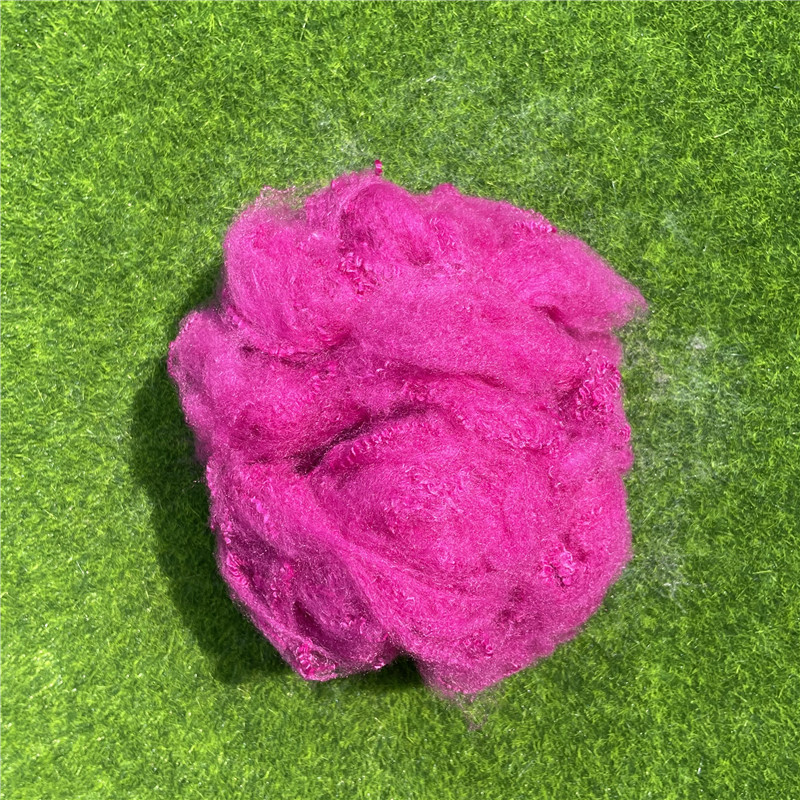
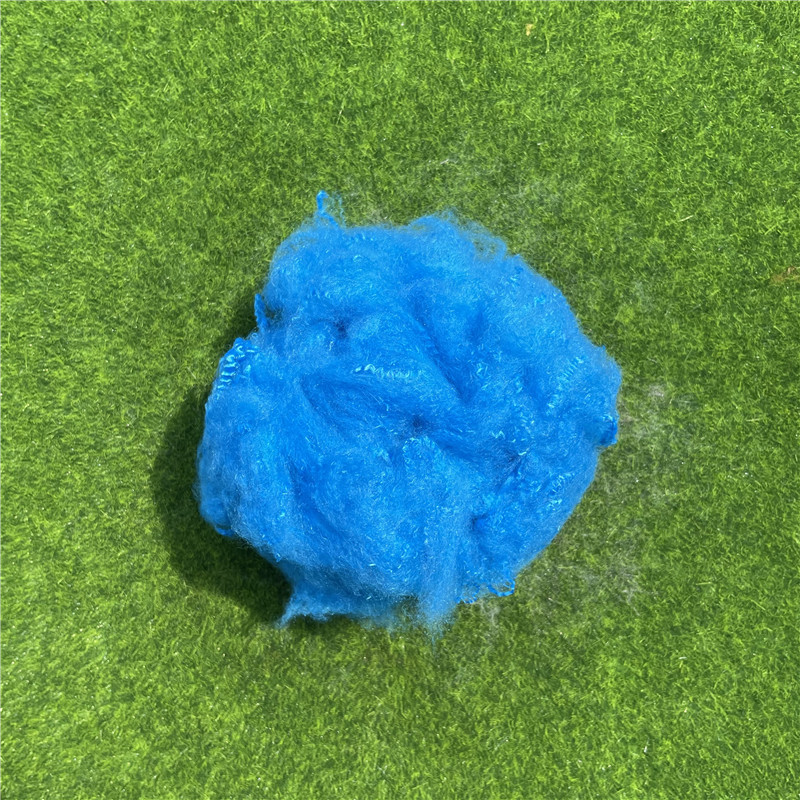
Dope dyed polyester staple fiber
Lasting Color: Pigment is added during production for superior stability and washability.
Built-in Color: The dye is part of the fiber itself, not just on the surface.
Eco-Efficient: A more sustainable and effective alternative to traditional dyeing.
PRODUCT DETAIL
1. What is Dope Dyed Polyester Staple Fiber?
In the modern textile industry, the demand for high-performance materials that combine aesthetic brilliance with mechanical durability is at an all-time high. Dope-dyed virgin polyester staple fiber and its recycled counterparts represent a significant leap forward in fiber technology. By integrating color directly into the polymer melt rather than applying it to the surface of a finished yarn, manufacturers can achieve a level of quality and color fastness that traditional dyeing methods simply cannot match.
Whether you are producing high-end apparel, durable upholstery, or complex nonwoven fabrics, understanding the advantages of dope-dyed technology—specifically in superfine deniers (0.7D to 1.2D)—is essential for staying competitive in the global market.
Dope-dyed virgin polyester staple fiber is a type of fiber that is produced by incorporating a master batch during the melt spinning process. This particular color fiber is characterized by its superior quality, excellent color fastness, resistance to water washing, and the ability to produce various shades of color.
Unlike traditional dyeing, where a white fiber is submerged in a dye bath after it has been produced, dope-dyed fibers are colored at the “source.” This process, often referred to as solution coloring or spun-dyeing, involves incorporating pigments or dyes into the stock solution during the manufacturing process, thereby imparting color to the fiber itself.
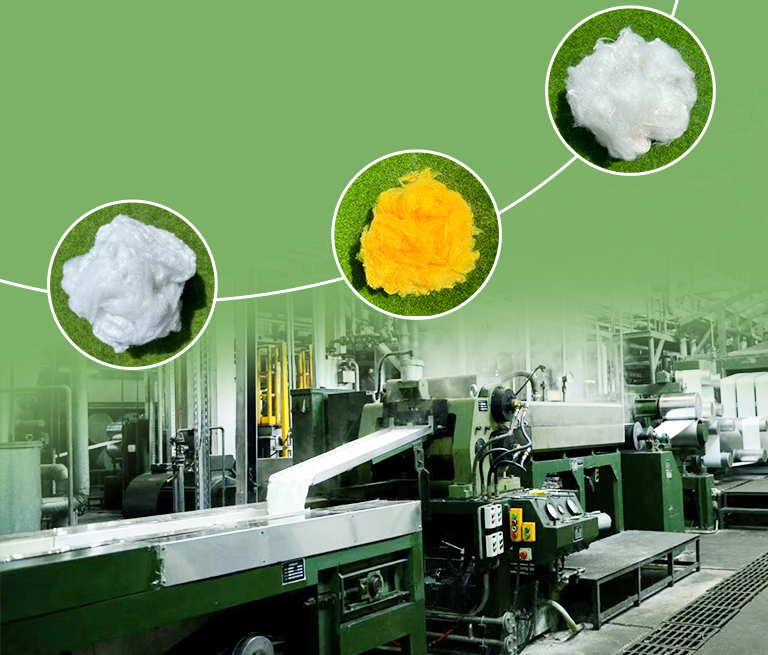
The Chemical Foundation of Virgin Fiber
Polyester staple fiber made from virgin materials is derived from purified terephthalic acid (PTA) and monoethylene glycol (MEG), both of which are sourced from oil. A specialized manufacturing process enhances this fiber’s physical properties and spinnability. It possesses a softer and brighter appearance compared to standard polyester staple fibers, while maintaining high tensile strength and a reduced presence of imperfections.
2. The Rise of Dope Dyed Recycled Superfine Fiber
Sustainability is no longer a luxury; it is a necessity. This type of dope-dyed recycled superfine fiber is derived from recycled bottle flakes and is produced by incorporating a master batch online during the melt spinning process.
Advanced Manufacturing Techniques
It is manufactured using a specialized production method involving a unique oil, which enhances its physical attributes and spinability. With specifications ranging from 38mm to 76mm and 0.7D to 1.2D, it exhibits enhanced spinability and a softer texture. This superfine denier allows for the creation of fabrics that feel incredibly luxurious against the skin while maintaining the rugged durability of polyester.
3. Key Advantages of Solution Coloring Over Traditional Dyeing
This method of coloring offers several advantages over traditional dyeing techniques. One notable advantage of solution coloring fibers is their high level of color stability.
A. Firm Adhesion and Minimal Variance
The pigments or dyes used are completely dissolved in the fiber’s stock solution and uniformly mixed with the fiber material. As a result, the color adheres firmly to the fiber’s surface, making it resistant to fading or loss of color intensity. It displays minimal color variance and a broad range of chromatography, including red, orange, yellow, green, blue, indigo, and violet shades, as well as a variety of derived chromatographies. This ensures that solution-colored fibers maintain their vibrant hues even after prolonged use and multiple washes, with no noticeable color variation or lightening.
B. Superior Resistance to Washing
Additionally, solution-colored fibers exhibit excellent resistance to washing. Through chemical bonding with the fiber molecules during manufacturing, the pigments or dyes create a durable color composition. This chemical bond allows the fibers to withstand repeated washing and friction without losing color intensity or wearing out. As a result, solution-colored fibers retain their original brightness and quality even after numerous washing cycles, maintaining their visual appeal over time.
Enhanced Spinnability and Texture
Textile makers’ main worry is the fiber’s “spinnability”—how it acts during carding and spinning.
Enhanced Softness: This polyester staple fiber demonstrates enhanced softness and spinability. Our superfine fiber fabrics not only provide a soft and pleasant feel but also offer superior resistance to pilling and fluffing.
Fiber Integrity: It is compatible for blending with cotton, viscose, wool, and other fibers. The high tensile strength and reduced presence of imperfections mean fewer breaks on the production line and a higher yield of premium fabric.
Applications in Textiles and Nonwovens
The Dope Dyed Virgin Polyester Superfine Fiber is suitable for use in both spinning and nonwoven fabrics and can be blended with cotton, viscose, wool, and other fibers.
Apparel and Hosiery
Our superfine fiber fabrics are ideal for high-end intimate apparel and lightweight summer wear because they offer a soft and pleasant feel while also exhibiting superior resistance to pilling and fluffing.
High-end intimate apparel
Lightweight summer wear
Performance sportswear that requires vibrant, permanent color
Nonwoven and Industrial Fabrics
In the nonwoven sector, the color fiber boasts superior quality, excellent color fastness, substantial resistance to water washing, and the ability to achieve varied outcomes through color adjustments. This makes it perfect for:
Automotive Interiors: Where UV resistance and color stability are critical.
Home Furnishings: Curtains and upholstery that must resist fading from sunlight.
Acoustic Felts: Where aesthetic color must be uniform across large surface areas.
Summary of Product Features
To summarize why dope-dyed fibers are a type of fiber material known for their color stability and washability, here are the seven key benefits of choosing our material:
Enhanced Softness: This polyester staple fiber demonstrates enhanced softness and spinability.
Optimal Fastness: It exhibits exceptional quality, optimal color fastness, resistance to water washing, and the ability to produce diverse color effects.
Blending Compatibility: It is compatible for blending with cotton, viscose, wool, and other fibers.
Improved Spinnability: It displays improved spinability and a softer texture.
Varied Outcomes: This type of color fiber showcases superior quality, excellent color fastness, substantial resistance to water washing, and the ability to achieve varied outcomes through color adjustments.
Broad Chromatography: It presents minimal color variance and a broad chromatography spanning the entire rainbow and its derived shades.
Pilling Resistance: Our superfine fiber fabrics offer superior resistance to pilling and fluffing, maintaining their visual appeal over time.
Conclusion: The Sustainable Future of Color
Dope-dyed fibers are produced by incorporating pigments or dyes into the stock solution during the manufacturing process, thereby imparting color to the fiber itself. This method of coloring offers several advantages over traditional dyeing techniques, specifically in the realm of environmental protection. By reducing the need for post-production water baths, we minimize water waste and chemical runoff.
If you are looking for a fiber that maintains its original brightness and quality even after numerous washing cycles, our Virgin and Recycled Dope Dyed Superfine Fibers are the premier choice.
Technical Parameter
To help you choose the right material for your production, here is a breakdown of our technical range:
| Feature | Specification Details |
| Denier Range | 0.7D to 1.2D (Superfine) up to standard Deniers |
| Cut Length | 38mm, 51mm, 64mm, 76mm |
| Color Range | Full Chromatography (Red, Orange, Yellow, Green, Blue, Indigo, Violet) |
| Source Material | Virgin (PTA/MEG) or Recycled (PET Bottle Flakes) |
| Finishing | Specialized unique oil for improved spinability |
| Tensile Strength | High-tenacity with low imperfection counts |
Video
FAQ
1. What do you offer?
We supply a comprehensive range of fibers, including recycled hollow conjugated (both siliconized and non-siliconized) polyester staple fiber, hollow fiber, microfiber, virgin polyester staple fiber, and low-melt fiber.
2. What is it used for?
Our fibers are versatile and widely utilized across both the filling and non-woven industries, providing essential loft, durability, and texture for various consumer and industrial applications.
3. Are you a factory or a trading company?
We are primarily a manufacturer specializing in polyester staple fiber with years of industry expertise. To better serve our clients, we also operate a dedicated trading division that allows us to act as a one-stop solution provider.
In addition to our own fiber production, we source high-quality textile components (such as yarn and low-melt fibers) and finished goods (including foam, pillows, cushions, toys, and down/feather products) to ensure our customers have access to a comprehensive supply chain.
4. Where is your factory location?
To maintain a robust and flexible global supply chain, our manufacturing facilities are strategically located throughout Asia, specifically in Vietnam, China, Malaysia, Thailand, and Indonesia. If you would like to visit one of our sites, please contact your sales representative, and we will be happy to arrange transportation for you.
5. Can you accept free sample?
Yes, we provide free hand samples for quantities under 1 kilogram. Once a price is confirmed, we can prepare and dispatch your sample within 2–3 business days. Please note that while the sample is free, the freight costs are the responsibility of the client.
6. Can you provide ODM service?
Absolutely. We specialize in ODM (Original Design Manufacturing). This means we can customize the material composition, dimensions, quantity, packaging, and branding to meet your specific requirements. Your logo and unique specifications will be integrated into the final product.
7. How about your quality? What’s the minimum order Quantity (MOQ)?
We invite you to place a trial order to experience our quality firsthand. Our standard MOQ is 23,000 kilograms per order.
Regarding pricing, we maintain a no-bargain policy. We believe in transparency and efficiency, so we provide our most competitive offer upfront to save you time and ensure a straightforward procurement process.
8. Can I mix different items in one order?
Yes, for your convenience, we allow for a maximum of two different items to be mixed within a single container.
9. How can you guarantee the product quality?
Quality is the cornerstone of our business. We employ an experienced QC team that monitors every stage of production, from raw material inspection to the final manufacturing process. We utilize a range of advanced testing instruments to ensure our fibers meet strict industry standards.
Our business philosophy is simple: We aim to serve one customer 1,000 times, rather than 1,000 customers once. We prioritize long-term partnerships built on consistent excellence.
10. What’s the payment terms?
L/C at sight, 30% TT in advance are mostly accepted; other terms shall be negotiable by both sides
For more information, please feel free to contact :
Tony Tan
Mobile number: +84 90 466 5251 (Whatsapp/Wechat/Viber/Signal)