1. Airlaid nonwoven materials
A selection of different fibers and blends can be utilized to produce products that are suitable for a diverse range of applications.
When bonded thermally using air-through-air, laid nonwoven materials can exhibit high elasticity and flexibility.
Airlaid nonwoven materials offer an excellent padding effect similar to textile fabric, making them a suitable alternative to foam in mattresses.
Airlaid nonwoven materials are commonly used in applications that require sound insulation and absorption due to their porous nature and ability to be densely packed.
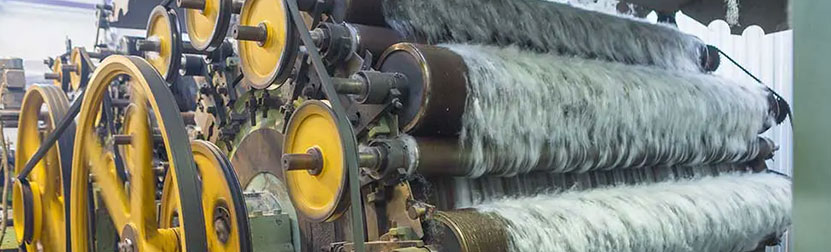
2. Carded bond
Carded nonwovens are a suitable option when consistency and aesthetic appeal are of significance.
A diverse range of thicknesses, weights, and colors are accessible.
Different types of fibers and blends can be utilized, with textures ranging from soft to rigid.
These materials exhibit exceptional resilience, durability, and drainage properties, rendering them suitable for application as geotextile fabric.
3. Needle punch
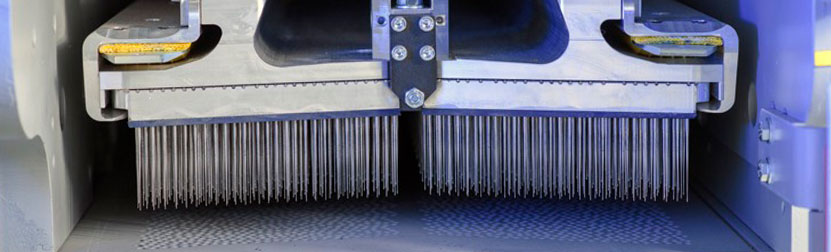
Needle punch nonwovens have excellent loft and elongation properties when no additional bonding or processing is applied.
When subjected to thermal bonding using a calendar machine, needle-punch nonwovens exhibit high toughness and tear resistance.
These nonwovens can utilize a wide range of fibers and blends in their production.
The characteristics of needle punch nonwovens, such as thickness, softness, toughness, and pliability, can be tailored to meet specific requirements.
Needle punch nonwovens are available in various thicknesses, weights, and colors to cater to diverse preferences.
4. Stitch bonded nonwovens
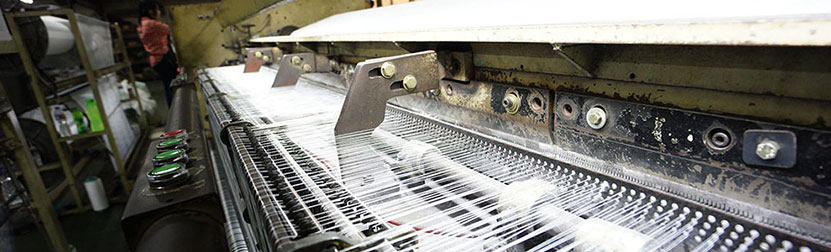
The texture of the material ranges from exceptionally soft to extremely stiff.
The surface is flat, making it suitable for a diverse array of printing techniques.
Stitch bonded nonwovens exhibit strong tensile strength.
They serve as an effective reinforcement for a variety of sports shoe linings.
These nonwovens possess high voluminosity, softness, excellent absorbent properties, elasticity, and air permeability.
Laminated Nonwoven Fabric
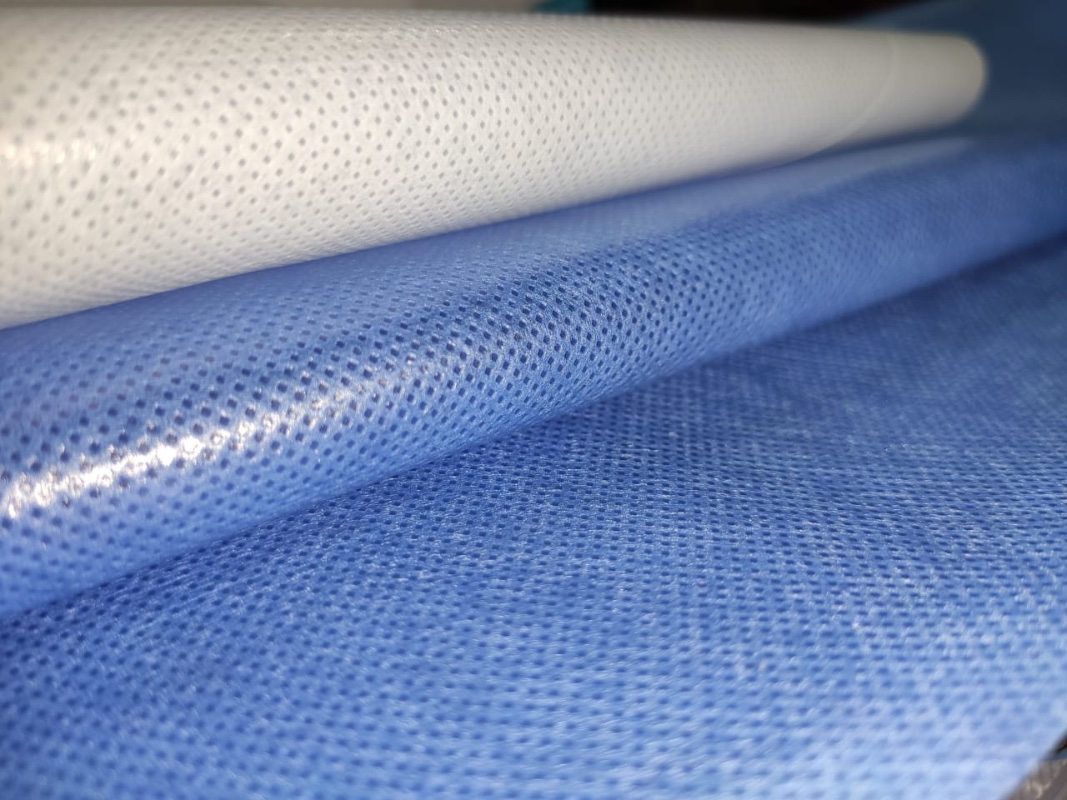
Our laminated nonwoven fabric has a strong base made of nonwoven material and a strong coating layer. This makes it more waterproof, chemical-resistant, and strong.
Our laminated nonwoven fabric is designed to be strong, long-lasting, and protective, so it works well in tough conditions. It’s light but strong, making it ideal for protective clothing, industrial coverings, and hygienic uses.
- Resistant to Water and Chemicals: Keeps liquids and chemicals from getting inside for safer use.
- Strong and flexible: Tough but simple to use and comfortable.
- Many Uses: Great for mattress covers, protective clothing, and packaging for businesses.
- Standards around the world: Made to fulfill the reliability criteria set by ASTM, ISO, and EN.
Our laminated nonwoven fabrics are made of high-quality nonwovens and laminated layers that work together to provide better barrier protection, durability, and dimensional stability. These textiles are made for tough jobs and are ideal for medical, hygienic, industrial, and protective products. Important Details:
- GSM Range: 40 to 250 gsm
- Width: 320 cm at most
- Bonding Technology: Lamination via heat, sound, or glue
- Surface Features: Smooth, embossed, or rough finish
Our laminated nonwoven fabric is made to work well in tough industrial and healthcare settings.
- Gowns, masks, protective clothing, and liners for surgery
- Bags, pouches, sheets to cover things, and labels
- Curtains, tablecloths, and ornamental panels
- Layers that filter out dirt, barriers that keep moisture out, and wraps that protect
Flash-spun fabrics
This one-of-a-kind method makes a material with a unique mix of qualities, including high strength, great barrier protection, and unexpected breathability.
The flashspun method makes a one-of-a-kind nonwoven fabric with a complex web of very fine, high-density polyethylene (HDPE) fibers. Under high pressure and temperature, HDPE resin is dissolved in a solvent. When this solution is quickly “flashed” (spinning) into a low-pressure area, the solvent turns into gas right away, leaving behind a web of HDPE filaments that are all knotted together.
Better Protection for Barriers: Because of its thick, twisted structure, it makes a viable barrier against liquids, particles, and even some chemicals.
Air flow: Its fiber structure lets water vapor (sweat) pass through while preventing liquids, which makes protective clothing more comfortable.
Lasting power: It doesn’t wear out, age, or get damaged by chemicals, so it stays strong over time.
It can be recycled: Flashspun fabrics are made entirely of HDPE and may often be recycled if the right facilities are available.
At the heart of our Flashspun technology is a dedication to both the environment and performance. We are always coming up with new ideas to make our manufacturing more efficient, have less of an impact on the environment, and make every cloth last longer.
Important Points:
- Recyclable Composition: Made entirely of HDPE, which makes it easy to recycle and use again.
- Longer Product Life: High durability means that you don’t have to replace things as often, and less material is wasted.
- Efficient Manufacturing: Processes that utilize less energy and resources cut down on emissions.
- Circular Approach: Made for long-lasting production and appropriate recovery at the end of life.
- Innovation-Driven: Ongoing research and development to improve the efficiency of products and their impact on the environment.
Flashspun fabrics are essential in several fields because they offer both protection and performance:
- Protective clothing includes chemical suits and cleanroom clothes that keep you safe from dangerous particles while still being comfortable.
- Medical Packaging: Sterilization wraps and pouches that keep things sterile while letting gas sterilization happen.
- Housewraps and roofing underlays that let air flow through them and protect against moisture and weather damage.
- Packaging Solutions: Tough HDPE layers that protect delicate items from dirt and damage.
Nonwovens with many layers
Multi-layered nonwovens are advanced materials made by putting together two or more different nonwoven fabrics or material layers into one composite structure. Single-layer nonwovens are great at certain things (such as becoming soft, strong, or a barrier), while multi-layered systems are designed to combine a wide range of functions.
The main advantage of multi-layered nonwovens is that they can combine qualities that single-layer materials couldn’t get on their own:
Better at soaking up: Putting an absorbent nonwoven (like spunlace or airlaid) on top of a liquid-repellent one makes wicking and retention systems that work quite well.
Softness at its best: For the best comfort and product integrity, you can mix a soft topsheet (like thermal-bonded) with a robust structural layer (like spunbond).
Many Uses: Can be changed to satisfy very specific and complicated performance needs in a wide range of applications.
Better protection for barriers: Adding spunbond and meltblown layers together makes it much harder for liquids, particles, and pathogens to get through.
To make multi-layered nonwovens, you combine different types of nonwovens and often use multiple methods to attach them together:
Important Points:
- Different types of textiles are used in the layers, such as spunbond, meltblown, spunlace, or thermal-bonded fabrics, to find the right blend of strength, softness, and barrier qualities.
- Thermal, adhesive, and mechanical bonding procedures are all examples of advanced bonding techniques that make sure the structure stays strong and works the same way every time.
- Innovative Multi-Layer Structures: SMS, SSM, and S/PP are examples of configurations that offer better protection and filtration.
- Functional Integration: Adding films, foams, or pulp layers makes the product more flexible and improves its performance in the end.
- Multi-layered nonwovens offer customized performance across sectors by combining protection, filtration, and functionality to tackle the toughest problems with accuracy and dependability.
- Protective Suits: Suits for chemicals and industry that can handle tough conditions.
- Agricultural Covers: Two layers of fabric that protect crops from soil erosion, keep weeds in check, and increase output.
- Filtration Systems: High-tech air and liquid filters that catch more dust and keep structures strong.
- Home and industrial wipes: These wipes are great for cleaning since they include layers that soak up a lot of liquid and are made of robust, scrub-resistant materials.
Applications of nonwoven fabric in Apparel
We offer well-designed interlining material that gives clothes and fabrics the correct mix of shape, flexibility, and strength.
Interlining is a layer that is hidden between the surfaces of fabric. It gives clothes their shape and feel.
We make high-quality nonwoven interlinings that fulfill the demanding needs of the clothing, shoe, and home textile sectors.
Light and flexible: Adds shape without making it less comfortable or droopy.
Lasts a long time and is strong: Keeps its shape and strength even after being used and washed several times.
Many Uses: Great for clothes, shoes, purses, and home textiles.
Standards around the world: Made to fulfill the quality requirements set by ISO, ASTM, and EN.
VNPOLYFIBER interlining solutions provide the optimal mix between form, stability, and textile integrity, whether you’re making high-fashion clothes or industrial ones.
- Shirts, coats, and blazers for men
- Collars, cuffs, and waistbands
- Shoes, bags, and leather goods
- Curtains, sofa covers, and other things for the home
- Interiors for cars and factories
- Fusible and non-fusible interlinings for collars and cuffs, front plackets, waistbands, jacket reinforcing, and hem tapes are all used in clothing and garment construction.
- Embroidery and Crafts: Cut-away and tear-away embroidery stabilizers, quilting backing, appliqué support, and stiffeners for DIY crafts
- Accessories and leather goods: stiffeners for caps and hats, linings for belts, and inner layers for wallets and purses.
- Curtain headers and pleats, shoe upper linings, upholstery reinforcement, and window blind stiffeners are all examples of home textiles and footwear.
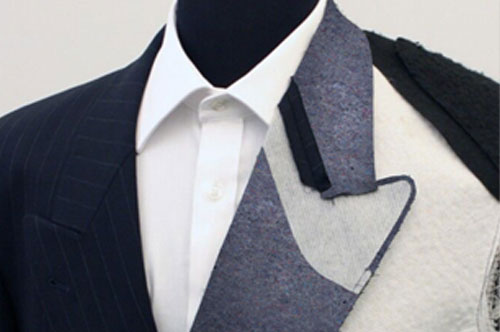
Interlining & interfacings
The purpose of interlining is to add warmth, body and drape to a garment, while the purpose of interfacing is to provide structure. Nonwoven fabrics are believed to improve the fit and overall look of a garment. Nonwoven fabrics can also help to improve the durability of a garment.
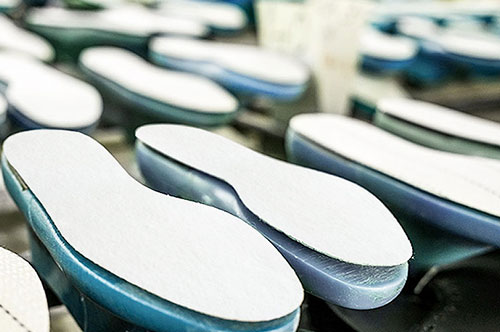
Shoe lining & insoles
Nonwoven fabrics play important roles in the production of shoes. The reason shoe manufacturers use nonwoven fabrics as shoe lining & insoles is to cut costs. Nonwoven fabrics are guaranteed to be cheaper than other materials.
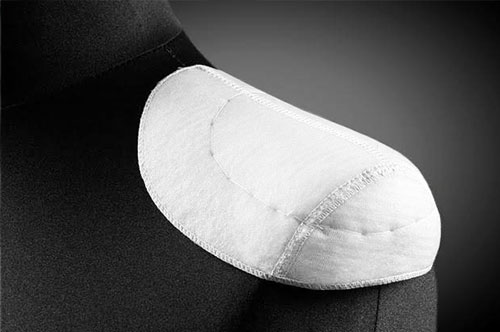
Underwear, bras & shoulder pads
Foams are usually used for padding on underwear, bras & shoulder pads. Due to the environmental awareness, more nonwoven fabrics are used. Nonwoven fabrics can be made very dense or soft, thick or thin, while maintaining good padding effects.
Applications of nonwoven fabric in Automotive
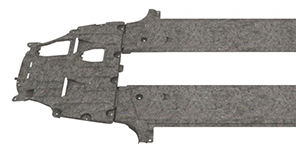
Headliners and flooring
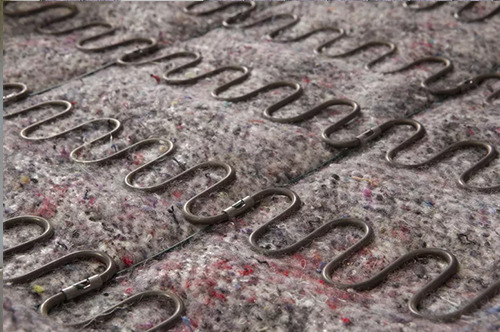
Seating
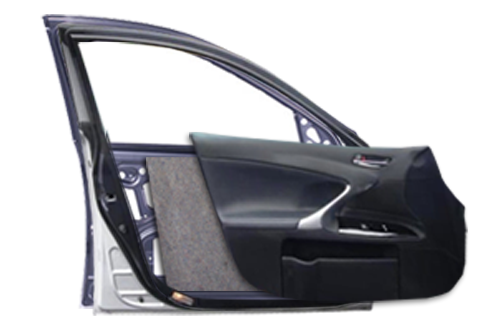
Interior components
Applications of nonwoven fabric in Building and Construction
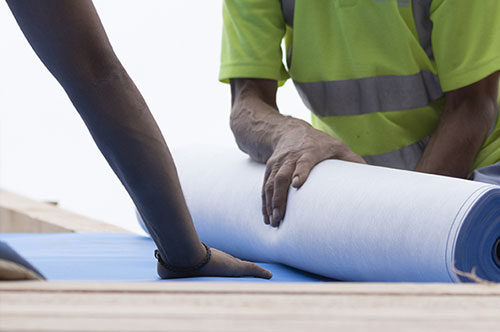
Roofing
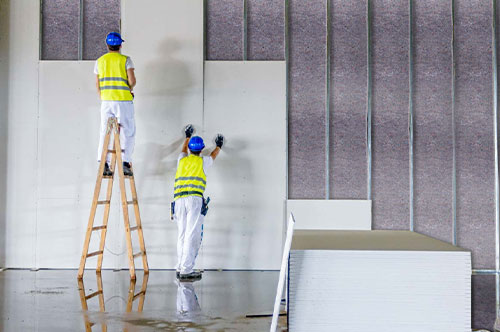
Insulation
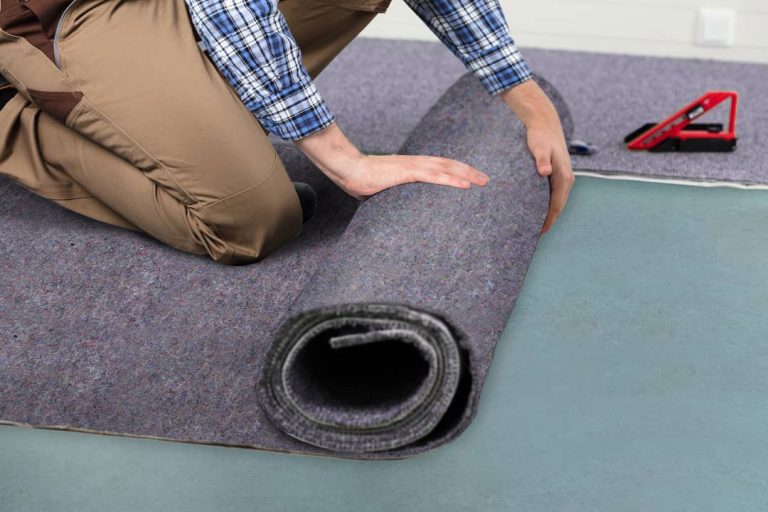
Floor covering
Applications of nonwoven fabric in Geotextile
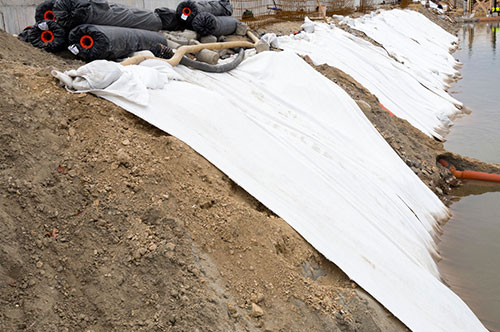
Separation
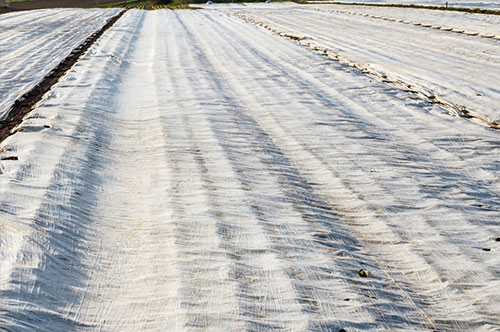
Reinforcement

Erosion control
Applications of nonwoven fabric in home textiles
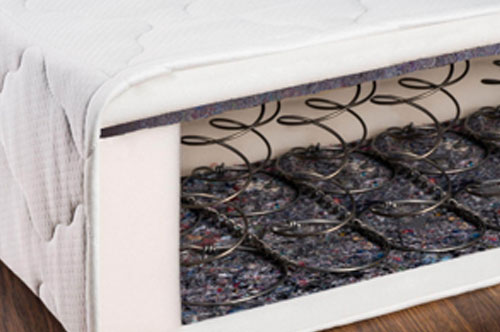
Spring isolator
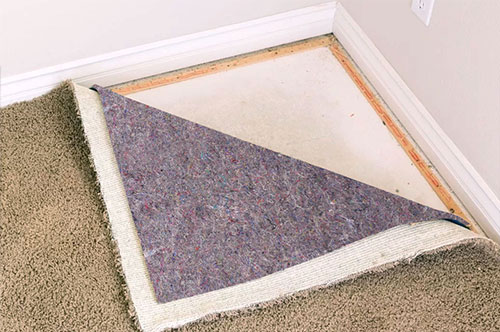
Carpet and rugs
Nonwoven fabrics have economical advantages compared to other fabric materials. Nonwoven fabrics are often used as carpet backing to reduce deformation. A wide variety of printing methods can be applied on the nonwoven fabric due to its flat surface. This makes nonwoven fabric a good option for home decoration.
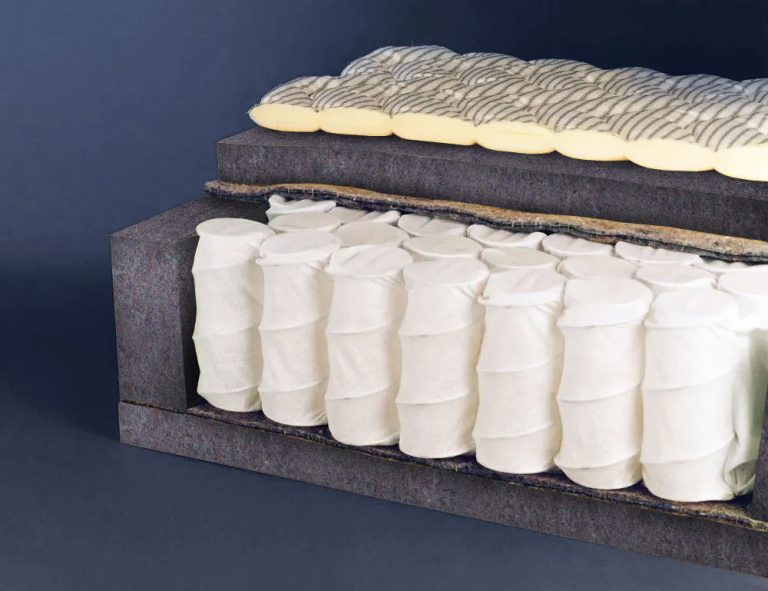
Foam replacement
Other Nonwoven products we offer
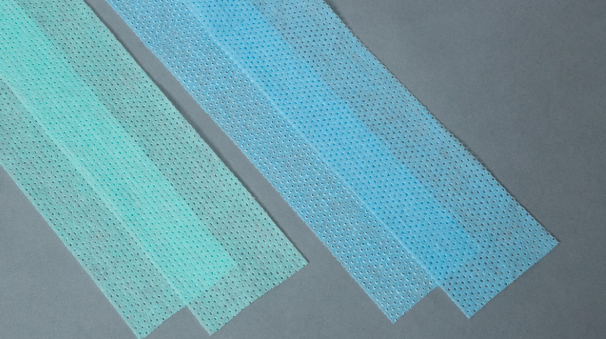

Nonwoven products Porfolio
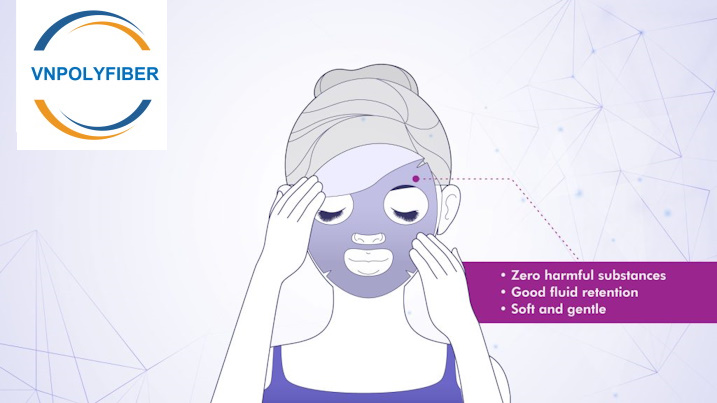
For facial care, VNPOLYFIBER’s hydroentangled nonwoven technology offers exceptional strength, softness, and fluid retention properties in sheet masks. Made with a blend of viscose, lyocell, and cotton, our sheet masks provide nourishing benefits while adhering comfortably to the skin. Pamper and rejuvenate your skin with our luxurious sheet masks for a fresh and radiant complexion.
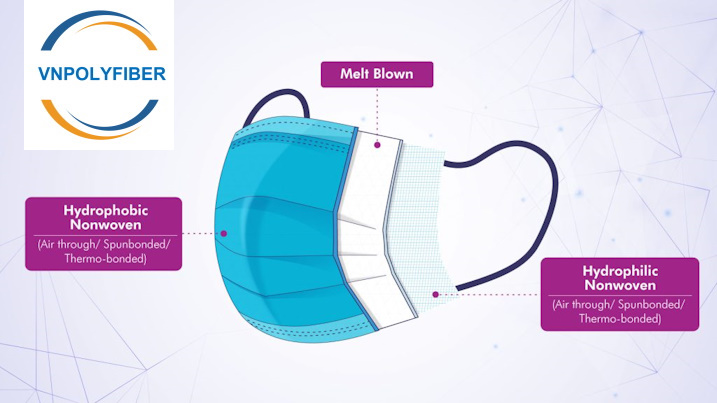
In the healthcare sector, VNPOLYFIBER provides top-of-the-line nonwoven materials for surgical masks that offer superior protection and comfort. Our innovative approach has enabled us to meet the rising demands of surgical mask manufacturers, earning the trust of medical professionals worldwide. With a dedication to excellence, we strive to provide cutting-edge solutions for the healthcare industry.
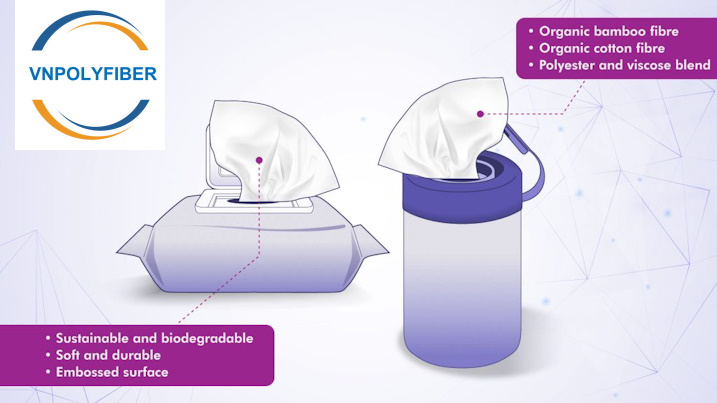
When it comes to gentle yet effective cleaning, VNPOLYFIBER understands the importance of quality materials. Our spunlace nonwoven wipes are made from a blend of polyester and plant-based fibers, ensuring they are soft and safe for delicate skin. Highly absorbent and moisture-retentive, our wipes guarantee a thorough cleaning experience for your loved ones.
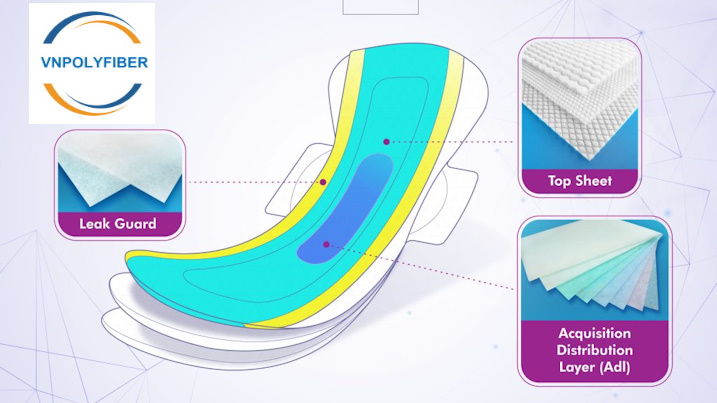
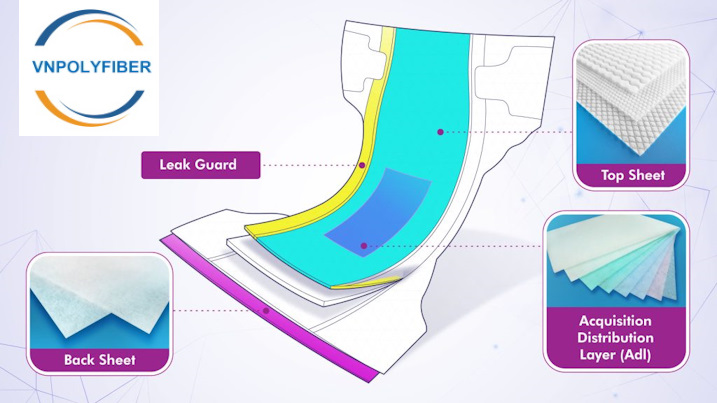
For the feminine hygiene market, VNPOLYFIBER offers a diverse range of premium nonwoven materials designed to prioritize health and safety. Our specially engineered nonwovens undergo rigorous testing to ensure exceptional absorption for high-viscosity liquids, providing women with maximum comfort and confidence. We are committed to innovation and customer satisfaction, offering reliable solutions for the feminine hygiene industry.