Dope Dyed Fiber: The Complete Guide to Solution Dyeing, Recycled Dope Dyed Polyester & Sustainable Color
Color is fundamental to textiles, but the traditional process of dyeing fiber and fabric is one of the most water-intensive, chemically demanding, and environmentally burdensome steps in the entire textile supply chain. Conventional dyeing consumes enormous volumes of water, generates significant chemical wastewater, and requires repeated heat processing that demands substantial energy. For an industry under increasing sustainability scrutiny, this is a critical problem to solve.
Dope dyed fiber — also called solution dyed fiber or pigment dyed fiber — offers a fundamentally different approach: color is incorporated into the fiber during the spinning process itself, before the fiber even exists as a solid strand. The result is a fiber that is colored all the way through its cross-section, with exceptional colorfastness, dramatically reduced water and chemical consumption, and the ability to be produced from recycled PET feedstock in a genuinely sustainable production chain.
This comprehensive guide covers everything manufacturers, product developers, and sustainability-focused buyers need to know about dope-dyed fiber: the science behind solution dyeing, the advantages of recycled dope-dyed polyester, the full range of applications, and how to specify the right dope-dyed fiber grade for your product.
What Is Dope Dyed Fiber? Understanding Solution Dyeing
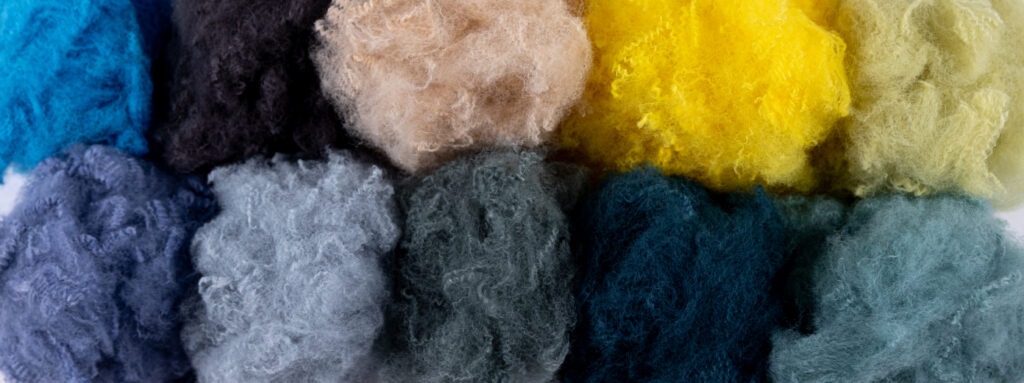
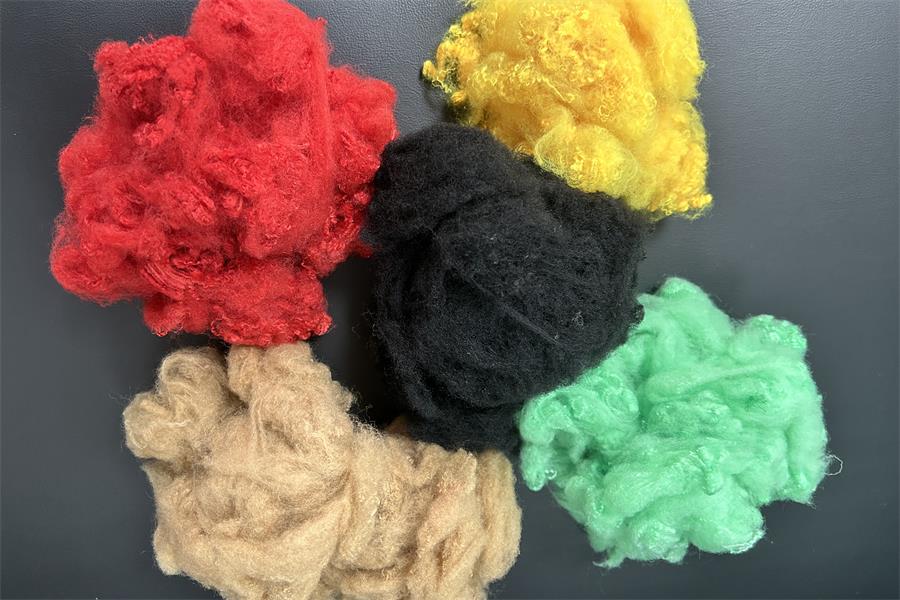
Dope dyed fiber — abbreviated as DDS fiber in the industry — is a colored synthetic fiber in which the colorant (pigment) is mixed directly into the polymer melt before the fiber is extruded through the spinneret. The pigment is not applied to the fiber surface after production (as in conventional dyeing) but is homogeneously dispersed throughout the entire polymer mass from which the fiber is formed.
The name “dope-dyed” comes from the textile industry term “dope”—the viscous polymer solution or melt that is extruded through spinnerets to form fibers. When pigments are added to this melt before extrusion, the resulting fiber is “dope dyed.” The process is also called solution dyeing, mass coloration, or spun dyeing in different industry contexts—all referring to the same fundamental technique.
The critical difference from conventional dyeing is straightforward: in dope dyeing, the color goes into the fiber, not onto it. In conventional exhaust or padding dyeing, dye molecules are forced into or adhere to the fiber surface from a dye bath—a process requiring large amounts of hot water, chemical auxiliaries, and energy. In dope dyeing, pigment particles are mechanically dispersed throughout the polymer matrix before spinning—no water, no dye bath, no auxiliary chemicals, and no wastewater.
Dope Dyed Fiber vs. Conventionally Dyed Fiber: A Direct Comparison
Dimension | Conventional Dyeing | Dope Dyed Fiber (DDS) |
When color is applied | After fiber production—fiber dipped in dye bath | During fiber production—pigment in polymer melt |
Water consumption | Very high (10–100 liters per kg fiber) | Near zero—no dyeing water required |
Chemical inputs | Dyes, fixatives, salts, pH adjusters, washing chemicals | Pigment only — no auxiliary chemicals |
Wastewater generated | Significant—dye-laden wastewater requiring treatment | None from the coloring process |
Energy consumption | High — repeated heating of dye baths and rinse water | Low pigment dispersion in existing melt process |
Colorfastness | Good–Very Good (depends on fiber/dye system) | Excellent — pigment locked throughout fiber cross-section |
UV resistance | Moderate—surface dyes can degrade under UV | Very High — pigments deeply embedded, UV stable |
Wash fastness | Good–Excellent (after proper fixation) | Excellent—color cannot be washed out |
Color consistency | Batch-to-batch variation possible | Highly consistent — pigment metered by weight |
Cost structure | Lower fiber cost; high processing cost | Slightly higher fiber cost; zero dyeing cost |
The Science of Dope Dyeing: How It Works
Understanding how dope-dyed fiber is produced helps explain why its performance and sustainability advantages are so compelling and structurally embedded—not dependent on process optimization at the dyeing stage.
Pigment Selection and Preparation
Unlike dyes—which are soluble colorants that bond to fiber through chemical or physical interaction—the colorants used in dope dyeing are insoluble pigments: finely ground solid particles dispersed throughout the polymer matrix. Pigment selection is critical: the pigment must be heat-stable at the polymer melt temperature (typically 270–290°C for PET), chemically compatible with the polymer matrix, finely enough ground to not affect spinneret performance, and non-toxic for the intended application.
Pigments are pre-dispersed in a carrier polymer—creating a masterbatch—to ensure uniform distribution in the polymer melt. The masterbatch is metered into the PET melt stream at a precisely controlled ratio before the spinneret, ensuring consistent color throughout the production run. The accuracy of this metering is what gives dope-dyed fiber its exceptional color consistency—variations of less than 0.5 Delta E between production batches are achievable with modern masterbatch metering systems.
Spinning with Color
The pigment-loaded PET melt is extruded through the same spinneret equipment used for standard fiber production. The pigment particles are so finely dispersed — typically below 0.5 microns — that they do not obstruct the spinneret holes or create defects in the spinning process. As the filament solidifies from the outside inward during quenching, the pigment is locked uniformly throughout the entire fiber cross-section. There is no surface layer to abrade away, no dye to wash out, and no UV exposure pathway to the colorant—the pigment is inside the fiber, protected by the polymer matrix surrounding it.
This structural color permanence is why dope-dyed fiber consistently outperforms conventionally dyed fiber in colorfastness testing—particularly in UV resistance (light fastness), wet rubbing fastness, and wash fastness—across all the conditions that cause color degradation in conventionally dyed textiles.
What Is Recycled Dope-Dyed Polyester Fiber?
Recycled dope dyed polyester fiber combines two of the most powerful sustainability innovations in modern fiber production: the use of post-consumer recycled PET feedstock (recovered from plastic bottles and industrial waste) and the elimination of water-intensive dyeing through solution coloring in the melt phase.
The production process mirrors that of standard dope dyed fiber, with one key difference at the feedstock stage: instead of virgin petrochemical PET chips, the process begins with cleaned, melted, and filtered rPET flake derived from post-consumer PET bottles. Color masterbatch is added to this recycled melt stream before extrusion—producing a fiber that is simultaneously recycled in content and solution-colored in finish.
This combination delivers a compounding sustainability benefit: the recycled feedstock avoids primary polymer production (reducing carbon footprint by 30–60% vs. virgin fiber), and the solution dyeing process eliminates the water consumption, chemical use, and wastewater generation of conventional dyeing. A recycled dope-dyed polyester fiber has, on a lifecycle basis, one of the lowest environmental footprints of any colored synthetic fiber available today.
Key Advantages of Dope-Dyed Fiber
Exceptional Colorfastness Across All Conditions
The most immediately compelling performance advantage of dope-dyed fiber is its colorfastness—the resistance of the color to fading, bleeding, or changing under use and laundering conditions. Because the pigment is physically embedded throughout the fiber cross-section rather than bonded to its surface, it cannot be removed by washing, rubbing, UV exposure, or chemical contact in the way surface-applied dyes can.
In standardized colorfastness testing (ISO 105 series), dope-dyed polyester fiber consistently achieves ratings of 7–8 on the 1–8 scale for light fastness (ISO 105-B02) and 4–5 on the 1–5 scale for wash fastness (ISO 105-C06)—among the highest ratings achievable for any colored fiber. These ratings make dope-dyed fiber the material of choice for outdoor textiles, automotive interiors, and high-use contract textiles where color stability over years of exposure is non-negotiable.
Dramatic Water and Chemical Savings
The water consumption statistics for conventional textile dyeing are striking: a typical fiber dyehouse uses between 10 and 100 liters of water per kilogram of fiber dyed, depending on the dyeing process and the number of rinse cycles required. For a medium-sized polyester fiber dyehouse processing 10,000 tonnes per year, this represents consumption of 100 million to 1 billion liters of water annually — often in regions already facing water stress.
Dope dyed fiber eliminates this entire water footprint from the coloring process. When pigment is added to the polymer melt, there is no dye bath, no rinse water, and no chemical washing required. The water saving per kilogram of colored fiber is essentially complete—making dope dyeing one of the most water-efficient coloring technologies available to the fiber industry.
The elimination of chemical auxiliaries—the dye fixatives, pH adjusters, electrolytes, and washing agents used in conventional dyeing—removes a further significant environmental and cost burden and eliminates the wastewater treatment requirements associated with dye-laden effluent.
Superior UV and Outdoor Durability
For outdoor textiles — awning fabrics, garden furniture covers, marine textiles, shade sails, and outdoor carpets — UV stability of the colorant is a critical performance requirement. Conventionally dyed fabrics can show significant color fading after just one season of outdoor UV exposure. Dope dyed fiber, with its UV-stable pigments embedded deep within the fiber cross-section, maintains color vibrancy under years of continuous outdoor UV exposure — making it the standard choice for outdoor performance textiles worldwide.
Color Consistency and Production Efficiency
In conventional dyeing, achieving consistent color across multiple dye batches—lot-to-lot color matching—is technically challenging and requires careful management of dye concentration, temperature, time, liquor ratio, and fiber batch variation. Even with good process control, color variation between batches requires shade sorting and sometimes product relegation.
In dope dyeing, color is controlled by the masterbatch metering ratio—a weight-based, continuously monitored process parameter that is highly reproducible. Batch-to-batch color consistency is dramatically better than conventional dyeing, reducing shade sorting, eliminating re-dyeing of out-of-specification material, and simplifying inventory management for downstream customers.
Enhanced Brand Reputation and Sustainability Credentials
As fashion brands, automotive manufacturers, and consumer goods companies face increasing scrutiny of their supply chain sustainability — from regulatory reporting requirements to consumer awareness campaigns — the ability to demonstrate quantifiable environmental improvements in material choices has become commercially important. Specifying recycled dope-dyed polyester fiber allows brands to claim both verified recycled content (GRS certification) and verified water and chemical savings from solution dyeing—a compelling, substantiated double sustainability story.
Applications of Dope Dyed Polyester Fiber
Automotive Interiors
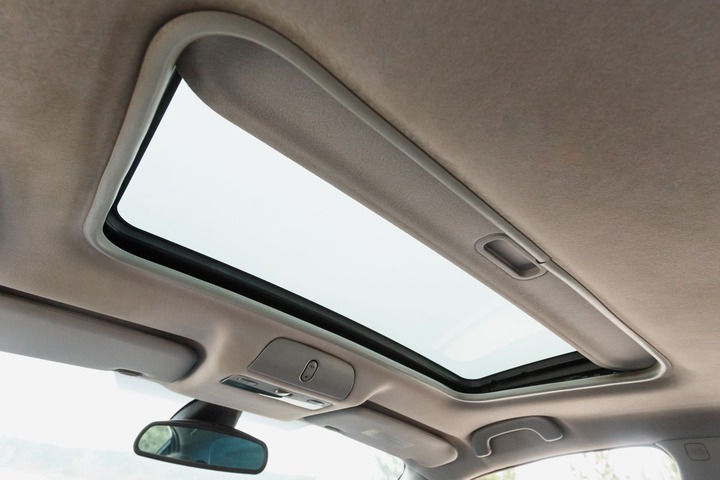
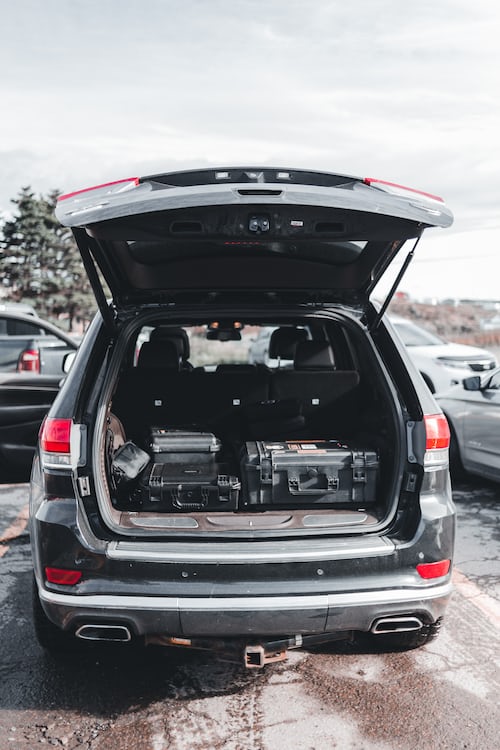
The automotive industry was among the first to adopt solution dyeing at scale, driven by the stringent colorfastness and UV stability requirements of vehicle interior textiles. Car seat fabrics, headliners, door panel fabrics, floor carpets, and trunk liners must maintain their color and appearance over the vehicle’s entire service life—typically 10–15 years—including significant UV exposure through glass, temperature cycling from -20°C to +80°C, mechanical abrasion from occupant movement, and chemical contact from cleaning products.
Dope dyed polyester fiber delivers this long-term color stability reliably and without the VOC risk associated with some conventional dye auxiliaries — an important attribute as automotive interior VOC regulations become more stringent globally. Specific automotive applications include:
- Car seat fabrics—both woven and knitted constructions using dope-dyed polyester yarn
- Headliner facings—nonwoven or knitted fabrics where consistent, UV-stable color is required across vehicle production runs
- Trunk liners and trunk nonwovens—dark colors (black, grey, charcoal) produced from dope-dyed solid polyester fiber, eliminating the dyeing step entirely
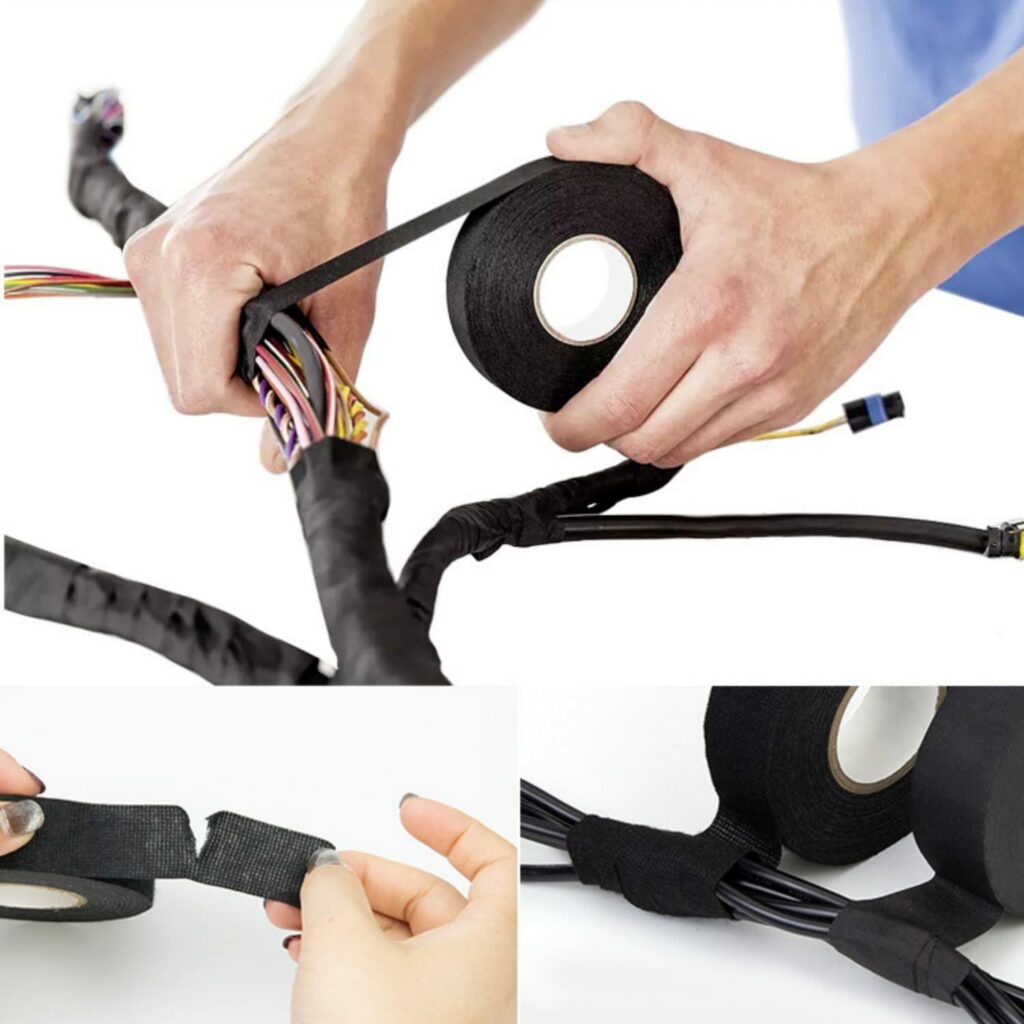
- Wire harness wrapping—dope-dyed nonwoven tape used for color-coding and protection of automotive electrical harnesses
- Door panel surface fabrics—solution-dyed fabrics offering color consistency across high-volume production runs
Apparel — Activewear, Outdoor, and Fashion
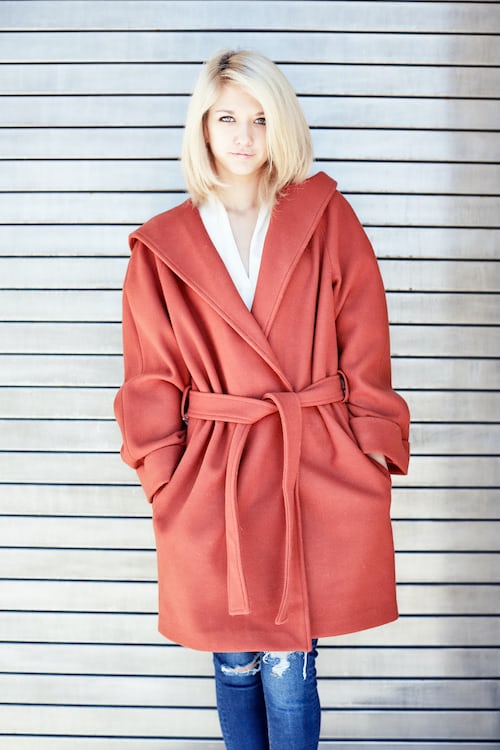
Dope dyed polyester fiber and yarn are widely used in performance apparel — sportswear, outdoor jackets, swimwear, and athleisure — where UV resistance, wash fastness, and chlorine resistance (for swimwear) are critical. The combination of solution dyeing and recycled polyester feedstock enables activewear brands to simultaneously address sustainability commitments and deliver superior color performance — a combination increasingly demanded by performance apparel consumers.
In fashion applications, dope-dyed fiber supports seasonal color consistency—the ability to reproduce exactly the same color shade across multiple production runs and over time—without the batch-to-batch variation inherent in conventional dyeing. For brands building coherent color stories across multiple collections, this consistency has real commercial value.
Home Textiles and Bedding
Dope dyed polyester fiber is used in bedding, curtains, upholstery fabrics, and floor coverings where consistent color and long-term wash stability are important to the product’s quality positioning. Solution-dyed curtain fabrics maintain their color through years of UV exposure from windows. Solution-dyed bedding and upholstery fabrics retain their color through repeated laundering without the dye migration that can occur with some conventionally dyed alternatives.

Shoe Insoles
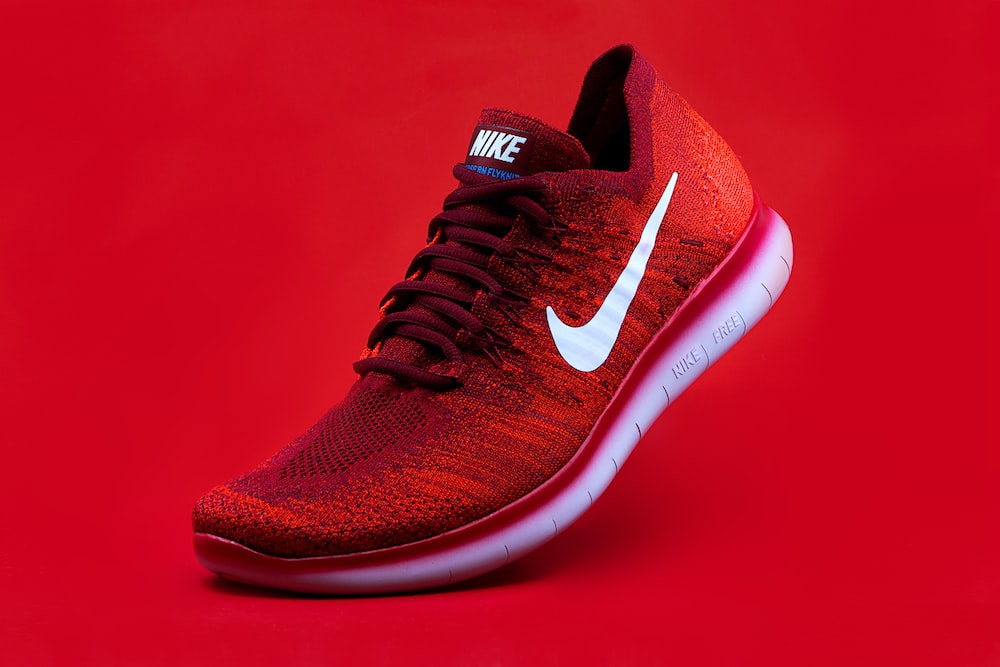
Shoe insoles represent a technically interesting application for dope-dyed polyester fiber—combining the comfort performance of a soft, breathable fiber layer with the color requirements of a product that is visible when the shoe is worn open or removed. Solution-dyed fiber provides the consistent, wash-stable color needed for an insole that will experience both moisture exposure and repeated bending and compression in use.
Industrial and Technical Textiles
In industrial applications—geotextiles, filtration media, protective clothing, and safety products—dope-dyed fiber enables color-coding of products without the dyeing process. Safety vests, high-visibility workwear, and color-coded filtration products can use solution-dyed fiber to achieve their required colors with superior washfastness and without the water and chemical inputs of conventional dyeing.
Sustainability Deep Dive: The Environmental Case for Recycled Dope-Dyed Fiber
The environmental advantages of recycled dope-dyed polyester fiber are best understood by looking at the full lifecycle of a colored textile fiber—from raw material to disposal—and seeing where the savings accumulate.
Upstream: Feedstock Savings
By using post-consumer PET bottles as feedstock instead of virgin petrochemicals, recycled dope-dyed fiber avoids the extraction, transportation, and refining of crude oil and the energy-intensive polymerization of PTA and MEG into virgin PET. This upstream saving represents approximately 30–60% of the total energy consumption and carbon emissions of virgin polyester production.
In-Process: Dyeing Savings
The elimination of the conventional dyeing process removes the single most water-intensive and chemically demanding step in the colored textile supply chain. Industry estimates suggest that transitioning from conventional dyeing to solution dyeing can save:
- 50–80 liters of water per kilogram of fiber colored
- 30–50% of the energy used in the conventional dyeing process
- The entirety of dye auxiliary chemical inputs (fixatives, electrolytes, pH adjusters)
- The wastewater treatment burden associated with dye-laden effluent
Certification: Making the Claims Verifiable
- GRS (Global Recycled Standard): Third-party verified recycled content — from bottle collection through fiber production — enabling substantiated recycled content claims.
- Oeko-Tex Standard 100: Chemical safety certification confirming the absence of harmful substances — essential for apparel, home textiles, and children’s products.
- bluesign: A comprehensive responsible production standard covering resource efficiency, chemical management, and worker safety — increasingly specified by premium apparel and outdoor brands.
- REACH Compliance: Mandatory for products sold in the EU market, confirming compliance with chemical safety regulations.
How to Choose and Specify Dope Dyed Polyester Fiber
When sourcing dope-dyed polyester fiber, the following parameters should be specified:
- Color specification: Provide the target color as a Pantone reference, RAL number, or physical sample. Confirm Delta E tolerance (typically less than 1.0 for fashion; less than 0.5 for automotive) and batch-to-batch consistency requirement.
- Fiber type: Solid or hollow; virgin or recycled (rPET); standard or bicomponent/LMF — depending on the application (fill, nonwoven, yarn spinning).
- Denier and staple length: Match to downstream processing equipment and target fabric properties.
- Colorfastness requirements: Specify minimum ISO 105 light fastness and wash fastness ratings for your application. Automotive applications typically require lightfastness grade 6–7+.
- Certifications required: GRS for recycled content; Oeko-Tex for chemical safety; bluesign or other brand-specific sustainability certifications.
- Pigment safety: Confirm that pigments are free from restricted substances under REACH, California Prop 65, and any brand-specific restricted substances list (RSL) applicable to your market.
- Volume and color range: Discuss minimum order quantities per color—masterbatch setup cost means that dope-dyed fiber is most economical in moderate-to-large production volumes per color. Most producers offer a standard palette of high-volume colors with shorter lead times and custom color development for specific projects.
Conclusion: Dope-Dyed Fiber Is the Future of Sustainable Colored Textiles
Dope dyed fiber — and its most sustainable form, recycled dope dyed polyester fiber — represents a genuinely transformative approach to the problem of color in textiles. By moving color from the dye bath to the polymer melt, solution dyeing eliminates the water, chemical, and energy burden of conventional dyeing while delivering superior colorfastness, UV resistance, and color consistency that conventional dyeing cannot match.
Combined with recycled PET feedstock, dope-dyed fiber addresses two of the most significant environmental challenges in the textile industry simultaneously—plastic waste and dyeing pollution—in a single, commercially proven, scalable material. For brands, manufacturers, and buyers committed to reducing the environmental footprint of their products without compromising on color performance, recycled dope-dyed polyester fiber is an increasingly compelling—and increasingly necessary—choice.
To explore our range of dope-dyed polyester fiber in standard and custom colors, virgin and GRS-certified recycled variants, and solid and hollow fiber types, please contact our technical team for color cards, specifications, and sample requests.