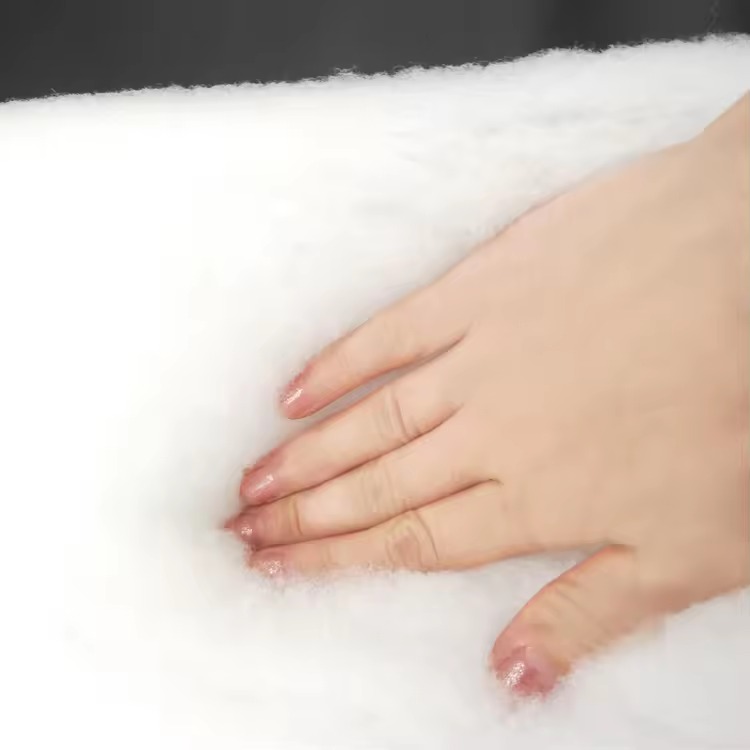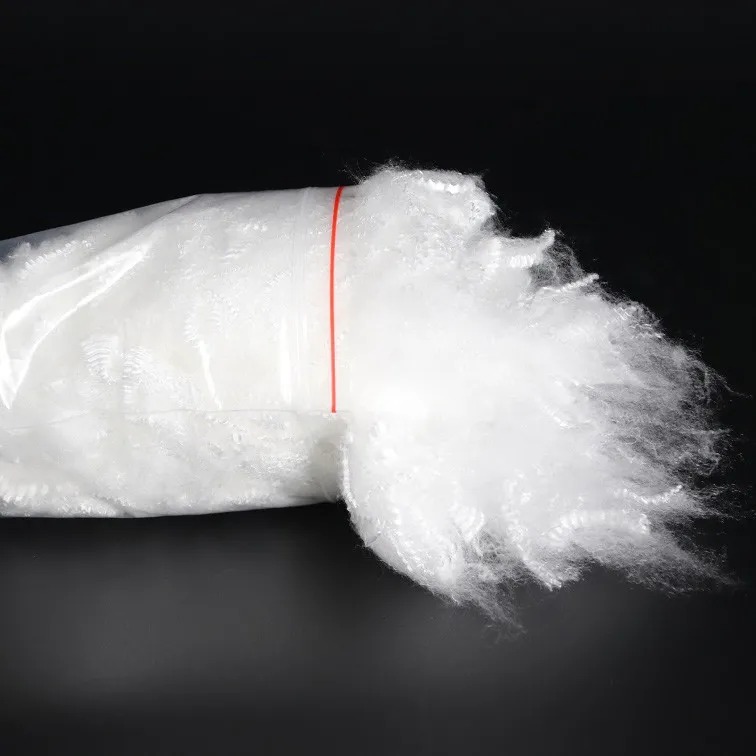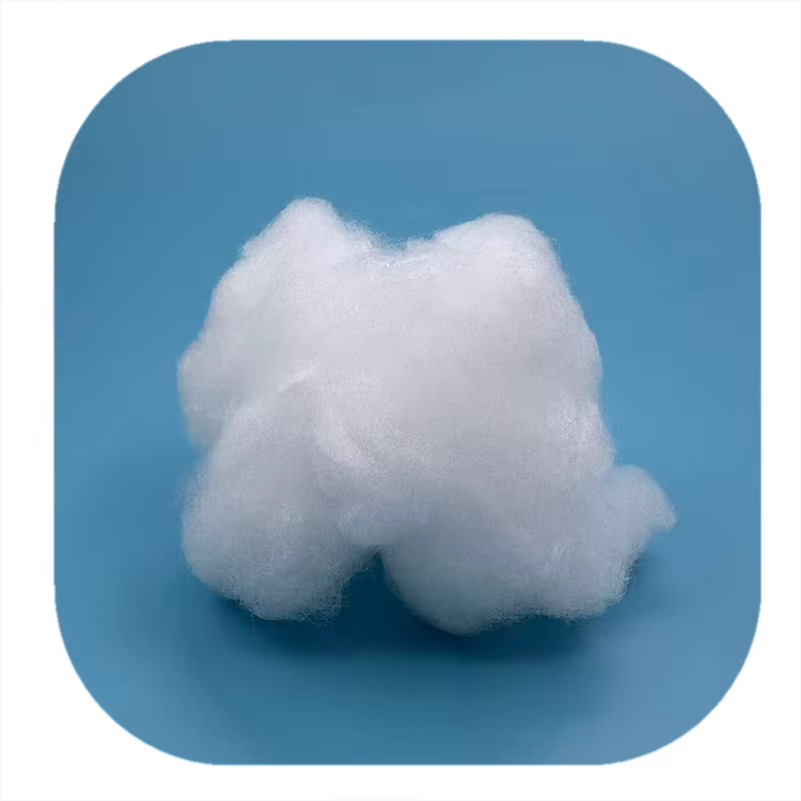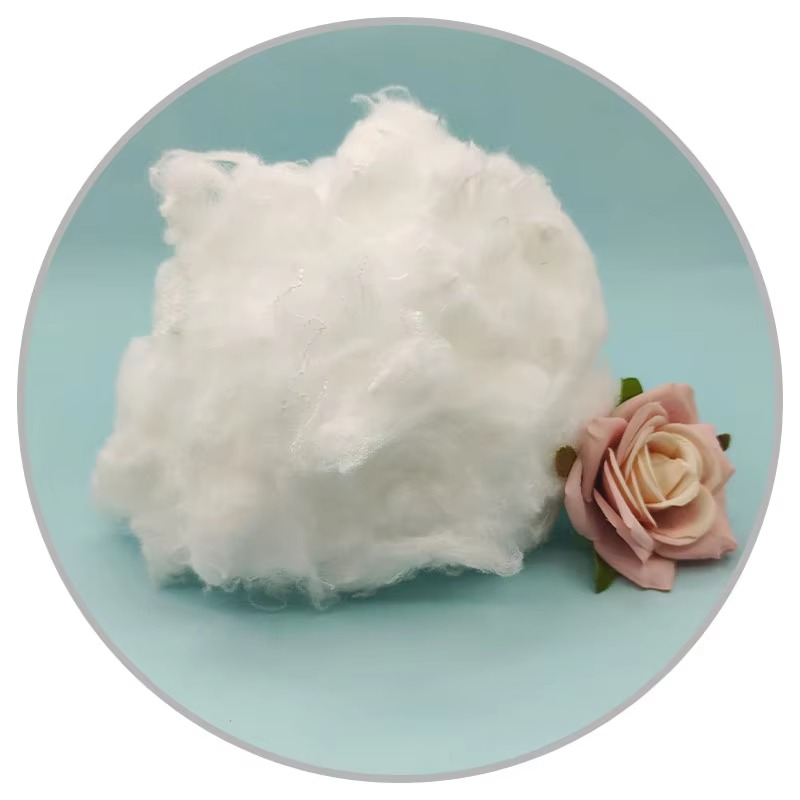
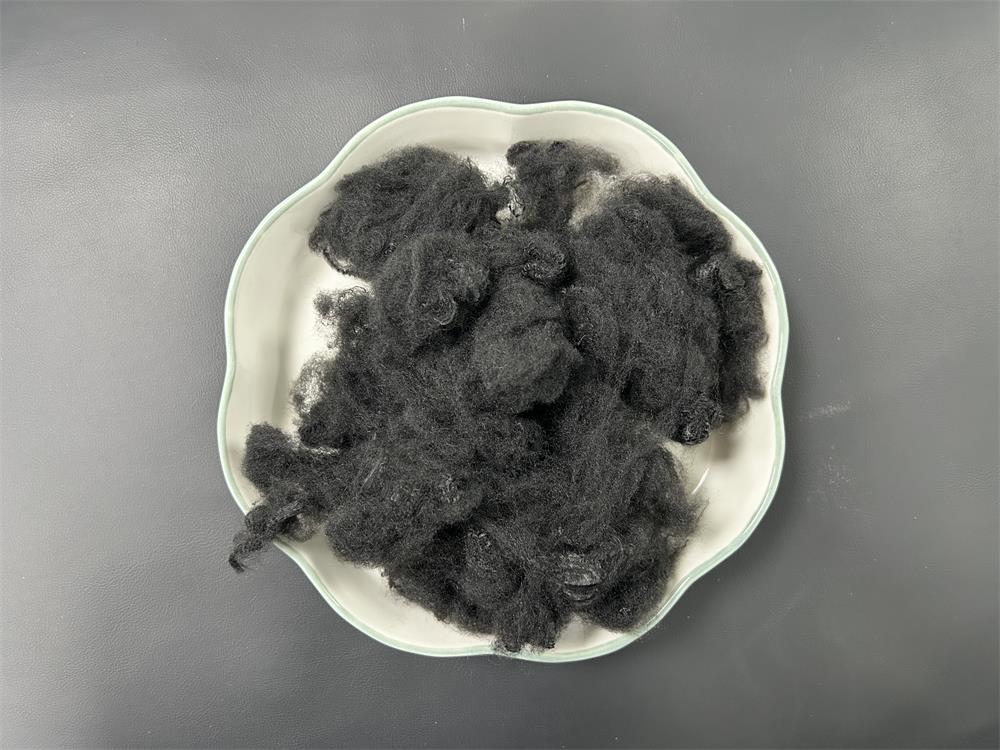
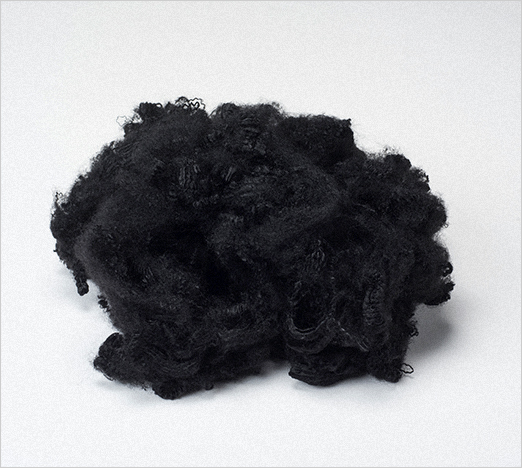
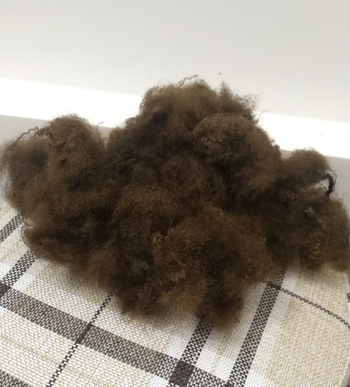
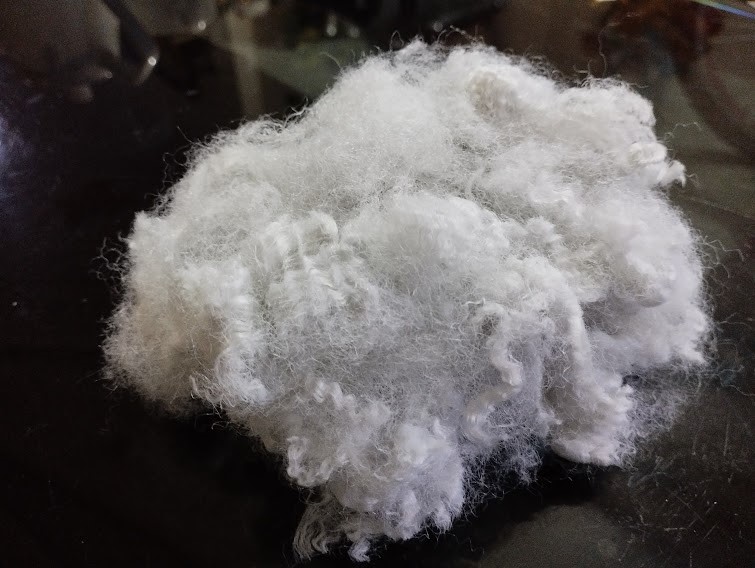
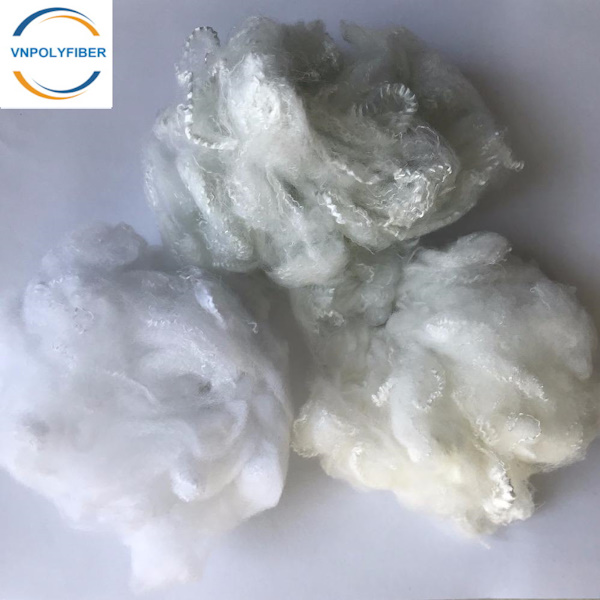
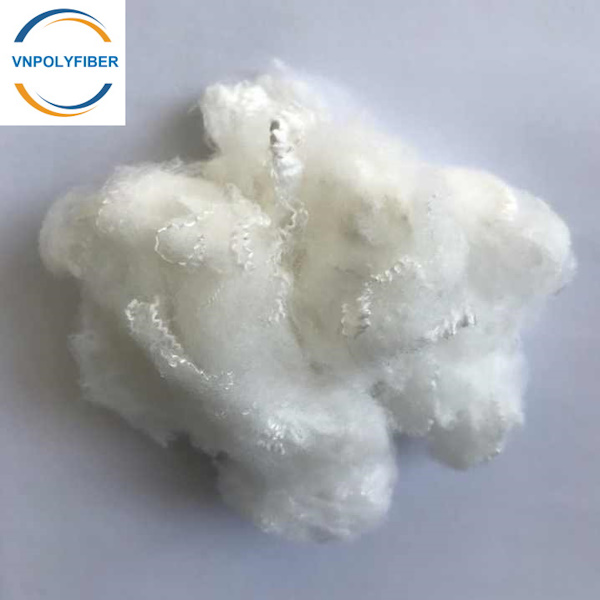
Geotextile fiber
Engineering-Grade: High-strength polymer designed specifically for civil engineering and soil management.
Superior Durability: Advanced manufacturing ensures exceptional tensile strength and long-term stability.
Versatile Use: A pivotal material for land engineering and reinforced soil structures.
PRODUCT DETAIL
1. What are geotextiles? The Science of Geosynthetics
In the modern landscape of civil engineering and environmental management, the demand for resilient, high-performance materials has never been greater. Geotextiles, also referred to as geosynthetics, are a type of engineering material composed of non-woven fabrics and polyester fibers. Known for their high strength, corrosion resistance, tear resistance, anti-penetration properties, and excellent aging resistance, these materials have become the backbone of sustainable infrastructure.
Primarily utilized for reinforcement, isolation, and filtration purposes in civil engineering projects, geotextiles bridge the gap between mechanical engineering and geological science. This guide explores the technical functions, environmental benefits, and diverse applications of these cutting-edge materials.
Geo Textiles Fiber is a cutting-edge material tailored specifically for civil engineering and soil management. It plays a pivotal role in land engineering due to its exceptional strength and versatility. The high-strength polymer material, most commonly polyester (PET) or polypropylene (PP), is manufactured and crafted into a fabric using advanced process technology, resulting in a material with excellent tensile strength and durability.
Unlike traditional woven fabrics, non-woven geotextiles are created through mechanical entangling (needle-punching), thermal bonding, or chemical bonding. This creates a porous, multidimensional “web” that allows water to pass through while retaining soil particles, a feature that is essential for long-term geological stability.
2. The Primary Advantages of Geotextiles
The primary advantages of geotextiles include their nontoxic, tasteless, and pollution-free qualities, which make them environmentally friendly. In an era where “green engineering” is a global priority, the integration of these materials offers several technical benefits:
Soil Strength Enhancement: They can effectively enhance the tensile strength and shear strength of soil, improve soil stability and bearing capacity, and prevent soil particle loss due to water erosion.
Durability and Resistance: Their high strength and durability effectively enhance soil stability and prolong project longevity, even when exposed to harsh chemicals or ultraviolet (UV) radiation.
Adaptability: With adaptability to various geological conditions, they effectively function in high-temperature deserts or humid regions, providing innovative solutions for land engineering.
3. Core Functions in Soil Management
With a broad range of applications, geotextiles serve four key functions that are vital for any civil construction site:
A. Filtration and Drainage
Geotextiles can serve as a filter layer to separate water and soil and ensure effective drainage in a project. They allow water to flow through the material while preventing fine soil particles from clogging drainage pipes or washing away.
B. Isolation (Separation)
Furthermore, geotextiles can act as a soil separation layer, preventing mixing and deposition between soil particles. In road construction, for example, they prevent the expensive stone base from sinking into the soft subgrade soil, thereby improving soil stability and strength.
C. Reinforcement
They can also serve as reinforcement materials for civil structures to increase their load-bearing capacity and seismic performance. By distributing loads across a wider surface area, geotextiles mitigate the risk of localized failure.
D. Anti-Seepage and Protection
In water conservancy projects, geotextiles serve as anti-seepage materials to prevent water flow through the soil and safeguard project safety and stability.
4. Applications in Civil Engineering Projects
In civil engineering applications, geotextiles are commonly used in projects such as roads, railways, embankments, retaining walls, and drainage systems.
Highway and Railway Engineering
In highway engineering, geotextiles can enhance subgrade stability and prevent pavement cracking and deformation. By acting as a stress-relieving layer, they absorb the tension that typically causes asphalt to crack over time.
Hydraulic and Marine Engineering
In hydraulic engineering, they can reinforce dikes and prevent erosion by water flow. Whether it is a riverbank or a coastal levee, these fabrics mitigate the energy of moving water, protecting the earth beneath from scouring.
Landfills and Environmental Engineering
They play a crucial role in environmental engineering by serving as overburden in landfills to prevent waste leakage and environmental contamination. By acting as a barrier and a gas-collection layer, geotextiles ensure that hazardous waste does not leach into the groundwater.
5. Environmental Protection and Sustainability
Moreover, geotextiles actively contribute to environmental protection efforts, aiding in the preservation of ecosystems and sustainable management of water resources.
The integration of advanced materials and environmental protection principles makes remarkable contributions to sustainable development. Because they are manufactured to be chemically inert, they do not leach toxins into the soil. Furthermore, by preventing soil erosion, they help maintain natural landscapes and prevent the siltation of rivers and streams, which is vital for aquatic life.
The Future of Geosynthetic Technology
The development of “smart” geotextiles is the next frontier. Research is currently focused on incorporating sensors into the fabric to monitor soil moisture, temperature, and structural stress in real-time. By using the integration of advanced materials, we are moving toward an era where our roads and embankments can “talk” to engineers, warning them of potential failures before they happen.
As a versatile and essential component in land engineering, the role of geotextiles will only grow. From bolstering soil slopes and mitigating soil erosion to filtering drainage systems and preventing soil layer penetration, these materials provide the invisible strength that holds our modern world together.
Conclusion
In conclusion, geotextiles provide innovative solutions for land engineering. Their ability to bolster soil slopes, mitigate soil erosion, and serve as reinforcement materials for civil structures makes them a preferred choice for engineers worldwide. By choosing high-quality, non-toxic, and durable geosynthetics, project managers can ensure project safety, stability, and environmental harmony.
Whether you are working in high-temperature deserts or humid regions, the remarkable contributions to sustainable development made by geotextiles ensure that your project is built to last.
Technical Parameter
When sourcing geotextiles, engineers must consider several physical parameters to ensure the material matches the geological site requirements:
| Property | Value/Metric | Application Significance |
| Tensile Strength | High (measured in kN/m) | Crucial for reinforcement and embankments. |
| Permeability | m/s or l/m²/s | Determines how fast water can drain through. |
| Puncture Resistance | Measured in Newtons (N) | Essential for preventing damage from sharp rocks. |
| UV Resistance | % Strength Retained | Vital for projects exposed to sunlight for long periods. |
| Grab Elongation | % | Indicates the flexibility and “stretch” of the fabric. |
Video
FAQ
1. What do you offer?
We supply a comprehensive range of fibers, including recycled hollow conjugated (both siliconized and non-siliconized) polyester staple fiber, hollow fiber, microfiber, virgin polyester staple fiber, and low-melt fiber.
2. What is it used for?
Our fibers are versatile and widely utilized across both the filling and non-woven industries, providing essential loft, durability, and texture for various consumer and industrial applications.
3. Are you a factory or a trading company?
We are primarily a manufacturer specializing in polyester staple fiber with years of industry expertise. To better serve our clients, we also operate a dedicated trading division that allows us to act as a one-stop solution provider.
In addition to our own fiber production, we source high-quality textile components (such as yarn and low-melt fibers) and finished goods (including foam, pillows, cushions, toys, and down/feather products) to ensure our customers have access to a comprehensive supply chain.
4. Where is your factory location?
To maintain a robust and flexible global supply chain, our manufacturing facilities are strategically located throughout Asia, specifically in Vietnam, China, Malaysia, Thailand, and Indonesia. If you would like to visit one of our sites, please contact your sales representative, and we will be happy to arrange transportation for you.
5. Can you accept free sample?
Yes, we provide free hand samples for quantities under 1 kilogram. Once a price is confirmed, we can prepare and dispatch your sample within 2–3 business days. Please note that while the sample is free, the freight costs are the responsibility of the client.
6. Can you provide ODM service?
Absolutely. We specialize in ODM (Original Design Manufacturing). This means we can customize the material composition, dimensions, quantity, packaging, and branding to meet your specific requirements. Your logo and unique specifications will be integrated into the final product.
7. How about your quality? What’s the minimum order Quantity (MOQ)?
We invite you to place a trial order to experience our quality firsthand. Our standard MOQ is 23,000 kilograms per order.
Regarding pricing, we maintain a no-bargain policy. We believe in transparency and efficiency, so we provide our most competitive offer upfront to save you time and ensure a straightforward procurement process.
8. Can I mix different items in one order?
Yes, for your convenience, we allow for a maximum of two different items to be mixed within a single container.
9. How can you guarantee the product quality?
Quality is the cornerstone of our business. We employ an experienced QC team that monitors every stage of production, from raw material inspection to the final manufacturing process. We utilize a range of advanced testing instruments to ensure our fibers meet strict industry standards.
Our business philosophy is simple: We aim to serve one customer 1,000 times, rather than 1,000 customers once. We prioritize long-term partnerships built on consistent excellence.
10. What’s the payment terms?
L/C at sight, 30% TT in advance are mostly accepted; other terms shall be negotiable by both sides
For more information, please feel free to contact :
Tony Tan
Mobile number: +84 90 466 5251 (Whatsapp/Wechat/Viber/Signal)