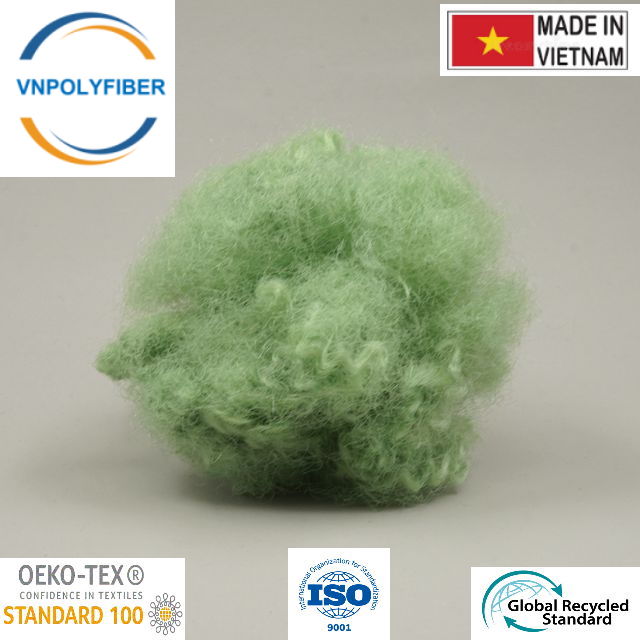
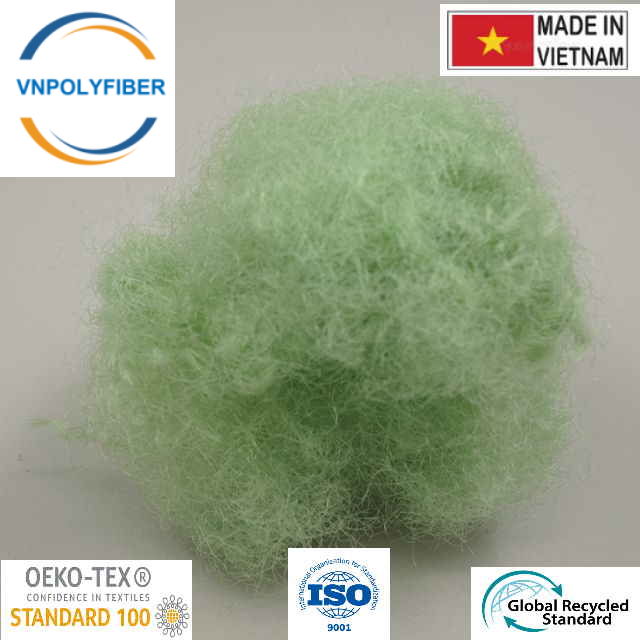
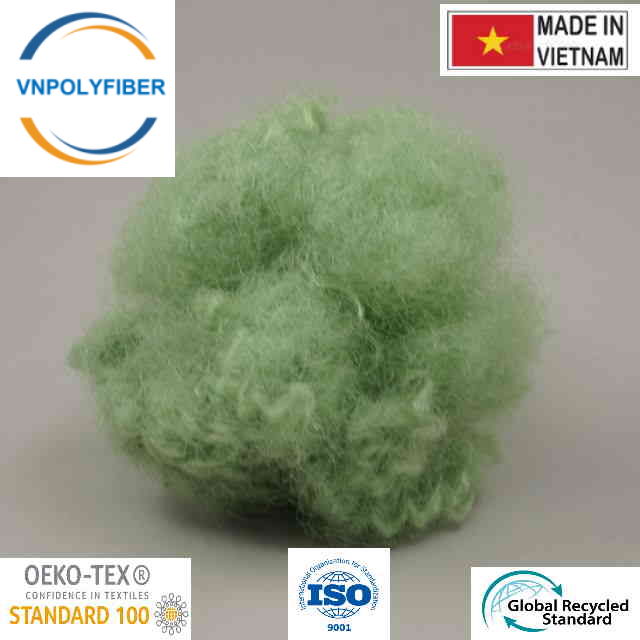
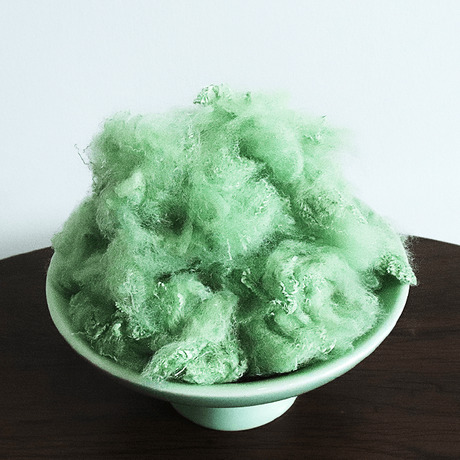
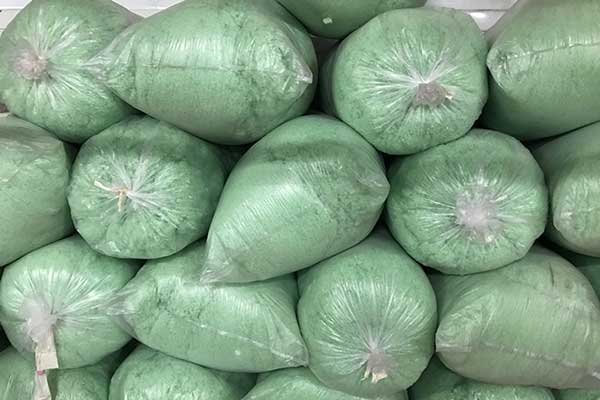
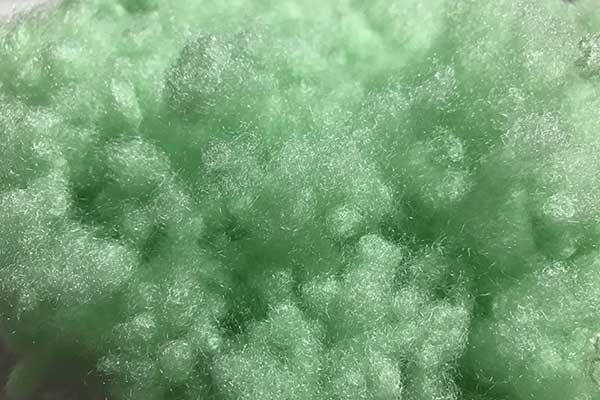
Green Hollow Fiber
Eco-Color: Deep green tones built directly into the fiber—no chemicals needed and zero fading from washing or UV light.
Built to Last: Tough, wrinkle-resistant material that outlasts cotton or silk with easy “wash-and-wear” care.
Stay Dry: Hollow-fiber technology provides superior breathability and quick-drying performance.
High Performance: Naturally hydrophobic—ideal for activewear, uniforms, and outdoor gear.
PRODUCT DETAIL
What Is Hollow Fiber? The Complete Guide to Green Hollow Fiber & Recycled Polyester Staple Fiber in 2026
Hollow fiber is one of the most versatile engineered materials in the modern textile industry—and its green, recycled variant is rapidly becoming the preferred choice for manufacturers who refuse to compromise between performance and sustainability. Whether you are sourcing polyester staple fiber for luxury bedding, hollow conjugate fiber for technical apparel, or recycled fill for high-durability toys, understanding hollow fiber from the ground up is essential for smarter procurement decisions in 2026.
What Is Hollow Fiber?
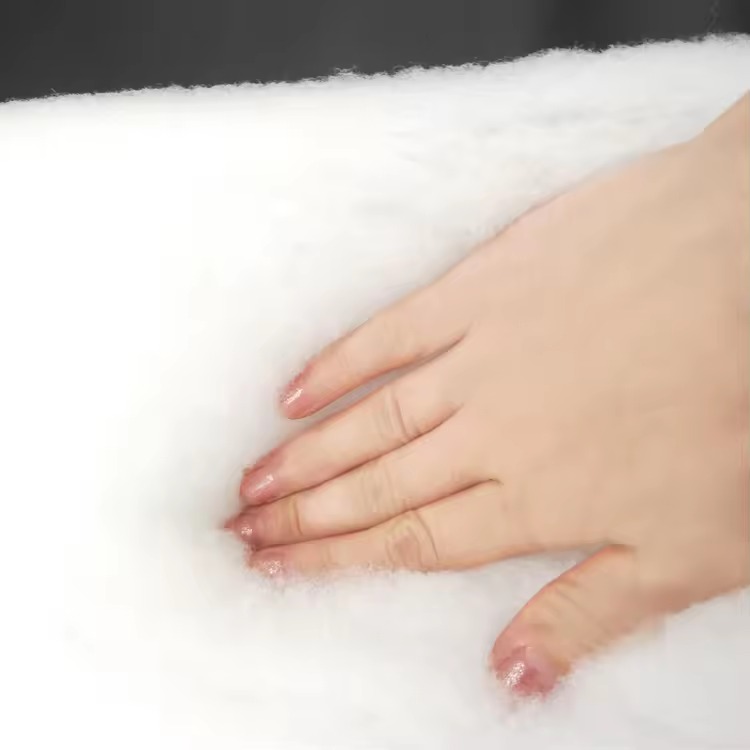
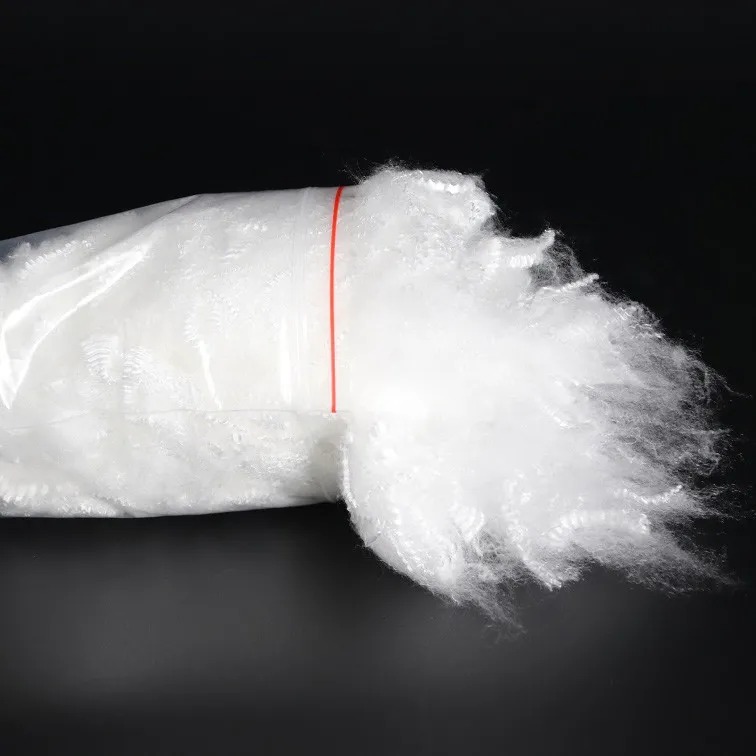
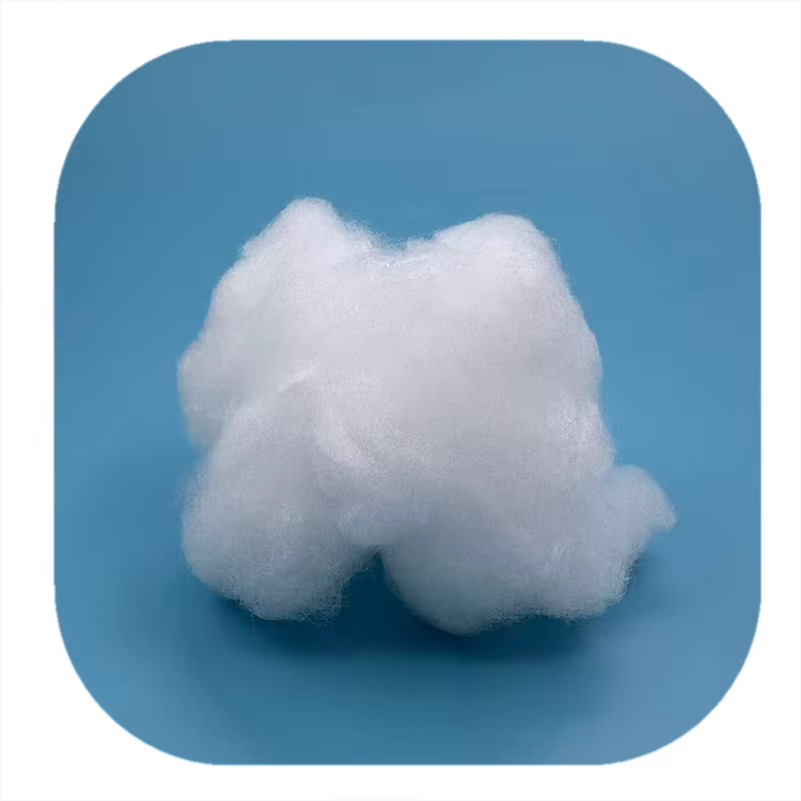
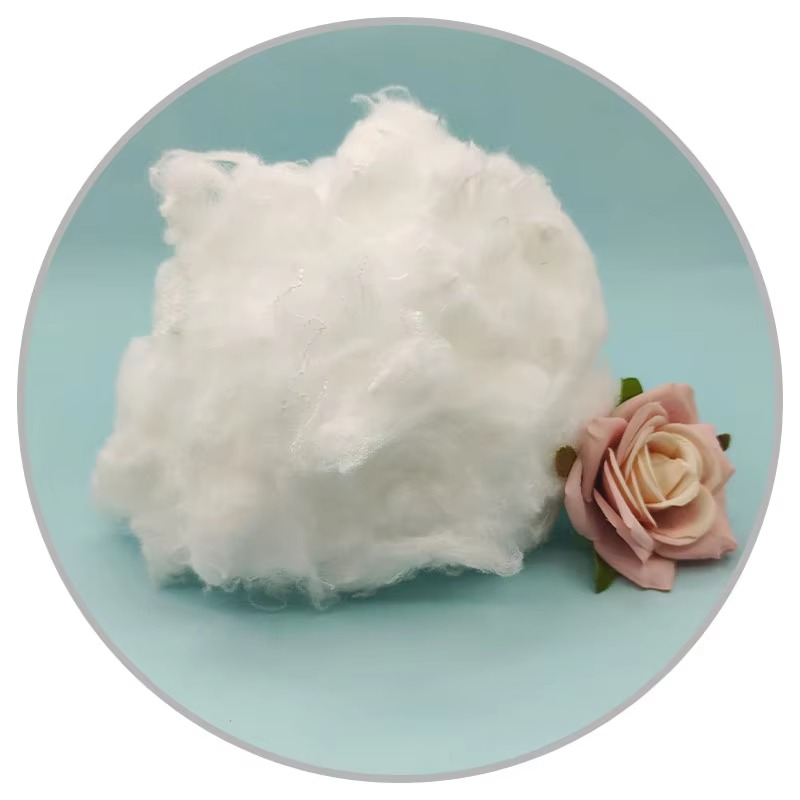
Hollow fiber is a type of synthetic staple fiber engineered with a central void—or “tunnel”—running through its core. Unlike solid polyester staple fiber, this air-trapping structure gives hollow fiber its defining characteristics: lightweight volume, superior thermal insulation, and a soft, lofty hand feel.
In its green recycled form, hollow fiber goes a step further. Rather than relying on virgin petrochemicals or toxic chemical dyes, green hollow fiber is produced from post-consumer PET bottles, deriving its natural pigmentation directly from the recycled raw material. The result is a recycled polyester staple fiber that is vibrant, durable, and genuinely circular—meeting the growing demands of both global brands and regulatory bodies in 2026.
Hollow Fiber vs. Solid Fiber: Understanding the Core Difference
Before selecting a grade of polyester staple fiber, manufacturers must understand the fundamental structural distinction between hollow and solid variants.
Solid polyester staple fiber is a dense, continuous strand with no internal void. It offers high tensile strength and consistent color density, making it the backbone of industrial textiles, heavy-duty upholstery, and high-tenacity geotextiles.
Hollow fiber, by contrast, engineers an air pocket into the core of each strand. This dramatically reduces the fiber’s weight while amplifying its insulation and loft properties. When further processed into a hollow conjugate fiber with a spiral three-dimensional crimp, the result is a material with extraordinary bounce-back resilience—the kind required for premium pillow fill, sleeping bags, and luxury comforters.
The choice between solid and hollow ultimately comes down to the end product’s performance requirements: strength and density versus softness and thermal efficiency.
Green Hollow Fiber vs. Standard Hollow Fiber: What’s the Difference?
Not all hollow fiber performs equally. The structural architecture of green hollow fiber—specifically its fiber ball or cluster format—sets it apart from conventional linear hollow fiber fill.
Feature | Standard Hollow Fiber | Green Hollow Fiber (Fiber Ball) |
Structure | Linear or random web | Mechanically twisted spring-like clusters |
Resilience | Average — prone to matting | Excellent—360° compression & recovery |
Eco credentials | Often virgin polyester | 100% recycled rPET options available |
Coloration method | Chemical dye or masterbatch | Inherent pigment from source material |
Machine washable | Yes | Yes—retains ball shape after spin cycle |
Hypoallergenic | Yes | Yes |
Standard hollow fiber strands are laid in a continuous web. Over time, these strands interlock and flatten, creating dead spots in pillows and cushions that cannot recover. Green hollow fiber, by contrast, is processed into thousands of small, independent, spring-like clusters—commonly called “pearl fiber” or “fiber ball fill.” Each cluster acts as its spring, delivering consistent loft and 360-degree bounce-back resilience that standard polyester staple fiber simply cannot replicate.
How Green Hollow Fiber Is Made: The 2026 Production Process
Step 1: Recycled Raw Material Selection
The process begins with post-consumer PET bottles—cleaned, sorted, and converted into high-grade recycled polyester staple fiber (rPSF). This recycled feedstock is the foundation of the fiber’s sustainability credentials and its natural green pigmentation, eliminating the need for chemical dye baths entirely.
Step 2: Precision Siliconization
Each fiber strand receives a microscopic coating of high-grade silicone. This step is critical for three reasons: it reduces friction between fiber clusters, delivers the “silk touch” softness consumers associate with premium down, and prevents clumping—ensuring the fill remains loose and fluffable even after repeated machine washing. The output at this stage is siliconized hollow fiber—a premium grade above standard non-siliconized variants.
Step 3: Mechanical Twisting — Forming the Fiber Ball
Unlike conventional polyester fiberfill, green hollow fiber is fed through a high-speed twisting chamber that forms siliconized strands into small, dense spherical clusters. This mechanical process is what separates green hollow fiber from commodity fill products, creating the spring-like architecture responsible for its superior resilience and loft retention.
Step 4: Heat Treatment and Structural Bonding
A final heat treatment sets the crimp memory for each cluster. Even under heavy industrial use or repeated washing, the fiber balls do not unravel into flat strands—a critical quality requirement for hollow conjugate fiber used in premium bedding and toy manufacturing.
Key Properties of Green Hollow Fiber
Vibrant, Chemical-Free Coloration
Green hollow fiber retains rich pigmentation—forest green, olive, and emerald—without dyes or chemical additives. Because color is inherent to the recycled PET source, it does not fade under repeated washing or prolonged UV exposure. This is a significant advantage over conventionally dyed polyester staple fiber.
Exceptional Resilience and Loft
The ball-cluster structure allows 360-degree compression and full recovery. Products filled with green hollow fiber are commonly marketed as “Never-Flat” because the architecture resists permanent deformation over years of use—far outperforming linear hollow-fiber fill.
Hypoallergenic and Non-Toxic
Green hollow fiber is naturally resistant to dust mites and allergens, making it the standard choice for children’s toys, orthopedic pillows, and medical cushioning—applications where standard polyester staple fiber is often inadequate.
Moisture and Odor Resistance
Unlike natural down, hollow fiber does not absorb sweat or retain odors, inhibiting bacteria and mold growth even in tropical climates. This makes recycled hollow conjugate fiber particularly well suited for hospitality, healthcare, and activewear applications.
Thermal Intelligence
The hollow core of each fiber strand traps air, providing insulation performance that rivals animal-derived down—without the ethical concerns or allergy risks. This property makes hollow conjugate siliconized (HCS) fiber the go-to material for winter jackets, sleeping bags, and technical outerwear.
Easy Care and Durability
Hollow fiber is machine washable at all temperatures, quick-drying, and wrinkle-resistant. The total cost of ownership for end consumers is significantly lower than silk, cotton, or natural down—a commercial argument that continues to accelerate the shift toward recycled polyester staple fiber across global supply chains.
Hollow Fiber Specifications: Choosing the Right Grade
Green hollow fiber is produced across a wide range of deniers and structural configurations. Selecting the correct grade is critical to end-product performance.
Solid Polyester Staple Fiber (1.3–30 dtex)
The workhorse of high-durability textiles. High tensile strength and consistent color density make solid polyester staple fiber the preferred choice for industrial uniforms, geotextiles, and heavy-duty upholstery.
Hollow Fiber (6.7–13 dtex)
Available in siliconized and non-siliconized finishes. Siliconized grades deliver a smooth, premium hand feel for bedding and apparel. Non-siliconized grades are used when more grip and sticking power are needed, like in composite reinforcement or technical nonwovens
Hollow Conjugate Siliconized (HCS) Fiber
Featuring a three-dimensional spiral crimp, HCS fiber—also called hollow conjugate fiber—delivers maximum loft and warmth retention. It is the premier specification for high-end pillow fill, luxury comforters, and sleeping bags where bounce-back resilience and a feather-like touch are non-negotiable.
Applications: Where Hollow Fiber Performs
Bedding and Home Textiles
Hollow fiber is the industry standard fill for premium pillows, mattress toppers, and luxury comforters. Its “never-flat” resilience and machine-washability make it a commercial favorite. Fade-resistant green polyester staple fiber is also widely used for curtains, upholstery, and cushion covers that face prolonged sunlight exposure.
Fashion, Apparel, and Technical Wear
From the luxurious drape of green polyester satin in eveningwear to the stretch performance of hollow fiber-insulated activewear, recycled polyester staple fiber serves the full apparel spectrum. Its moisture-wicking and quick-drying properties make it particularly valuable for uniforms, outdoor gear, and performance sportswear.
Toy Manufacturing
The hypoallergenic, non-toxic properties of green hollow fiber make it the industry standard for premium plush toys and stuffed animals. Its durability ensures products remain soft and huggable through years of machine washing—a key reason toy manufacturers are shifting from virgin polyester staple fiber to recycled grades.
Automotive and Healthcare
Hollow conjugate fiber is used in headrests, seat cushions, and supportive medical pillows because it resists moisture and odors, which helps meet important hygiene and comfort needs that regular foam or natural materials can’t provide.
Industrial and Composite Reinforcement
Advanced manufacturing sectors are combining green polyester staple fiber with carbon fiber to reinforce composite structures in automotive parts and sporting goods—prioritizing weight reduction alongside structural integrity.
The Sustainability Case: Why Recycled Hollow Fiber Matters in 2026
Manufacturers sourcing green hollow fiber gain measurable environmental and commercial advantages:
- Circular economy compliance: Using recycled PET as the feedstock for polyester staple fiber directly reduces plastic waste and closes the production loop.
- Chemical reduction: Eliminating dye baths removes toxic wastewater from the manufacturing process—a growing requirement from EU and US retail buyers.
- Global apparel and home textile brands increasingly mandate the production of recycled polyester staple fiber according to Global Recycled Standard (GRS) specifications.
- Authentic brand positioning: Naturally pigmented hollow fiber from recycled sources allows brands to communicate a genuine eco-conscious identity—backed by certifiable supply chain data.
The global sustainable fabrics market is projected to exceed $115 billion by 2035, with 2026 marking a pivotal acceleration point for the adoption of recycled polyester staple fiber across Asia, Europe, and North America.
Innovations Shaping the Future of Hollow Fiber
Research across Southeast Asia and China continues to raise the performance ceiling for hollow conjugate fiber and recycled polyester staple fiber. Notable advances include nanotechnology-based finishing using green silver nanoparticles (G-AgNPs) synthesized with chitosan—delivering antibacterial properties alongside enhanced color fastness without additional chemical dye loads. Ongoing improvements in siliconization chemistry and mechanical twisting precision are simultaneously raising the bar for softness, resilience, and wash durability across all grades of hollow fiber.
Frequently Asked Questions About Hollow Fiber
What is the difference between hollow fiber and polyester staple fiber? Polyester staple fiber is the broad category—it includes both solid and hollow variants. Hollow fiber is a specific type of polyester staple fiber engineered with an air-trapping central void for enhanced insulation and loft.
What is hollow conjugate fiber? Hollow conjugate fiber—also called HCS fiber—is a hollow fiber with a three-dimensional spiral crimp built into its structure. This crimp dramatically increases loft, resilience, and warmth retention, making it the premium grade for bedding and insulation applications.
Is green hollow fiber truly sustainable? Yes—when produced from certified recycled PET and manufactured to GRS standards, green hollow fiber is one of the most credibly sustainable options in the polyester staple fiber category, combining recycled content with chemical-free coloration.
What is siliconized hollow fiber? Siliconized hollow fiber is coated with a fine layer of silicone during production. This reduces inter-fiber friction, enhances softness, and prevents clumping after washing—making it the preferred grade for premium pillow fill and luxury comforters.
Final Thoughts: Hollow Fiber as a 2026 Sourcing Priority
Hollow fiber—and green recycled hollow conjugate fiber, in particular—represents the clearest convergence of performance, sustainability, and commercial viability in the synthetic fill market today. It delivers the softness of down, the durability of polyester staple fiber, and the ethical profile of a genuinely circular material.
For manufacturers targeting premium bedding, apparel, toys, or industrial applications, hollow fiber is not simply a trend. It is the material architecture that forward-thinking 2026 supply chains are being built around.
Technical Parameter
Polyester Staple Fiber used in Non-woven Industry
| Luster | Denier | Cross Section | End-Use |
| SD | 1.5, 1.7, 2, 3, 4, 6 & 15 | Solid | Nonwoven Interlining, Sanitary Material, Microfiber and Thermal Bonding |
| FBR (Black) | 1.5, 1.7 & 3 | Solid | Needlepunch, Resin Bonding & Fiberfill |
| SD | 1.5 & 4.5 | Solid | Dyeable Fabric & High-Pile |
| SD | 6, 8 & 15 | Hollow and Hollow-Siliconized | Resin Bonding, Needlepunch, Fiberfill, Flame Retardant Fabric, Anti Bacteria & Platinum Photon Fiber |
| SD, BR,OBBR | 0.7, 1.1, 1.2, 1.4, 2.0, 6, 8, 12, 15 & 20 | Solid | Low Pilling, Knitting, Fiberfill, Thermal Bonding, Needlepunch, Infrared Fiber & Resin Bonding |
| SD | 2, 3, 4.5, 7, 12 & 15 | Hollow Conjugate | Resin Bonding, Needlepunch & Fiberfill |
| SD | 7 | Hollow Conjugate | Anti-Bacteria |
Polyester Staple Fiber as per Direct End Use
| Type | Denier | Section | End Use |
| Anti Pilling | 1.4, 1.5, 2, 2.5 & 3 | Solid & Hollow | Sportswear, Underwear, Casual wear |
| Bamboo Charcoal | 1.5, 1.7 & 6 | Hollow | Bedding, Shoe pad, Cushion, Thermal Sock |
| Spinning Use | 1.3, 1.4, 1.5 & 1.7 1.5 | Solid Hollow | Sportwear, Casual Wear, Underwear |
| Dopedyed Black | 1.5, 2 & 3 | Solid | Nonwoven, Casual wear, Sport wear, Underwear |
| Flame Retardant | 1.4 | Solid | Home, Comfort & Clothing textiles |
| Micro Fiber | 0.8 – 1.0 | Solid | Cloth & Fleece |
| High Tenacity | 1.2 | Solid | Yarn, Cloth & Water transport |
| High Void Conjugate | 3, 7, 12 & 15 | Hollow | Toy Padding, Badding, Furniture Cushion, etc |
| Regular Fiber | 2, 2.5, 3, 6 & 15 | Solid | Nonwoven, Filter medics, Padding, etc. |
FAQ
1. What do you offer?
We supply a comprehensive range of fibers, including recycled hollow conjugated (both siliconized and non-siliconized) polyester staple fiber, hollow fiber, microfiber, virgin polyester staple fiber, and low-melt fiber.
2. What is it used for?
Our fibers are versatile and widely utilized across both the filling and non-woven industries, providing essential loft, durability, and texture for various consumer and industrial applications.
3. Are you a factory or a trading company?
We are primarily a manufacturer specializing in polyester staple fiber with years of industry expertise. To better serve our clients, we also operate a dedicated trading division that allows us to act as a one-stop solution provider.
In addition to our own fiber production, we source high-quality textile components (such as yarn and low-melt fibers) and finished goods (including foam, pillows, cushions, toys, and down/feather products) to ensure our customers have access to a comprehensive supply chain.
4. Where is your factory location?
To maintain a robust and flexible global supply chain, our manufacturing facilities are strategically located throughout Asia, specifically in Vietnam, China, Malaysia, Thailand, and Indonesia. If you would like to visit one of our sites, please contact your sales representative, and we will be happy to arrange transportation for you.
5. Can you accept free sample?
Yes, we provide free hand samples for quantities under 1 kilogram. Once a price is confirmed, we can prepare and dispatch your sample within 2–3 business days. Please note that while the sample is free, the freight costs are the responsibility of the client.
6. Can you provide ODM service?
Absolutely. We specialize in ODM (Original Design Manufacturing). This means we can customize the material composition, dimensions, quantity, packaging, and branding to meet your specific requirements. Your logo and unique specifications will be integrated into the final product.
7. How about your quality? What’s the minimum order Quantity (MOQ)?
We invite you to place a trial order to experience our quality firsthand. Our standard MOQ is 23,000 kilograms per order.
Regarding pricing, we maintain a no-bargain policy. We believe in transparency and efficiency, so we provide our most competitive offer upfront to save you time and ensure a straightforward procurement process.
8. Can I mix different items in one order?
Yes, for your convenience, we allow for a maximum of two different items to be mixed within a single container.
9. How can you guarantee the product quality?
Quality is the cornerstone of our business. We employ an experienced QC team that monitors every stage of production, from raw material inspection to the final manufacturing process. We utilize a range of advanced testing instruments to ensure our fibers meet strict industry standards.
Our business philosophy is simple: We aim to serve one customer 1,000 times, rather than 1,000 customers once. We prioritize long-term partnerships built on consistent excellence.
10. What’s the payment terms?
L/C at sight, 30% TT in advance are mostly accepted; other terms shall be negotiable by both sides
For more information, please feel free to contact :
Tony Tan
Mobile number: +84 90 466 5251 (Whatsapp/Wechat/Viber/Signal)