Introduction of leather material
Leather has been around since the beginning of mankind. Hunting animals and using their skins has been part of all cultures throughout human history due to its durability, accessibility, and variety of uses. Although cow leather is the most commonly known and used type of leather, leather is classified as the skin of any animal. The term “hide” is used to describe larger animals like cowhide or horsehide, and “skin” refers to smaller animals like kidskin. Leather is an animal skin having undergone a complex transformation process, namely via tanning, to make it rot-proof. Materials that are not made from animal skin, and therefore, cannot be referred to as leather.
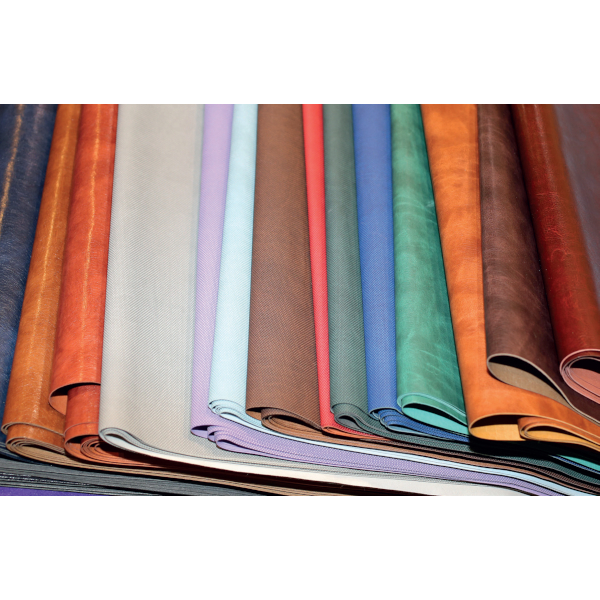
Leather and leather product prices vary greatly based on factors like animal breed, raising method, skin part, dye type, and craftsmanship. Leather has the versatility to be dyed to a range of colors and also be embossed and stamped with different textures, effects, and patterns.
While leather is sourced from all areas of the world and from a variety of animals, over half of the world’s raw leather is supplied from developing countries in Asia, Africa and South America. China is the leading country for buying and processing leather, as well as producing and exporting footwear.
In 2017, the total market value of leather in America was $217.49 billion. It is expected to reach $271.21 billion by 2021.
The largest hide producers are China, India, and then Brazil.
95% of the leather industry is a by-product of the meat and dairy industries.
Animal Properties
- Cow: Cowhide is the most common leather source and is easy to care for and durable. It can be stiff and rougher in texture than other leathers but breaks in easily.
- Sheep: Sheepskin and lambskin leather are very soft. They are comfortable, pliable, and finely textured. Sheepskin leathers are often used for luxury leather garments.
- Goat: Goatskin is softer and tougher than cow leather and is an economical and durable leather. It’s flexible, durable and lightweight.
Properties of leather
- Can biodegrade
- Durable
- Long-lasting
- Warm and breathable
- Flexible and mouldable
- Easily dyed
Leather and leather product prices vary widely based on factors like the animal’s breed, where and how it was raised, the skin part used, the dyeing method, and the craftsmanship involved. Leather has the versatility to be dyed to a range of colors and also be embossed and stamped with different textures, effects, and patterns.
While leather is sourced from all areas of the world and from a variety of animals, over half of the world’s raw leather is supplied from developing countries in Asia, Africa and South America. China is the leading country for buying and processing leather, as well as producing and exporting footwear.
Many forms of leather
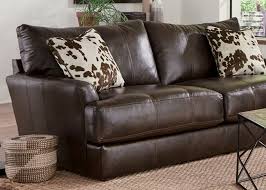
Not all leather is equal in price, quality, texture or usage. When designing around leather, it is important to consider certain factors to maximize the material’s usability. The quality and texture of leather vary by animal breed and where it was raised, so it’s important to source the right kind. The skill of processing and tanning also plays a large role in the outcome of the raw materials. Different products require different cuts of the hide, depending on suppleness, texture (full-grain or split), or durability.
1. Full grain
Comes from the top layer of the animal and shows the animal’s natural grain. It is the most robust and expensive leather on the market and develops a patina as it ages.
2. Top grain
This type is the second grade of available leather and is mainly used in premium, luxury products. The top layer of the skin is split away to remove any imperfections and to make the leather smoother and more flexible while remaining durable.
3. Corrected grain
Split leather is the layer that remains once the top part of the skin is removed. This leather tends to be rougher than full- or top-grain leather and is used for applications that don’t require as much suppleness.
4. Bonded
Bonded leather is the most inexpensive leather option available and is created with offcuts and shavings from the hide. The leftovers are bonded together with PU or latex on a fiber sheet and then treated to mimic the appearance of leather.
Types of leather
Aniline leather
The most natural leather is dyed with a translucent, water-soluble dye that emphasizes the skin’s natural markings. It is one of the most expensive leathers that also requires regular upkeep.
Antique grain leather
Also referred to as distressed leather, it gives off the appearance of vintage or worn leather. The surface is partially applied with a coating to make it look uneven and rugged.
Bi-cast leather
Bi-cast leather is similar to bonded leather in its manufacturing process and properties. It is made by blending split or composite leather and adding polyurethane to bind the leather parts together to give the appearance of full-grain leather but with less durability or comfort.
Corrected grain pigmented leather
This type of leather is the most commonly used globally. The hides are sanded or buffed to remove visible imperfections or markings, and then the new smooth surface is treated with an artificial grain and sealed with a topcoat.
Pigmented leather
Pigmented leather is often used to make furniture and upholstery due to its robust durability. The polymer coating applied can produce different looks and properties desired while retaining its strength.
Nubuck leather
Nubuck leather has a velvety look and touch. The top grain of the hide is lightly sanded to create this appearance and often has a high consumer value.
Patent leather
Patent leather is coated with a lacquer to give a wet-look, mirror-like finish. The coat can be applied to different thicknesses of leather.
Saffiano leather
Saffiano leather has a shallow cross-hatch texture with a wax finish. It is most often used on small leather goods, bags, and book bindings.
Semi-aniline leather
It is stronger than aniline leather and maintains the natural leather look, even with a light surface coating.
Suede leather
Suede is made from the underside of the animal and has a slightly hairy texture. Suede, although a very desirable material, is not very durable or water-resistant.
5 things to consider when working with leather
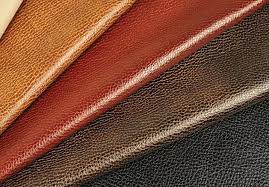
Leather is a durable and versatile material with many desirable properties. Unfortunately, the current practices of the leather industry are associated with numerous environmental issues, primarily as a by-product of the meat industry. The livestock industry contributes to deforestation, land and water misuse and overuse, and high gas emissions, as well as affecting local communities.
The tanning stage is the most detrimental phase in the leather production process, and regulations have forced tanneries in Europe and the USA to close. However, developing countries are still being subjected to the slurry of chemicals and gases being emitted through tanning, with arsenic and contaminated effluent water making its way into local waterways.
1. Tanning
Look for vegetable-tanned leather or hides processed with aldehyde chemicals. It takes longer than the chemical process but is less harmful; using bark, roots, and wood to color and preserve is growing in popularity.
2. Traceability
Ask questions and look for supply chain transparency back to the slaughterhouse—where the leather is coming from and where the hide is processed.
3. Forests
Deforestation is an issue within the leather industry due to clearance for cattle ranches. Check where the hides come from to make sure they aren’t from protected or recently cleared areas.
4. Water treatment
Look for tanneries with facilities for treating water effluent to ensure the proper treatment and discharge of water containing pollutants and hazardous chemicals.
5. Leather alternatives
Explore sourcing either recycled or upcycled leather or consider leather alternatives, such as mushroom, coconut, or pineapple leather.
The production process of leather
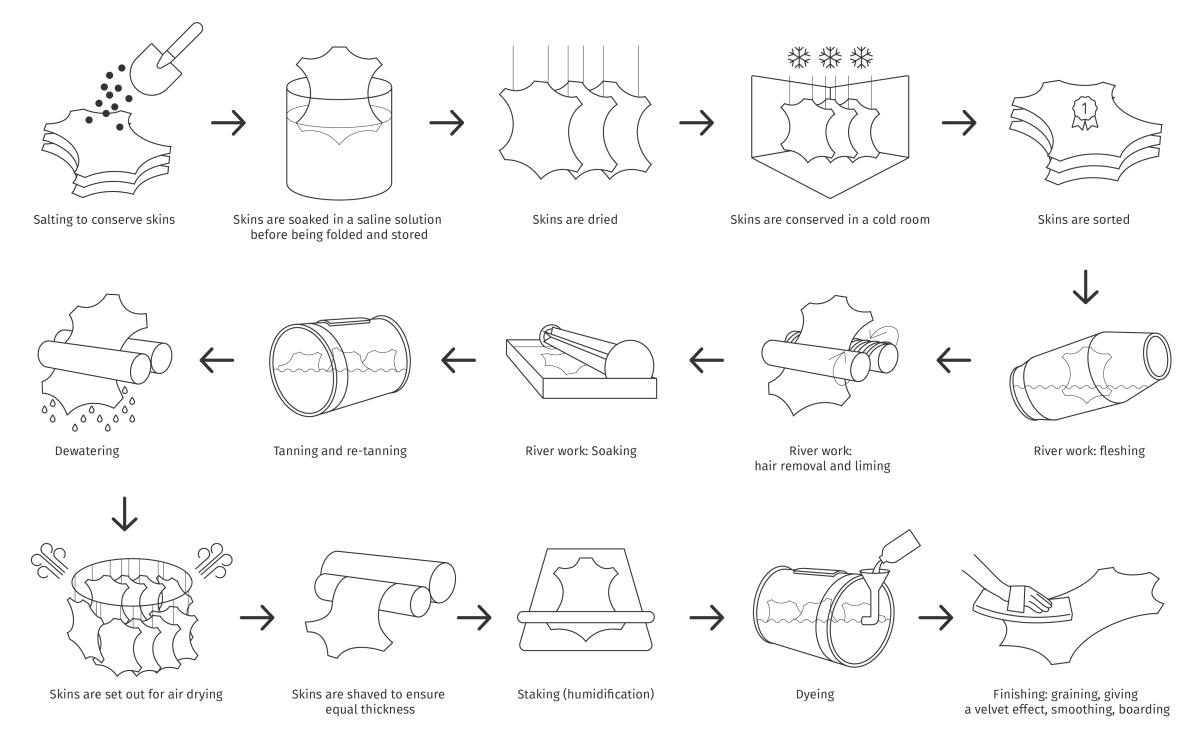
1. Curing / Salting
This process is where the rawhide is dehydrated to preserve it. Salt is immediately added to the freshly removed hide to remove water and dry the skin.
2. Rewetting
The hide is then soaked to restore the moisture and to remove dirt, debris, and excess fat, to clean the skins
3. Dehairing & Defleshing
The hide is passed through a machine to remove all unwanted parts left attached to the skin, such as fat, muscle, and excess flesh, and different rollers or blades then remove hair. The fibers of the skin are loosened, and the skin becomes more absorbent and ready for tanning.
4. Splitting
To achieve a uniform thickness, leather is split horizontally into two layers. The top layer is the grain side, and the bottom is suede or split leather. Some leathers are surface-dyed, while others need dyes to completely penetrate. Skins are sorted according to species/race, weight, and quality.
5. Pickling
In drums, the hide is treated with enzymes to remove non-fibrous proteins, enhancing the smoothness of the skin. It is then soaked in acids and salts for preservation and in sulfuric acid to lower the pH. This also helps to prepare for the tanning stage, as it allows more penetration of the tanning agents.
6. Tanning
Using vegetable or chrome tannins, the raw hide is put into drums again to go through the tanning process and transform into stable material. Tanning transforms the skin into leather through tannins, which are plant, mineral, or combined substances that convert putrescible skins into a rotproof material: leather.
7. Drying/Wrought Ironing
The hide is then stretched smooth and dried to remove water content. Drying is achieved through various methods, such as hanging, drying tunnels, and drying machines.
8. Grading
After being buffed, brushed, and finished, the leather is graded for color uniformity, softness, thickness, and natural defects before being sent out.