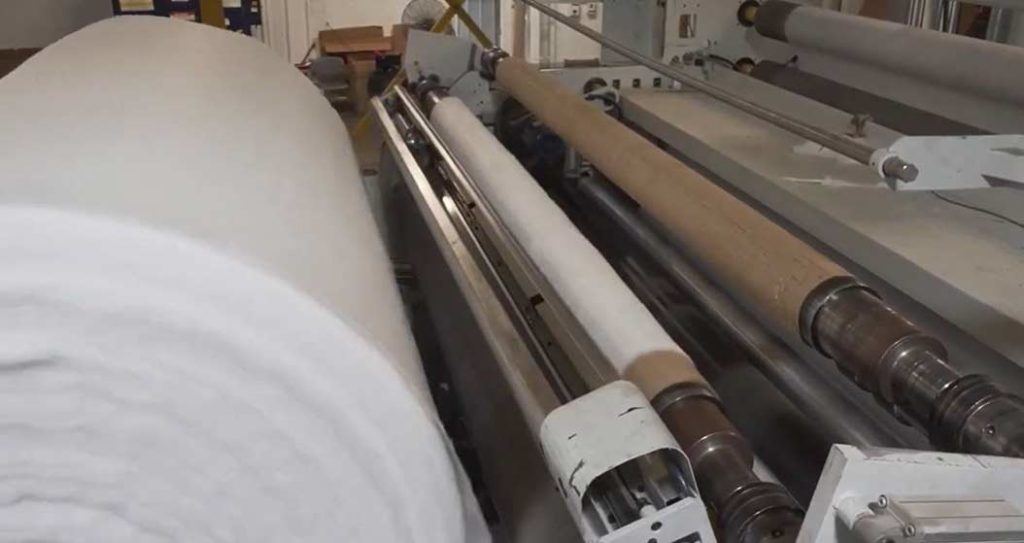
What is Airlaid nonwoven? Airlaid nonwoven is a type of fabric made using the airlaid process, which involves the dispersion of fibers into an air stream and then collecting them on a moving belt or screen to form a web. This process is especially effective for creating fabrics with high absorbency, softness, and uniformity. Here’s…
Search Results for: 7
12
Jun
Jun
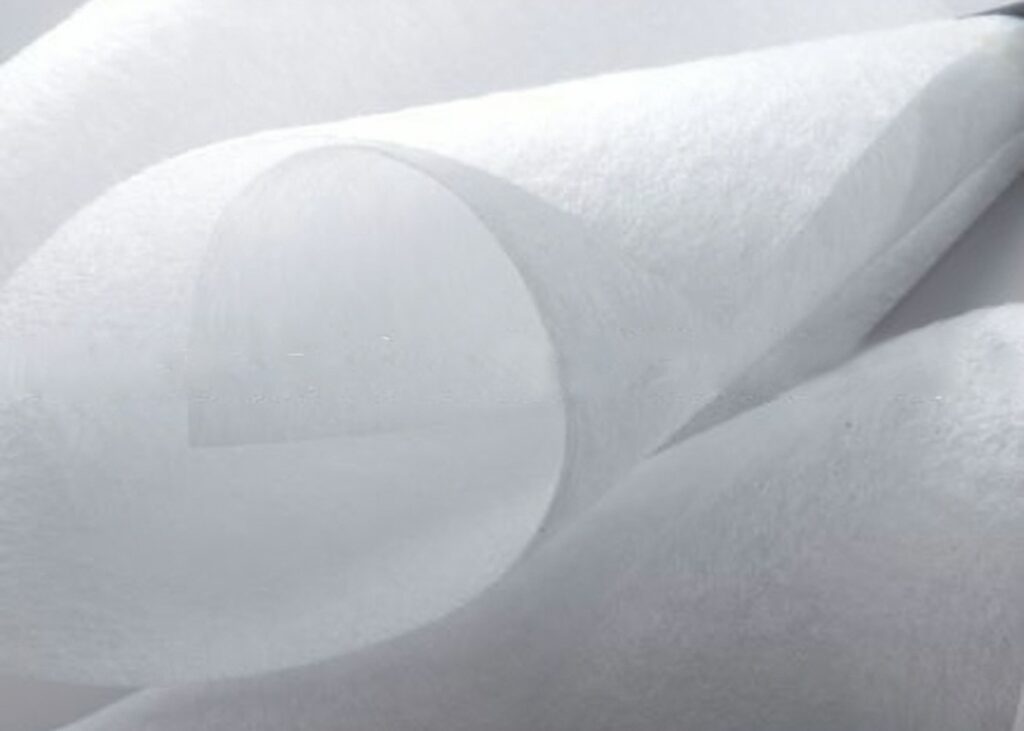
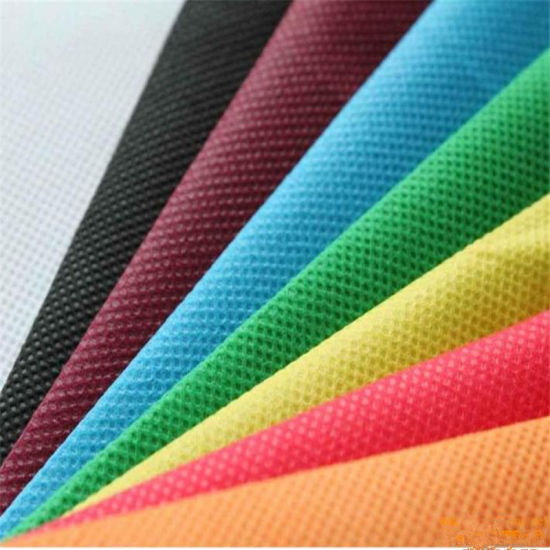
What is Chemical bonding nonwoven? Chemical bonding nonwoven, also known as chemically bonded nonwoven, is a type of fabric made by binding fibers together using chemical binders. This process involves applying a bonding agent to a fiber web, which then holds the fibers in place, creating a cohesive fabric. Here’s a detailed look at chemically…
12
Jun
Jun
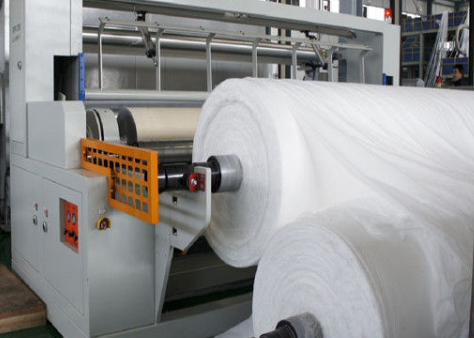
What is Spunbond nonwoven? Spunbond nonwoven is a type of fabric produced using the spunbond process, which involves the direct extrusion of polymer filaments to form a nonwoven fabric. This method is widely used because it allows for efficient and economical production of durable and versatile nonwoven materials. Here’s a detailed look at spunbond nonwovens:…
12
Jun
Jun
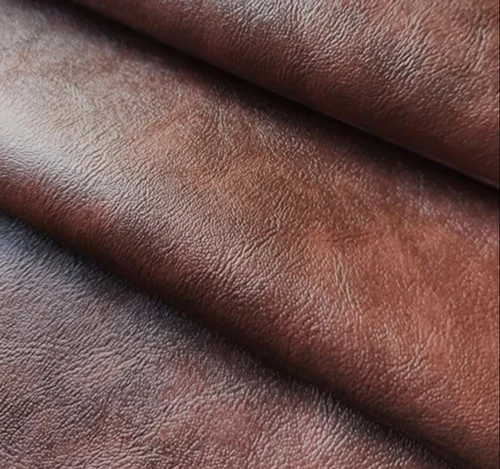
What are Nonwovens? Nonwovens are a category of textile materials that are produced through various processes without the need for weaving or knitting. Instead of interlacing yarns, nonwovens are made by bonding or interlocking fibers through mechanical, thermal, or chemical means. Here’s a detailed overview of nonwovens: Characteristics of Nonwovens Structure: Nonwovens are typically formed…
24
May
May
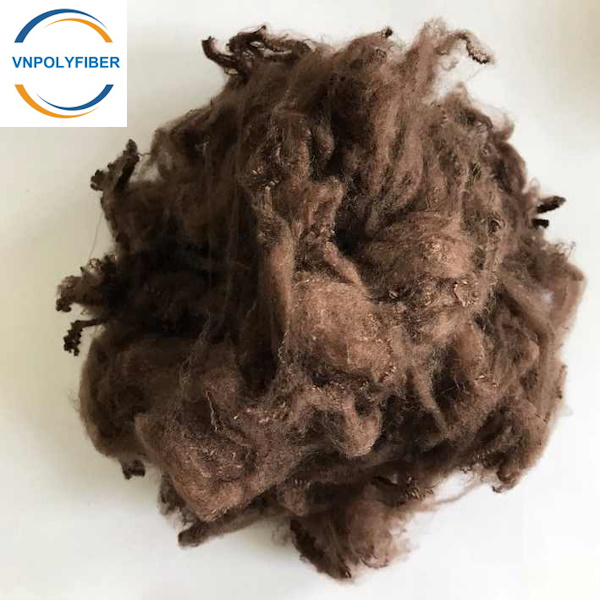
Definição de fibra mar-ilha A fibra Sea-Island, também conhecida como seda sintética, é uma fibra têxtil especializada criada através de um processo de mistura de seda natural com fibras sintéticas. Abaixo está uma visão geral completa da fibra Sea-Island: A fibra ilha-mar, também conhecida como fibra superconjugada ou fio de poliéster borboleta, é criada pela…
10
May
May
In this artcle, we will study 4 types of spinning techniques: Melt spinning, Solution spinning, Electrospinning, Gel Spinning…. Melt Spinning Technical Service Melt spinning technology is a chemical fiber spinning method in which the polymer is heated and melted, extruded through the spinneret, and cooled and solidified in the air to form fibers. Application Scope…

09
May
May
Carbon fiber Carbon fiber is a high-performance fiber with excellent mechanical properties, which is about 5 to 10 μm in diameter and mainly composed of carbon atoms. Typical Categories PAN-Based Carbon Fiber PAN-based carbon fibers are produced from PAN-based precursor fibers. Acrylic fibers with acrylonitrile content above 85% have been found to be ideal precursors….
09
May
May
Polyurethane (PU) fiber High elongation (500% ~ 700%) Low elastic modulus (200% elongation, 0.04 ~ 0.12 g/denier) High elastic recovery rate (200% elongation, 95% to 99%) Lower breaking strength (polyether type is stronger than polyester type) Excellent chemical stability Good thermal stability Good acid and alkali resistance Good wear resistance Low moisture absorption range (generally…
07
May
May
What is Modal Fiber? Modal is classified as the second generation of viscose and is derived from beech wood. Unlike cotton, beech requires no irrigation or extensive cultivation, making it a natural and sustainable resource. The resulting Modal fabric is soft, biodegradable, and exhibits high wet strength. Modal fiber is a type of cellulosic fiber…
07
May
May
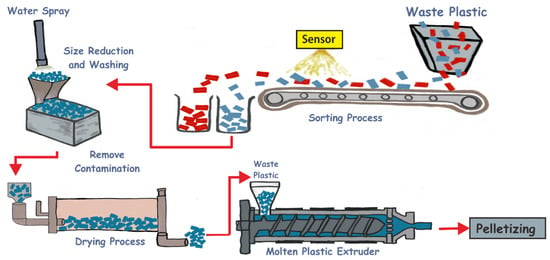
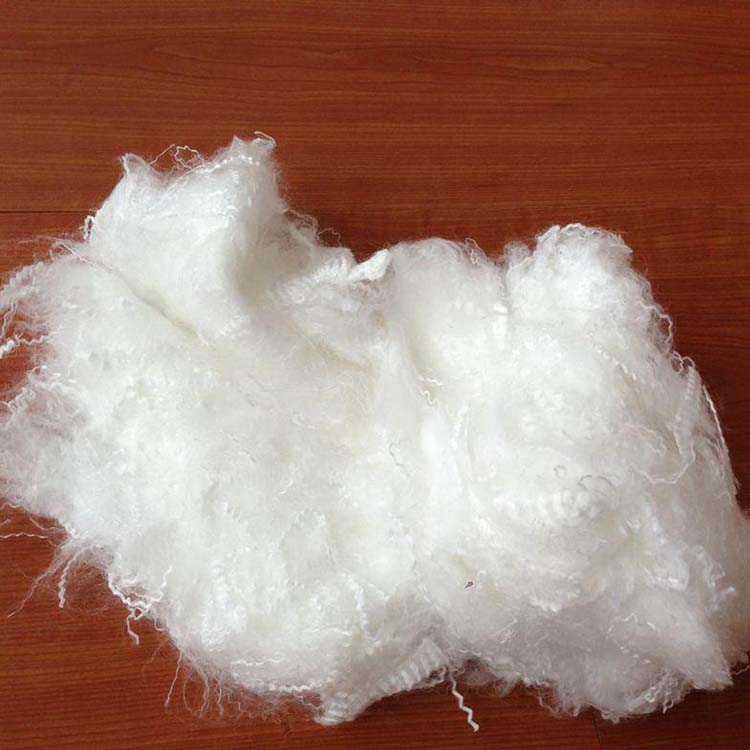
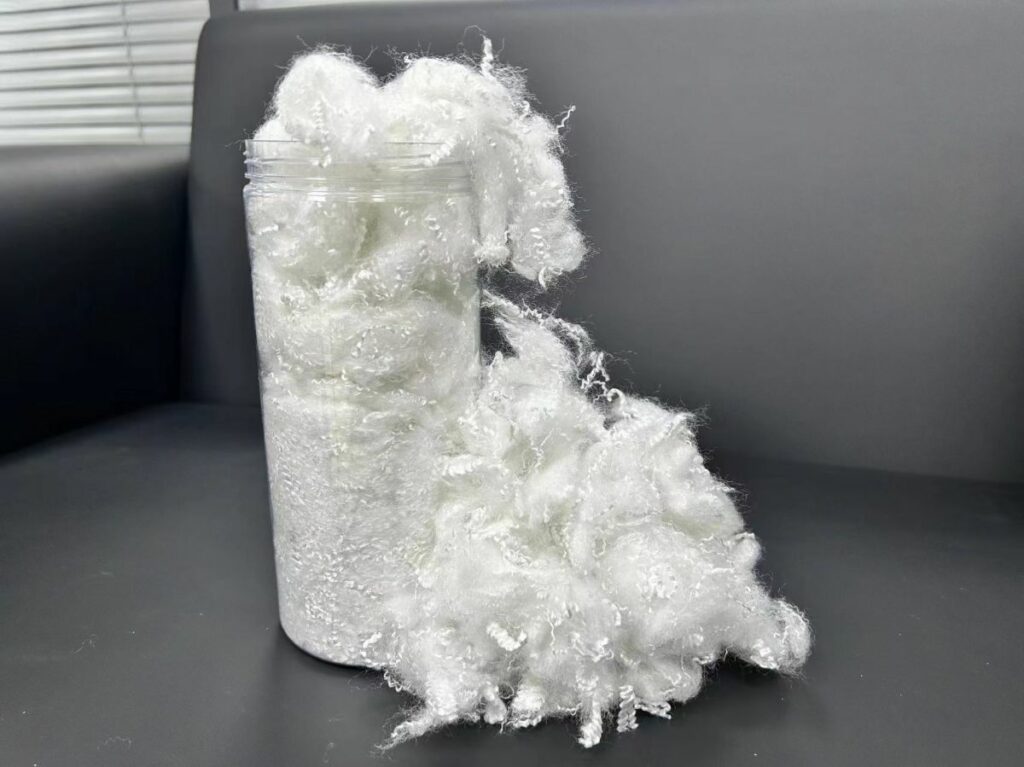
The polyester silicon down-like fiber, derived from recycled bottle flakes, is available in sizes ranging from 18mm-150mm and 0.7D-25D. During production, silicone oil is added to the fiber, imparting a smoother and softer texture reminiscent of feather down. This fiber is used in home textiles, nonwovens, fillings, toys, and clothing. It demonstrates exceptional load-bearing capacity…
RELATED NEWS


VNPOLYFIBER - Polyester Fiber Partners from Asia
We are a leading exporter of recycled polyester staple fiber—including hollow conjugated fiber, hollow slick fiber, solid fiber, low melting fiber, and many other polymer fibers since 2017. With a wide-reaching network of trusted suppliers across China, Vietnam, Malaysia, Thailand, and Indonesia, we have successfully exported to over 30 countries, serving more than 200 clients, many of whom have a strong presence in North America, South America, and the EU. We provide One Stop Solution for Polyester Staple Fiber, Nonwoven Fabric and Home Textile Materials