Virgin Polyester Fiber, Virgin HCS
- Virgin polyester remains essential for applications requiring consistent, high-performance fibers.
- Virgin polyester generally offers consistent quality and performance.
- Virgin polyester is often more cost-effective due to its established production infrastructure.
PRODUCT DETAIL
Virgin Polyester Staple Fiber (PSF): The Complete Guide to Properties, Manufacturing & Applications
Walk into any textile factory, furniture plant, automotive supplier, or nonwoven producer and you will find one material at the center of almost everything they make: polyester fiber. And at the heart of the polyester fiber market—setting the benchmark for quality, performance, and consistency— is virgin polyester staple fiber (PSF).
Virgin polyester staple fiber is produced directly from new petrochemical raw materials, without any recycled input. This gives it an unmatched combination of purity, consistency, and engineering precision that underpins its dominance across hundreds of industrial, commercial, and consumer applications worldwide.
This comprehensive guide covers everything you need to know about virgin polyester staple fiber: what it is, how it is made, its key properties, the full range of industrial applications, how it compares to recycled alternatives, and where the market is heading.
What Is Virgin Polyester Staple Fiber?
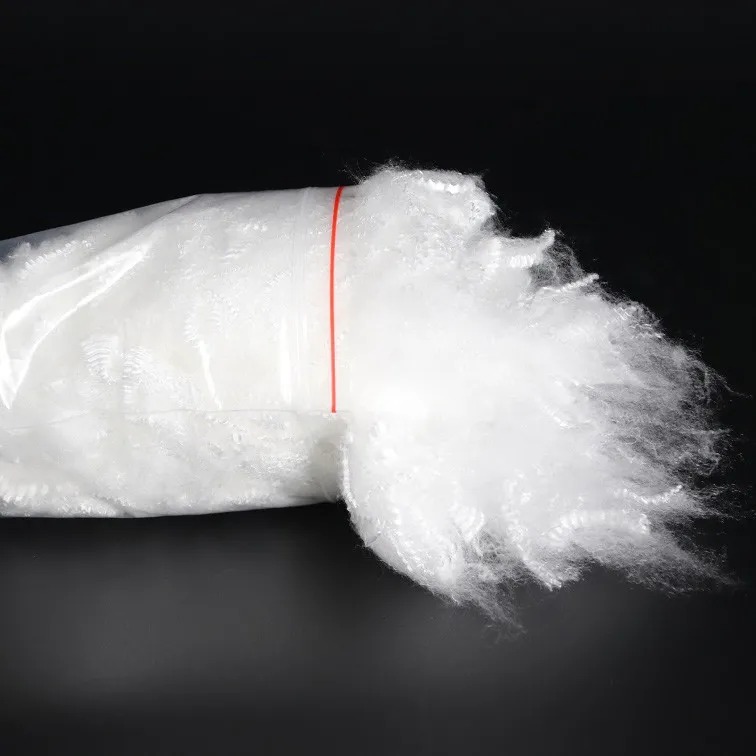
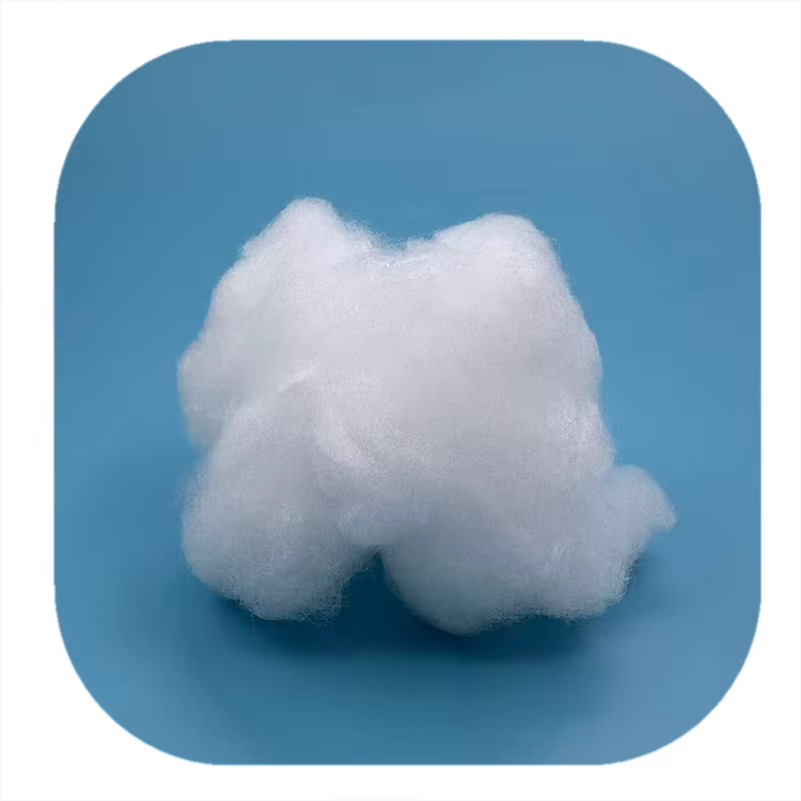
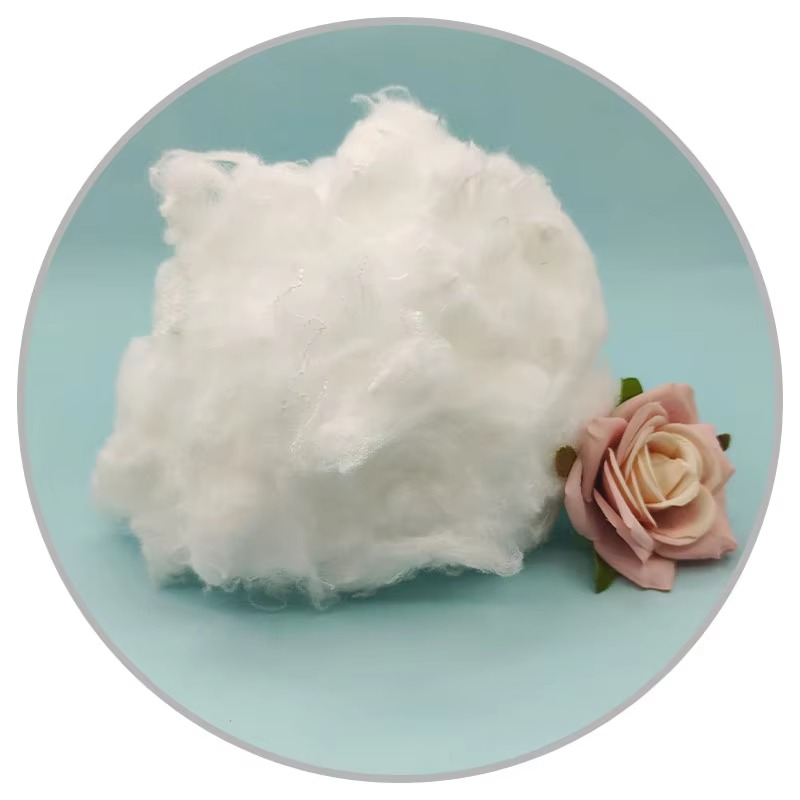
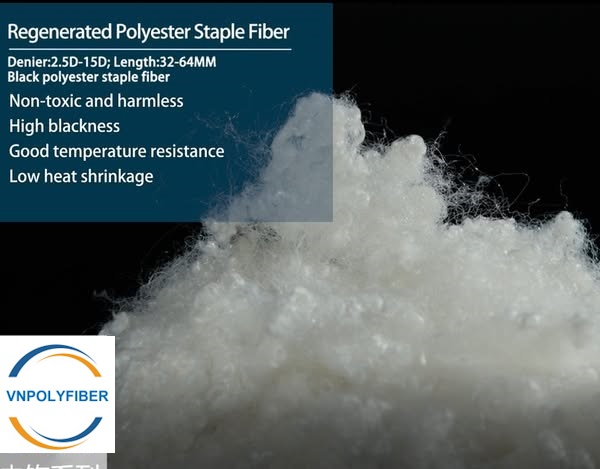
Virgin polyester staple fiber—abbreviated as virgin PSF, or simply virgin polyester fiber—is a short-cut synthetic fiber produced by polymerizing purified terephthalic acid (PTA) and monoethylene glycol (MEG) into polyethylene terephthalate (PET), then melt-spinning, drawing, crimping, and cutting the resulting filament into discrete staple lengths.
The term “virgin” is critical: it means the fiber is produced entirely from new, petrochemical-derived raw materials with no post-consumer or post-industrial recycled content. This distinguishes virgin PSF from recycled polyester staple fiber (RPSF), which is produced from reclaimed PET bottles, textile waste, or industrial scrap.
“Staple fiber” refers to the cut-length format of the fiber—as opposed to continuous filament. Staple polyester fiber is cut to specific lengths (typically 32 mm, 38 mm, 51 mm, or 64 mm) to suit different downstream processing methods: carding, air-laying, wet-laying, or blending with natural fibers for yarn spinning.
Together, these two attributes — virgin origin and staple format — define a material that is the workhorse of the global textile and nonwoven industries, valued for its predictable performance, high purity, and exceptional versatility.
How Virgin Polyester Staple Fiber Is Manufactured
The production of virgin polyester staple fiber is a sophisticated, multi-stage industrial process that transforms petrochemical feedstocks into precisely engineered fibers. Understanding this process helps explain why virgin PSF delivers the consistency and performance characteristics that make it irreplaceable in demanding applications.
Step 1: Raw Material Preparation — PTA and MEG
The two primary raw materials for virgin polyester fiber are purified terephthalic acid (PTA) and monoethylene glycol (MEG), both derived from petroleum refining. PTA is produced by the oxidation of p-xylene, a petrochemical fraction. MEG is produced by the oxidation of ethylene. Both are refined to high purity specifications before entering the polymerization process, as impurities in the raw materials would translate directly into inconsistencies in the finished fiber.
Step 2: Polymerization — Creating PET Chips
PTA and MEG are combined and reacted under controlled temperature and pressure conditions in a series of chemical reactors. The esterification and polycondensation reactions progressively build up the PET polymer chain — polyethylene terephthalate — to the desired molecular weight. The resulting molten PET is extruded into strands, water-cooled, and cut into small uniform chips (pellets). The molecular weight of the PET—measured as intrinsic viscosity (IV)—is carefully controlled, as it directly influences the strength, elongation, and melt behavior of the downstream fiber.
Step 3: Melt Spinning — Forming the Filament
PET chips are dried to remove moisture (which would cause hydrolytic degradation during melt processing), then melted in an extruder and pumped through spinnerets—precision-engineered metal plates containing thousands of tiny holes. The molten polymer flows through these holes and emerges as continuous filaments, which are then quenched in a cross-flow air stream to solidify. The diameter of the spinneret holes determines the fiber’s denier (a measure of linear density — grams per 9,000 meters). Different hole shapes (round, trilobal, hollow) produce fibers with different cross-sectional geometries and surface properties.
Step 4: Drawing — Developing Strength
The as-spun filaments have low strength and high extensibility. To develop their full mechanical properties, the filament tow (a large bundle of thousands of individual filaments) is drawn — mechanically stretched — between sets of heated rollers at carefully controlled draw ratios. Drawing orients the polymer chains along the fiber axis, dramatically increasing tensile strength, reducing elongation, and developing the crystalline structure that gives polyester its dimensional stability. The draw ratio and temperature are the primary controls for setting the fiber’s mechanical properties.
Step 5: Crimping — Adding Texture and Bulk
After drawing, the tow passes through a stuffer box crimper—a mechanical device that compresses the filament bundle, forcing it to buckle and form a regular crimp (wave) pattern along its length. Crimping is essential for downstream processability: crimped fibers interlock and cohere on carding machines, forming a uniform fiber web. Crimp frequency (number of crimps per inch or centimeter) and crimp amplitude (height of the crimp wave) are controlled to match the requirements of different downstream processes and end-use applications. Higher crimp produces bulkier, loftier nonwovens; lower crimp produces more compact structures.
Step 6: Finishing — Applying Surface Treatments
Finishing oils—carefully formulated chemical preparations—are applied to the fiber surface to control friction, static electricity, and fiber-to-fiber and fiber-to-metal cohesion during carding and other processing steps. The finish chemistry is tailored to the fiber’s end use: finishes for hygiene nonwovens must be skin-safe and compatible with hydrophilic or hydrophobic surface modification treatments; finishes for fiber Fill must minimize fiber-to-fiber friction for maximum loft; finishes for industrial nonwovens must withstand aggressive mechanical and thermal processing.
Step 7: Cutting — Creating Staple Fiber
The finished, crimped, and lubricated tow is cut to the desired staple length using precision rotary cutting blades. Standard staple lengths for polyester staple fiber range from 32 mm (short — for wet-lay and fine carding applications) through 38 mm and 51 mm (medium — the most common for dry-lay nonwovens and yarn spinning) to 64 mm or longer (for coarse carding and specialty applications). The cut staple fiber is baled and shipped to downstream processors.
Key Properties of Virgin Polyester Staple Fiber
Virgin polyester staple fiber’s dominance across so many industries is rooted in a distinctive set of physical, chemical, and processing properties that few other fiber materials can match across such a broad range of applications simultaneously.
Property | Detail |
Tensile Strength | Virgin polyester fiber has exceptional tensile strength — significantly higher than cotton, wool, or most natural fibers — making it ideal for applications where durability and load-bearing performance are required. |
Resilience & Wrinkle Resistance | Polyester’s semi-crystalline polymer structure gives it excellent elastic recovery — it springs back after stretching or compression, resisting permanent deformation and wrinkle formation. This is critical for fiberfill, upholstery, and apparel applications. |
Low Moisture Absorption | Polyester is inherently hydrophobic — it absorbs less than 0.4% moisture at standard conditions. This makes it quick-drying, resistant to mildew, mold, and microbial growth, and dimensionally stable in humid environments. |
Dimensional Stability | Polyester fabrics and nonwovens resist shrinkage, distortion, and dimensional change after repeated washing, heating, or mechanical stress — a key performance advantage in automotive, filtration, and home textile applications. |
Chemical Resistance | Virgin polyester is resistant to most common chemicals, dilute acids, and oxidizing agents, making it suitable for industrial filtration and technical textile applications. |
Colorfastness | Polyester accepts disperse dyes with excellent affinity and color fastness—producing vibrant, long-lasting colors resistant to washing, light, and abrasion. This is critical for apparel, home textiles, and automotive interiors. |
Thermal Stability | Polyester is stable at temperatures up to approximately 150-170°C in continuous use and can withstand short-term exposure to higher temperatures—important for thermal bonding processes and high-temperature use environments. |
Versatility of Denier | Virgin PSF can be produced across a very wide denier range — from ultra-fine (0.8 denier, approaching microfiber territory) to very coarse (15+ denier for padding and fill applications) — allowing precise engineering of fabric hand, density, and filtration characteristics. |
Consistent Quality | Produced from uniform virgin feedstocks under controlled conditions, virgin PSF delivers batch-to-batch consistency in denier, tenacity, elongation, crimp, and color — critical for industrial and high-performance applications. |
Types of Virgin Polyester Staple Fiber
Not all virgin polyester staple fiber is the same. Manufacturers produce a wide range of PSF variants, each engineered for specific applications through differences in denier, fiber cross-section, surface treatment, and special functional modifications.
By Denier (Fiber Fineness)
- Fine denier (0.8–1.5 denier): Ultra-soft hand feel, used in premium apparel, hygiene nonwovens, and fine filtration media.
- Standard denier (1.5–3 denier): The most widely used range, suitable for a broad spectrum of nonwoven, textile, and fiberfill applications.
- Medium denier (3–6 denier): Used in fiberfill, thermal and acoustic insulation, and automotive applications where bulk and loft are important.
- Coarse denier (6–15+ denier): Used in heavy nonwovens, geotextiles, floor mats, and padding applications requiring high weight and durability.
By Fiber Cross-Section
- Round (standard): The most common cross-section. Consistent mechanical properties, good processability.
- Hollow (hollow conjugated): A hollow channel runs along the fiber length, reducing density while maintaining bulk and improving thermal insulation. Used in premium fiberfill (pillows, duvets, sleeping bags) and insulating textiles.
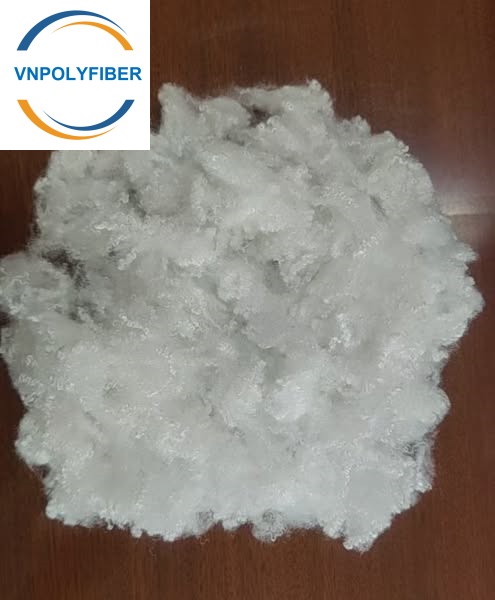
- Hollow Conjugated Siliconized (HCS): Hollow fiber with a silicone finish for ultra-smooth, slippery hand feel and excellent loft recovery. The premium standard for pillow and cushion fill.
- Trilobal: Three-lobed cross-section that mimics the light-reflecting properties of natural silk, producing a lustrous appearance. Used in apparel and home textile applications.
- Conjugate / Bicomponent: A two-polymer fiber (see the bicomponent / low melt fiber article) used for thermal bonding in nonwovens.
By Functional Treatment
- Standard (untreated): Basic fiber for general applications.
- Hydrophilic: Surface-treated to attract and transport moisture — used in hygiene product topsheets and acquisition layers where rapid fluid wicking is required.
- Anti-bacterial / Anti-microbial: Treated with silver ions or other antimicrobial agents—used in medical textiles, hygiene products, and outdoor applications.
- Flame Retardant (FR): Incorporates flame retardant chemistry (either as a surface finish or as an additive during polymerization)—used in automotive, transportation, and protective textile applications.
- Low Melt / Bicomponent: See the dedicated Low Melt Fiber (LMF) and Bicomponent Fiber guides.
Applications of Virgin Polyester Staple Fiber
The versatility of virgin polyester staple fiber has made it indispensable across an extraordinarily diverse range of industries and product categories. Below is a comprehensive overview of the major application segments.
Apparel and Fashion
Virgin PSF is blended with cotton, wool, viscose, and other fibers to produce yarns for knitted and woven fabrics used in sportswear, outerwear, workwear, and fashion garments. Polyester’s durability, wrinkle resistance, and colorfastness complement the comfort and breathability of natural fiber blends while reducing cost and improving washability. Fine-denier virgin PSF is used in soft-touch fabrics that simulate cotton or cashmere in premium apparel lines.
Home Textiles and Bedding
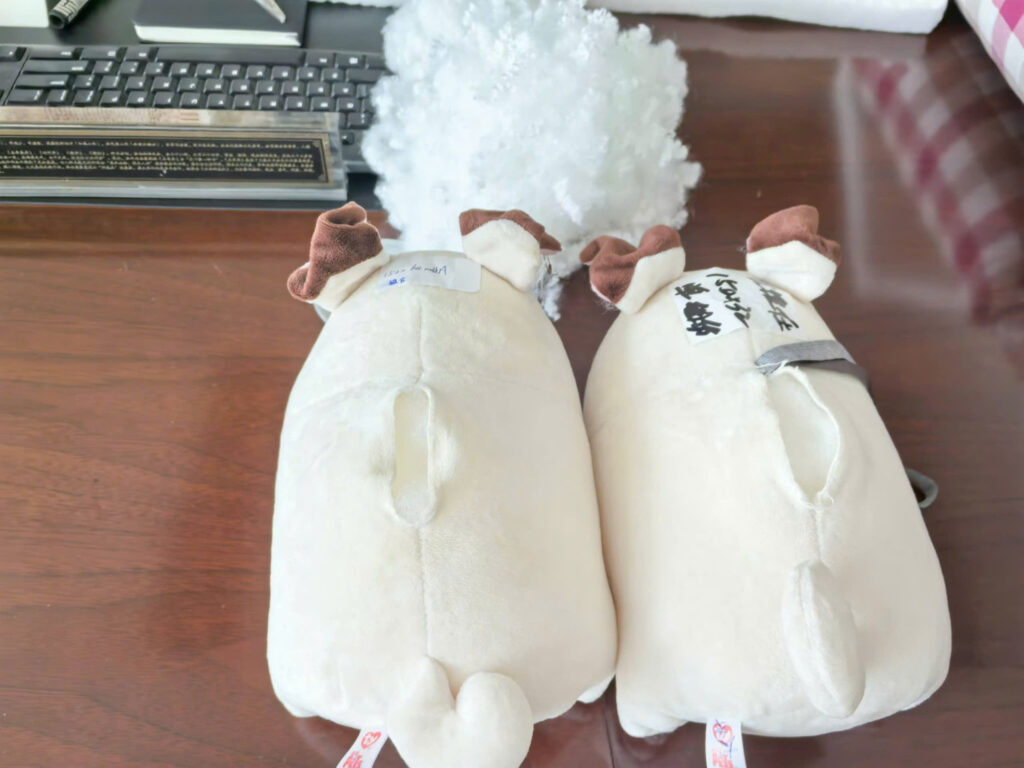
The home textile sector is one of the largest consumers of virgin polyester staple fiber. Hollow conjugated siliconized (HCS) fiber is the dominant fill material for pillows, cushions, duvets, and stuffed toys, offering long-lasting loft, washability, and hypoallergenic properties. Polyester fiberfill is used in sofa cushions, mattress toppers, and furniture padding. Polyester fiber batting is used in quilts and comforters. Woven and knitted polyester fabrics are used in curtains, upholstery, and bedding covers.
Automotive Textiles
The automotive interior is a demanding environment—high UV exposure, wide temperature swings, mechanical abrasion, and strict VOC emission requirements. Virgin polyester’s excellent colorfastness, UV stability, abrasion resistance, and dimensional stability make it the fiber of choice for car seat fabrics, headliner facings, door panel coverings, trunk liners, and floor carpets. Polyester nonwovens bonded with low melt bicomponent fiber are used extensively in headliners and door panels, replacing adhesive-bonded systems and reducing VOC emissions in the vehicle cabin. Acoustic insulation nonwovens—blending virgin PSF with low melt fiber—reduce road and engine noise.
Nonwoven Fabrics
Virgin polyester staple fiber is a cornerstone raw material for the nonwoven fabrics industry, which serves markets including hygiene, medical, filtration, geotextiles, construction, and automotive. In nonwoven production, PSF is processed through carding, air-laying, or wet-laying to form fiber webs, which are then bonded thermally (using bicomponent/LMF fiber), chemically (using latex binders), or mechanically (using needlepunching or hydroentanglement). The resulting nonwoven fabrics combine the properties of polyester—strength, stability, and chemical resistance—with the fabric characteristics engineered by the web formation and bonding process.
Filtration
Virgin polyester’s chemical resistance, dimensional stability, and ability to be engineered across a wide denier and crimp range make it an excellent filtration fiber. Polyester nonwoven filter media is used in HVAC air filtration, industrial dust collection, automotive cabin air filters, liquid filtration systems, and water treatment. Fine-denier polyester provides high particle capture efficiency; coarser denier provides structural support and high airflow. The absence of contaminants and batch-to-batch consistency of virgin virgin PSF is especially important in filtration applications where performance specifications must be reliably met.
Geotextiles and Civil Engineering
Geotextile nonwovens made from virgin polyester staple fiber are used in road construction, railroad ballast separation, land reclamation, drainage systems, and erosion control. Polyester’s excellent tensile strength, UV resistance (when stabilized), and chemical resistance in soil contact make it a reliable long-term geotextile material. Needlepunched polyester geotextiles are the dominant type for separation, filtration, and drainage functions in civil engineering applications.
Medical and Hygiene Products
Virgin polyester’s high purity — free from the contaminants present in recycled materials — makes it particularly suited to medical and hygiene applications. Polyester nonwovens are used in surgical gowns, drapes, wound dressings, sterile packaging, and hospital bedding. In hygiene products, fine-denier hydrophilic polyester fiber is used in diaper topsheets and acquisition layers, providing gentle, skin-safe fluid management.
Filling Materials — Pillows and Stuffed Goods
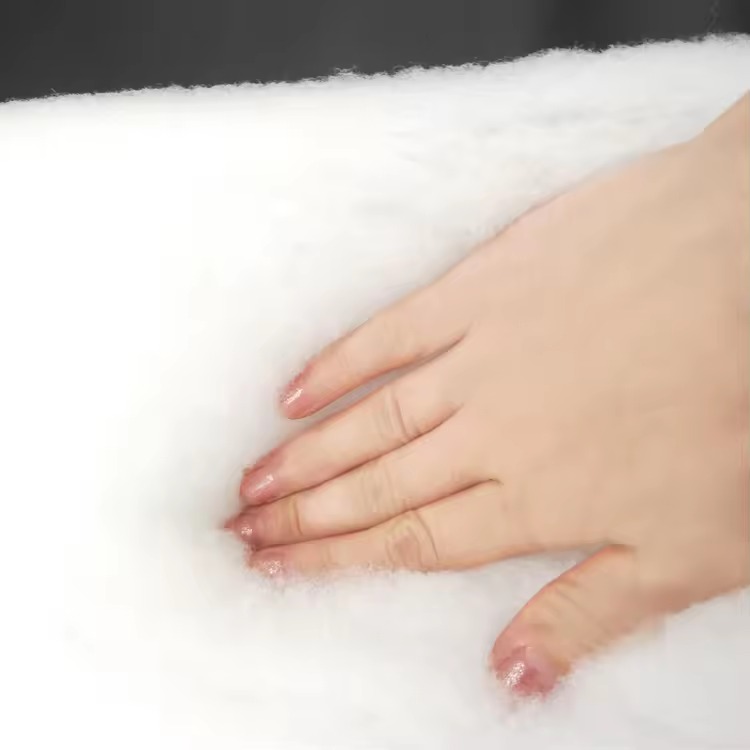
HCS (Hollow Conjugated Siliconized) polyester fiber is the global standard for pillow and cushion fill, combining exceptional loft, resilience, washability, and allergen-free properties. The hollow structure reduces fiber weight while maintaining bulk and insulation; the silicone finish provides the slippery, free-flowing hand feel that enables even fill distribution and excellent loft recovery after compression. Premium pillow products use higher grades of HCS fiber with higher denier, higher crimp, and premium silicone finishes for superior performance.
Virgin Polyester Staple Fiber vs. Recycled Polyester Staple Fiber
The relationship between virgin PSF and recycled polyester staple fiber (RPSF) is one of the defining conversations in the global fiber industry today. Both have important roles to play, and choosing between them requires an honest assessment of the trade-offs.
Dimension | Virgin PSF | Recycled PSF (RPSF) |
Raw Material | Petrochemical PTA + MEG (new) | Reclaimed PET bottles, textile waste, industrial scrap |
Purity & Consistency | Highest — no contamination risk, batch-to-batch uniformity | Variable — depends on feedstock quality and processing rigor |
Performance Properties | Precisely controlled—widest range of denier, crimp, cross-section available | Good for standard grades; limitations in fine denier and specialty types |
Carbon Footprint | Higher — petroleum extraction and polymerization | Lower—avoids primary polymer production; typically 30–60% lower CO₂ |
Cost | Generally lower for standard grades (established supply) | Generally comparable or slightly higher for certified recycled content |
Certifications | Oeko-Tex, product-specific quality standards | GRS (Global Recycled Standard), Oeko-Tex, SCS Recycled Content |
Best Applications | Medical, hygiene, high-performance filtration, premium apparel, specialty automotive | Apparel, home textiles, standard nonwovens, geotextiles, packaging |
End-of-Life | Recyclable (PET stream); not biodegradable | Recyclable again (closed-loop potential); not biodegradable |
The key insight: virgin PSF and recycled PSF are not competitors—they are complements. Virgin PSF is essential where purity, precision, and consistent performance are non-negotiable. Recycled PSF is an excellent sustainable choice where the application tolerates some variability and environmental footprint is a priority. Many manufacturers deliberately blend both to balance performance and sustainability goals.
Sustainability of Virgin Polyester Fiber
Virgin polyester fiber presents a nuanced sustainability picture that merits honest discussion. The material has genuine environmental challenges—and meaningful environmental advantages—that must both be acknowledged.
Environmental Challenges
- Petrochemical dependence: PTA and MEG are derived from petroleum, a non-renewable fossil resource. Virgin PSF production contributes to fossil resource depletion and generates greenhouse gas emissions at both the extraction and polymerization stages.
- Non-biodegradability: Standard polyester fiber does not biodegrade under natural conditions, contributing to microplastic pollution when fibers are released during washing or when products reach end-of-life without proper management.
- Water and energy intensity: Polyester production requires significant energy and water inputs, though modern large-scale plants have made substantial improvements in energy efficiency and water recycling.
Environmental Advantages and Mitigations
- Durability extends product life: Polyester’s exceptional durability means polyester-based products last longer than many natural fiber alternatives, reducing replacement frequency and total resource consumption over a product’s lifetime.
- Low-water use in production (vs. cotton): While polyester is petrochemical-derived, it requires dramatically less water during fiber production compared to cotton cultivation, which is one of the most water-intensive agricultural crops globally.
- Recyclability: Virgin PET polyester fiber is recyclable back into the PET stream — either mechanically (chip recycling) or chemically (depolymerization to monomers). A fully circular PSF economy — where fiber is repeatedly recycled into new fiber — is technically feasible and increasingly commercially practiced.
- Bio-based feedstocks: Research and early commercial development of bio-based PTA and MEG—derived from plant sugars rather than petroleum—offer a pathway to bio-based virgin polyester with the same performance as petroleum-based PSF but a renewable feedstock base.
- Blending with sustainable fibers: Blending virgin PSF with recycled polyester, natural fibers, or bio-based fibers creates products with a reduced environmental footprint while retaining the performance advantages of polyester.
The sustainability trajectory for virgin polyester fiber is clearly one of progressive improvement—through bio-based feedstocks, improved recyclability, closed-loop manufacturing, and product design for disassembly and recycling.
How to Choose the Right Virgin Polyester Staple Fiber
With hundreds of virgin PSF grades and specifications available, selecting the right fiber for a given application requires systematic evaluation of the following parameters:
- Denier: Match fiber fineness to the required fabric properties. Fine denier (0.8–2d) for soft, high-filtration, or skin-contact applications; coarse denier (6d+) for padding, fill, and heavy nonwovens.
- Staple length: Match cut length to your processing equipment. 32–38 mm for wet-lay and fine carding; 51–64 mm for dry-lay carding and blended yarn spinning.
- Crimp: Higher crimp for bulk, loft, and carding cohesion in nonwovens; lower crimp for compact structures, yarn spinning, and smooth surface textiles.
- Tenacity and elongation: Select based on the mechanical performance requirements of the finished product. High tenacity for filtration, geotextiles, and industrial applications; standard tenacity for apparel and hygiene.
- Cross-section: Round for general use; hollow/HCS for fiberfill and insulation; trilobal for silk-like aesthetics; bicomponent/LMF for thermal bonding.
- Functional finish: Specify hydrophilic, anti-bacterial, flame retardant, or siliconized finish based on end-use requirements.
- Certifications: Specify Oeko-Tex Standard 100 (chemical safety), ISO 9001 (quality management), or application-specific certifications (e.g., medical device compliance, food contact approval) as required.
Partnering with a technically competent fiber supplier who can provide application-specific guidance, laboratory testing support, and consistent production quality is essential for optimizing fiber selection for your specific process and end-use requirements.
Global Market Outlook for Virgin Polyester Staple Fiber
Polyester remains the world’s most produced synthetic fiber by a significant margin, and virgin polyester staple fiber plays a central role in the global fiber economy. Key trends shaping the market include the following:
- Asia-Pacific dominance: China is the world’s largest producer and consumer of virgin PSF, followed by India, South Korea, Taiwan, and Vietnam. The region accounts for the majority of global virgin PSF capacity and continues to invest in new production.
- Nonwoven growth: The nonwoven fabrics industry — driven by hygiene, medical, filtration, and automotive applications — is one of the fastest-growing end markets for virgin PSF, with sustained demand growth across both developed and emerging economies.
- Automotive electrification: The transition to electric vehicles is driving increased demand for lightweight acoustic insulation nonwovens (a key application for virgin PSF blended with LMF bicomponent fiber) as EV manufacturers seek to address the absence of engine noise masking.
- Sustainability pressure: Growing regulatory and consumer pressure is accelerating the transition from virgin to recycled PSF in cost-tolerant applications while maintaining virgin PSF demand in performance-critical segments.
- Bio-based development: Commercial development of bio-based PTA and MEG — enabling bio-based virgin PSF with identical performance to petroleum-based fiber — is advancing, with first commercial volumes available and scaling expected through the decade.
- Circular economy: Chemical recycling technologies (glycolysis and methanolysis) that depolymerize used polyester back to monomers—suitable for re-polymerization into virgin-equivalent fiber—are scaling commercially, potentially enabling a truly circular virgin-quality fiber supply chain.
Conclusion: Virgin Polyester Staple Fiber Remains Essential
Virgin polyester staple fiber has earned its position as one of the most widely used fiber materials in the world through a combination of outstanding mechanical performance, extraordinary versatility, precise engineerability, and reliable supply chain infrastructure that few other materials can match.
From the softest pillow fill to the most demanding industrial filtration media, from car seat fabrics to surgical gowns, virgin PSF delivers consistent, high-quality performance that underpins the reliability of the products it goes into. Its hydrophobic character, colorfastness, dimensional stability, and resilience address real performance needs that have no easy substitute.
The sustainability challenge for virgin PSF is real and must be addressed through bio-based feedstocks, improved recyclability, closed-loop systems, and intelligent blending with recycled and natural fibers. But the performance case for virgin polyester in demanding applications remains as strong as ever.
As industry continues to innovate — developing bio-based PET, advancing chemical recycling to virgin-equivalent quality, and engineering new fiber functionalities — virgin polyester staple fiber will evolve alongside these advances, remaining an indispensable material in the global textile and nonwoven industries for decades to come.
To explore our full range of virgin polyester staple fiber grades—including standard, hollow, HCS, fine denier, flame retardant, and specialty variants—we invite you to contact our technical team for application-specific guidance.
Technical Parameter
| Product type | Recycled Polyester Staple Fiber |
| Fineness | 7D / 15D |
| Cut length | 32mm / 51mm / 64mm |
| Luster | semi dull |
| COLOR | Raw white |
| Pattern | Hollow Siliconized & Hollow Non-Siliconized |
| Raw Material | 100% PET flakes |
| Grade | Recycled, AAA grade |
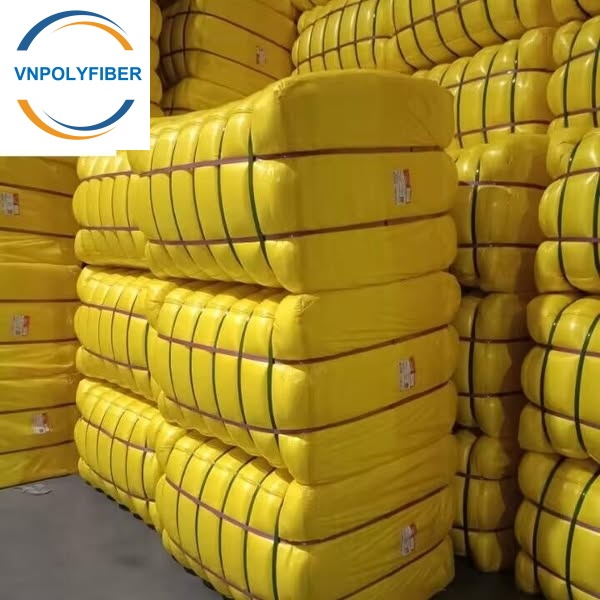
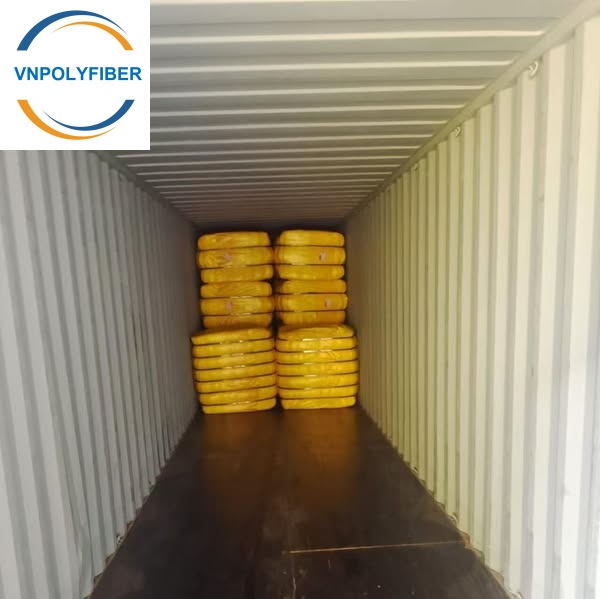
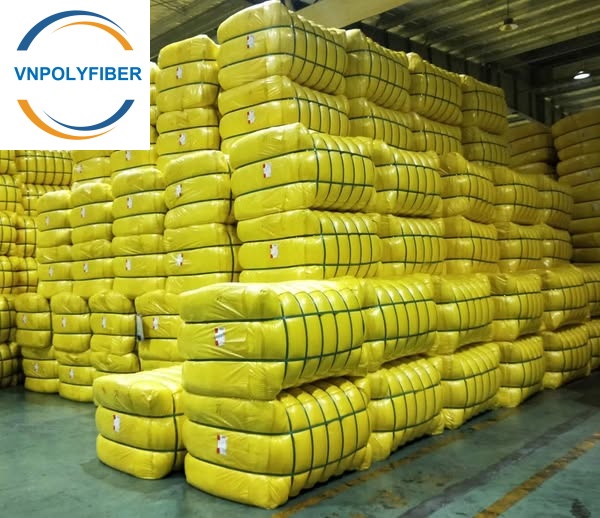
| Packing details | 250kg-350kg/PP woven bag/bale |
| Delivery time | 5-20days after 30% deposit |
| Payment Term | TT30/70; L/C at sight |
| MOQ | 1x40HQ; 22 – 23 tons/container |
| Quality | First quality |
Specifications of Polyester Staple Fiber Viet Nam
Denier Size: 3D, 6D, 7D, 10D, 15D
Cut length: 32mm, 51mm, 64mm, 76mm,
Feel: siliconised or non siliconised soft as well as harsh feel
Tensile strength: 3.5 to 4.5 gm/Denier
Elongation: 40 to 60%
Oil Pickup: minimum 0.20% to 0.35%
Crimps: 3 to 5 per cm
Shades: All shades available
Color Fastness: 4+
Quality: Hollow Conjugate Siliconised Fiber, Hollow Non-Conjugate Siliconised Fiber, Solid Fiber Siliconised/non Siliconised
Application: Cushions – Pillows – Quilts – Toys – Jacket – Mattress – Non woven carpet – Automotive felts, speaker felts, geo textiles, polyfill wadding, filter fabrics and other acoustics as well.
FAQ
1. What do you offer?
We supply a comprehensive range of fibers, including recycled hollow conjugated (both siliconized and non-siliconized) polyester staple fiber, hollow fiber, microfiber, virgin polyester staple fiber, and low-melt fiber.
2. What is it used for?
Our fibers are versatile and widely utilized across both the filling and non-woven industries, providing essential loft, durability, and texture for various consumer and industrial applications.
3. Are you a factory or a trading company?
We are primarily a manufacturer specializing in polyester staple fiber with years of industry expertise. To better serve our clients, we also operate a dedicated trading division that allows us to act as a one-stop solution provider.
In addition to our own fiber production, we source high-quality textile components (such as yarn and low-melt fibers) and finished goods (including foam, pillows, cushions, toys, and down/feather products) to ensure our customers have access to a comprehensive supply chain.
4. Where is your factory location?
To maintain a robust and flexible global supply chain, our manufacturing facilities are strategically located throughout Asia, specifically in Vietnam, China, Malaysia, Thailand, and Indonesia. If you would like to visit one of our sites, please contact your sales representative, and we will be happy to arrange transportation for you.
5. Can you accept free sample?
Yes, we provide free hand samples for quantities under 1 kilogram. Once a price is confirmed, we can prepare and dispatch your sample within 2–3 business days. Please note that while the sample is free, the freight costs are the responsibility of the client.
6. Can you provide ODM service?
Absolutely. We specialize in ODM (Original Design Manufacturing). This means we can customize the material composition, dimensions, quantity, packaging, and branding to meet your specific requirements. Your logo and unique specifications will be integrated into the final product.
7. How about your quality? What’s the minimum order Quantity (MOQ)?
We invite you to place a trial order to experience our quality firsthand. Our standard MOQ is 23,000 kilograms per order.
Regarding pricing, we maintain a no-bargain policy. We believe in transparency and efficiency, so we provide our most competitive offer upfront to save you time and ensure a straightforward procurement process.
8. Can I mix different items in one order?
Yes, for your convenience, we allow for a maximum of two different items to be mixed within a single container.
9. How can you guarantee the product quality?
Quality is the cornerstone of our business. We employ an experienced QC team that monitors every stage of production, from raw material inspection to the final manufacturing process. We utilize a range of advanced testing instruments to ensure our fibers meet strict industry standards.
Our business philosophy is simple: We aim to serve one customer 1,000 times, rather than 1,000 customers once. We prioritize long-term partnerships built on consistent excellence.
10. What’s the payment terms?
L/C at sight, 30% TT in advance are mostly accepted; other terms shall be negotiable by both sides
For more information, please feel free to contact :
Tony Tan
Mobile number: +84 90 466 5251 (Whatsapp/Wechat/Viber/Signal)