
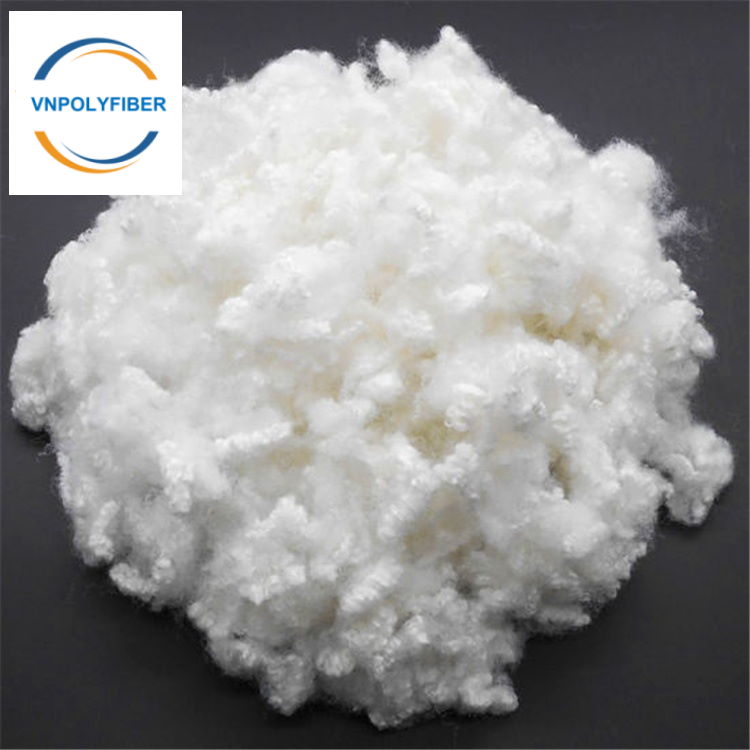
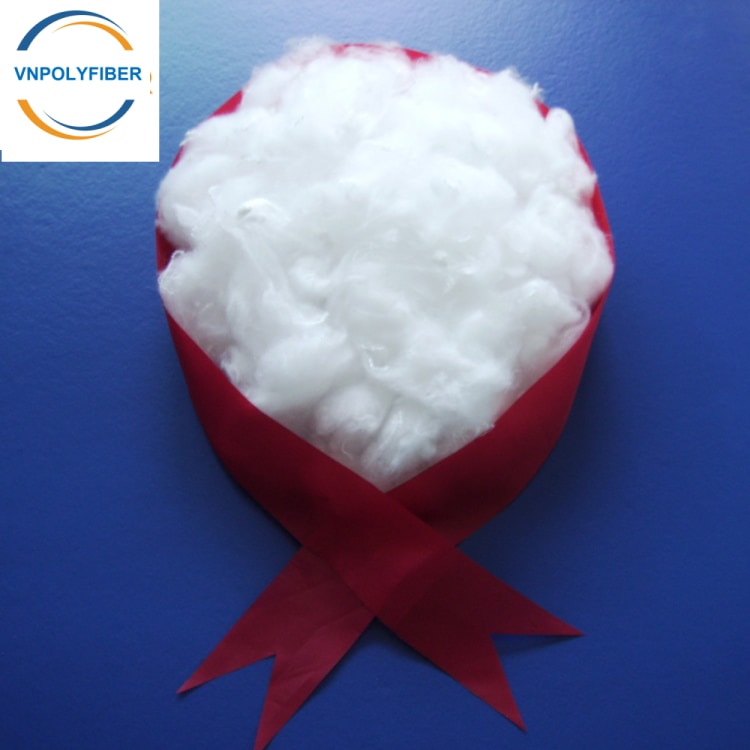
Polyester Hollow Fiber for Stuffing and Filling
Superior Insulation: The hollow core traps air for better loft, warmth, and recovery than solid fibers.
Easy Processing: Smooth carding and excellent bonding with low-melt fibers.
High Versatility: Ideal for fiberfill, filtration, padding, wadding, and insulation.
PRODUCT DETAIL
Polyester Hollow Fiber for Industrial Stuffing and Filling
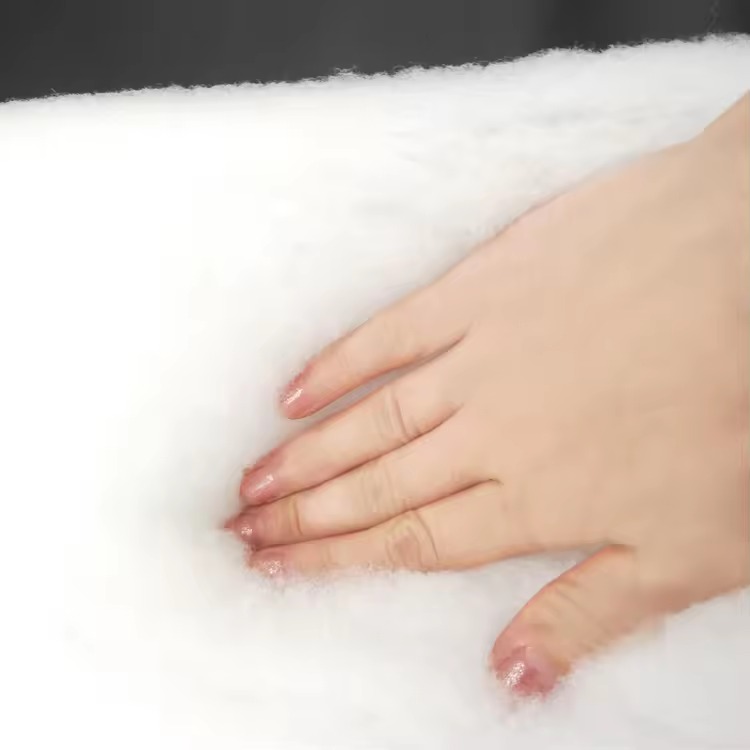
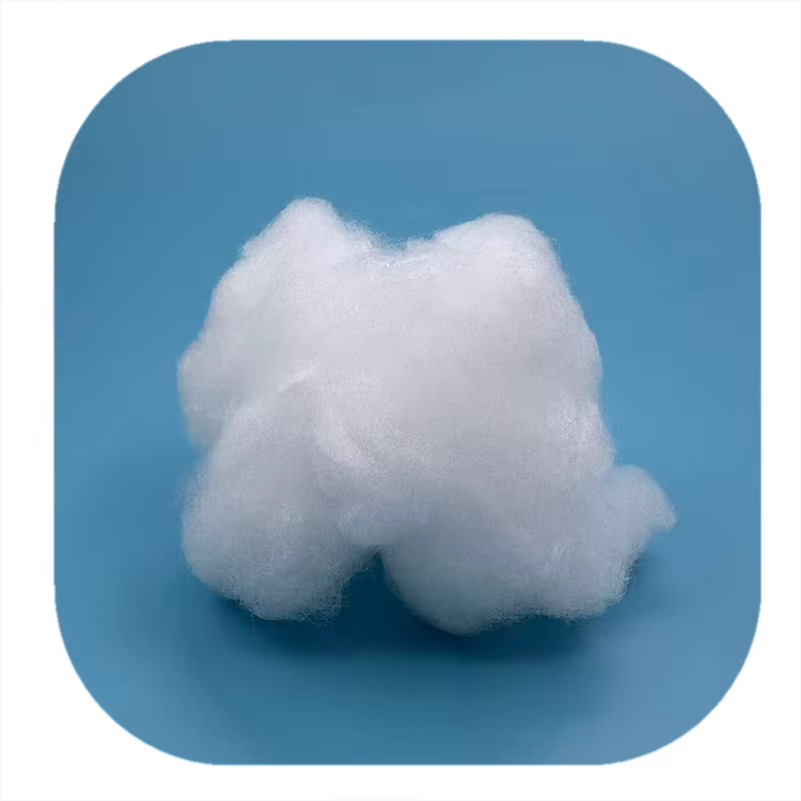
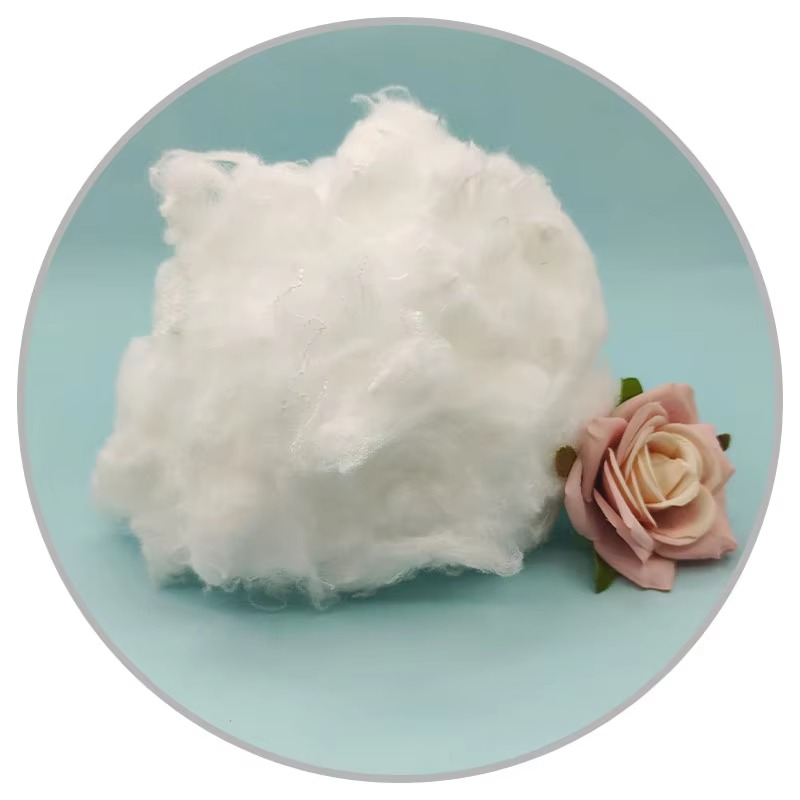
Recycled polyester hollow fiber, frequently referred to in the trade as “hollowfibre,” is a premium synthetic material engineered for high-performance applications across the textile and bedding industries. Renowned for its durability, versatility, and affordability, this fiber has become the standard for manufacturers prioritizing both quality and cost-efficiency. Made from pure polyester polymers, hollow fiber is characterized by its lightweight, soft, and fluffy texture, which serves as the premier filling for pillows, duvets, and luxury bedding items.
Understanding the Structural Benefits of Hollow Fiber
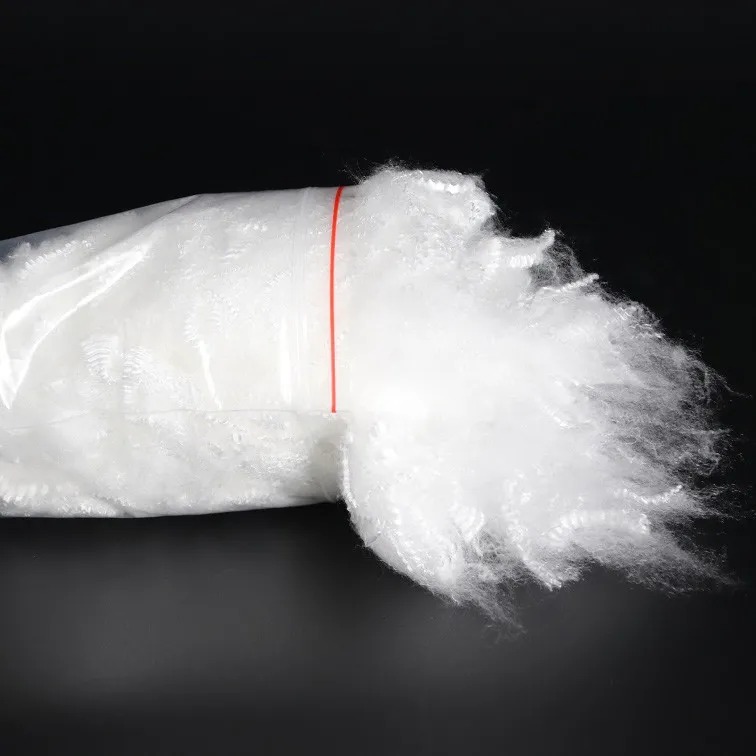
The main technical benefit of hollow PSF (Polyester Staple Fiber) is that it is better at staying fluffy, bouncing back, and keeping warmth than regular solid fibers. The engineering behind this material involves a continuous void or “hole” in the center of each single fiber filament. This hollow core allows the fiber to trap and save air, creating a natural thermal barrier. This trapped air provides enhanced warmth and acts as a microscopic spring, giving the material a much higher “bounce-back” or recovery rate after compression.
Furthermore, our hollow PSF is specifically designed for ease of processing. It is remarkably easy to be carded and exhibits excellent bonding characteristics when paired with low melting fiber (LMF) for thermal bonding applications. This makes it a foundational material for fiberfill, filtration media, padding, wadding, and industrial insulation.
Hypoallergenic and Breathable Properties
One of the most significant benefits of virgin polyester hollow fiber is its inherently hypoallergenic nature. Unlike natural fillings like down or feathers, synthetic hollow fiber is naturally resistant to dust mites and other common allergens. This makes it a preferred choice for consumers with respiratory sensitivities or allergies.
Beyond its safety profile, this fiber is highly breathable. The hollow structure allows air to circulate freely within the fiber matrix, which assists in regulating body temperature and maintaining comfort for the sleeper. Additionally, polyester is hydrophobic, meaning it is quick-drying and resistant to moisture. These practical attributes make it an excellent material for outdoor clothing, high-performance jackets, and industrial sleeping bags.
The Versatility of Polyester Hollowfibre in Textiles
Virgin polyester hollow fiber is a cost-effective solution widely utilized throughout the global textile industry. Its chemical stability means it can be mixed with other synthetic or natural fibers to make special fabrics that perform better, like those that wick away moisture or resist static. For manufacturers, the lightweight and soft nature of this fiber makes it a reliable staple for clothing and bedding that must endure heavy use while maintaining a “like-new” feel.
Technical Comparison: Carded Fiber vs. Fiberball
When selecting a filling style, manufacturers typically choose between ball fiber (fiberball) and carded fiber. The distinction between these two lies in the processing and final shape of the material.
Ball Fiber and Cluster Fiber: Ball fiber, often marketed as cluster fiber, is produced by rolling small clusters of polyester fibers into tiny, resilient spheres. These balls are soft, fluffy, and designed to retain their shape even with extended use. Because the independent clusters can move freely within a pillow or cushion, ball fiber is typically found in high-end, luxury products where durability and a “down-like” feel are required.
Carded Fiber Sheets In contrast, carded fiber is produced by combing polyester fibers together into a uniform, flat sheet. These fibers are layered to achieve a specific thickness and density before being cut to size. Carded fiber is generally more affordable than ball fiber and is a popular choice for budget-friendly pillows, furniture cushions, and industrial wadding.
While ball fiber is often considered more luxurious and better at resisting flattening over time, carded fiber remains a highly practical and accessible option for large-scale production. The choice between the two ultimately depends on the specific comfort requirements and budget constraints of the project.
The Engineering of Hollow Conjugate Slick
When sourcing “Hollow Conjugate Slick” fiber, you are choosing a material with a 3D spiral crimp. This “conjugate” crimp provides the ultimate level of resilience. When combined with a hollow center and a siliconized finish, the result is a fiber that provides maximum volume with minimal weight. This technology is the key to creating products that offer long-lasting support and a premium user experience.
Whether you are designing a high-efficiency filtration system or a line of luxury home textiles, polyester hollow fiber provides the durability and performance necessary for success in today’s competitive market.
Technical Parameter
Our hollow fiber products are engineered for a wide range of specialized applications. In the realm of filling materials, it is the primary choice for toys and pillows, typically utilized in cut lengths of 51mm or 64mm. In the spinning sector, it is used for quilts, spinning cotton, and soft cloth or slippers lining. Furthermore, it is a vital component in the production of needle-punched nonwovens, polyester wadding, and hard mattresses where support and structural integrity are paramount.
Product Specifications for Procurement
Our range covers a broad spectrum of technical needs, ensuring compatibility with various manufacturing processes.
Denier Range: 3D to 15D
Fiber Type: Hollow Conjugate Slick (HCS)
Grade Options: Recycled GRS-certified or First Quality Virgin
Color Palette: Raw White and Optical White
Standard Cut Lengths: 32mm, 51mm, 64mm, and 76mm
Specialized Finishes: Siliconized, Slick, Dry, Flame Retardant (FR), Antibacterial, and Low Shrinkage
The “Slick” finish refers to a silicone treatment that allows fibers to slide past one another, preventing clumping and ensuring a silky hand-feel. Conversely, our “Dry” finish provides the friction necessary for certain industrial filtration and padding applications.
FAQ
1. What do you offer?
We supply a comprehensive range of fibers, including recycled hollow conjugated (both siliconized and non-siliconized) polyester staple fiber, hollow fiber, microfiber, virgin polyester staple fiber, and low-melt fiber.
2. What is it used for?
Our fibers are versatile and widely utilized across both the filling and non-woven industries, providing essential loft, durability, and texture for various consumer and industrial applications.
3. Are you a factory or a trading company?
We are primarily a manufacturer specializing in polyester staple fiber with years of industry expertise. To better serve our clients, we also operate a dedicated trading division that allows us to act as a one-stop solution provider.
In addition to our own fiber production, we source high-quality textile components (such as yarn and low-melt fibers) and finished goods (including foam, pillows, cushions, toys, and down/feather products) to ensure our customers have access to a comprehensive supply chain.
4. Where is your factory location?
To maintain a robust and flexible global supply chain, our manufacturing facilities are strategically located throughout Asia, specifically in Vietnam, China, Malaysia, Thailand, and Indonesia. If you would like to visit one of our sites, please contact your sales representative, and we will be happy to arrange transportation for you.
5. Can you accept free sample?
Yes, we provide free hand samples for quantities under 1 kilogram. Once a price is confirmed, we can prepare and dispatch your sample within 2–3 business days. Please note that while the sample is free, the freight costs are the responsibility of the client.
6. Can you provide ODM service?
Absolutely. We specialize in ODM (Original Design Manufacturing). This means we can customize the material composition, dimensions, quantity, packaging, and branding to meet your specific requirements. Your logo and unique specifications will be integrated into the final product.
7. How about your quality? What’s the minimum order Quantity (MOQ)?
We invite you to place a trial order to experience our quality firsthand. Our standard MOQ is 23,000 kilograms per order.
Regarding pricing, we maintain a no-bargain policy. We believe in transparency and efficiency, so we provide our most competitive offer upfront to save you time and ensure a straightforward procurement process.
8. Can I mix different items in one order?
Yes, for your convenience, we allow for a maximum of two different items to be mixed within a single container.
9. How can you guarantee the product quality?
Quality is the cornerstone of our business. We employ an experienced QC team that monitors every stage of production, from raw material inspection to the final manufacturing process. We utilize a range of advanced testing instruments to ensure our fibers meet strict industry standards.
Our business philosophy is simple: We aim to serve one customer 1,000 times, rather than 1,000 customers once. We prioritize long-term partnerships built on consistent excellence.
10. What’s the payment terms?
L/C at sight, 30% TT in advance are mostly accepted; other terms shall be negotiable by both sides
For more information, please feel free to contact :
Tony Tan
Mobile number: +84 90 466 5251 (Whatsapp/Wechat/Viber/Signal)