1. Airlaid nonwoven materials
A selection of different fibers and blends can be utilized to produce products that are suitable for a diverse range of applications.
When bonded thermally using air through, airlaid nonwoven materials can exhibit high elasticity and flexibility.
Airlaid nonwoven materials offer an excellent padding effect similar to textile fabric, making them a suitable alternative to foam in mattresses.
Due to their porous nature and ability to be densely packed, airlaid nonwoven materials are commonly used in applications that require sound insulation and absorption.
2. Carded thermalbond
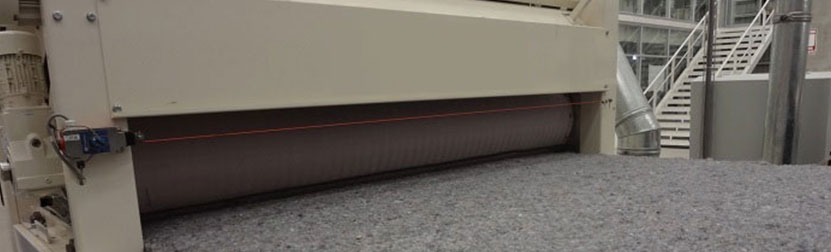
Carded nonwovens are a suitable option when consistency and aesthetic appeal are of significance.
A diverse range of thicknesses, weights, and colors are accessible.
Different types of fibers and blends can be utilized, with textures ranging from soft to rigid.
These materials exhibit exceptional resilience, durability, and drainage properties, rendering them suitable for application as Geotextile fabric.
3. Needle punch
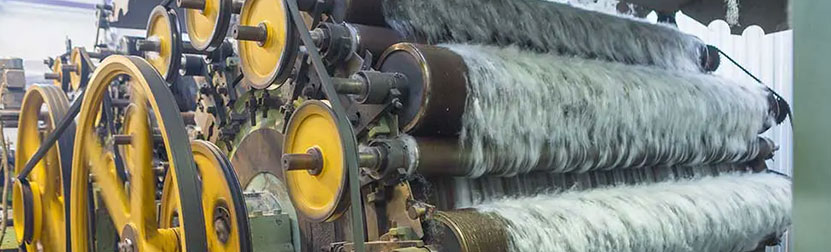
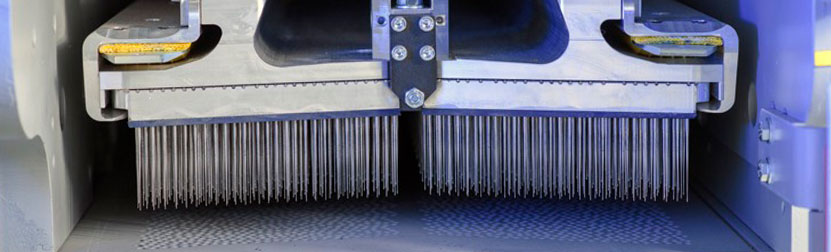
Needle punch nonwovens have excellent loft and elongation properties when no additional bonding or processing is applied.
When subjected to thermal bonding using a calender machine, needle punch nonwovens exhibit high toughness and tear resistance.
A wide range of fibers and blends can be utilized in the production of these nonwovens.
The characteristics of needle punch nonwovens, such as thickness, softness, toughness, and pliability, can be tailored to meet specific requirements.
Needle punch nonwovens are available in various thicknesses, weights, and colors to cater to diverse preferences.
4. Stitch bonded nonwovens
The texture of the material ranges from exceptionally soft to extremely stiff.
The surface is flat, making it suitable for a diverse array of printing techniques.
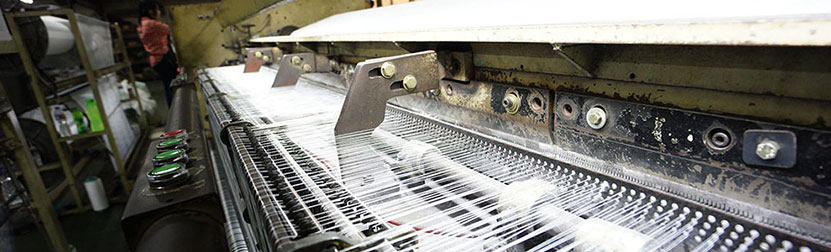
Stitch bonded nonwovens exhibit strong tensile strength.
They serve as an effective reinforcement for a variety of sports shoe linings.
These nonwovens possess high voluminosity, softness, good absorbent properties, elasticity, and air permeability.
Applications of nonwoven fabric in Apparel
Interlining & interfacings
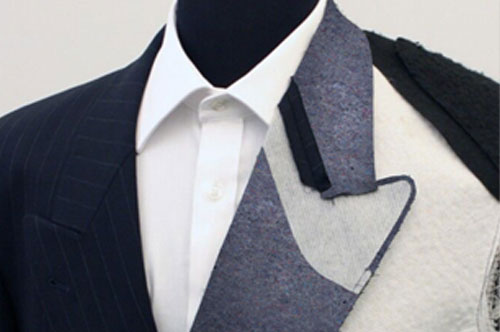
The purpose interlining is to add warmth, body and drape to a garment, while the purpose of interfacing is to provide structure. Nonwoven fabrics are believed to improve the fit and overall look of a garment. Nonwoven fabrics can also help to improve the durability of a garment.
Shoe lining & insoles
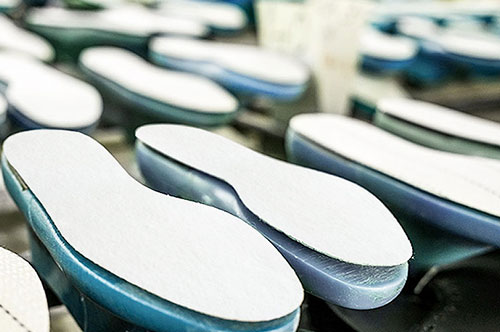
Nonwoven fabrics play important roles on the production of shoes. The reason shoe manufacturers use nonwoven fabrics as shoe lining & insoles is to cut costs. Nonwoven fabrics are guaranteed to be cheaper than other material.
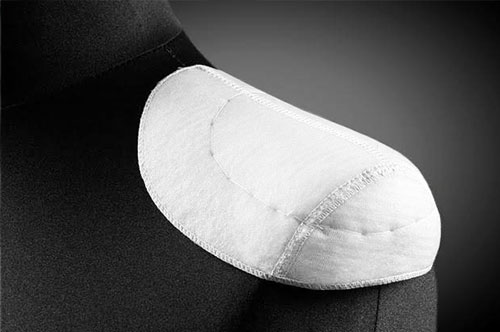
Underwear, bras & shoulder pads
Foams are usually used for padding on underwear, bras & shoulder pad. Due to the environmental awareness, more nonwoven fabrics are used. Nonwoven fabrics can be made very dense or soft, thick or thin, while maintaining good padding effects.
Applications of nonwoven fabric in Automotive
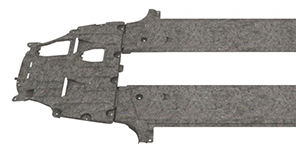
Headliners and flooring
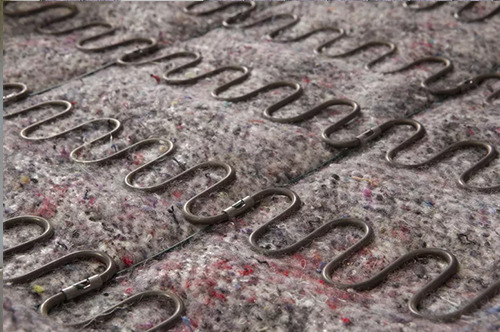
Seating
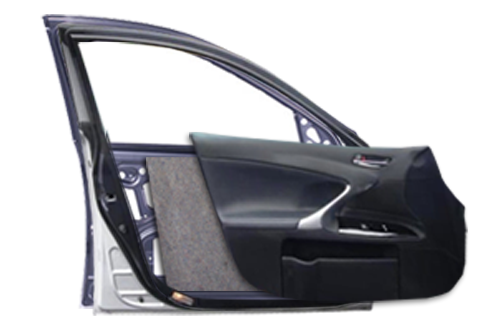
Interior components
Applications of nonwoven fabric in Building and Construction
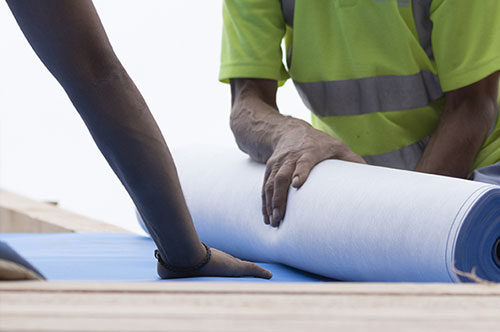
Roofing
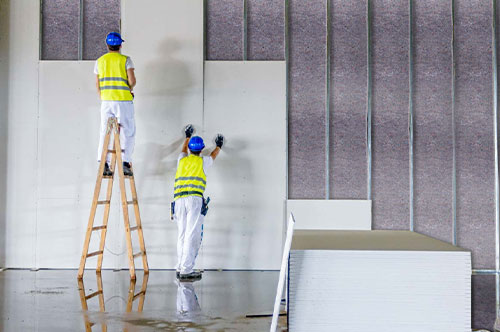
Insulation
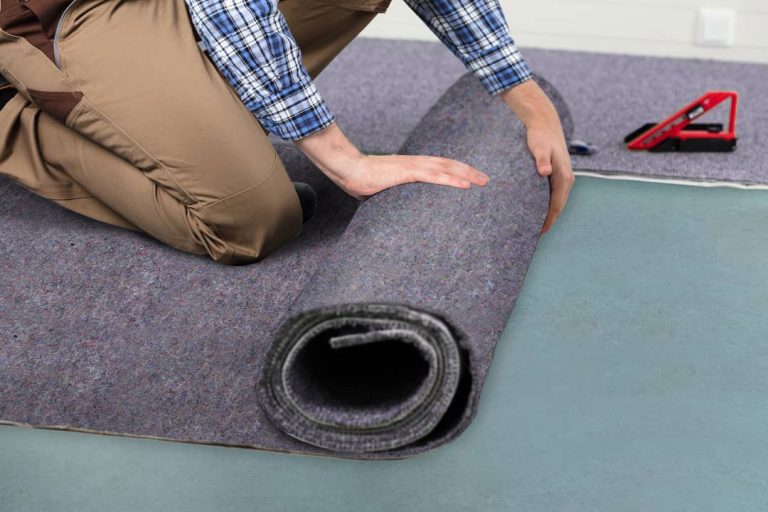
Floor covering
Applications of nonwoven fabric in Geotextile
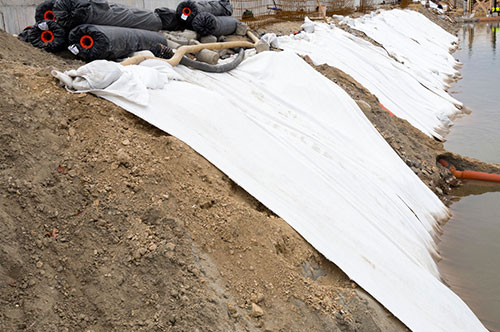
Separation
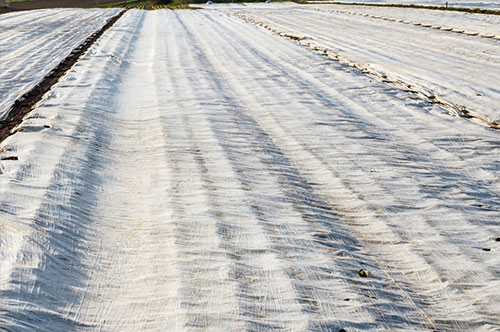
Reinforcement

Erosion control
Applications of nonwoven fabric in Home Textile
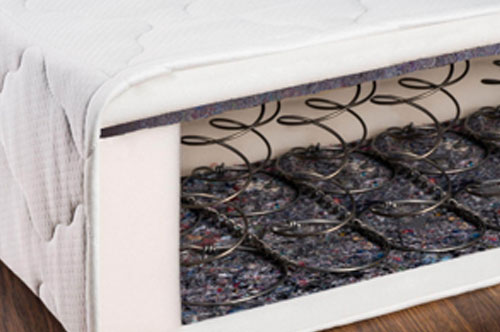
Spring isolator
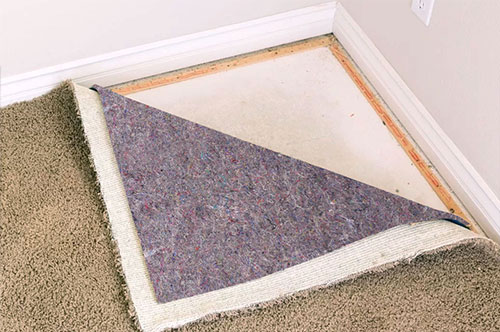
Carpet and rugs
Nonwoven fabrics have economical advantages compared to other fabric materials. Nonwoven fabrics are often used as carpet backing to reduce deformation. A wide variety of printing methods can be applied on the nonwoven fabric due to its flat surface. This makes nonwoven fabric good option for home decoration.
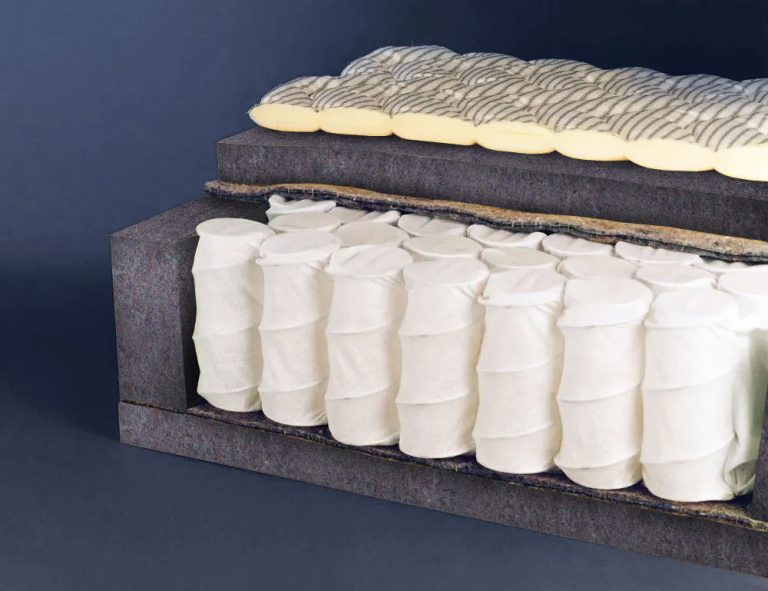
Foam replacement
Other Nonwoven products we offer
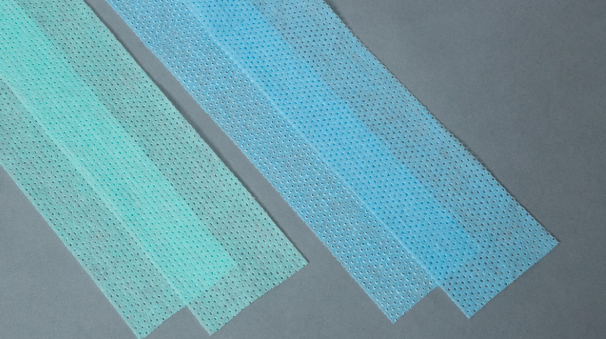

Nonwoven products Porfolio
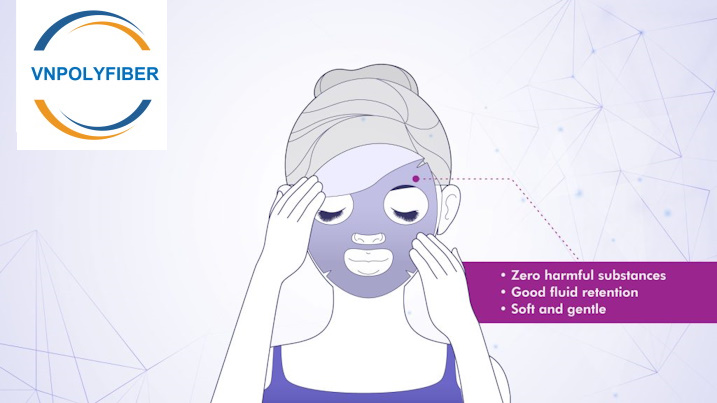
For facial care, VNPOLYFIBER’s hydroentangled nonwoven technology offers exceptional strength, softness, and fluid retention properties in sheet masks. Made with a blend of viscose, lyocell, and cotton, our sheet masks provide nourishing benefits while adhering comfortably to the skin. Pamper and rejuvenate your skin with our luxurious sheet masks for a fresh and radiant complexion.
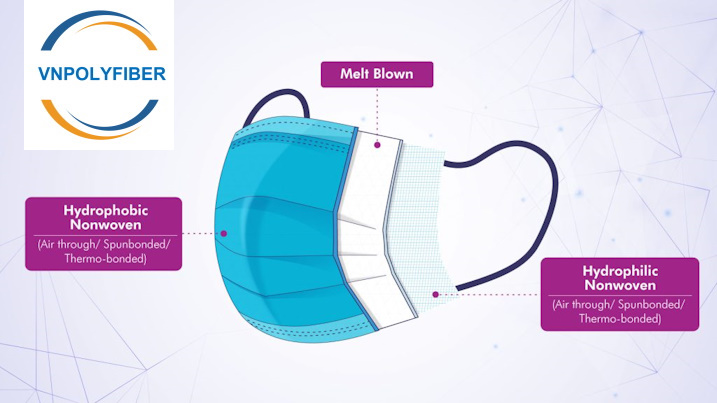
In the healthcare sector, VNPOLYFIBER provides top-of-the-line nonwoven materials for surgical masks that offer superior protection and comfort. Our innovative approach has enabled us to meet the rising demands of surgical mask manufacturers, earning the trust of medical professionals worldwide. With a dedication to excellence, we strive to provide cutting-edge solutions for the healthcare industry.
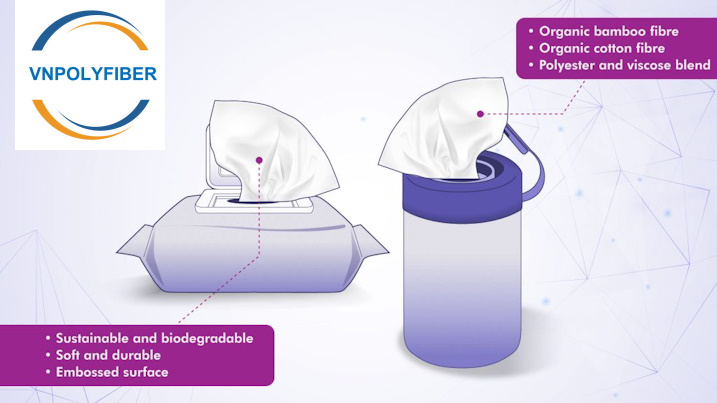
When it comes to gentle yet effective cleaning, VNPOLYFIBER understands the importance of quality materials. Our Spunlace nonwoven wipes are made from a blend of polyester and plant-based fibers, ensuring they are soft and safe for delicate skin. Highly absorbent and moisture-retentive, our wipes guarantee a thorough cleaning experience for your loved ones.
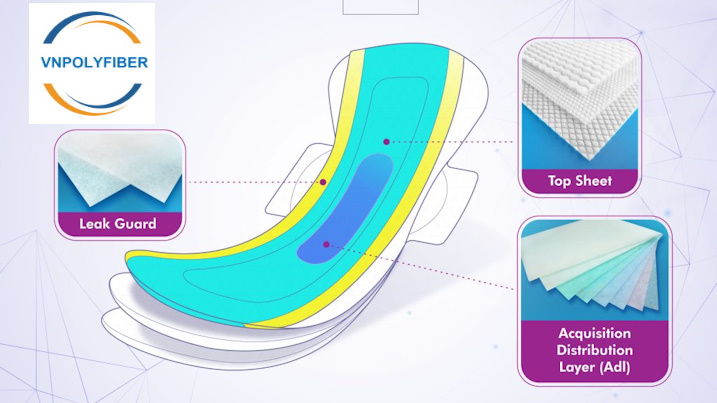
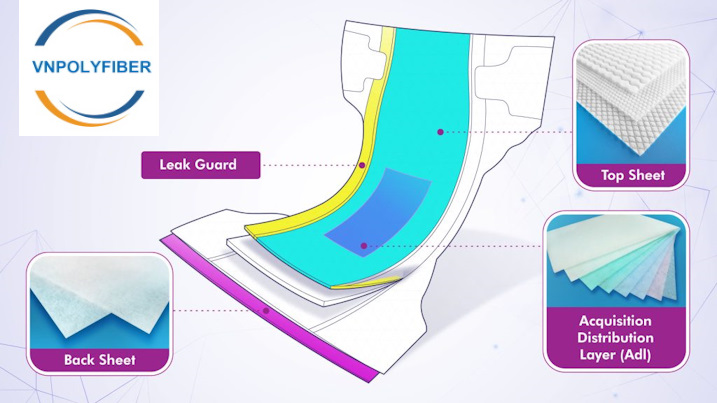
For the feminine hygiene market, VNPOLYFIBER offers a diverse range of premium nonwoven materials designed to prioritize health and safety. Our specially engineered nonwovens undergo rigorous testing to ensure exceptional absorption for high-viscosity liquids, providing women with maximum comfort and confidence. We are committed to innovation and customer satisfaction, offering reliable solutions for the feminine hygiene industry.