Natural Fill Testing Guideline
VNPOLYFIBER services provide comprehensive quality control for natural filling materials (e.g., wool, cotton, kapok, etc.). Testing covers composition verification, cleanliness standards, and performance metrics, ensuring compliance with both labeling requirements and consumer expectations.
Composition and Quality Analysis
| Test | Purpose (Why is it performed?) | Key Results & Metrics |
| Composition Analysis | To identify the components of the natural material, which forms the basis for product labeling required by governments and buyers. | The report presents the percentages by weight of each component category, including larger (fibers, residue) and smaller (animal or plant fibers) components. |
| Fiber Identification | To determine the specific fibers present in a filling sample, which is generally required for labeling, we need to conduct a thorough analysis. The label must state the ratio of multiple fibers. | Results are generally given as a percentage of the fiber(s) found during testing, which may be a single fiber or a blend of two or more. |
| Fiber Diameter (Denier) | The purpose of the fiber diameter (Denier) is to measure the linear density or thickness of a natural fiber. It helps determine material characteristics like durability and softness. | Reported in Denier. A higher denier count indicates a thicker, sturdier, and more durable material. Recommended for natural fill material. |
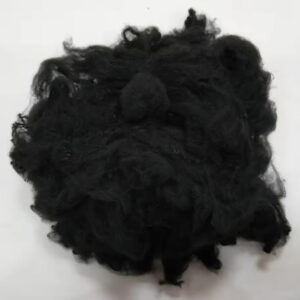
| Color | It is recommended to test the amount of white versus dark natural material in a sample. This test is crucial because dark material visible through the fabric can dissuade consumers from purchasing. | Percentages of white, dark, and borderline material are reported based on weight. It provides a quantitative value for the white natural material. |
| Fiber Length | Measures the average length of the natural staple fibers in a sample. This helps determine the relative number of fibers above and below a specified length, impacting spinning and yarn strength. | Results are reported as the average length of the staples. Recommended for natural fill material. |
Cleanliness Tests
| Test | Purpose (Why is it performed?) | Key Results & Requirements |
| Yield and Residual Grease (Fats and Oils) | Measures the amount of lipids (fat and oils) in a sample. A certain amount is needed for resilience and water resistance, but too much will cause an offensive odor. Some countries require this measurement for import or export purposes. | The amount is typically reported as a percentage, which is based on weight. A range of 0.5% to 1.5% is generally considered optimal. |
| Microbiology (Bioburden) | Tests for the viability of harmful microorganisms, verifying the cleanliness and efficacy of the washing and sterilization process. This is a requirement for some countries’ labeling programs. | Reported in CFU (Colony Forming Units) per gram for categories including mesophilic aerobic bacteria and fecal streptococci count. |
| Moisture | Measures the quantity of water present in a sample. This is essential for ensuring fair bulk transactions, as moisture content greatly affects weight. | Reported as a percentage. An optimal range is generally considered to be 8% to 12%. |
| Turbidity | A cleanliness test that indicates the amount of inorganic, organic, or biological particles on a sample. Governments require products to meet certain cleanliness requirements. | The test measures the amount of inorganic, organic, or biological particles on a sample either in mm (metered glass tube), where higher is considered cleaner, or in NTU (Nephelometric Turbidity Unit), where lower is considered cleaner. A NTU value of less than 10 is considered clean. |
| Oxygen | Indicates product cleanliness by providing a measurement of the organic material coating the fill material. Required by governments. | The measurement is expressed in milligrams of oxygen per 100 grams of the sample. The lower the number, the cleaner the material. Most countries require less than 10; hypoallergenic in the USA requires 4.8 or less. |
| pH Value | An important ecological assessment indicator related to human health and safety. Keeping pH in the neutral (pH 7) or slightly acidic range is beneficial for skin. | Results are categorized by product use: infants (pH 4–7.5), direct skin contact (pH 4–8.5), and indirect contact (pH 4–9). |
Performance Tests
| Test | Purpose (Why is it performed?) | Key Results & Metrics |
| Natural Fill Power | A volumetric measurement used to determine the approximate insulation value of natural material fillings. It is a key performance metric for distinguishing quality and is often used in marketing and labeling. | It can be reported in volumetric units, such as cubic inches per ounce, or as a height measurement, such as mm or cm. The greater the volume, the better the material will insulate. Common values range from 300 to 900 cubic inches per 30g. |
| Compression and Recovery | This provides a benchmark for the compressibility and durability of any loose-fill materials, whether they are natural or synthetic. This is especially useful when choosing materials for finished products. | Fill power, compression, and recovery values are reported in volumetric units or as a height measurement (mm or cm). |
Read more:
Down and Feather Testing Guideline
Textile Testing Services
Polyester Fiber Fills Testing Services