Functional Fiber: Complete Guide to Antibacterial, Moisture-Wicking, Far-Infrared, Phase-Change and Smart Fiber Types
Conventional textile fibers are engineered primarily for physical performance: strength, softness, durability, appearance. Functional fiber extends this concept into an entirely different dimension — fibers designed to actively do something beyond basic textile function. An antibacterial fiber that inhibits the growth of odor-causing bacteria. A far-infrared fiber that absorbs body heat and re-emits it as warmth-promoting infrared radiation. A phase-change fiber that stores thermal energy during temperature increases and releases it as temperatures fall. A conductive fiber that carries electrical signals through a textile structure.
Functional fibers represent the convergence of materials science, textile engineering, and consumer performance demands — a growing product category driven by the athleisure boom, aging populations requiring medical textiles, military and protective equipment requirements, and the emergence of smart wearables. This complete guide covers every major functional fiber category: how functionality is achieved, what the fiber actually does, its applications, key specifications, and certification considerations.
Functional fiber is added by different methods — some functionality is built into the polymer during production (intrinsic/inherent), some is added by surface treatment after fiber formation (topical), and some is incorporated via masterbatch additive mixed into the polymer melt before spinning. The durability of functionality depends fundamentally on which method is used — inherent functions persist for the fiber’s lifetime; topical treatments can wash off; masterbatch additive functions are intermediate in durability.
How Functionality Is Added to Fiber: Three Methods
| Method | How It Works | Durability and Limitations |
| Inherent / Polymer modification | Functional agent chemically bonded to or incorporated into the polymer backbone during polymerization. The function is integral to the fiber molecule itself. | Maximum durability — function persists for the full life of the fiber, unchanged by washing, UV, or use. Limited to functions achievable through polymer chemistry modification. |
| Masterbatch additive (melt addition) | Functional additive (e.g., silver particles, ceramic powder, TiO₂) dispersed in a carrier polymer masterbatch that is blended into the fiber polymer melt before spinning. Additive is distributed throughout fiber cross-section. | Very good durability — additive is embedded in fiber structure, not on surface. Some leaching of surface-exposed additive over time, but deep-embedded additive persists. Most commercial functional PSF uses this method. |
| Surface treatment (topical) | Functional coating or finish applied to fiber surface after formation — by padding, spraying, or exhaustion bath. Additive bonds to fiber surface by physical adsorption or chemical reaction. | Limited durability — surface treatments wash off with repeated laundering. Most treated FR and topical antibacterial finishes fall in this category. Must be specified for expected number of wash cycles. |
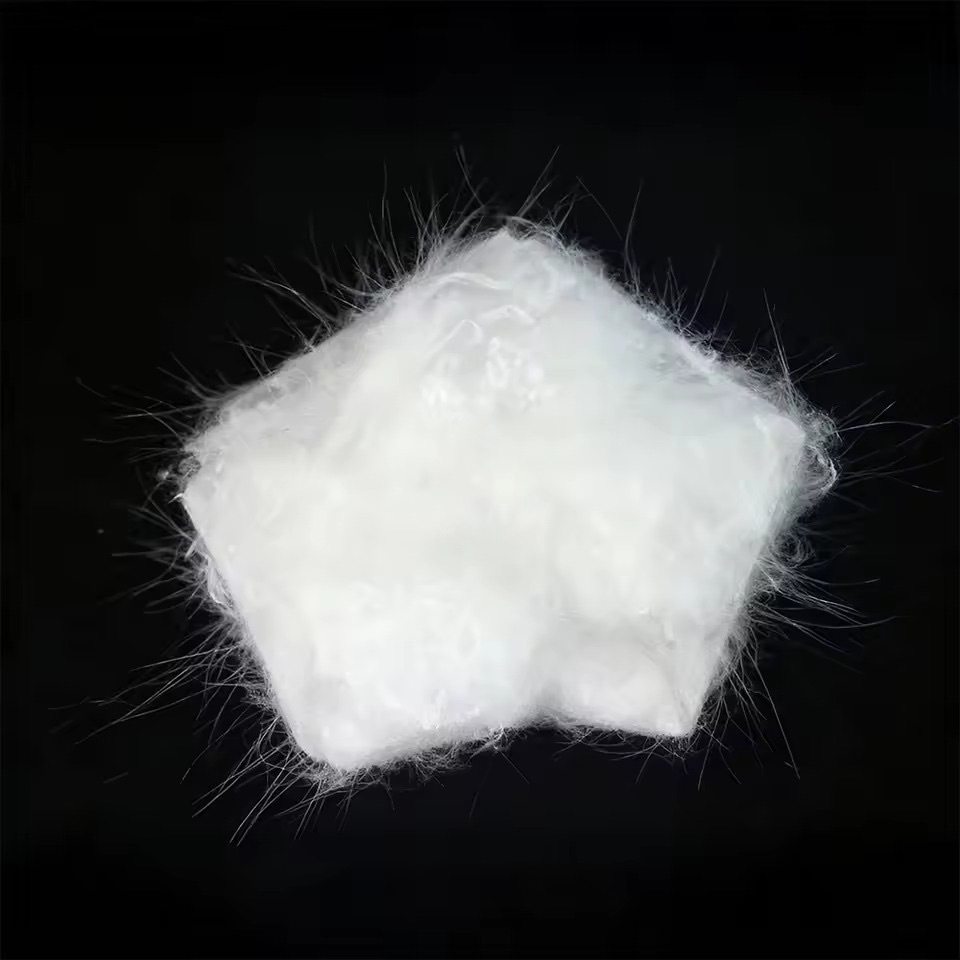
Antibacterial and Antimicrobial Fiber
Antibacterial fiber inhibits the growth of bacteria on the fiber surface — primarily targeting the odor-causing bacteria (Staphylococcus epidermidis, Micrococcus species) that metabolize sweat compounds into malodorous volatile acids. Secondary benefits include inhibiting mold and mildew growth and, in medical applications, reducing pathogen transmission risk through fabric.
Active Agents Used in Commercial Antibacterial Fiber
- Silver-based (AgNP or silver ion): The most widely used antibacterial additive for fiber. Silver ions denature bacterial proteins and disrupt cell membranes with broad-spectrum efficacy. Available as silver nanoparticles (AgNP) blended into polymer or as silver ion-releasing zeolite carriers. Very high efficacy; durable in masterbatch form; most expensive option. Tested to ISO 20743 (textile antibacterial activity) and JIS L 1902.
- Zinc oxide (ZnO): Zinc ions provide good antibacterial and anti-odor performance at lower cost than silver. Also provides some UV absorption benefit. ZnO nanoparticle masterbatch is widely used in mid-range antibacterial sportswear and socks.
- Copper-based: Copper ions have excellent antibacterial properties and can be incorporated into fiber through masterbatch or surface chelation. CUPRON and similar copper-oxide fiber technologies have growing medical and wellness textile applications.
- PHMB (polyhexamethylene biguanide): A polymeric antibacterial agent that can be applied as a surface treatment or incorporated in a surface finish. Good efficacy; lower cost than silver; durability depends on application method.
Key applications: sportswear and activewear (odor control through high-activity sweating); medical textiles (hospital uniforms, patient gowns, wound dressings — bacterial reduction); socks (foot odor control); hotel and institutional textiles (hygiene management); children’s products.
Certification: ISO 20743 is the international standard for testing textile antibacterial activity — it measures the reduction in viable bacteria count after a standardized inoculation and incubation period. Results are expressed as a bacteriostatic activity value (>2.0 is generally considered effective) or a bactericidal activity value. OEKO-TEX Standard 100 limits the concentration of certain antimicrobial agents (particularly triclosan, which is restricted) — always verify OEKO-TEX compliance for skin-contact antibacterial fiber.
Moisture-Wicking and Moisture Management Fiber
Moisture management fiber moves perspiration away from the skin surface rapidly — transporting it through the fabric structure to the outer face where it can evaporate, maintaining a dry skin-contact feel during physical activity. This is particularly important for synthetic fibers because standard polyester and nylon are hydrophobic — they do not naturally absorb moisture and can feel clammy against skin when sweat accumulates.
How Moisture Management Is Achieved
- Cross-section modification: Non-circular fiber cross-sections — trilobal, Y-shape, 4DG (four-groove), C-shape — create fine capillary channels along the fiber surface that draw moisture from the skin-contact face to the outer face by capillary action, regardless of the fiber’s surface chemistry. 4DG (four-deep-groove) polyester, originally developed by DuPont as CoolMax, remains the benchmark for capillary-action moisture transport in polyester.
- Hydrophilic surface treatment: A durable hydrophilic finish makes the normally hydrophobic polyester surface more water-attracting, improving the initial wicking response. However, durability through repeated laundering is limited and performance degrades over time.
- Bi-component construction: A hydrophilic component (e.g., modified polyester or nylon) on the skin-contact face and a standard hydrophobic component on the outer face creates a directional moisture transport system — moisture is pulled from the hydrophilic inner face and pushed to the hydrophobic outer face where it spreads and evaporates.
Testing standard: AATCC 195 (Liquid Moisture Management Properties of Textile Fabrics) is the most widely cited standard for moisture management performance — it measures wicking rate, spreading speed, accumulation, and one-way transfer index (OMMC) simultaneously. The OMMC value is the single most useful summary metric for comparing moisture management performance.
Far-Infrared (FIR) Fiber
Far-infrared fiber contains ceramic powder (typically combinations of SiO₂, Al₂O₃, ZrO₂, or rare earth elements such as tourmaline) incorporated as a masterbatch additive into the fiber polymer during spinning. These ceramics have the property of absorbing body heat radiation (near-infrared, ~0.75–3 microns) and re-emitting a portion of it as far-infrared radiation (~4–14 microns) — the wavelength band that biological tissue absorbs most efficiently.
The claimed benefits of FIR fiber include: improved local circulation (FIR radiation penetrates tissue and is claimed to promote vasodilation), thermal retention (the absorbed and re-emitted energy is returned to the body), and improved recovery from physical activity. These claims are supported by some clinical research and contested by others — the effect size is real but modest compared to the marketing language often applied to FIR products.
Applications: thermal underwear and base layers (particularly in East Asian markets where FIR textile wellness claims have strong consumer acceptance); compression garments; knee and elbow support sleeves; sports recovery garments; pet textiles (warming beds and blankets). FIR fiber is widely produced in China, Taiwan, and South Korea and carries significant commercial adoption in these markets.
Testing: FIR emission rate is tested by Fourier Transform Infrared Spectroscopy (FTIR) — the emissivity value at the relevant wavelength range (typically 8–14 micron) is the key specification parameter. Standard commercial FIR fiber specifies emissivity >0.88 at 37°C body temperature. Japan’s Far Infrared Association (JFIA) operates a certification program that verifies FIR performance claims.
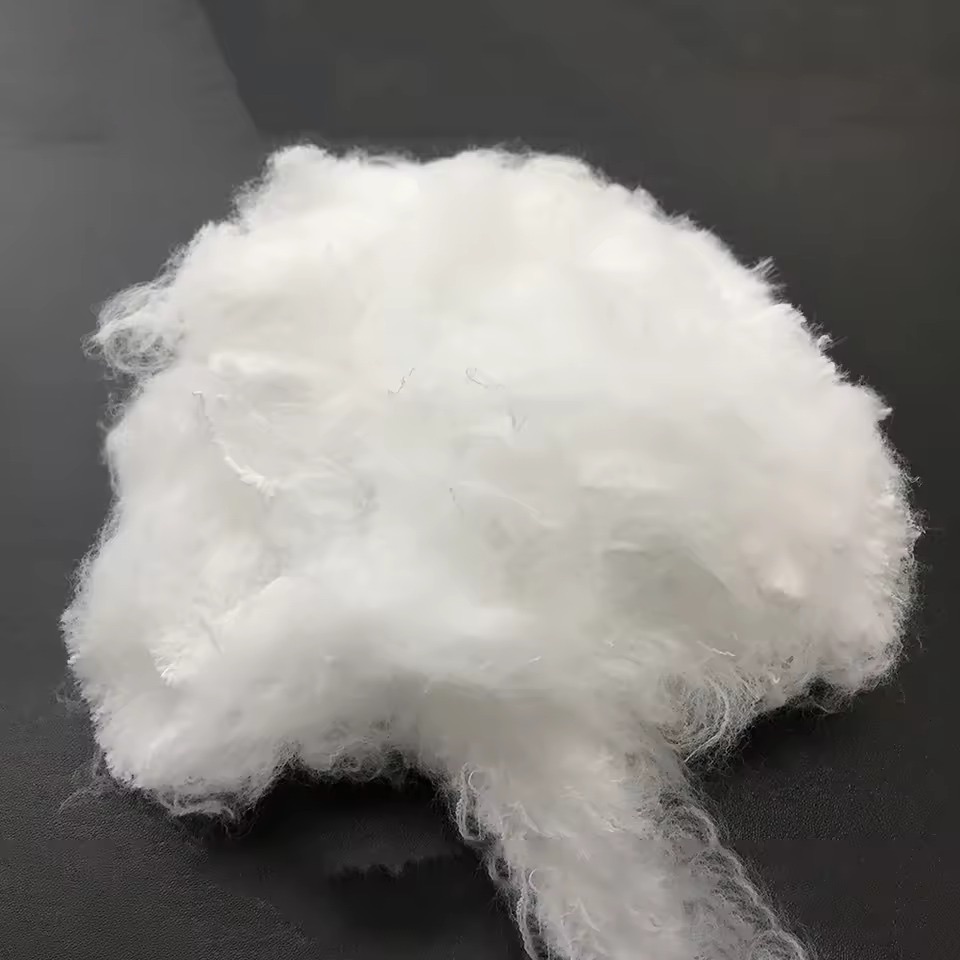
Negative Ion Fiber
Negative ion fiber incorporates tourmaline mineral powder (a piezoelectric and pyroelectric mineral) into the fiber polymer as a masterbatch additive. Tourmaline naturally generates a small electrostatic field that produces negative ions (anions) — ionized oxygen molecules with one additional electron (O₂⁻). These negative ions are claimed to improve air quality, reduce static electricity on the fiber surface, provide calming physiological effects, and support respiratory function in immediate proximity to the fabric.
The scientific evidence base for the claimed health benefits of textile-generated negative ions is mixed — some peer-reviewed studies support effects on mood and stress reduction in high-concentration negative ion environments; the effect of negative ions from textiles (which generate much lower concentrations than, for example, waterfalls or after thunderstorms) is less clearly established. What is documented: negative ion fiber genuinely does generate negative ions and does reduce static electricity in synthetic fiber — both measurable physical effects regardless of the health claim controversy.
Applications: underwear and base layers (wellness positioning); bedding and sleep products (negative ion wellness claims resonate strongly in Japanese and Korean markets); air purification textile products; pet textiles. Often combined with FIR functionality in the same fiber (tourmaline provides both FIR emission and negative ion generation).
Phase-Change Material (PCM) Fiber
Phase-change material fiber incorporates microencapsulated PCM (phase-change material — typically a paraffin wax with a phase-transition temperature near body temperature, typically 28–37°C) into or onto the fiber. PCMs store and release latent heat during the solid-to-liquid phase transition: when temperature rises above the PCM’s melting point, it absorbs heat from the environment as it melts (providing a cooling effect); when temperature falls below the freezing point, it releases stored heat as it solidifies (providing a warming effect).
The result is a thermoregulating fiber that buffers temperature fluctuations — keeping the microclimate between skin and fabric more stable as the wearer moves between warm and cold environments. The effect is temporary (once all the PCM has melted or solidified, the buffer is exhausted until conditions reverse) and requires the PCM’s phase transition temperature to be appropriately matched to the intended use conditions.
- Applications: Sportswear for high-intensity / variable temperature activity; ski and outdoor apparel (transition zones between cold outdoor and warm indoor); military and protective clothing; smart bedding.
- Commercial brands: Outlast (originally developed for NASA, now licensed to multiple fiber producers) is the leading PCM fiber brand. Microencapsulated PCM can also be applied as a fiber finish or incorporated in yarn construction.
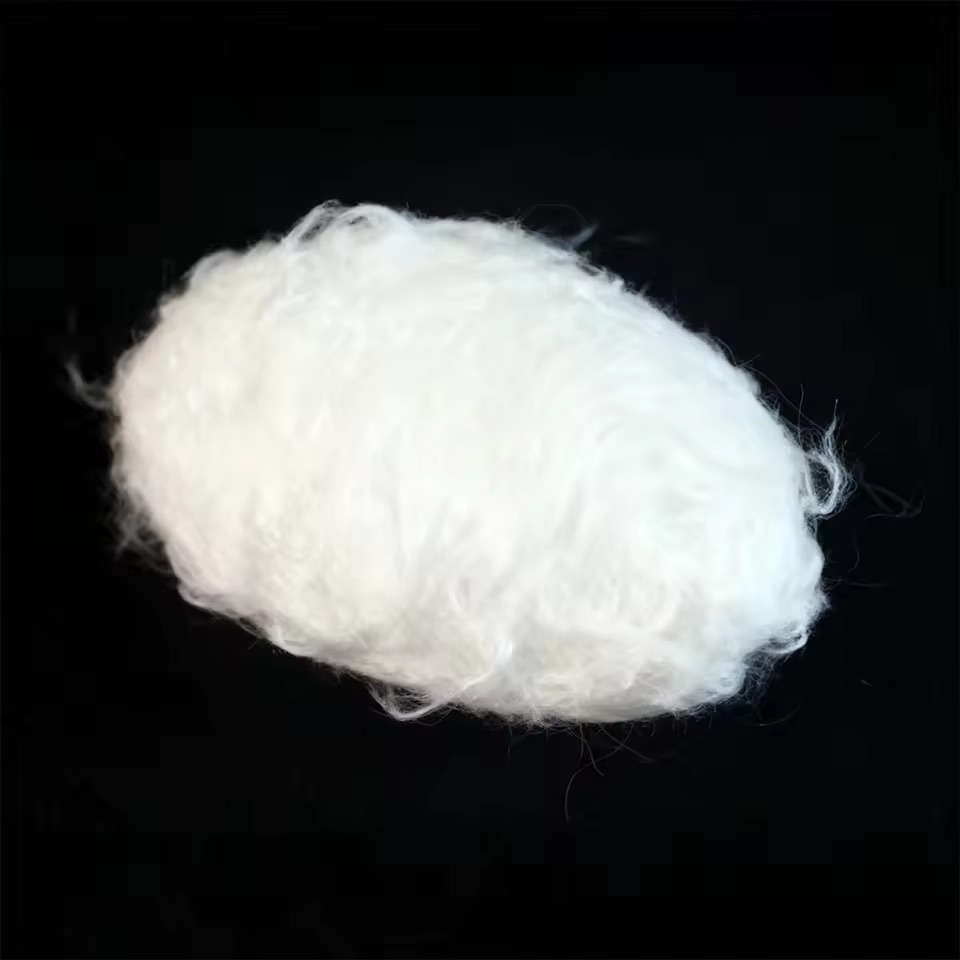
UV Protection Fiber
UV protection fiber incorporates UV-absorbing agents (typically zinc oxide, titanium dioxide, or organic UV absorbers) into the polymer matrix during spinning, providing inherent ultraviolet protection throughout the fiber’s lifetime. The protection performance is expressed as UPF (Ultraviolet Protection Factor) — analogous to SPF in sunscreen but measured for fabric. UPF 50+ (blocking more than 98% of UV-B radiation) is the standard performance specification for sun protection apparel.
Key distinction from surface-treated UV protection: inherent UV protection (additive in polymer) is durable through all wash cycles; surface-applied UV finishes degrade with washing. For long-term UV protection performance, masterbatch additive UV protection in the fiber is the correct specification.
Applications: outdoor and beachwear (rashguards, outdoor shirts, athletic wear); children’s clothing; gardening and agricultural protective apparel; window curtains and automotive textiles (preventing UV degradation and interior fading).
Conductive and Smart Fiber
Conductive fiber incorporates electrically conductive components — metal-coated fibers (silver, copper, or stainless steel coating on a synthetic core), inherently conductive polymers (polyaniline, polythiophene), or carbon nanotube composites — to create fiber that can carry electrical current. This enables textile-based electronic functionality: heating elements (resistance heating), electromagnetic interference (EMI) shielding, biosignal monitoring (ECG, EEG from garment-embedded electrodes), and data transmission through fabric structures.
- Metal-coated fiber (silver, copper): Standard synthetic fiber (nylon or polyester) coated by electroless plating or sputtering. Used in EMI shielding fabric for electronics enclosures, heated car seat fabric, and wearable biosensor textile electrodes.
- Stainless steel fiber: Very fine stainless steel filaments blended with textile fiber — durable, washable, good EMI shielding. Used in military and industrial EMI protection and some heated textile applications.
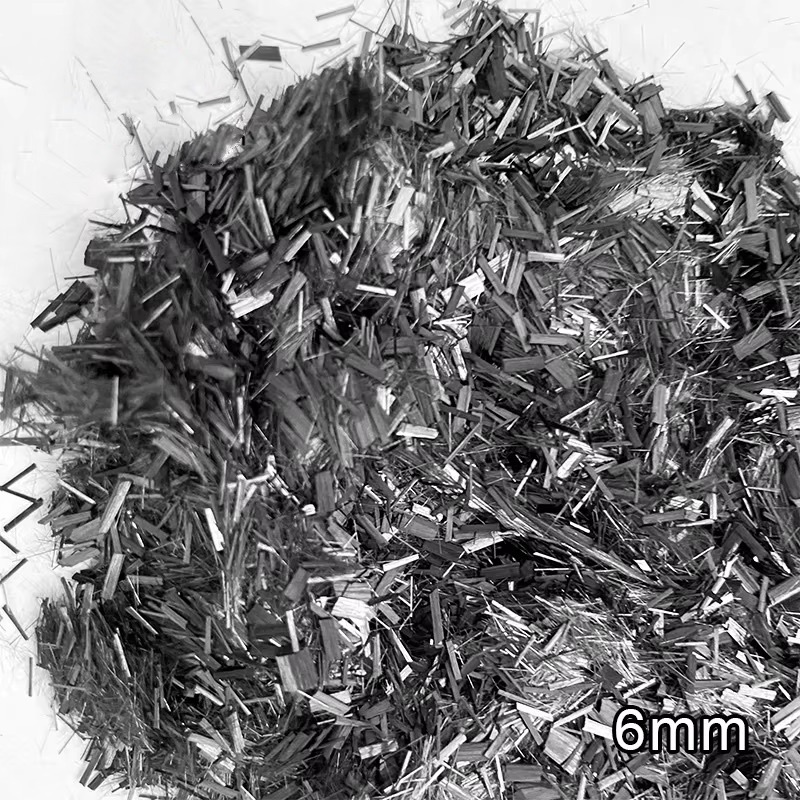
- Carbon fiber (short-cut): Short carbon fiber (0.5–6 mm) blended into nonwoven or composite structures for antistatic and EMI shielding applications.
Applications: wearable technology (garment-integrated health monitoring); heated apparel (ski jackets, motorcycle gear, therapeutic heating pads); EMI shielding enclosures; antistatic workwear for electronics manufacturing; smart home textiles.
Functional Fiber Selection Guide
| Application Need | Recommended Functional Fiber Type |
| Odor control in sportswear / socks | Silver-ion antibacterial masterbatch fiber (ISO 20743 >2.0 bacteriostatic activity). ZnO antibacterial for lower-cost alternative. |
| Skin dryness during exercise | Cross-section modified moisture-wicking fiber (4DG, trilobal, Y-shape) — capillary wicking. Test to AATCC 195 OMMC >0.6 for premium specification. |
| Warmth enhancement / wellness base layer | Far-infrared ceramic masterbatch fiber (FIR emissivity >0.88 at 37°C). Tourmaline compound for combined FIR + negative ion. |
| Temperature buffering (warm/cold transitions) | Phase-change material (PCM) microencapsulated fiber — Outlast or equivalent. Specify phase transition temperature for intended use conditions (28–34°C for most body-contact applications). |
| Sun protection outdoor apparel | UV protection fiber with ZnO or TiO₂ masterbatch — specify UPF 50+ (>98% UV-B blocking). Inherent (masterbatch) preferred over surface treatment for durability. |
| Medical textile / hospital hygiene | Copper-oxide or silver-ion fiber with documented efficacy against healthcare-relevant pathogens (MRSA, E. coli). OEKO-TEX Standard 100 mandatory for skin contact. |
| EMI shielding or antistatic workwear | Silver-coated or stainless steel blended conductive fiber. Specify surface resistivity target (typically <10⁴ Ω/sq for antistatic; <10² Ω/sq for EMI shielding) |
| Smart wearable / heated garment | Conductive fiber with appropriate resistance specification for heating element or biosensor electrode application. Washability specification critical — must withstand at least 50 wash cycles. |
| Flame retardant protective workwear | Inherently FR fiber (phosphorus co-monomer in polymer backbone) — not topical treatment. Test to EN 11612 / NFPA 2112 for industrial FR workwear. |
Certification Considerations for Functional Fiber
Functional fiber claims require substantiation through recognized test standards. The most important certifications and test methods:
- OEKO-TEX Standard 100: Chemical safety testing — restricts concentration of certain functional additives (particularly some biocides and heavy metals) in skin-contact textiles. Class I (babies) has stricter limits than Class II (adults). Always required for functional fiber in consumer products.
- ISO 20743: Standard test method for antibacterial activity of antibacterial treated textiles. Reports bacteriostatic and bactericidal activity values against specified test organisms (S. aureus, K. pneumoniae standard; additional organisms for specific claims).
- AATCC 195: Liquid Moisture Management Properties of Textile Fabrics — the standard for moisture wicking performance quantification. OMMC (Overall Moisture Management Capacity) is the key summary metric.
- ISO 13934 / ASTM D5034: Tensile properties — ensure functional additives do not compromise fiber mechanical performance.
- UPF testing (AS/NZS 4399 or AATCC 183): UV protection factor measurement for UV protection fiber and fabric claims.
- IEC 61340-5-1: Electrostatic control — for antistatic and conductive fiber applications in electronics manufacturing environments.
For most functional fiber categories, the functional performance claim and the chemical safety (OEKO-TEX) certification need to be obtained independently and provided together for commercial use — the functional test proves the fiber does what it claims; the OEKO-TEX certificate proves it is safe for the intended skin-contact application.
Conclusion
Functional fiber extends the capability of textile materials from passive structures into active performance systems — fibers that manage odor, regulate temperature, protect from UV, monitor health signals, or carry electrical current. The category is expanding rapidly as consumer expectations for performance in sportswear, wellness textiles, medical applications, and smart wearables exceed what conventional fiber properties can deliver.
The key to working with functional fiber effectively is understanding how the functionality is added (masterbatch additive for durability; topical for flexibility), what the correct test standard is for each function (ISO 20743 for antibacterial, AATCC 195 for moisture management, etc.), and what the OEKO-TEX requirements are for the additive concentrations in skin-contact applications. With this understanding, functional fiber specifications can be written precisely, performance claims can be substantiated, and the right functional fiber can be matched to each demanding application.