Viscose, Modal, Lyocell & Cupro: The Complete Guide to Regenerated Cellulosic Fibers
Check the label on a soft bamboo T-shirt. Read the tag on your Tencel bed sheets. Look at the care label in your most comfortable blouse. You will likely find one name from a family of fibers that most people cannot clearly explain: viscose, modal, lyocell, or cupro—or their brand equivalents Tencel, EcoVero, Refibra, or Bemberg.
These are regenerated cellulosic fibers—a fascinating and commercially significant category of textile material that sits between natural and synthetic fibers. They are made from natural cellulose (wood pulp, bamboo, and cotton linters) but processed through industrial chemistry to produce fibers that nature cannot directly provide. They feel natural against skin, breathe like cotton, drape like silk, and biodegrade at the end of life—yet they are manufactured in factories using solvents, spinnerets, and chemical baths.
The difference between the members of this fiber family — viscose, modal, lyocell, and cupro — is not marketing spin. Each represents a genuinely different production process, a different set of fiber properties, and a meaningfully different environmental footprint. Understanding these differences is essential for textile buyers, fashion brands, sustainability-conscious consumers, and anyone making informed decisions about cellulosic fiber sourcing. This complete guide explains all four, compares them directly, and gives you the tools to make the right choice for your specific needs.
What Are Regenerated Cellulosic Fibers?
Regenerated cellulosic fibers (also called man-made cellulosic fibers, or MMCFs) are manufactured textile fibers derived from natural cellulose — the structural polymer found in plant cell walls. The production process dissolves natural cellulose (from wood pulp, bamboo, cotton linters, or other plant sources) into a liquid solution, then pushes that solution through a spinneret to regenerate it as a fiber.
The result is a fiber that is chemically cellulose—the same molecule as cotton—but with a physical structure entirely determined by the manufacturing process rather than by plant biology. This means the fiber’s fineness, length, surface texture, strength, and performance can be precisely engineered by adjusting the process parameters: a major advantage over natural fibers, whose properties are constrained by the plant they come from.
The entire family of regenerated cellulosic fibers—viscose, modal, lyocell, and cupro—share the same fundamental chemistry (cellulose) and the same key benefits (biodegradability, moisture absorbency, breathability, and soft hand feel). They differ primarily in their production process and the environmental and performance consequences of those process differences.
Regenerated cellulosic fibers collectively account for approximately 6-7% of global textile fiber production — a small but high-value share dominated by viscose/rayon (~80% of MMCFs), with lyocell, modal, and cupro making up the remainder. Demand is growing steadily as brands seek credible alternatives to petroleum-derived synthetic fibers.
The Four Generations: A Framework for Understanding
The most useful way to understand the regenerated cellulosic family is as four generations of technology—each successive generation addressing the environmental and performance limitations of the previous one:
- First generation—Viscose/Rayon: Invented in the 1890s. The original commercial cellulosic fiber. Uses carbon disulfide (CS₂) chemistry that is chemically complex and potentially polluting if not controlled. Still the most widely produced MMCF by a large margin.
- Second generation—Cupro: Also developed in the late 1800s, using a copper-ammonia process rather than CS₂.. Never achieved viscose’s scale. Today produced exclusively in a closed-loop process by one manufacturer (Asahi Kasei, Japan) and prized for its exceptional silk-like fineness.
- Third generation — Modal: Developed in Japan in 1951, commercialized by Lenzing in Austria in 1964. Uses a modified viscose-type process with additional fiber stretching steps that produce superior wet strength and durability compared to standard viscose. More environmentally responsible when produced by leading manufacturers.
- Fourth generation — Lyocell (Tencel): Commercialized in the 1990s. Uses a fundamentally different, closed-loop solvent process (NMMO) with 99%+ solvent recovery and no carbon disulfide chemistry. The most environmentally advanced commercial cellulosic fiber process. The benchmark against which other cellulosics should be measured.
Viscose (Rayon): The Original — Still the Most Used
What Is Viscose?
Viscose — known as rayon in North America — is the oldest and most widely produced regenerated cellulosic fiber. It was first commercialized in 1905 and has been refined continuously over more than a century. Despite being the least environmentally advanced of the four fiber types, viscose dominates the MMCF market, accounting for approximately 80% of all regenerated cellulosic fiber produced globally.
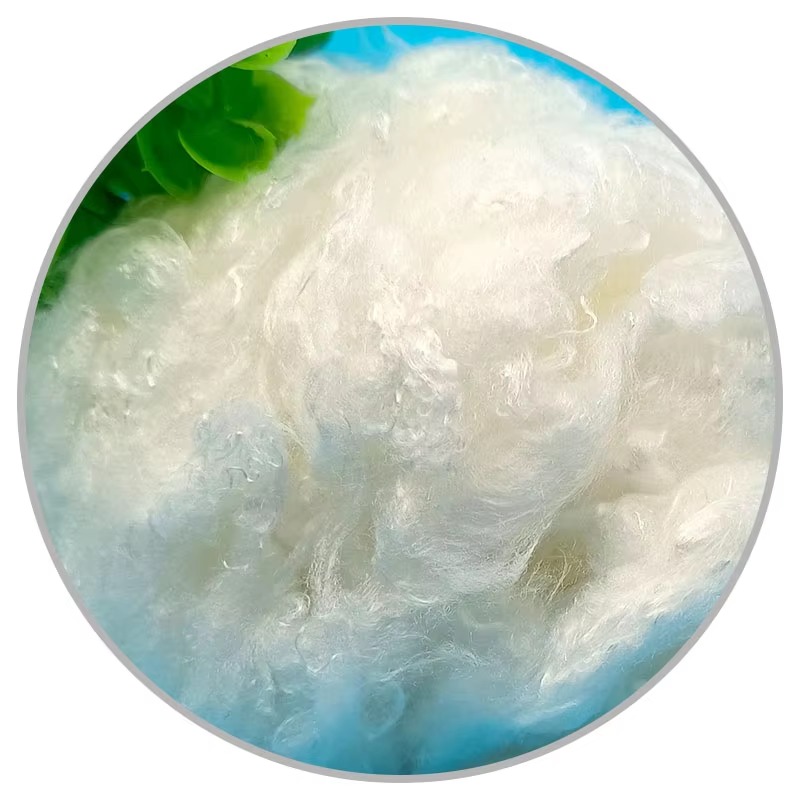
Viscose is produced from wood pulp — typically from fast-growing plantation trees such as eucalyptus, beech, pine, or bamboo. The pulp is dissolved in a caustic soda solution, reacted with carbon disulfide to form cellulose xanthate (the characteristic ‘viscose’ solution), and then pushed through spinnerets into a sulfuric acid coagulation bath where the cellulose regenerates as fiber.
Viscose Properties
- Exceptionally soft with a smooth, silk-like hand feel and natural luster
- Excellent drape — fluid and flowing, conforming beautifully to the body
- High moisture absorption (11-12% at standard conditions) — comfortable against skin
- Excellent dyeability — produces vivid, deep colors with high wash fastness
- Biodegradable — fully breaks down at end of life
- Weakness: loses approximately 50% of its tensile strength when wet—limiting durability in laundering
- Tendency to shrink and wrinkle; requires careful care
Viscose Applications
Viscose’s combination of softness, drape, and dyeability makes it the dominant fiber in fashion-forward casual and formal clothing—dresses, blouses, skirts, linings, and knitwear. It is also widely used in hygiene and nonwoven products (wet wipes, feminine care, and baby products), where its biodegradability is a genuine end-of-life advantage over polyester alternatives.
Viscose Sustainability — The Honest Picture
Viscose’s environmental record is the most complex of the four fiber types. Its cultivation feedstock can be sustainably sourced—but has historically included pulp from ancient and endangered forests. Its production uses carbon disulfide (CS₂), a toxic and volatile chemical—but modern closed-loop mills can recover CS₂ at rates above 95%, dramatically reducing emissions and water pollution. The problem is that a significant proportion of global viscose production, concentrated in China, India, and Indonesia, operates in older facilities with lower recovery standards.
- Best-practice viscose (Lenzing EcoVero, Birla Liva): Uses FSC-certified pulp, closed-loop CS₂ recovery, certified wastewater treatment—substantially more sustainable than generic production
- Generic viscose from non-transparent mills: Can involve endangered forest pulp, inadequate CS₂ recovery, and wastewater discharge—the environmental scenarios that have attracted NGO attention and brand scrutiny
- Key certifications to look for: FSC (forest sourcing), Oeko-Tex 100 (chemical safety), ECOVERO (Lenzing’s verified environmental standard for viscose)
Modal: The Second Generation — Softer, Stronger, More Durable
What Is Modal?
Modal is a refined version of viscose, first developed in Japan in 1951 and brought to commercial prominence by Austrian fiber producer Lenzing with their Lenzing Modal brand in 1964. The production process uses similar chemistry to viscose—caustic soda, carbon disulfide, and sulfuric acid—but incorporates additional post-spinning processing steps that fundamentally improve the fiber’s performance profile.
After spinning, modal fibers are stretched under tension while still partially swollen from the coagulation bath. This drawing step aligns the cellulose polymer chains more precisely along the fiber axis, increasing crystallinity and molecular orientation. The result is a fiber that is significantly stronger — especially when wet — and finer than standard viscose, with enhanced dimensional stability and a softer, smoother hand feel.
Modal is almost exclusively produced from beechwood pulp. Beech forests in Central Europe regenerate naturally without replanting—they are self-seeding and require minimal human management, giving modal a relatively favorable forestry footprint compared to viscose produced from plantation eucalyptus or, worse, from threatened forest sources.
Modal Properties
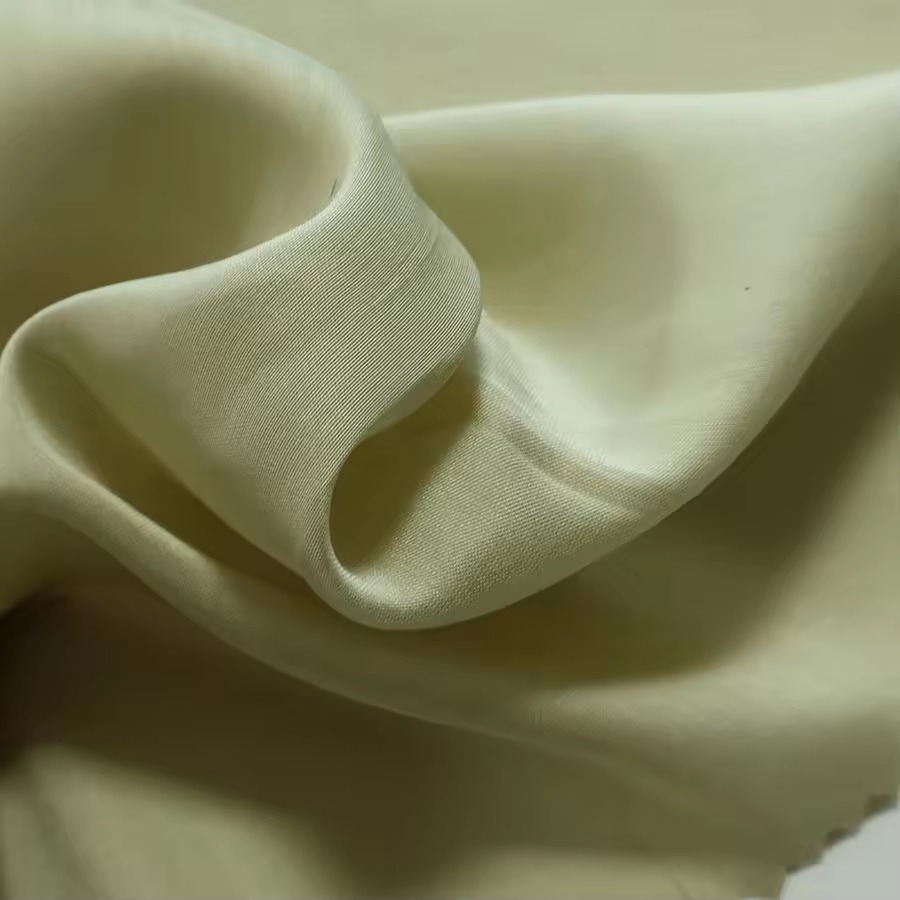
- Exceptional softness — widely regarded as softer than viscose and comparable to the finest cotton
- Superior wet strength—retains approximately 80-90% of dry strength when wet (vs. 40-50% for standard viscose), enabling machine washing without significant degradation
- Up to 50% more absorbent than cotton per unit volume — outstanding moisture management
- Excellent color retention — dyes richly and maintains color through repeated laundering
- Good dimensional stability — resists shrinkage and shape distortion better than standard viscose
- Biodegradable — decomposes at end of life like all cellulosic fibers
- Finer than standard viscose—modal fabric has a lighter, more luxurious drape
Modal Applications
Modal’s softness, wet strength, and superior laundering durability make it the preferred cellulosic for intimate apparel, underwear, and base layers—applications where direct skin contact, frequent washing, and long-term shape retention are paramount. It is also used in premium activewear, baby clothing, high-end bed linen, and luxury knitwear. Lenzing Modal is blended with cotton, polyester, and other fibers across a wide range of apparel and home textile applications.
Modal Sustainability — Better Than Viscose, But With Caveats
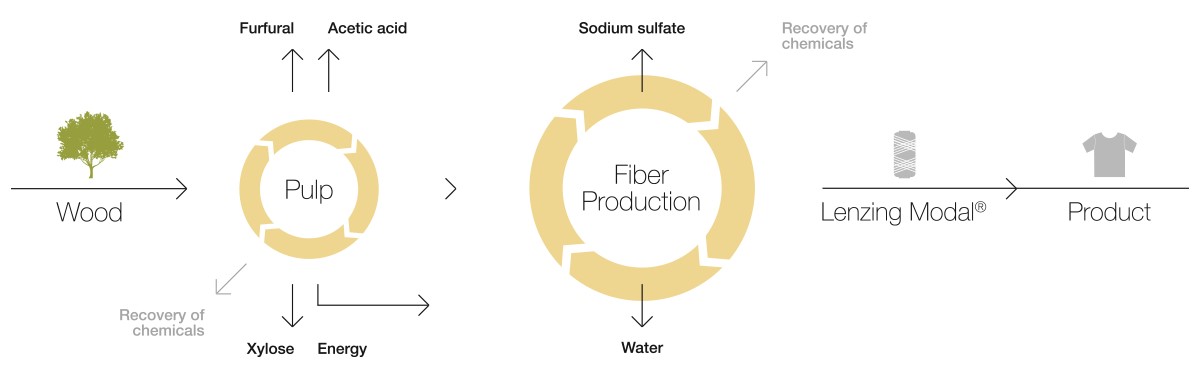
Modal production by leading manufacturers (Lenzing and Birla) is meaningfully more sustainable than generic viscose—using sustainably certified beechwood, semi-closed or closed-loop chemical recovery, and verified supply chains. Lenzing’s process recovers approximately 95% of production chemicals.
However, not all modal is produced to these standards. Generic modal produced by manufacturers who do not disclose their pulp sources or chemical recovery rates may use the same problematic processes as poorly managed viscose. Only approximately 2.5% of globally produced modal uses pulp from FSC-certified or equivalent sustainably managed forests. The Lenzing Modal brand — with its PEFC-certified Austrian beechwood and closed-loop process — is the most credible sustainable modal choice available.
Lyocell (Tencel): The Fourth Generation — The Cleanest Process
What Is Lyocell?
Lyocell is the most environmentally advanced commercial regenerated cellulosic fiber and represents a genuinely different chemistry from viscose and modal rather than merely an incremental improvement. Where viscose and modal use carbon disulfide (CS₂) and multiple reagent chemicals, lyocell uses a single organic solvent—N-methylmorpholine N-oxide (NMMO)—that dissolves cellulose directly without any chemical reaction.
This direct dissolution approach, called the Lyocell process (or NMMO process), is simpler and cleaner than the viscose xanthate chemistry in two critical ways: it uses no carbon disulfide (eliminating CS₂ toxicity risk), and the NMMO solvent can be recovered and recycled at rates above 99% in a genuinely closed-loop system that produces virtually no chemical waste stream. The process has won environmental awards from the EU and is widely recognized as the current benchmark for sustainable cellulosic fiber production.
Tencel is the world’s most recognized lyocell brand, produced by Austrian fiber company Lenzing AG, which commercialized lyocell technology in the 1990s. Tencel lyocell is typically produced from FSC-certified eucalyptus pulp grown on non-agricultural land without irrigation or pesticides. The Monocel brand from Nordic countries uses bamboo as its feedstock.
Lyocell Properties
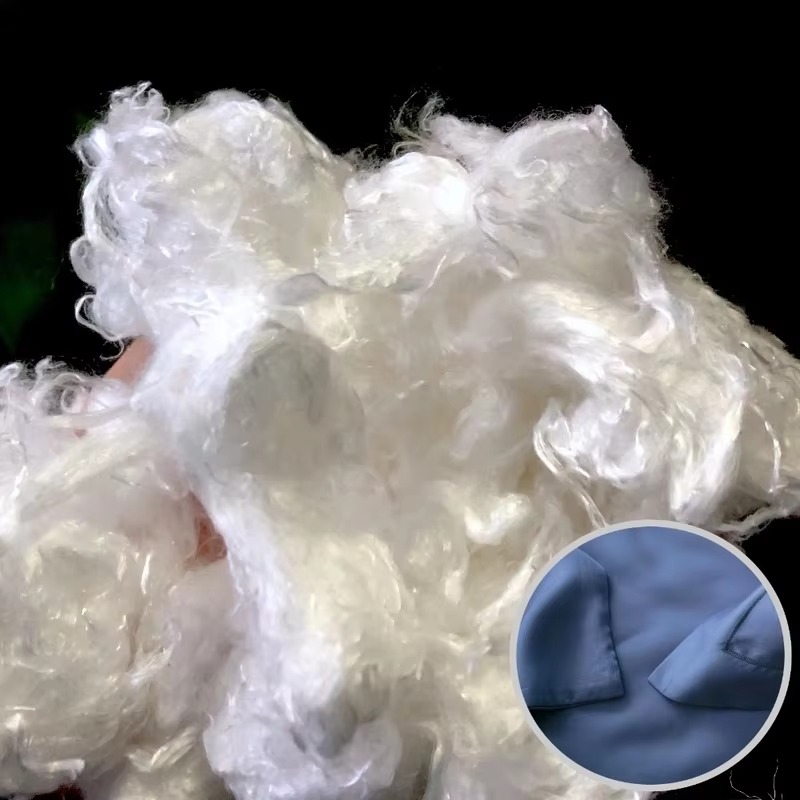
- Very high tensile strength — significantly stronger than viscose and modal, both dry and wet
- Outstanding moisture management — absorbs approximately 50% more moisture than cotton and releases it rapidly, supporting body temperature regulation and inhibiting bacterial growth
- Natural fibrillation—unique nano-scale surface fibers (nanofibrils) that can be controlled during processing to create distinctive fabric textures ranging from a peach-skin feel to a smooth, silky surface
- Naturally antibacterial—the nanofibril structure channels moisture away efficiently, creating an inhospitable surface environment for odor-causing bacteria without chemical antimicrobial treatment
- Anti-static — does not accumulate static electricity
- Good dimensional stability — resists shrinkage and maintains shape through laundering
- Biodegradable and compostable
- Note: Standard lyocell can fibrillate (develop a fuzzy surface) with abrasion if not properly finished—Lenzing’s Tencel technology controls fibrillation to produce consistent, predictable surface properties
Lyocell Applications
Lyocell’s combination of moisture management, antibacterial properties, strength, and sustainability makes it the premium choice for activewear, athleisure, and performance apparel where functionality and environmental credentials are both priorities. It is also widely used in premium denim (where its strength and drape improve fabric performance), bed linen (where its temperature-regulating and antibacterial properties deliver a genuinely superior sleep surface), and luxury apparel across all categories.
Lenzing’s Refibra technology—which incorporates up to 30% recycled cotton scraps alongside eucalyptus pulp in the lyocell process—adds a circular economy dimension to the fiber’s sustainability story, diverting pre-consumer cotton waste from landfill while producing a premium cellulosic fiber.
Lyocell Sustainability — The Current Standard-Bearer
Lyocell’s closed-loop NMMO process, with 99%+ solvent recovery and no CS₂ chemistry, represents the highest environmental standard currently available at a commercial scale for cellulosic fiber production. When produced from FSC-certified sustainably managed forest sources (as Tencel from Lenzing is), the full supply chain environmental profile of lyocell is significantly better than viscose or generic modal across most impact dimensions.
The primary remaining environmental concern for lyocell is energy use in the NMMO recovery and distillation process—higher than viscose in absolute energy terms. Lenzing is actively working to increase the renewable energy fraction in its lyocell production to address this limitation.
Cupro (Bemberg): The Specialist — Silk’s Closest Rival
What Is Cupro?
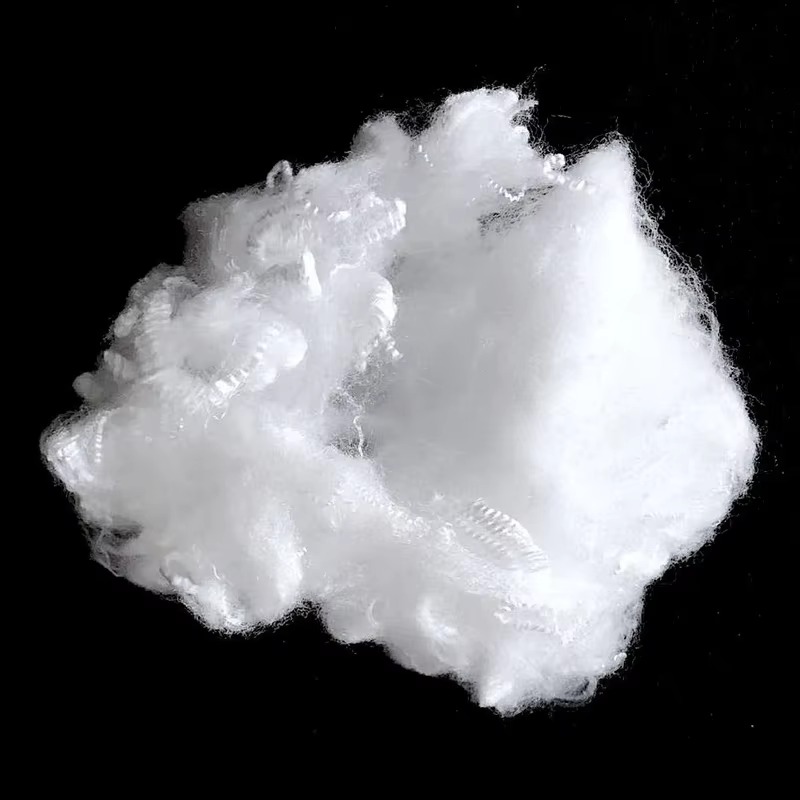
Cupro — also known as cuprammonium rayon or Bemberg (after the original manufacturing company) — is the oldest of the four fiber types in commercial terms, first produced commercially in 1901. It uses cotton linter cellulose (the very fine, downy fibers that surround cotton seeds, a byproduct of cotton ginning) dissolved in a solution of copper sulfate and ammonia—the cuprammonium process—to produce extremely fine, uniform filaments.
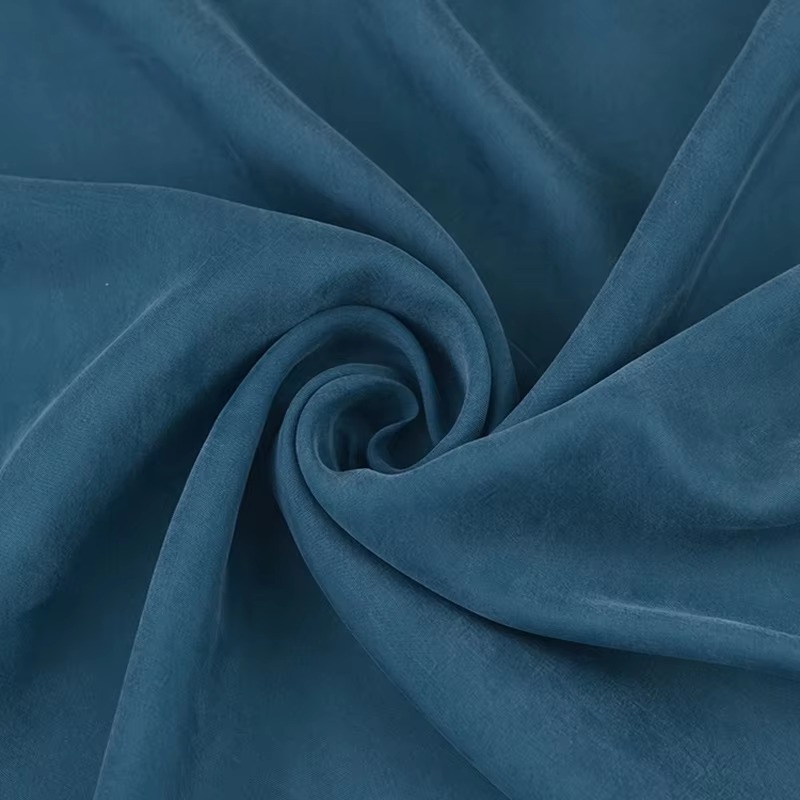
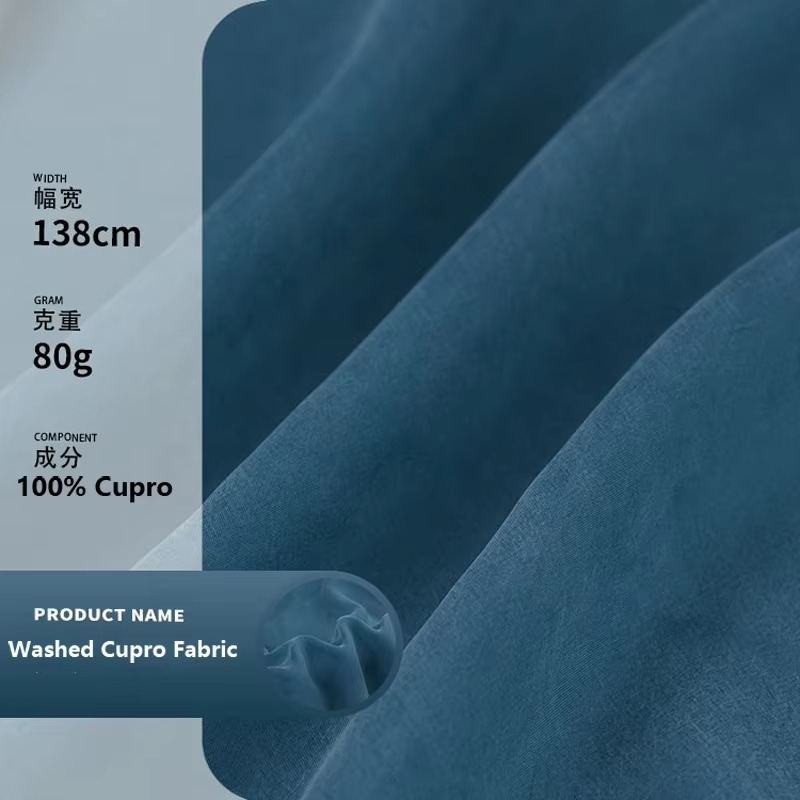
Cupro is notable for producing filaments of exceptional fineness — finer than any other commercial cellulosic fiber and comparable to the finest silk filaments. This fineness, combined with the fiber’s round cross-section, gives cupro fabric its characteristic silk-like luster, exceptional drape, and smooth, cool touch. Cupro is genuinely the closest synthetic or semi-synthetic rival to silk in terms of its aesthetic performance.
The environmental challenges of the cuprammonium process—particularly the copper and ammonia in the wastewater—have made cupro production economically and regulatorily unviable in most countries. The United States stopped producing cupro due to the cost of meeting EPA wastewater standards. Today, cupro is produced exclusively by Asahi Kasei Corporation in Japan, using a closed-loop process that recovers and recycles the copper and ammonia reagents to meet strict environmental discharge standards.
Cupro Properties
- Exceptional fineness — filaments as fine as or finer than silk, producing a luxuriously smooth and lightweight fabric
- Silk-like luster and drape — often used as a superior alternative to acetate or artificial silk in garment linings and luxury apparel
- Breathable and moisture-regulating — performs like cotton in thermal and moisture management while looking and feeling like silk
- Excellent dyeability — rich, deep colors with good color retention
- Naturally antistatic — no clingy behavior against other fabrics or skin
- Biodegradable at end of life
- More durable in use than silk—cupro fabric lasts longer than silk linings while maintaining silk-like aesthetics
Cupro Applications
Cupro’s primary and most valued application is as a luxury garment lining—used in high-end suits, coats, dresses, and tailored garments where a lining that breathes and moves comfortably against skin is required. It is superior to the acetate linings found in most mid-range garments: more breathable, more comfortable, more durable, and with better moisture management. Cupro is also used in luxury blouses, dresses, scarves, and any application where silk’s aesthetic is desired at lower cost and with better durability.
Cupro chiffon, cupro satin, and cupro crepe are specialty fabric constructions that produce the visual effects of luxury silk at lower cost and with easier care properties. Because cupro can be laundered more easily than silk, it is increasingly specified by designers who want silk-equivalent aesthetics in garments that their customers will actually wash at home.
Complete Comparison: Viscose vs Modal vs Lyocell vs Cupro
Dimension | Viscose | Modal | Lyocell (Tencel) | Cupro (Bemberg) |
Generation | 1st (1890s) | 3rd (1951) | 4th (1990s) | 2nd (1901) |
Raw material | Wood pulp (various) | Beechwood pulp | Eucalyptus / bamboo | Cotton linter |
Key solvent | Carbon disulfide (CS₂). | CS2 + modifications | NMMO (non-toxic) | Copper + ammonia |
Solvent recovery | 0–70% (varies widely) | Up to 95% (Lenzing) | 99%+ closed loop | Closed loop (Asahi Kasei only) |
Wet strength | Low (~40–50% of dry) | High (~80–90% of dry) | High (>90% of dry) | Moderate |
Softness | ★★★★☆ | ★★★★★ | ★★★★★ | ★★★★★ |
Drape | ★★★★★ | ★★★★☆ | ★★★★☆ | ★★★★★ |
Moisture management | ★★★★☆ | ★★★★★ | ★★★★★ | ★★★★☆ |
Durability/wash | ★★☆☆☆ | ★★★★☆ | ★★★★☆ | ★★★☆☆ |
Dyeability | ★★★★★ | ★★★★★ | ★★★★☆ | ★★★★★ |
Biodegradable | Yes | Yes | Yes | Yes |
Antibacterial | No | No | Yes (nanofibrils) | No |
Env. process rating | Poorest (if not ECOVERO) | Better (if Lenzing) | Best (closed loop) | Best (but single source) |
Availability | Very wide | Wide | Growing | Limited / premium only |
Price | $ | $$ | $$$ | $$$$ |
Best known for | Affordable drape/softness | Underwear/base layers | Activewear/denim/bedding | Luxury linings/silk-like garments |
Sustainability Ranking: Honest Assessment
When evaluating the sustainability of this fiber family, it is essential to separate the best-practice production (from leading manufacturers with transparent, closed-loop processes) from generic production (from mills with less rigorous environmental controls):
Fiber | Best Practice Producer | Environmental Strength | Key Remaining Concern |
Lyocell (Tencel) | Lenzing (Austria) | 99%+ NMMO solvent recovery; no CS2; FSC-certified eucalyptus | Energy use in NMMO recovery: only ~5% of generic lyocell uses certified pulp |
Cupro (Bemberg) | Asahi Kasei (Japan only) | Full closed-loop copper recovery; cotton linter upcycling | Very limited production scale; cotton linter still from conventional cotton |
Modal (Lenzing) | Lenzing Modal (Austria) | PEFC-certified beechwood; ~95% chemical recovery; closed-loop bleaching | Generic modal producers lack transparency; only ~2.5% uses certified pulp |
Viscose | Lenzing EcoVero; Birla | FSC pulp; CS2 recovery above 95%; wastewater treatment | The majority of global production uses older, less controlled processes; CS₂ toxicity risk |
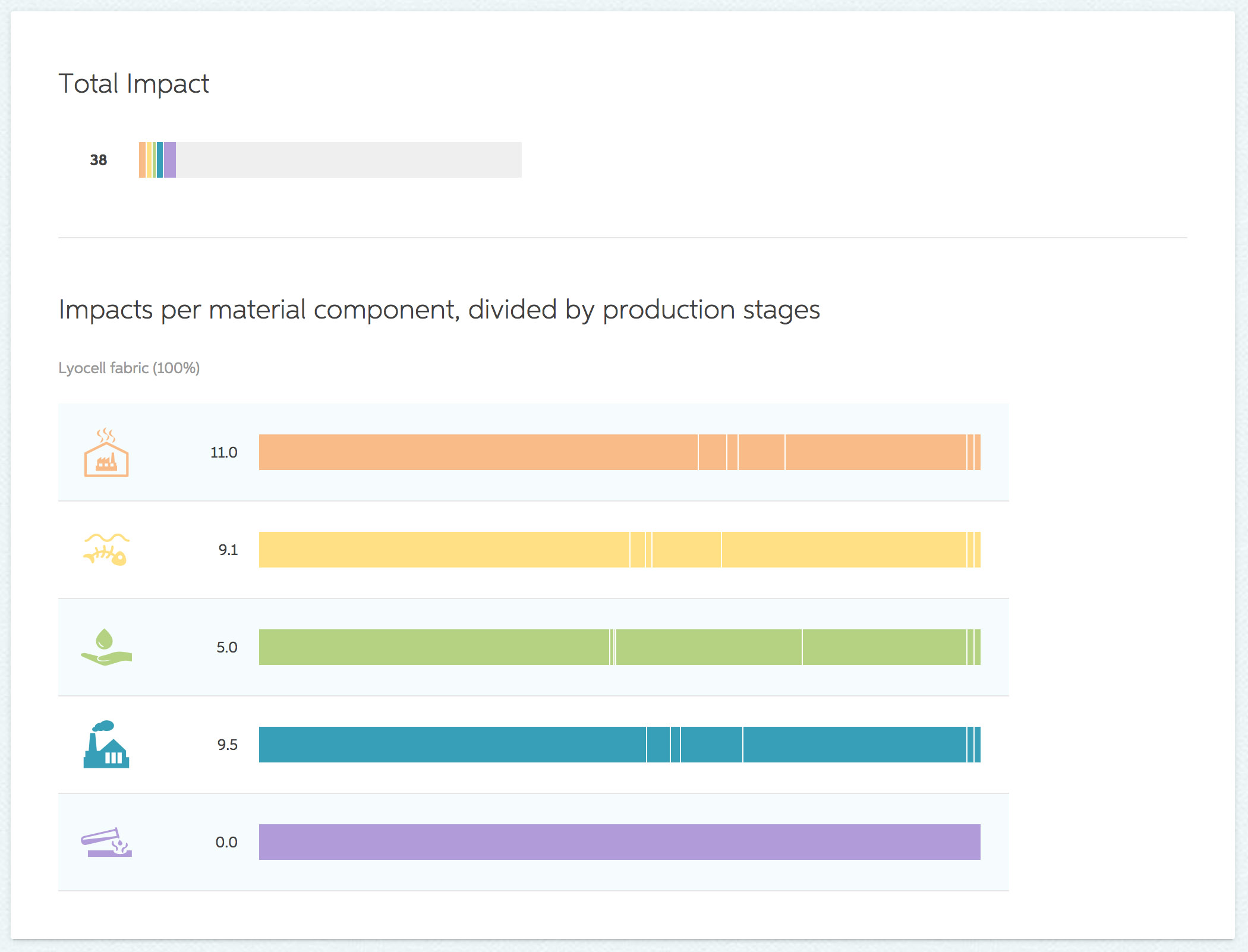
The most important sustainability lesson for cellulosic fibers: the fiber type alone does not determine environmental impact—the specific mill, its chemical recovery rate, its pulp sourcing certification, and its wastewater management are equally or more important. A closed-loop viscose mill can have a lower environmental footprint than a generic lyocell producer with poor process controls.
How to Read Cellulosic Fiber Labels: Brand Names Decoded
The commercial names on garment labels can be confusing. Here is what the key brand names actually mean:
Brand Name | Generic Fiber | What It Means |
Tencel | Lyocell | Lenzing’s premium lyocell brand. NMMO closed-loop process. FSC/PEFC-certified eucalyptus. The most credible sustainable cellulosic brand. |
Tencel Modal | Modal | Lenzing’s modal brand. PEFC-certified Austrian beechwood. Near-closed-loop process. More sustainable than generic modal. |
EcoVero | Viscose | Lenzing’s sustainable viscose brand. Certified pulp sources. Closed-loop CS2 recovery. Carbon and water footprints are 50% lower than generic viscose. |
Refibra | Lyocell | Lenzing’s circular lyocell incorporates up to 30% recycled cotton scraps alongside FSC eucalyptus. Adds circular economy credential. |
Bemberg | Cupro | Asahi Kasei’s cupro brand. Only commercially produced cupro. Closed-loop copper recovery. Cotton linter feedstock. |
Lenzing Modal | Modal | Same as Tencel Modal — Lenzing’s beechwood modal with transparent supply chain. |
Viscose / Rayon | Viscose | Generic viscose. No process or sourcing transparency implied. An environmental profile depends entirely on the specific manufacturer. |
Bamboo (fabric) | Usually viscose | Bamboo fabric is almost always produced by the viscose process—not mechanically processed. ‘Bamboo’ describes the feedstock, not the process. |
Lyocell | Lyocell | Generic lyocell. It’s a better process than viscose, but pulp-sourcing transparency varies. Look for FSC certification. |
Modal | Modal | Generic modal. Better than viscose, but source transparency varies. Prefer Lenzing Modal for best practice. |
How to Care for Cellulosic Fiber Fabrics
Viscose
Viscose is the most delicate of the four in wet conditions. Hand wash in cool water with a gentle detergent, or use a delicate machine cycle if the care label permits. Never wring—squeeze gently. Dry flat to avoid stretching. Iron while slightly damp on a medium-cool setting, always on the reverse side.
Modal
Modal’s improved wet strength makes it significantly more laundry-friendly than standard viscose. Machine wash on a gentle or delicate cycle at 30–40°C. Tumble dry on low heat—modal is specifically engineered to tolerate mild tumble drying without the shrinkage that would damage standard viscose. Iron at medium temperature if needed.
Lyocell (Tencel)
Lyocell is the most durable and laundry-tolerant of the cellulosic family. Machine wash at 30°C on a gentle cycle. Some lyocell fabrics can be tumble-dried on low heat—check the care label. Note that lyocell can fibrillate (develop a soft, fuzzy surface) with abrasion during washing; use a laundry bag for prevention. Iron at medium-low heat while slightly damp for best results.
Cupro
Cupro’s delicate filament structure requires gentle handling. Hand washing in cool water with a mild detergent is safest. Some cupro fabrics are dry-clean only—always follow the care label. Lay flat to dry. Iron at low heat on the reverse side; cupro is sensitive to high heat.
Buying Guide: Which Cellulosic Fiber Is Right for You?
The right choice depends on your application, priorities, and budget:
- For everyday garments on a budget: EcoVero or Lenzing Modal viscose provides the best environmental credentials at accessible pricing. Avoid unbranded generic viscose if sustainability matters to you.
- For underwear, base layers, and intimate apparel: Modal — specifically Lenzing Modal or Tencel Modal — is the gold standard. Its wet strength, softness, and shape retention through repeated washing make it ideal for skin-contact garments worn daily.
- For activewear and performance apparel: Lyocell (Tencel) is the top choice — its moisture management, natural antibacterial properties, and durability deliver genuine functional performance advantages that viscose and standard modal cannot match.
- For premium denim: Lyocell blended with cotton is the premium denim standard — Tencel denim has a superior drape and moisture performance compared to pure cotton denim.
- For bedding: Lyocell (Tencel) for a temperature-regulating, antibacterial sleep surface. Modal for supremely soft, durable sheets that machine-wash easily. Both are significantly better than standard viscose for bedding.
- For garment linings: Cupro (Bemberg) — nothing else in this fiber family matches its silk-like fineness, breathability, and smooth movement against skin in a tailored lining context.
- For maximum environmental sustainability: Lyocell from Lenzing (Tencel) with FSC-certified eucalyptus — the closed-loop NMMO process and certified sourcing represent the current best practice for cellulosic fiber.
The Future of Regenerated Cellulosic Fibers
The cellulosic fiber category is experiencing significant innovation, driven by growing demand for natural-origin, biodegradable alternatives to synthetic fibers:
- Ioncell-F (Aalto University, Finland): A new cellulosic process using ionic liquid solvents — potentially more energy-efficient than NMMO and capable of processing recycled cotton textile waste directly into new fiber. In research and early pilot phases.
- Infinited Fiber: Finnish company processing post-consumer cotton-rich textile waste into a cellulosic fiber (Infinna)—a genuinely circular raw material source that does not require virgin wood pulp.
- Renewlane and Spinnova: Emerging cellulosic processes using agricultural residues (straw, wheat husk) as feedstock—expanding beyond wood pulp to utilize widely available low-value plant biomass.
- Continued lyocell process innovation: Ongoing development of lyocell variants using alternative solvents (deep eutectic solvents, phosphoric acid) that may offer further process simplification and energy efficiency improvements over NMMO.
The regenerated cellulosic fiber sector is one of the most actively innovating areas in sustainable textile materials—driven by the urgent need to provide scalable, biodegradable alternatives to synthetic fiber at the quality and cost points the global fashion industry requires.
Conclusion: One Family, Four Distinct Fibers
Viscose, modal, lyocell, and cupro share a common chemistry—cellulose—and a common set of consumer-valued properties: natural softness, breathability, moisture management, and biodegradability. What distinguishes them from each other is the manufacturing process that converts plant cellulose into usable fiber and the environmental and performance consequences of that process.
Viscose is the accessible workhorse — still the most produced and most affordable, but requiring careful sourcing to ensure responsible production. Modal is the durability upgrade—significantly better for laundering while retaining cellulosic comfort. Lyocell is the sustainability leader—with a closed-loop process that sets the current benchmark for responsible cellulosic fiber manufacturing. Cupro is the specialist — unmatched in silk-like fineness and luxury lining performance, but limited in availability and produced by a single manufacturer.
For brands and buyers committed to responsible cellulosic fiber sourcing, the most impactful choices are clear: Tencel lyocell from Lenzing for applications requiring the highest environmental standard, Lenzing Modal for durability-intensive applications like underwear and bedding, and EcoVero viscose from Lenzing where cost matters and premium pricing is not viable. In all cases, the transparency and certifications of the specific manufacturer matter as much as the generic fiber type.
Read more: https://vnpolyfiber.com/basic-information-about-tencel-lyocell/