Types of Pillow Filling: The Complete Guide to Every Pillow Stuffing Material
Your pillow filling is one of the most consequential decisions you make for your sleep quality—yet most people give it almost no thought when they buy a new pillow. The filling determines how your pillow feels under your head, how it supports your neck and spine, how hot or cool you sleep, whether you wake up with neck pain, how long the pillow lasts, how easy it is to clean, and how much it costs. Get it right, and a pillow can transform your sleep. Get it wrong, and it will quietly make every night slightly worse.
There are more types of pillow filling available today than at any point in history—from traditional natural materials like down, feather, wool, and kapok to sophisticated engineered options like memory foam, latex, hollow conjugated polyester fiber, and shredded alternatives. Each has genuine strengths, real limitations, and a specific type of sleeper it suits best.
This complete guide covers every major pillow filling type: what it is, how it feels, who it suits, its pros and cons, care requirements, and price positioning—plus a comprehensive comparison table and a sleep-position buying guide to help you make the right choice for your specific needs.
Why Pillow Filling Matters More Than You Think
A pillow’s filling determines three critical sleep performance factors:
- Loft (height): How high the pillow sits under your head. Too high causes neck flexion; too low causes neck extension. The right loft depends on your sleep position — side sleepers need more loft than back sleepers, who need more than stomach sleepers.
- Firmness and contouring: How much the pillow resists compression and how closely it conforms to the shape of your head and neck. Firmer fills provide more defined support; softer fills allow the head to sink deeper.
- Temperature regulation: How well the filling manages the heat your body generates during sleep. Some fillings trap heat (memory foam); others actively dissipate it (buckwheat, latex, and wool); others are neutral (most polyester).
Research consistently shows that pillow choice has a significant impact on neck pain, shoulder pain, sleep quality, and the number of times you wake during the night. Getting the right filling for your sleep position and preferences is not a luxury—it is a sleep health decision.
The 9 Major Types of Pillow Filling
1. Polyester Fiberfill (Hollow Conjugated Fiber)
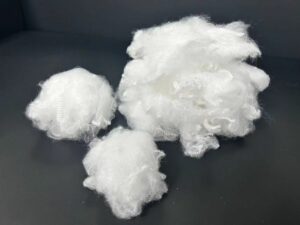
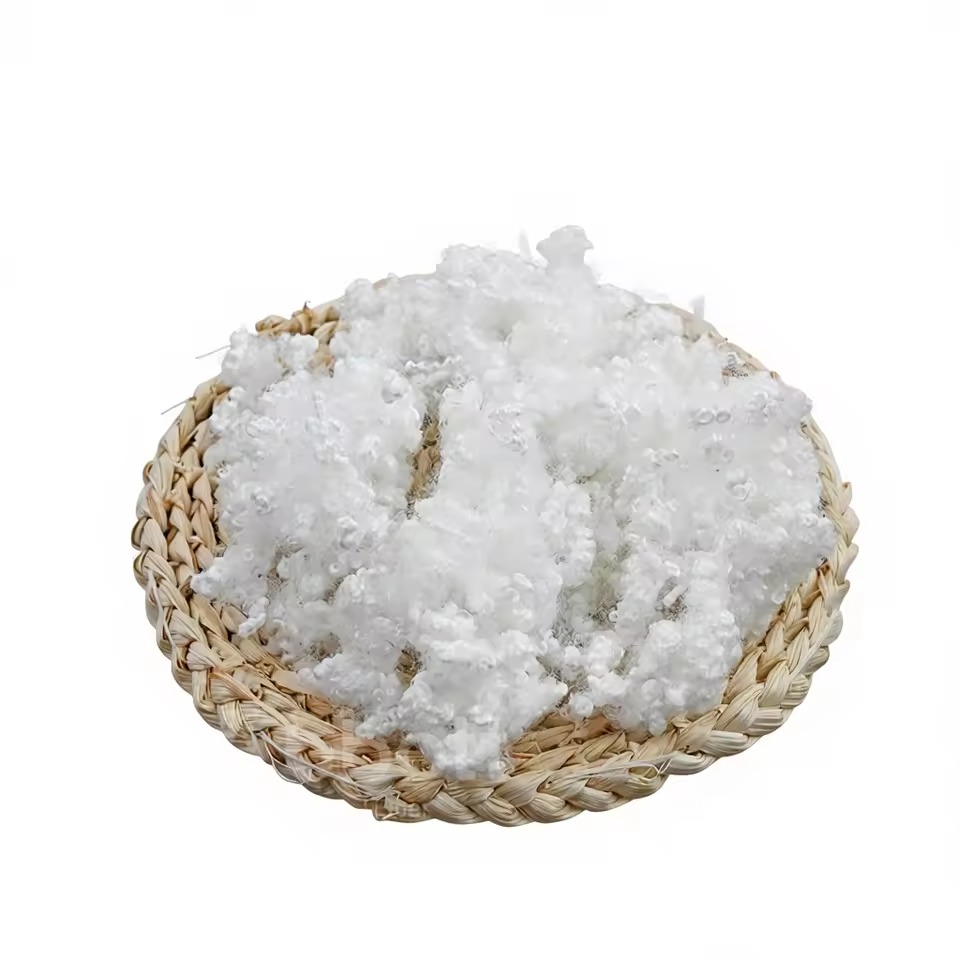
Polyester fiberfill — most commonly in the form of hollow conjugated siliconized (HCS) fiber — is by far the most widely sold pillow filling globally. It is the accessible, washable, affordable, allergy-safe standard that fills the majority of pillows sold in every price segment from budget supermarket products to mid-range bedding brands.
Modern polyester fiberfill is not the flat, lumpy material of entry-level pillows past. High-quality hollow conjugated siliconized fiber features a hollow cross-section (trapping air for warmth and lightness), a three-dimensional spiral crimp (providing spring-back loft recovery), and a silicone surface coating (preventing clumping and providing smooth, free-flowing character). The result is a fill that is genuinely soft, resilient, and comfortable in quality products.
- Best for: Back sleepers, stomach sleepers, budget-conscious buyers, allergy sufferers, anyone who needs a machine-washable pillow
- Pros: Very affordable, machine washable and tumble dryer safe, hypoallergenic, lightweight, available in every firmness and loft level
- Cons: Loses loft faster than premium fills over time; some flattening and clumping in lower-quality grades; not as luxuriously soft as down at equivalent price
- Care: Machine wash warm; tumble dry low with tennis balls to restore loft
- Price range: $ to $$ — the most affordable fill category
Recycled polyester fiberfill—produced from post-consumer PET bottles—delivers equivalent fill performance with significantly reduced environmental footprint and is increasingly available with GRS (Global Recycled Standard) certification. For environmentally conscious buyers, recycled HCS fiber is the most accessible sustainable fill choice.
2. Down Fill (Goose and Duck Down)
Down is the traditional gold standard of luxury pillow fill—the soft, fluffy undercoat of ducks and geese that has no quills, only thousands of tiny filaments radiating from a central point. These clusters create an exceptionally light, lofty, three-dimensional structure that traps large volumes of still air for warmth while remaining feather-light in weight.
The quality of down fill is measured by fill power—the number of cubic inches one ounce of down occupies when allowed to loft freely. Fill power ranges from around 550 (basic) to 800+ (premium goose down). Higher fill power means larger clusters, more air, greater loft, and a better warmth-to-weight ratio. Goose down clusters are generally larger than duck down, producing higher fill powers at equivalent fill weights.
- Best for: Side sleepers and back sleepers who want a luxuriously soft, moldable pillow; those who sleep in cool environments
- Pros: Incomparably soft and luxurious feel; excellent moldability; naturally temperature-regulating; long-lasting with proper care
- Cons: Expensive; can trigger feather/bird protein allergies; requires careful laundering (specialist down wash, thorough drying essential); ethical concerns about live-plucking in conventional production
- Care: Machine wash on a gentle cycle with down-specific detergent; tumble dry low with dryer balls until completely dry (mold risk if stored damp)
- Price range: $$$ to $$$$$ — premium to luxury positioning
Look for RDS (Responsible Down Standard) certification, which guarantees the down was sourced from birds that were not live-plucked or force-fed. Recycled down — recovered from used duvets and pillows — is a growing sustainable alternative.
3. Feather Fill
Feather fill uses the outer feathers of ducks or geese — the protective wing and body feathers that have a rigid central quill, unlike the quill-free down clusters. Feather pillows are generally firmer and heavier than down pillows, provide more defined support, and are significantly less expensive. Most feather pillows contain a blend of feathers and down (commonly labeled as the percentage ratio, e.g., 85/15 feather/down).
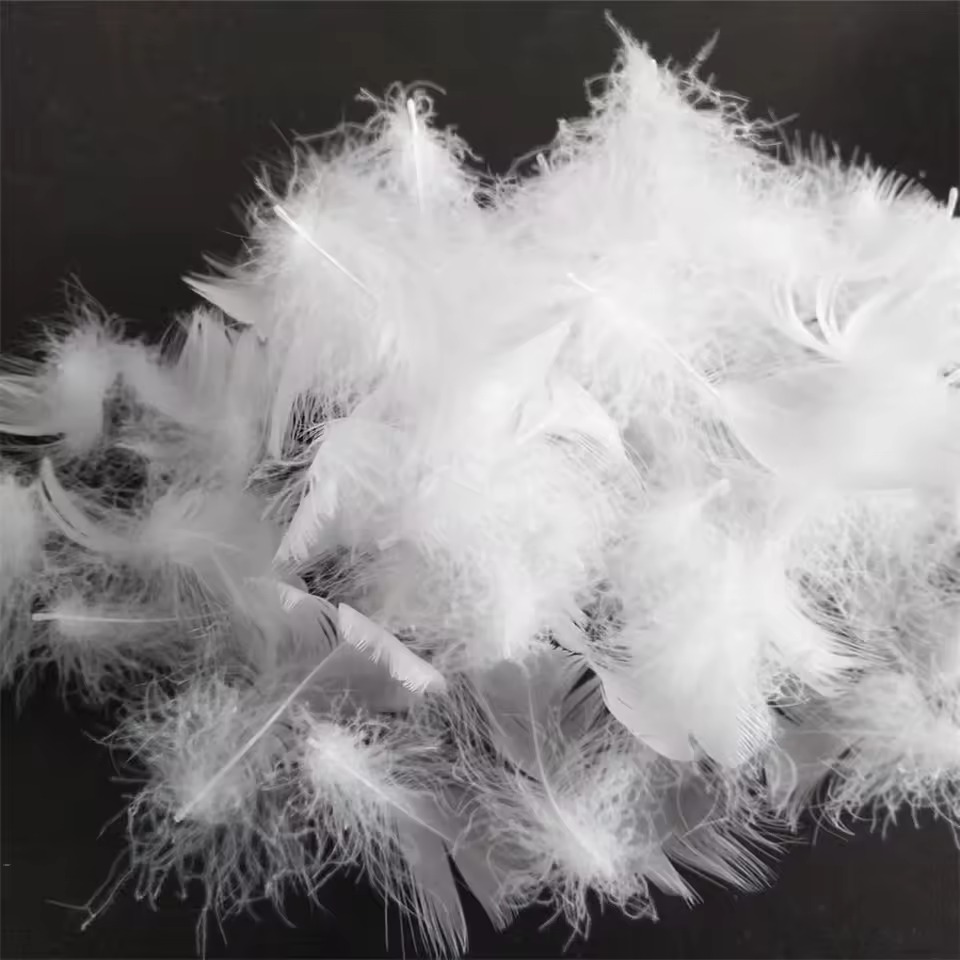
The practical issue with feather-heavy fill is quill poke—the rigid quills of individual feathers can work through the pillow ticking over time and poke the sleeper. Higher-quality feather pillows use smaller feathers and higher-thread-count ticking to minimize this problem.
- Best for: Side sleepers who want a firmer, more moldable, and more affordable alternative to pure down
- Pros: More affordable than pure down; good support and moldability; durable
- Cons: Quill poke risk; heavier than down; same allergy and ethical concerns as down; same careful laundering requirement
- Care: Same as below—specialist wash, thorough drying essential
- Price range: $$ to $$$ — mid-range
4. Memory Foam
Memory foam (visco-elastic polyurethane foam) is the most supportive and pressure-conforming pillow fill available. It softens under body heat and molds closely to the exact shape of the sleeper’s head and neck—distributing pressure evenly across the contact surface and providing highly personalized support. When the sleeper moves, memory foam slowly recovers its shape (typically over 5–10 seconds) rather than snapping back immediately.
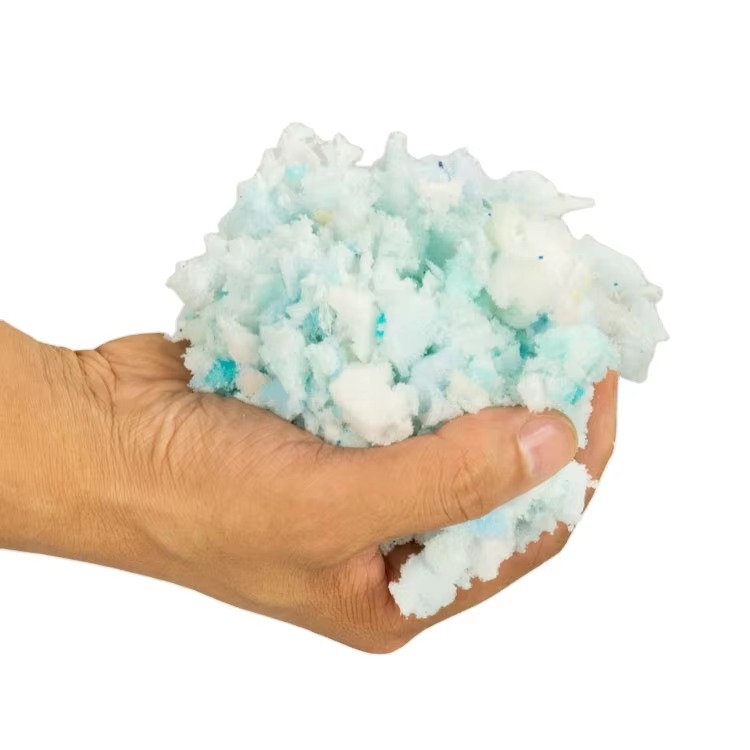
Memory foam pillows are available in two main formats: solid block (one contoured piece that cannot be adjusted) and shredded (small pieces of foam that can be added or removed for loft adjustment). Shredded memory foam is significantly more breathable and adjustable than solid block.
- Best for: Side sleepers and back sleepers with neck or shoulder pain who need consistent, defined support; those who change position rarely
- Pros: Excellent pressure relief and personalized contouring; very durable — maintains shape for years; available in a range of firmness levels
- Cons: Retains body heat—can sleep hot; heavy; slow recovery means it doesn’t move with the sleeper easily; some off-gassing odor when new; not machine washable (spot clean only for solid; some shredded types can be washed)
- Care: Solid — air regularly; spot clean only. Shredded—check manufacturer; some are machine washable
- Price range: $$ to $$$$ — mid-range to premium
5. Latex (Natural and Synthetic)
Latex pillow fill comes in two forms: natural latex (made from rubber tree sap—Hevea brasiliensis) and synthetic latex (petrochemical-derived). Natural latex is one of the most durable and supportive pillow materials available, offering a responsive, springy feel distinctly different from memory foam—it compresses under pressure and immediately springs back (rather than slowly recovering), maintaining consistent support as the sleeper moves.
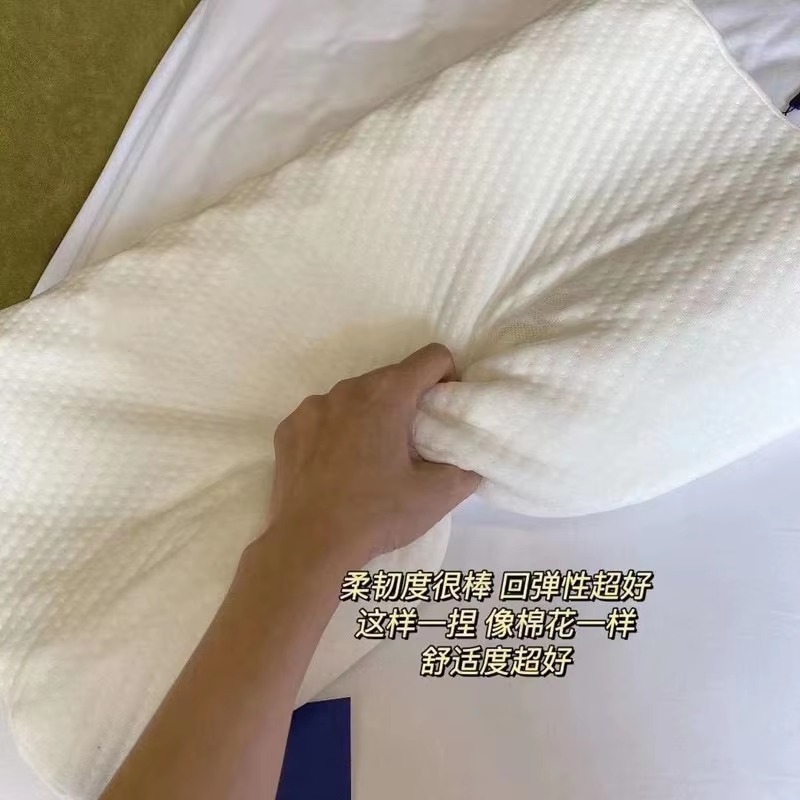
Latex is naturally antimicrobial and resistant to dust mites, mold, and mildew—properties that make it an excellent choice for allergy-sensitive sleepers who cannot tolerate down or feather fill.
- Best for: Side sleepers and back sleepers who need defined support but dislike the slow recovery of memory foam; allergy sufferers; hot sleepers (latex is more breathable than foam)
- Pros: Excellent and durable support; naturally antimicrobial and hypoallergenic; more breathable than memory foam; long lifespan; eco-friendly (natural latex); available shredded for adjustability
- Cons: Heavy; expensive (especially natural latex); initial rubbery odor; shredded latex can shift and need redistribution; not suitable for latex-allergic individuals
- Care: Spot clean or hand wash gently; air dry only—never machine dry
- Price range: $$$ to $$$$$ — premium to luxury
Look for ‘natural latex’ (not simply ‘latex,’ which can mean a synthetic blend) or certification as 100% natural latex. The OEKO-TEX Standard 100 certification for latex confirms the absence of harmful chemical residues.
6. Wool Fill
Wool pillow fill — typically from Merino or other fine wool breeds — is one of the most naturally temperature-regulating fills available. Wool fiber’s unique ability to absorb and release moisture vapor actively maintains a comfortable microclimate at the sleep surface—keeping you warm when the room is cool and cool when you perspire. This bidirectional temperature regulation makes wool an excellent choice for those who sleep hot or experience night sweats.
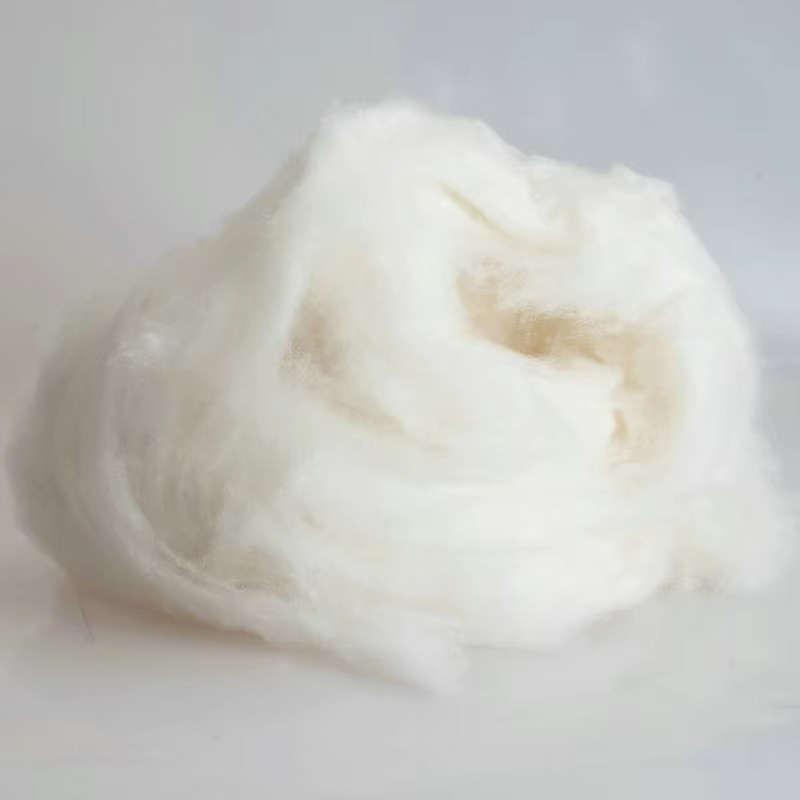
Wool fill produces a medium-firm pillow with good support and a slightly bouncy character. It compresses gently under load and recovers well, providing consistent support through the night without the extreme softness of down or the defined pressure relief of foam.
- Best for: Hot sleepers; those who experience night sweats; back sleepers; those who want a natural, chemical-free fill option
- Pros: Outstanding temperature regulation; naturally moisture-managing; naturally antimicrobial and hypoallergenic; durable; biodegradable and renewable
- Cons: Heavier than polyester or down; some people sensitive to wool; more expensive than polyester; requires careful washing (wool-specific cycle)
- Care: Machine wash on wool/delicate cycle cool; air or tumble dry low
- Price range: $$$ — mid-premium
7. Kapok Fill
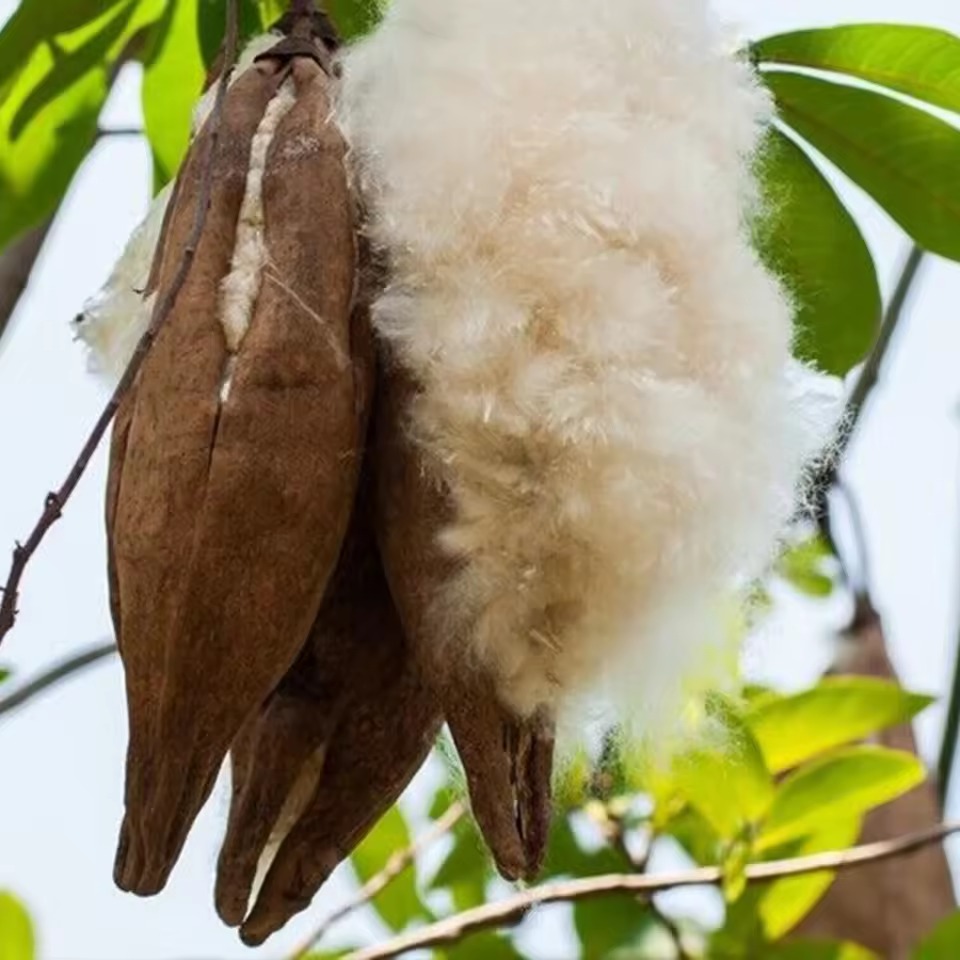
Kapok is a natural plant fiber harvested from the seed pods of the kapok tree (Ceiba pentandra)—a tropical tree native to the Americas and West Africa. The fibers are extremely lightweight, silky, and buoyant, producing a pillow fill that resembles down in softness and loft without any animal content. Kapok is often described as the most down-like plant-based fill available.
Kapok’s fiber structure is hollow — similar in this respect to hollow conjugated polyester fiber — giving it good insulating properties at low weight. It is naturally water-repellent and quick-drying and produces no static electricity.
- Best for: Those who want a soft, down-like fill without animal products; eco-conscious buyers; allergy sufferers who react to feathers
- Pros: Naturally soft and down-like; lightweight; hypoallergenic; sustainable and biodegradable; vegan-friendly
- Cons: Highly flammable (requires fire-retardant treatment in many markets); can compress over time and require redistribution; can attract dust mites and moisture if not properly encased; limited availability compared to polyester or down
- Care: Machine wash gentle cool; air dry thoroughly—kapok absorbs water and must be completely dry before use to prevent mold
- Price range: $$ to $$$ — mid-range
8. Buckwheat Hull Fill
Buckwheat hull pillows are filled with the dried outer husks of buckwheat seeds—small, rigid, crescent-shaped shells that move and conform to the shape of the head and neck. They provide extremely firm, moldable, and highly adjustable support—the fill can be added or removed through a zippered opening to customize loft precisely.
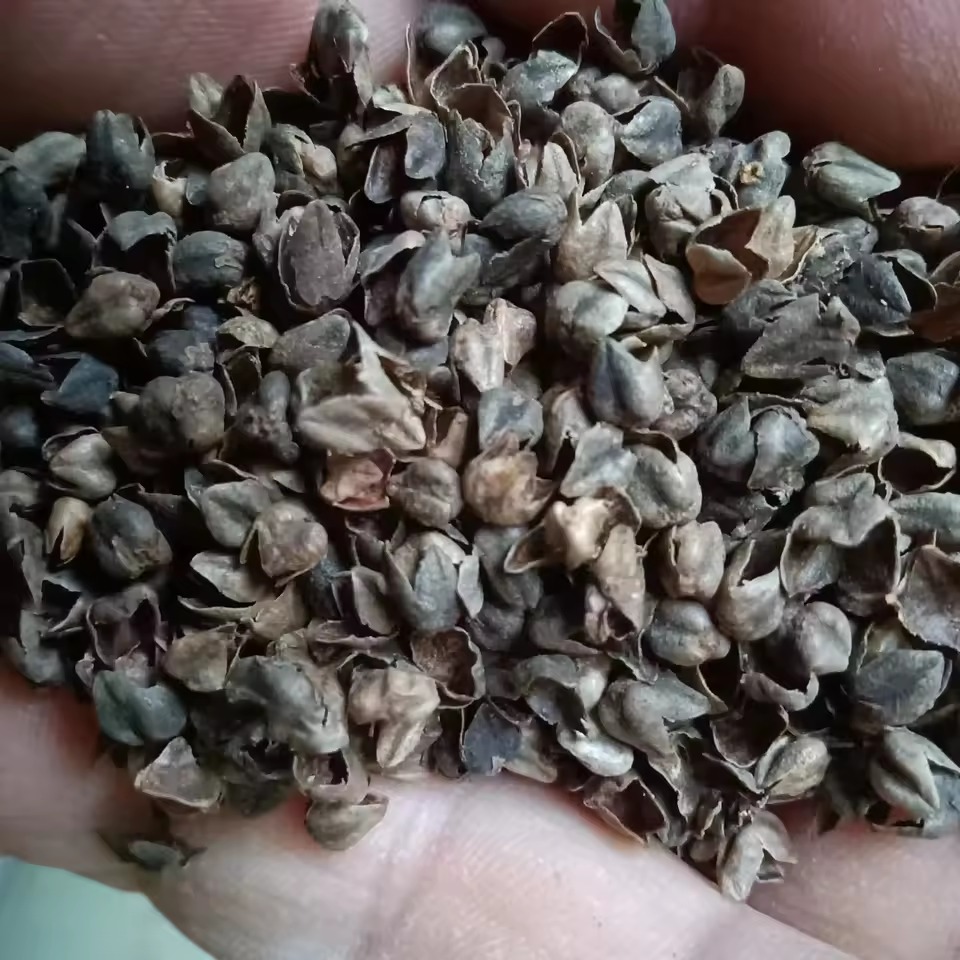
Buckwheat hull pillows have an unusual sound and feel that require an adjustment period—the husks shift audibly when the sleeper moves and provide a firm, unyielding support quite unlike any other fill. However, their fans are devoted: the firmness and adjustability provide outstanding neck alignment for some sleepers.
- Best for: Side sleepers and back sleepers who need firm, precise neck support; those who sleep hot (buckwheat has exceptional airflow)
- Pros: Highly adjustable loft; exceptional airflow — the coolest sleeping fill available; very long-lasting (hulls can be replaced); natural and biodegradable
- Cons: Heavy; audible rustling when moving; very firm — requires adjustment period; not suitable for those who prefer soft pillows; must be kept dry
- Care: Remove hulls and wash cover only; spread hulls in sun periodically to freshen; replace hulls every 3–5 years
- Price range: $$ to $$$ — mid-range
9. Cotton Fill
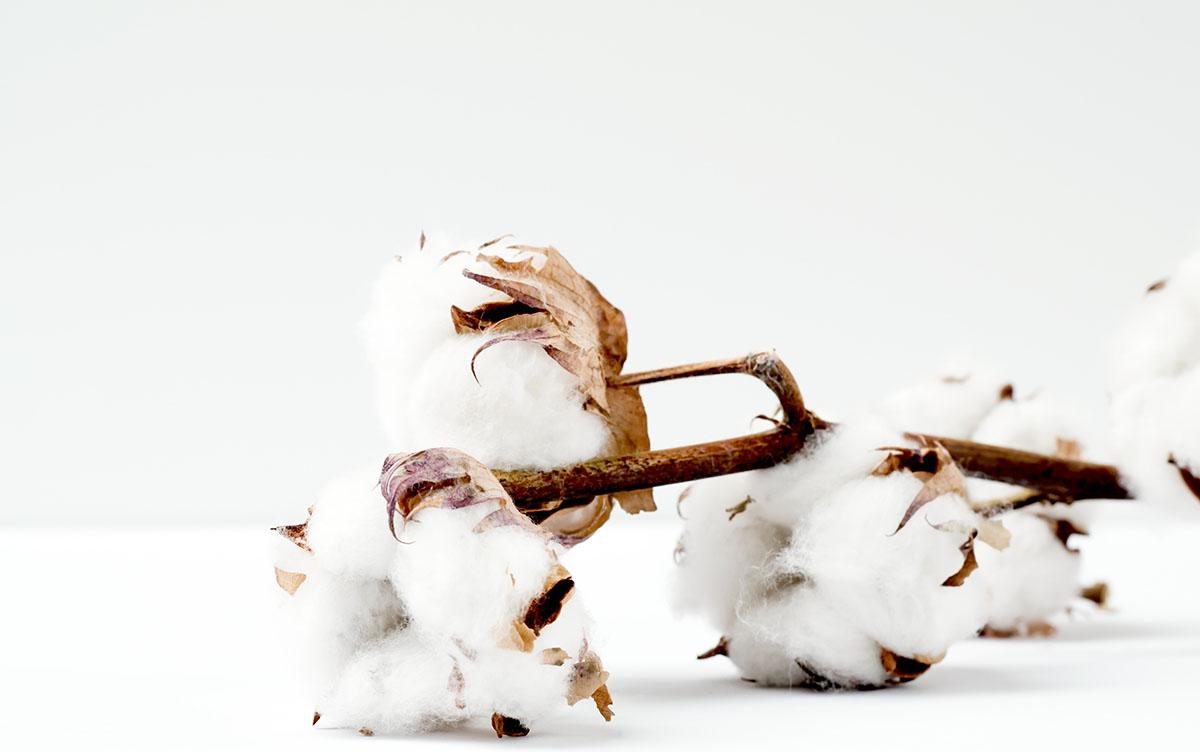
Cotton fill — either loose cotton fiber or cotton batting — produces a firm, flat pillow with consistent support but limited loft recovery. Cotton compresses more permanently under regular use than other fills, which means cotton pillows tend to flatten and lose support faster than most alternatives. However, cotton’s breathability, natural feel, and hypoallergenic properties make it a practical choice for those who prefer firm, flat pillows or need a naturally sourced option.
- Best for: Stomach sleepers (who need low-loft, flat support); those who prefer a firm, consistent feel; allergy sufferers who want a natural fill
- Pros: Natural, breathable, and hypoallergenic; machine washable; widely available; no synthetic materials
- Cons: Flattens and compresses permanently over time — loses support relatively quickly; heavier than most other fills; no loft recovery
- Care: Machine wash warm; tumble dry medium
- Price range: $ to $$ — affordable
Complete Pillow Filling Comparison Table
Fill Type | Softness | Support | Temp. | Washable | Allergies | Price |
Polyester HCS | ★★★★☆ | ★★★☆☆ | Neutral | ★★★★★ | Excellent | $–$$ |
Down (goose) | ★★★★★ | ★★★☆☆ | Warm | ★★★☆☆ | Poor | $$$$–$$$$$ |
Feather | ★★★☆☆ | ★★★★☆ | Warm | ★★★☆☆ | Moderate | $$–$$$ |
Memory Foam | ★★★☆☆ | ★★★★★ | Hot | ★★☆☆☆ | Good | $$–$$$$ |
Natural Latex | ★★★★☆ | ★★★★★ | Neutral | ★★☆☆☆ | Very Good | $$$–$$$$$ |
Wool | ★★★☆☆ | ★★★★☆ | Regulating | ★★★★☆ | Very Good | $$$ |
Kapok | ★★★★☆ | ★★★☆☆ | Neutral | ★★★☆☆ | Good | $$–$$$ |
Buckwheat | ★★☆☆☆ | ★★★★★ | Very Cool | ★☆☆☆☆ | Very Good | $$–$$$ |
Cotton | ★★☆☆☆ | ★★★☆☆ | Neutral | ★★★★☆ | Excellent | $–$$ |
★★★★★ = Excellent ★★★★☆ = Very Good ★★★☆☆ = Good ★★☆☆☆ = Fair ★☆☆☆☆ = Poor
Best Pillow Fill by Sleep Position
Your sleeping position is the single most important factor in choosing the right pillow fill—it determines the loft and firmness you need to keep your neck and spine properly aligned through the night.
Sleep Position | Ideal Loft | Recommended Fill | Why It Works |
Side Sleeper | High (4–6 inches) | Memory foam, latex (solid or shredded), firm polyester HCS, feather blend | Needs to fill the space between shoulder and head. A firm, supportive fill prevents the neck from bending sideways. Buckwheat is also excellent for defined support. |
Back Sleeper | Medium (3–4 inches) | Medium polyester HCS, down, shredded latex, wool | Needs enough loft to support the natural curve of the neck without pushing the head too far forward. Down or medium HCS provides gentle, contouring support. |
Stomach Sleeper | Low (1–3 inches) | Soft polyester HCS, thin down or feather, cotton | Needs the lowest loft to prevent the neck from rotating too far to one side. Soft, compressible fills that flatten under the head are best. Firm fills can cause neck strain. |
Combination Sleeper | Adjustable / Medium | Shredded memory foam, shredded latex, adjustable HCS | Changes position during the night — needs a fill that responds and adjusts quickly. Shredded fills that move with the sleeper are ideal. Avoid solid foam blocks. |
Understanding Fill Power, Denier, and Key Specifications
Fill Power—For Down and Down-Alternative Products
Fill power measures the loft-generating efficiency of down fill—specifically, the volume in cubic inches that one ounce of down occupies when allowed to expand freely. It is the primary quality indicator for down and down-alternative pillow products:
- 550–600 fill power: Entry-level — basic softness and warmth, limited loft retention
- 650–700 fill power: Good quality — comfortable softness and reliable loft for everyday bedding
- 750–800 fill power: Premium quality — excellent loft, warmth, and light weight
- 800+ fill power: Luxury grade — the largest clusters, highest loft, and best warmth-to-weight ratio
For polyester down-alternative fill, an equivalent concept is fill rating or loft specification — the target height the fill achieves in a standard pillow at a given fill weight. Higher fill ratings in polyester products indicate premium, high-loft fiber grades (typically fine-denier, 3D-crimped hollow conjugated fiber).
Denier — For Polyester Fiberfill
Denier is the unit of fiber fineness — the weight in grams of 9,000 meters of fiber. In pillow fill, denier determines the softness, weight, and character of the fill:
- Below 1 denier (microfiber): Ultra-fine, exceptionally soft — closest to down in feel. Used in premium down-alternative pillows where silk-like softness is the priority
- 3–6 denier: Fine to medium — soft, lofty fill suitable for premium to standard pillow applications. The most common range for quality bedding fill
- 7–12 denier: Medium-coarse — more substantial body and support. Used in firmer pillows, stuffed toys, and cushion fill where more resistance is needed
- 15 denier and above: Coarse—firm, dense fill for industrial applications, sofa cushions, and specialty products
For pillow fill, the sweet spot for most sleep pillows is 6–7 denier hollow conjugated fiber—providing the right balance of softness, loft, and loft recovery for quality bedding applications.
Staple Length — For Polyester Fiber Processing
“Staple length” refers to the cut length of polyester staple fiber—typically 32 mm, 51 mm, or 64 mm for pillow fill applications. Longer fiber lengths (51–64 mm) generally provide better loft recovery and more cohesive fill behavior in standard pillow filling machines. Shorter lengths (32 mm) are used in fine carding and specialty applications, including fiber ball fill production.
Special Pillow Filling Formats
Fiber Ball Fill — The Premium Down Alternative
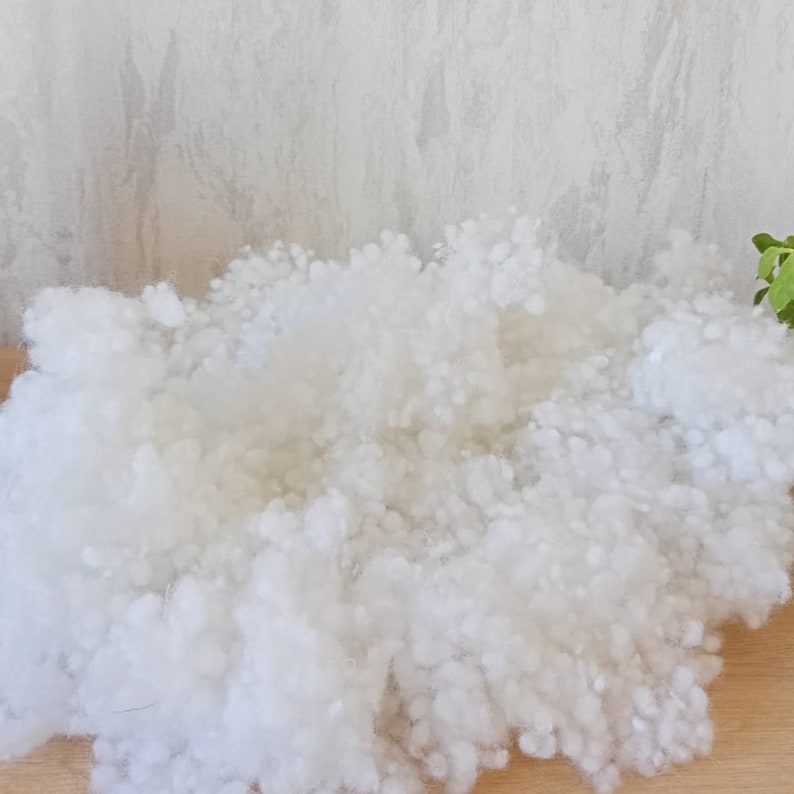
Fiberball fill is a premium format of polyester fill in which fine-denier hollow conjugated siliconized fiber is processed through a fiberball machine, rolling individual fibers into small spherical clusters (typically 8–20 mm in diameter) that resemble individual down clusters. Fiber balls flow freely, distribute evenly within a pillow cover, and produce a distinctively light, bouncy, down-like fill character that standard loose fiber cannot match.
Fiberball pillows—increasingly marketed as ‘down alternative cluster fiber’—deliver the closest synthetic approximation of genuine down’s free-flowing, lofty cluster behavior. They are machine washable, hypoallergenic, and available in recycled rPET variants, making them a compelling sustainable alternative to both conventional polyester fill and natural down.
Shredded Fill — Adjustability and Breathability
Shredded fill — whether shredded memory foam, shredded latex, shredded down alternative, or a blend — allows the sleeper to add or remove fill through a zippered opening to customize loft and firmness. Shredded fill is significantly more breathable than solid block foam or latex, as the gaps between pieces allow air circulation. The ability to personalize a loft makes shredded fill an excellent choice for combination sleepers and those who need a specific firmness level.
How to Choose the Right Pillow Fill: A Decision Guide
Use these key questions to identify the right fill for your needs.
- What is your sleep position? Side sleepers need high-loft, firm fill. Back sleepers need medium loft with contouring. Stomach sleepers need low, soft, compressible fill. Combination sleepers need adjustable fill.
- Do you sleep hot or cold? Hot sleepers: buckwheat (coolest), wool (regulating), latex (breathable). Cold sleepers: down or high-fill-power polyester. Neutral: most polyester and cotton fills.
- Do you have allergies? Avoid down and feathers if you have bird/feather allergies. Choose polyester HCS, latex, wool, or buckwheat—all are naturally hypoallergenic.
- Do you need a washable pillow? Polyester HCS and cotton are the easiest to launder (machine washable, tumble dryer safe). Down and wool require gentle washing. Solid foam and latex cannot be machine washed.
- What is your budget? $: Polyester fiberfill. $$: Kapok, cotton, basic feather. $$$: Wool, shredded latex, quality down blend. $$$$+: Premium down, natural latex, luxury fills.
- Is sustainability a priority? Choose GRS-certified recycled polyester fiberfill (rHCS), natural latex, certified organic wool, kapok, or RDS-certified/recycled down. Avoid conventional petroleum-derived memory foam if environmental impact matters.
How Long Do Different Pillow Fillings Last?
Fill Type | Typical Lifespan | When to Replace |
Quality Polyester HCS | 2–4 years | When it no longer springs back after folding, or develops permanent flat spots |
Premium Down | 5–10+ years | When loft fails to recover after washing and drying, or fill shifts permanently to edges, |
Feather Blend | 3–5 years | When quill poke becomes frequent, or loft cannot be restored by fluffing |
Memory Foam (solid) | 3–5 years | When indentations appear that don’t recover, or off-gassing smell returns |
Natural Latex | 5–8 years | When it loses springiness or develops permanent compression spots |
Wool | 3–5 years | When it flattens and cannot be restored to adequate loft |
Buckwheat | 2–3 years (hulls) | When hulls become dusty or fail to hold shape, hulls can be replaced |
Cotton | 1–2 years | When it flattens and support is inadequate—compresses more quickly than other fills |
VNPOLYFIBER’s Pillow Fill Solutions
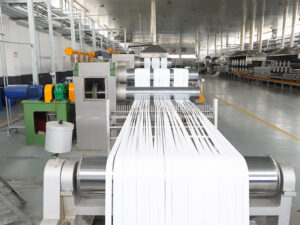
At VNPOLYFIBER, we specialize in supplying high-quality polyester pillow fill materials to bedding manufacturers, pillow producers, home textile brands, and OEM suppliers across more than 30 countries. Our polyester fill range covers the full spectrum of pillow fill requirements:
- Hollow Conjugated Siliconized Fiber (HCS): 6D–15D, in 32 mm, 51 mm, and 64 mm staple lengths, virgin and GRS-certified recycled (rPET) grades. The standard for quality polyester pillow fill from budget to premium tier.
- Hollow Conjugated Non-Siliconized (Dry HCS): For thermal bonding wadding and applications requiring fiber bonding rather than free-flowing fill behavior.
- Hollow Slick Fiber: Enhanced siliconized variant with maximum smoothness for premium down-alternative and fiberball applications.
- Fiber Ball Fill: Processed from fine-denier HCS fiber into spherical clusters for premium down-alternative pillow and duvet fill with the closest synthetic approximation of down’s cluster behavior.
- Solid Fiber Fill: For firmer cushion and specialty fill applications requiring more density and less loft than hollow fiber.
All our fill products are available with Oeko-Tex Standard 100 certification (Class I for children’s products and Class II for adult bedding) and GRS certification for recycled content variants. We provide samples, technical data sheets, and full performance specifications to support your product development process.
Conclusion: The Right Pillow Fill Is a Sleep Investment
The right pillow filling is not a minor detail — it is one of the most direct investments you can make in the quality of your sleep, your neck health, and your everyday energy and mood. Understanding the genuine differences between fill types — and matching your choice to your sleep position, temperature preferences, allergy sensitivities, and budget — is the essential first step toward sleeping consistently better.
For most people, high-quality hollow conjugated siliconized polyester fiberfill offers the best combination of comfort, durability, washability, hypoallergenic safety, and value. For those prioritizing luxury, down remains the premium standard. For hot sleepers, wool or buckwheat may be transformative. For allergy sufferers who want a plant-based option, kapok or latex are excellent alternatives.
Whatever your sleep profile, the right fill exists — and now you have the information to find it.