What Is Hemp Fiber? The Complete Guide to Hemp Fabric, Properties, Uses & Sustainability
Hemp is having a moment — and it has been earning it for 10,000 years. One of the oldest cultivated plants in human history, hemp has clothed civilizations, rigged sailing ships, built early industries, and formed the canvas for some of the world’s great paintings. Then, for most of the 20th century, it was sidelined by legal confusion with its psychoactive cousin marijuana, leaving the field to cotton, polyester, and other fibers that have proven far more costly to the environment.
Today, as legal barriers lift globally and consumer demand for genuinely sustainable textiles intensifies, hemp fiber is staging one of the most compelling comebacks in textile history. It grows faster than almost any other fiber crop, requires no pesticides, uses a fraction of cotton’s water, improves the soil it grows in, sequesters significant carbon, and produces one of the strongest natural fibers available. Understanding what hemp fiber is, how it is processed into fabric, what makes it perform the way it does, and where it still faces real challenges is essential for anyone in textiles, sustainability, or simply someone making more thoughtful purchasing decisions.
What Is Hemp Fiber? Definition and Botanical Origin
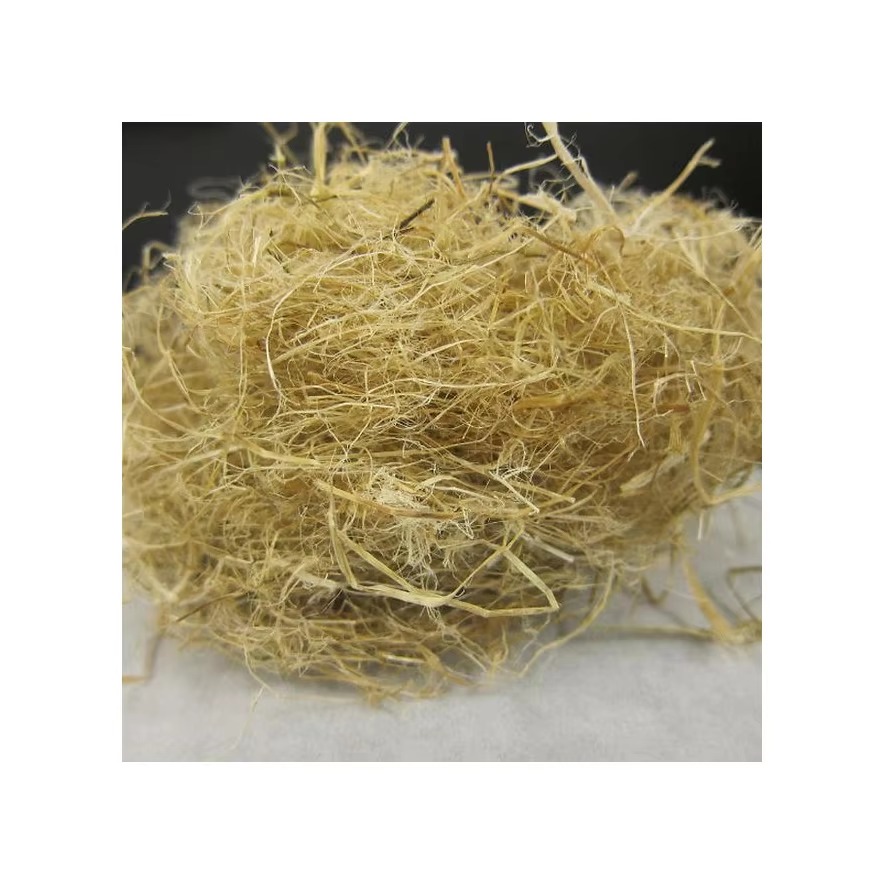
Hemp fiber is a natural bast fiber derived from the stalks of the industrial hemp plant—Cannabis sativa L. The term ‘bast fiber’ refers to the long, strong fibers found in the inner bark (phloem) of certain plant stems. Hemp belongs to the same bast fiber family as linen (flax), jute, and ramie—plants valued for the exceptional length and strength of their stem fibers.
The critical distinction for textile purposes: industrial hemp is a cultivar of Cannabis sativa specifically bred to contain very low levels of tetrahydrocannabinol (THC)—less than 0.3% in most regulatory frameworks—making it legally and practically distinct from marijuana varieties. Hemp does not produce psychoactive effects. It is grown for its fiber, seeds, and oil—not for recreational use.
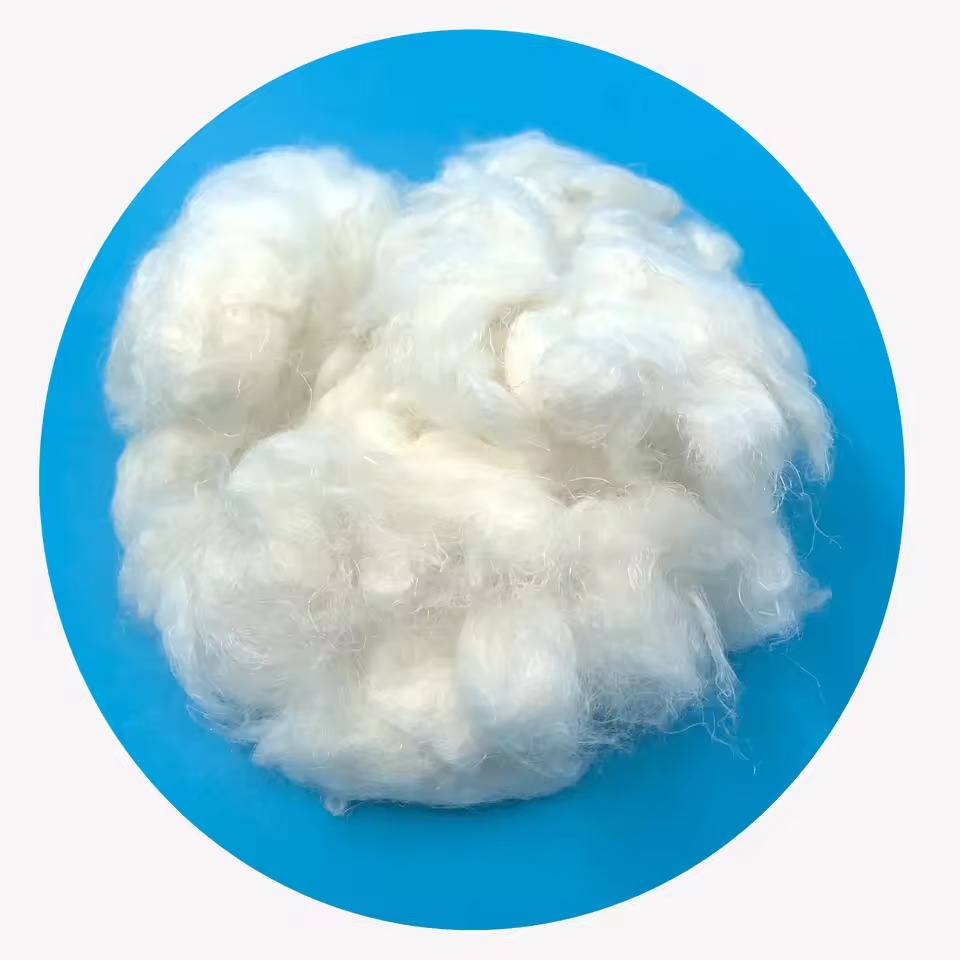
Hemp fiber has been found at archaeological sites dating to approximately 8,000 BC—a scrap of hemp fabric discovered in ancient Mesopotamia is among the oldest known textile artifacts. For most of human history, hemp was simply one of the most important plant fibers on earth.
The hemp plant grows rapidly—reaching 2–4 meters in height in just 70–110 days—with dense, closely spaced stalks that shade out competing weeds without herbicides. Each stalk contains two distinct fiber components: the long bast fibers (used for fine textiles) in the outer bark and the short, woody hurd (shives) in the inner core, used in construction, animal bedding, and biomass applications. This whole-plant utility gives hemp one of the most resource-efficient profiles of any fiber crop.
A Brief History of Hemp
Hemp’s history as a fiber plant spans virtually the entire timeline of human civilization. Archaeological evidence places hemp cultivation in China and Central Asia as early as 8,000 BC—predating the widespread use of cotton by several thousand years. Ancient Chinese texts describe hemp fabric production in detail. Hemp cloth has been found in Egyptian tombs. Ancient Greeks and Romans used hemp for rope, sailcloth, and clothing.
In medieval and early modern Europe, hemp was a strategic commodity—so important for ship rigging, sails, and cordage that England’s King Henry VIII made hemp cultivation legally mandatory for landowners in the 16th century. The British Royal Navy’s strength depended in part on a reliable supply of hemp rope. The first drafts of the United States Declaration of Independence were reportedly written on hemp paper.
The 20th century dealt hemp a severe blow. The Marijuana Tax Act of 1937 in the United States effectively banned hemp cultivation alongside marijuana—despite their profound agricultural and chemical differences. Similar restrictions spread globally, and hemp acreage collapsed from millions of hectares to almost nothing in major producing countries. By the 1960s, hemp had been largely replaced in most applications by cotton, synthetic fibers, and other materials.
The modern rehabilitation of hemp as a fiber crop began in the 1990s and accelerated through the 2010s, as governments began distinguishing legally between low-THC industrial hemp and marijuana. The US Farm Bill of 2018 federally legalized industrial hemp production, opening the world’s largest consumer market to hemp cultivation. The European Union maintained a consistent framework for legal hemp production throughout, which is why France, the Netherlands, and other EU countries have maintained hemp fiber expertise and production capacity.
How Hemp Fiber Is Made: From Field to Fabric
Turning hemp stalks into spinnable, weavable fiber requires several distinct processing stages. The quality of the resulting fabric depends significantly on how each stage is executed, and the sustainability of the process varies considerably depending on the methods used.
Step 1: Cultivation and Harvesting
Hemp for fiber production is planted densely (up to 250 plants per square meter) to encourage tall, straight, branch-free stalks with maximum usable bast fiber length. The plants are harvested before full seed maturity — typically 70–90 days after planting — when the fiber content and quality are at their peak. Harvesting is typically done by cutting the stalks close to the ground using mechanized mowing equipment. The cut stalks are laid in rows across the field for the retting stage.
Step 2: Retting — Separating Fiber from Stalk
Retting is the controlled microbial or chemical process that breaks down the pectin binding the bast fiber bundles to the woody core of the stalk. It is the most critical—and most environmentally variable—stage of hemp processing:
- Dew retting (field retting): The cut stalks are left in the field for 2–6 weeks, where alternating cycles of dew, moisture, and sunlight allow naturally occurring bacteria and fungi to degrade the pectin. Dew retting requires no chemical inputs and produces good-quality fiber but is weather-dependent and time-consuming. It is the dominant method in Europe and produces the highest sustainability credentials.
- Water retting: Stalks are submerged in tanks, ponds, or rivers for 7–14 days of microbial action. Faster and more consistent than dew retting, but the wastewater generated requires careful management to prevent local water pollution.
- Chemical (enzymatic) retting: Industrial enzymes or chemical solutions (alkalis) break down the pectin rapidly—in hours rather than weeks. This is the fastest method and enables year-round indoor processing but requires careful chemical management and can reduce fiber quality if not precisely controlled.
Step 3: Breaking and Scutching
After retting and drying, the stalks are processed through breaking machines—rollers that crush and break the brittle woody core (hurd) into fragments without damaging the long bast fibers. The broken stalks then pass through scutching machines—rotating paddles or blades that beat and remove the hurd fragments, leaving the long bast fiber bundles (called line fiber) intact. The line fiber is the premium product; the shorter, tangled tow fiber and hurd are collected as separate byproduct streams.
Step 4: Hackling and Carding
Line fiber is drawn through hackling combs—increasingly fine-toothed combs that separate, align, and further clean the long fiber bundles. Hackling removes the last short tow fibers and produces the aligned, lustrous long-staple hemp fiber ready for fine yarn spinning. The two fibers removed during hackling are processed separately through carding into a fiber web suitable for coarser yarns or nonwoven applications.
Step 5: Spinning and Weaving
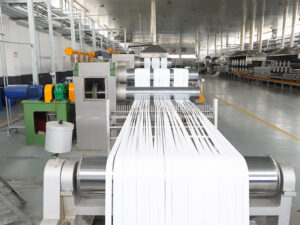
Hemp fiber is spun into yarn—either wet-spun (fibers drawn through warm water before twisting, producing finer, smoother yarn) or dry-spun (faster but producing coarser yarn). The spun yarn is then woven on power looms or knitted on knitting machines into fabric. Hemp is frequently blended with other fibers at this stage—most commonly cotton (for softness and elasticity), silk (for drape and luster), or lyocell (for enhanced softness and moisture management).
Key Properties of Hemp Fiber and Hemp Fabric
Property | Detail & Significance |
Exceptional Strength | Hemp fiber is widely cited as approximately 3–8 times stronger than cotton fiber of equivalent diameter. Its tensile strength is among the highest of all natural plant fibers. This makes hemp fabric highly resistant to tearing and abrasion — hemp garments genuinely outlast cotton equivalents with proper care, reducing replacement frequency and total environmental impact over a product’s lifetime. |
Breathability | Hemp fiber has a porous, naturally hollow structure that allows excellent air circulation through hemp fabric. This breathability keeps the wearer cool in warm conditions and makes hemp well-suited to summer apparel, bedding, and any application where air circulation is important for comfort. |
Moisture Management | Hemp can absorb up to 20% of its weight in moisture before feeling damp and releases that moisture rapidly through evaporation. This combination of good absorption and fast drying makes hemp comfortable in humid conditions and practical for activewear and home textiles. |
Natural Antibacterial | Hemp contains active phenolic compounds and organic acids that have demonstrated inhibitory effects against common bacteria and fungi. Hemp fabric naturally resists bacterial growth—reducing odor accumulation in activewear and extending the hygiene intervals of bedding and home textiles without chemical treatment. |
UV Protection | The irregular cross-sectional shape and helical molecular structure of hemp fiber allow it to scatter and absorb UV radiation effectively. Hemp fabric provides a degree of natural UV protection significantly higher than cotton—important for outdoor apparel, awnings, and sun-protective products. |
Anti-static | Hemp fiber’s stable molecular structure generates very little static electricity. Hemp fabric does not cling to the body the way synthetic fabrics do—an important comfort advantage in dry climates and for garments worn directly against skin. |
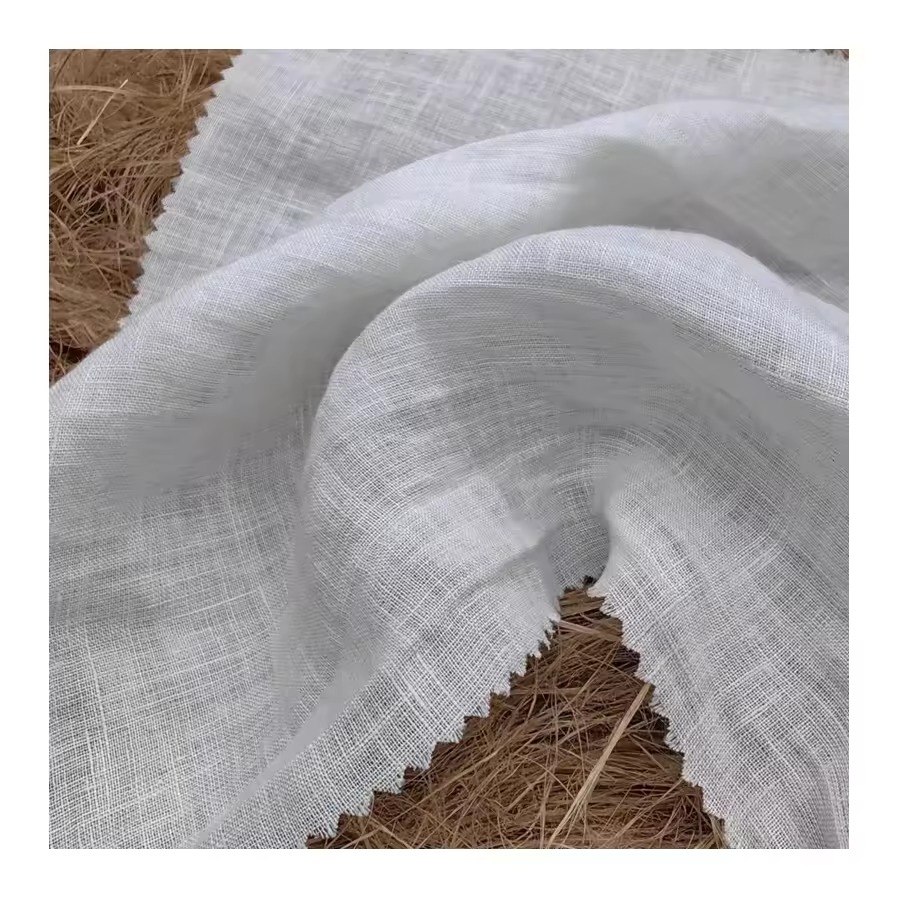
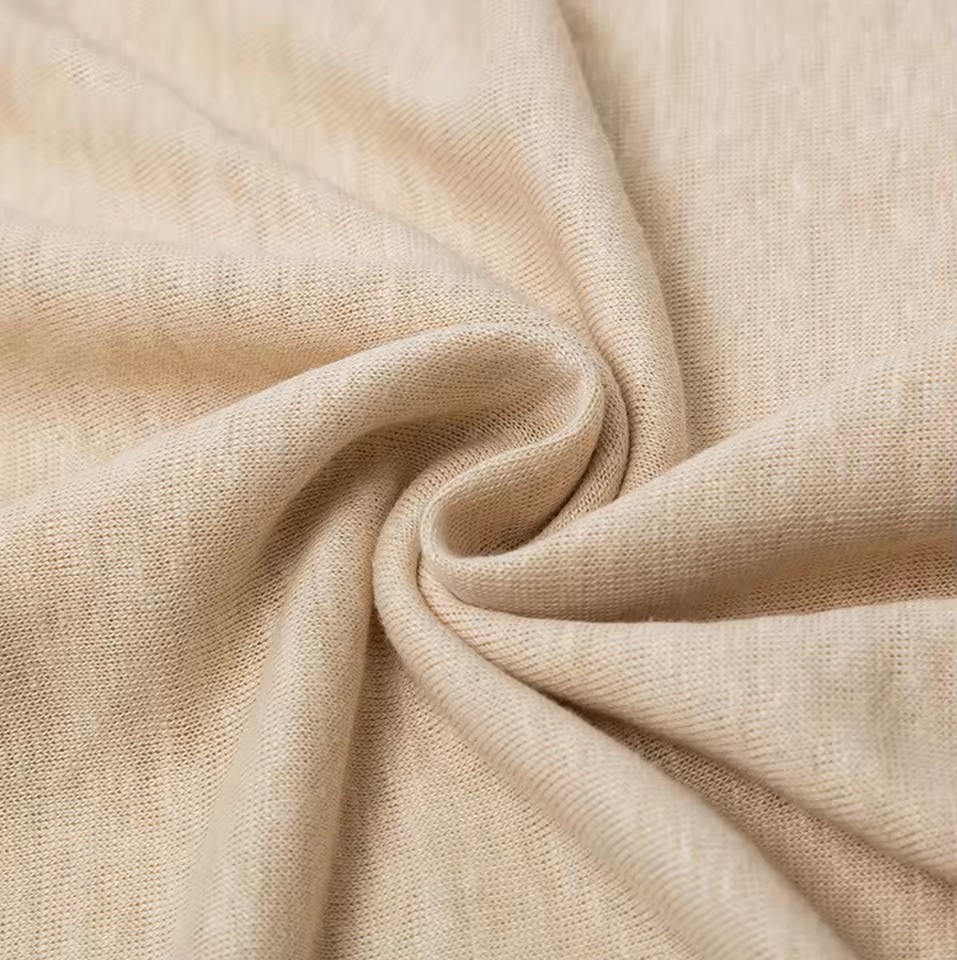
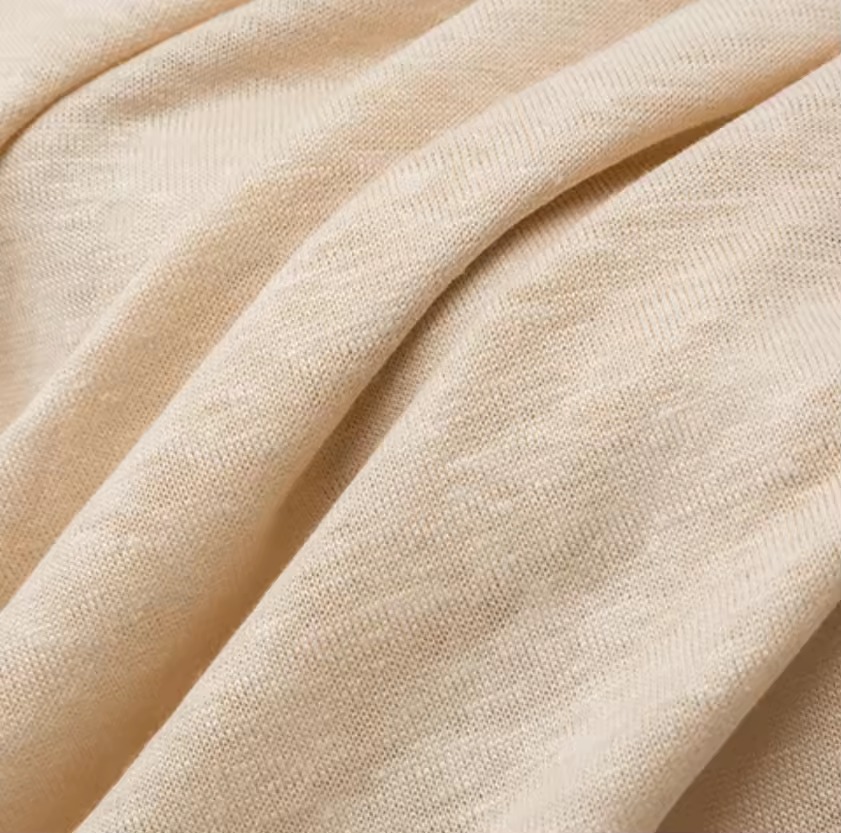
Softens With Use | Hemp fabric is characteristically firm and slightly rough when new. With each wash and wear, the fiber softens progressively—well-maintained hemp clothing becomes increasingly supple and comfortable over time, developing a comfortable, broken-in character similar to well-worn linen. |
Wrinkle Tendency | Like linen and other bast fibers, hemp wrinkles readily. The characteristic natural creases of hemp fabric are accepted by many users as part of its organic aesthetic, but hemp requires ironing or steaming if a smooth appearance is required. |
Biodegradability | Untreated hemp fabric is fully biodegradable — it decomposes through microbial action without leaving persistent residues. This is a meaningful end-of-life advantage over synthetic textiles that persist as microplastics. |
Dimensional Stability | Hemp fabric does not stretch—it lacks the natural elasticity of wool or elastane-blended fabrics. This gives hemp products excellent shape retention but means that blending with elastane is required for form-fitting applications. |
Hemp vs. Cotton vs. Linen: A Direct Comparison
Hemp, cotton, and linen are the three most important natural plant fibers for textile applications, but their growing requirements, processing, properties, and environmental profiles are meaningfully different.
Dimension | Hemp | Cotton | Linen (Flax) |
Water use in growing | Very low — mainly rain-fed | Very high—intensive irrigation needed | Very low — mainly rain-fed in Europe |
Pesticide use | None required | Very high — 4% of global use | Very low—naturally resistant |
Yield per hectare | High — more fiber per acre than cotton or flax | Lower | Lower than hemp |
Carbon sequestration | Excellent—carbon-negative crop | Low | Moderate |
Soil improvement | Yes—phytoremediates and improves soil | Depletes soil | Moderate |
Fiber strength | Very high — 3–8x stronger than cotton | Moderate | High |
Initial softness | Firm — softens with use | Naturally soft | Firm — softens with use |
Breathability | Excellent | Very Good | Excellent |
Antibacterial | Yes—natural phenolic compounds | Not inherently | Yes—natural properties |
UV protection | High — natural UV blocking | Low | Moderate |
Biodegradable | Yes | Yes | Yes |
Wrinkle resistance | Low — wrinkles easily | Low-Medium | Low — wrinkles easily |
Processing complexity | High—requires retting, scutching | High mechanization available | High—requires retting, hackling |
Processing sustainability | Excellent if dew-retted, variable if chemical | Poor — heavy chemical use | Excellent if dew-retted in Europe |
Applications of Hemp Fiber and Hemp Fabric
Apparel and Fashion
Hemp’s remarkable durability, breathability, and natural antibacterial properties make it an excellent base fabric for a wide range of clothing. Shirts, T-shirts, trousers, dresses, jackets, and knitwear in hemp (or hemp blends) offer a distinctive combination of natural texture, structural character, and longevity that synthetic and even most other natural fiber alternatives cannot match.
Hemp-cotton blends (typically 55% hemp/45% cotton or similar ratios) are the most commercially popular format for apparel—the cotton component softens the hemp’s initial firmness and adds elasticity, while the hemp contributes strength, durability, breathability, and a reduced environmental footprint compared to pure cotton. Hemp-silk blends produce a fluid, drapey fabric with a subtle natural luster suited to more formal garments.
Activewear is an emerging growth area for hemp fabric — its moisture management, natural antibacterial properties (reducing odor in high-sweat applications), and UV protection make it well-suited to performance sportswear, yoga wear, and outdoor athletic clothing. As processing technology improves and finer hemp yarns become available, the softness gap between hemp and cotton in activewear is narrowing.
Home Textiles and Bedding
Hemp’s durability and improving softness with washing make it an excellent choice for bed linen — sheets, pillowcases, and duvet covers that will withstand years of frequent laundering while progressively becoming more comfortable. Hemp bedding shares much of linen’s breathability and temperature-regulating character, making it particularly valued for warm climates or hot sleepers.
Table linens, kitchen towels, and bath textiles are traditional applications for hemp fabric where its absorbency, quick-drying character, and bacterial resistance are practical advantages. Hemp upholstery fabric — often in heavier woven constructions — offers exceptional durability for sofas, chairs, and cushion covers subject to regular mechanical abrasion.
Canvas, Bags, and Technical Textiles
Hemp’s original and most historically enduring application in technical textiles continues today. Hemp canvas — one of the densest and most durable woven hemp constructions — is used for bags, backpacks, tents, awnings, and outdoor furniture. The word ‘canvas’ itself derives from ‘cannabis’—a reminder of how foundational hemp was to the history of European seafaring and industry.
Hemp rope, twine, and cordage remain commercially produced for agricultural, marine, and decorative applications where the combination of strength, natural appearance, and biodegradability is valued. Hemp geotextile mats and erosion control blankets are used in civil engineering for slope stabilization and soil erosion prevention, where the fiber’s strength and biodegradability are both functional requirements.
Construction: Hempcrete and Insulation
A rapidly growing non-textile application for hemp fiber is construction materials — particularly hempcrete, a composite of hemp hurd (the woody core), lime binder, and water that produces a lightweight, thermally insulating, breathable, and carbon-sequestering building material. Hempcrete walls actively absorb and store carbon dioxide throughout their service life, making them one of the few building materials with a negative carbon footprint. Hemp fiber insulation batts — similar in appearance and installation to mineral wool but biodegradable and renewable — are used in wall and roof insulation applications in sustainable building projects.
Paper and Industrial Uses
Hemp has been used to produce paper for over 2,000 years—the Gutenberg Bible and many early printed books were printed on hemp paper. Hemp produces more usable fiber per hectare than forest trees for paper production, and hemp paper can be recycled more times than wood-pulp paper. Industrial hemp fiber is also used in the automotive industry (door panels, headliners, and interior trim components in composite form), in biodegradable packaging, and in biocomposite materials as a reinforcing fiber replacing fiberglass in some structural applications.
The Sustainability Case for Hemp: A Genuine Leader
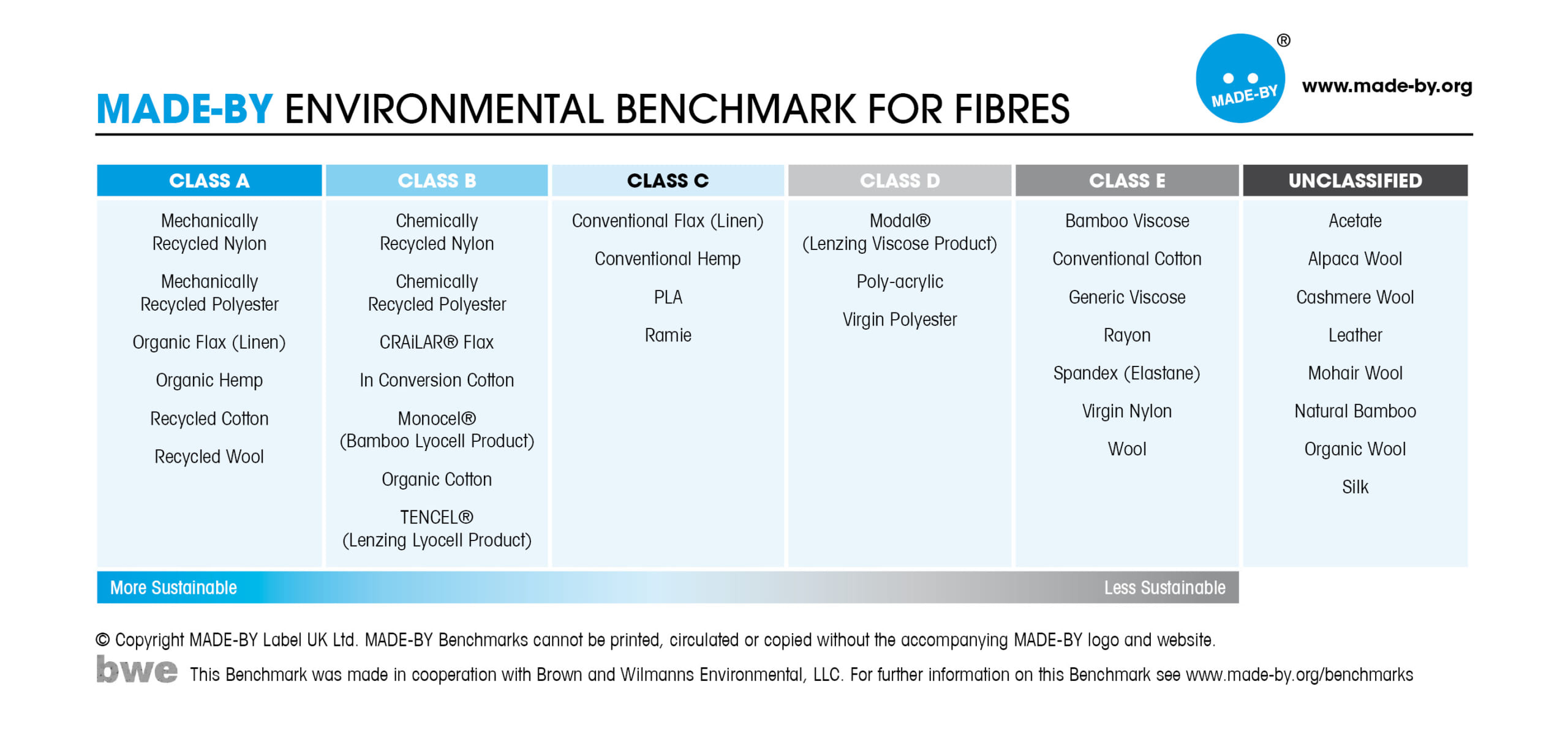
Hemp’s sustainability credentials are among the strongest of any commercially significant fiber crop — and they are rooted in the fundamental biology of the plant, not just marketing claims.
The Environmental Advantages
- Water efficiency: Hemp requires approximately 70% less water than conventional cotton to produce equivalent fiber yield. In most European growing regions, natural rainfall provides adequate irrigation—no supplemental watering required.
- No pesticides or herbicides: Hemp’s rapid growth and dense canopy completely shade out competing weeds within weeks of planting—eliminating the need for herbicides. Its natural pest resistance means insecticides are rarely if ever required. Cotton, by contrast, accounts for approximately 4% of global pesticide use despite occupying only 2.5% of arable land.
- Carbon negative: Hemp plants are highly efficient at photosynthetic carbon capture. A hemp crop sequesters approximately 1.63 tonnes of CO₂ per tonne of dry matter produced—making hemp cultivation carbon negative. Growing hemp for textile use actively removes carbon from the atmosphere.
- Soil improvement: Hemp’s deep root system prevents soil erosion, improves soil structure, and — through a documented phytoremediation effect — can extract heavy metals and other contaminants from polluted soil. Hemp is used as a remediation crop at contaminated industrial sites, including, famously, around the Chernobyl nuclear plant site.
- Higher fiber yield per acre: Hemp produces more usable fiber per hectare than cotton or flax, meaning less land is needed to produce equivalent fiber volumes — a meaningful advantage as global farmland faces competing pressures from food production and conservation.
- Biodegradability: Untreated hemp fabric decomposes fully through microbial action, returning to soil without persistent residues. In an era of growing microplastic pollution from synthetic fiber products, hemp’s complete biodegradability is a genuine environmental advantage.
The Honest Limitations: Where Hemp Falls Short
Hemp’s cultivation is environmentally excellent—but the full sustainability picture of hemp textiles requires an honest assessment of its processing chain, which remains a significant challenge:
- Chemical degumming: Converting raw hemp fiber into soft, spinnable yarn often requires chemical degumming — typically using caustic soda (sodium hydroxide) and sometimes sulfuric acid — to remove the natural pectin and lignin that give the fiber its structural character but also its roughness. Chemical degumming generates wastewater that must be properly managed. Enzyme-based and mechanical degumming alternatives are being developed but are not yet universally available at scale.
- Processing technology gap: Much of the world’s hemp fiber processing takes place in older Chinese facilities using equipment that is significantly less energy-efficient than modern European equivalents. A 2015 research study comparing Chinese hemp textile production with cotton found that while hemp cultivation had a substantially lower environmental impact than cotton growing, hemp textiles did not have an overall lower environmental impact than cotton textiles when the inefficiencies of Chinese processing were included. European hemp processing, using modern mechanical defibering with no chemical treatments, is significantly more sustainable.
- Initial coarseness: Raw hemp fiber is stiffer and coarser than cotton, requiring more processing to achieve equivalent softness for skin-contact applications. This processing adds cost and, depending on methods, environmental footprint.
- Legal complexity: Despite growing legalization, hemp cultivation and trade remain legally complex in some jurisdictions—creating supply chain uncertainty and compliance costs for manufacturers sourcing hemp fiber internationally.
The Path Forward: European Processing and Innovation
The good news is that the processing sustainability gap is being actively addressed. European hemp producers — particularly in France, the Netherlands, and Belgium — use high-performance mechanical defibering technology that processes hemp fiber without chemical inputs, producing fine, clean fiber with significantly lower environmental impact than conventional chemical processing. As European hemp processing capacity expands and mechanical processing technology becomes more widely adopted globally, hemp’s full lifecycle sustainability promise is increasingly achievable in practice, not just in theory.
How to Care for Hemp Fabric
- Machine wash with care: Hemp can be machine washed on a gentle or regular cycle at 30–40°C. Hot washing is unnecessary for most hemp products and increases shrinkage risk on non-pre-shrunk fabric.
- Expect initial shrinkage: Unwashed hemp fabric will shrink in the first one or two washes. Pre-wash new hemp products before precise fitting — or choose pre-washed (pre-shrunk) products.
- Dry flat or line dry: Hemp dries quickly and does not require tumble-drying for most products. Line drying or flat drying preserves fiber integrity and saves energy. Tumble drying on low heat is acceptable.
- Iron while damp for smooth results: Hemp irons most easily while slightly damp. Use a medium-to-high heat iron on the reverse side for the best results. If you prefer hemp’s natural relaxed-wrinkle aesthetic, ironing is optional.
- Embrace the softening journey: Hemp fabric becomes meaningfully softer with every wash cycle. A hemp shirt that feels slightly firm when new will feel noticeably softer after 10 washes—and increasingly supple over years of regular washing and wearing.
The Global Hemp Fiber Market
Hemp fiber production remains modest compared to cotton and polyester but is growing rapidly from its historically suppressed baseline. China is the world’s dominant producer of industrial hemp fiber, accounting for approximately a fifth of global output, with established spinning and weaving infrastructure concentrated in provinces including Heilongjiang, Yunnan, and Sichuan. France is the leading European producer, with Belgium, the Netherlands, and Romania also maintaining established hemp fiber industries.
The 2018 US Farm Bill’s legalization of industrial hemp has catalyzed significant investment in American hemp fiber production, processing infrastructure, and textile innovation — though the US hemp textile industry remains in early development relative to China and Europe. Canada—the world’s largest flaxseed producer and a country with significant agricultural capacity—is developing hemp fiber processing capabilities, though expertise in scutching, spinning, and weaving remains in early stages.
Market forecasters project strong growth for the global industrial hemp fiber market through 2030, driven by rising consumer demand for sustainable textiles, brand commitments to reducing synthetic fiber content, and the progressive lifting of remaining legal barriers to hemp cultivation and trade.
Conclusion: Hemp’s Time Has Come
Hemp fiber is not a trendy newcomer—it is one of the oldest and most proven fiber materials in human history, making a long-overdue return after a century of legally enforced absence from most of the world’s fiber supply. Its combination of extraordinary strength, breathability, natural antibacterial properties, UV protection, and biodegradability gives it a genuine performance profile that few competing fibers can match across all dimensions simultaneously.
Its environmental credentials — minimal water use, zero pesticide requirement, carbon negativity, soil improvement, and complete biodegradability — make it arguably the most sustainably grown major fiber crop available. The honest caveat is that processing sustainability varies significantly depending on method and location—European mechanical processing is genuinely excellent; conventional chemical processing in older Asian facilities is not. Choosing hemp textiles from transparent, responsibly processed supply chains is the key to capturing hemp’s full sustainability potential.
As processing technology improves, legal frameworks normalize, and consumer and brand demand for credible sustainable fiber grows, hemp is increasingly well-positioned to take its rightful place as a mainstream component of the global sustainable textile industry—not a niche curiosity, but a serious fiber for serious products that need to last, perform, and tread lightly on the planet.