Walk into any bedding department and you are confronted with a wall of duvets, pillows, and comforters filled with materials that sound both familiar and vague at the same time. Hollowfibre. Microfibre. Duck down. Hungarian goose down. 10.5 tog. 800 fill power. The terminology multiplies rapidly and the marketing claims can obscure rather than illuminate what you are actually buying.
This guide cuts through all of it. Whether you are a consumer choosing your next duvet, a hotel buyer specifying bedding for 200 rooms, or a manufacturer evaluating fill materials, this is the complete reference you need on every major fill type — what it is, how it works, what it is genuinely good for, and where its honest limitations lie.
Hollowfibre: The Workhorse of Modern Bedding
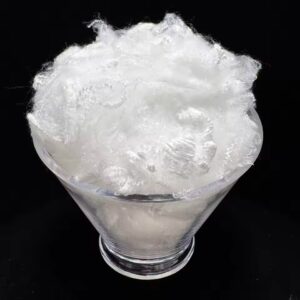
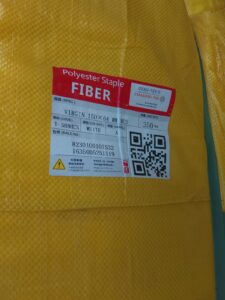
Hollowfibre (also written as hollow fiber or hollow fibre) is a synthetic polyester material whose individual filaments contain a continuous hollow air channel running through their length. This hollow core reduces weight while trapping insulating air — the same physical principle used by natural down, engineered into a man-made fiber.
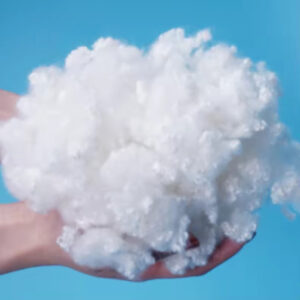
Hollowfibre filling is made from incredibly fine strands of polyester that are tangled together to create fibre padding, not unlike cotton wool. It is the best all-around duvet filling because it is lightweight, super-breathable and packable. It adds warmth without weight and thickness. It is naturally hypoallergenic.
The springy, resilient feel of hollowfibre comes from its conjugated crimp — a spiral, three-dimensional kink built into the fiber during manufacturing that makes it behave like a tiny spring, bouncing back to its original shape after compression. This is why hollowfibre pillows and duvets recover their loft after washing and why they feel full and puffy straight out of the dryer.
Hollowfibre’s defining practical advantages are its combination of breathability, washability, and affordability. Its open fiber structure allows air to circulate freely, making it suitable for both warm and cool sleepers. It can be washed at 60°C — high enough to kill dust mites and bacteria — and tumble dried at home without loss of loft or shape. And it is the most affordable synthetic fill on the market, making it the default choice for guest bedrooms, student accommodation, budget retail, and high-volume hospitality purchasing.
Its limitations are equally straightforward. Hollowfibre does not match the luxurious softness of microfibre or natural down. It wears out faster than natural fills — expect 2–5 years from a quality hollowfibre duvet versus a decade or more from premium down. And while it is warm and breathable, it does not achieve the warmth-to-weight efficiency of high fill power down at the premium end of the market.
Microfibre: The Down Alternative
Microfibre (microfiber) is also made from polyester, but its approach to insulation is completely different from hollowfibre. Instead of a hollow core, microfibre filaments are ultra-fine — typically 0.7 to 1.2 denier, which is finer than silk, finer than cotton, and roughly 60 times finer than a human hair. Originally developed as a hypoallergenic, affordable alternative to luxurious down duvets for use in the finest hotels, it is manufactured using a very fine denier of polyester fibre and a specific length engineered to create the precise dimensions of real down.
This extraordinary fineness creates two effects. First, the sheer number of filaments per unit volume is enormous — far more than in hollowfibre — creating a dense web of tiny air pockets that trap heat efficiently and give microfibre its superior warmth per unit weight. Second, ultra-fine filaments have a silky, smooth surface feel that is genuinely close to natural down in tactile quality. This is why microfibre is consistently described as the closest synthetic alternative to down.
Microfibre duvets offer a softer, silkier feel that mimics the luxury of down. They are plumper, warmer, and a great choice for anyone seeking a down alternative without sacrificing comfort.
The trade-off for microfibre’s superior warmth and softness is slightly reduced breathability compared to hollowfibre. Its denser fiber structure holds heat more effectively — excellent for cold sleepers, potentially warm for those who overheat at night. Microfibre also wicks moisture away from the body efficiently due to the capillary action of its ultra-fine filaments, helping keep sleepers drier than standard hollowfibre. It costs a little more than hollowfibre and lasts slightly longer — typically 4–5 years with proper care.
Down: Nature’s Gold Standard for Insulation
Down is not feathers. This distinction matters enormously for understanding what you are paying for. Down is the soft, three-dimensional undercoating found beneath the outer feathers of geese and ducks — pure, quill-free clusters of ultra-fine filaments radiating from a central point, like a tiny starburst. Down is the layer underneath the feathers of waterfowl like geese and ducks, where its main purpose is to keep the birds warm. Unlike regular feathers, which have long, poky quills in the middle, down is ultra-soft and fluffy with fibers that fan out in all directions.
Each cluster traps an enormous volume of still air relative to its weight. This is measured as fill power — the number of cubic inches one ounce of down fills under laboratory conditions. Higher fill power, like 800 or 900, traps more air and provides better warmth with less weight, making it a top choice for cold-weather outdoor gear. Fill power ranges from 300 FP (economy grade) to 900 FP and above (ultra-premium), and it is the primary quality indicator for any down product.
Goose down vs. duck down: The main difference between duck down and goose down is the size and fill power of clusters. Geese generally have warmer down clusters with higher fill power as compared to ducks, because geese are larger and their down clusters are generally bigger. In practice, goose down — particularly white Hungarian or Siberian goose down — is the specification for luxury bedding and premium outdoor gear. Duck down delivers excellent performance at lower cost for mid-market products.
Down’s performance advantages are genuine and significant. It is the warmest natural insulator available, it is extraordinarily lightweight and compressible, it breathes excellently, and with proper care it can last 15–20 years or more. These are real advantages that explain why premium down bedding commands premium prices and why five-star hotels still specify it for their most luxurious rooms.
Its disadvantages are equally real. Down collapses when wet and takes a long time to dry — the most common criticism of down insulation is its tendency to clump up and lose loft when it gets wet, thereby losing its insulation properties. It requires careful specialist washing, cannot simply be machine washed at high temperatures, and can trigger allergic reactions in sensitive individuals. And ethical sourcing is a genuine concern — the Responsible Down Standard (RDS) is the credible certification ensuring down is sourced only as a byproduct of the food industry, without live plucking.
Feather: Support, Not Warmth
Feather — the firm, quill-bearing outer covering of ducks and geese — is often confused with down, but serves an entirely different purpose in bedding. Where down provides warmth and loft, feather provides physical support and firmness. Ounce per ounce down is the most efficient insulator for bedding products. A comforter filled with feather would feel quite heavy and wouldn’t offer the same insulation as down.
Most commercial “down” bedding is actually a blend of down and feathers, expressed as a ratio: 70:30 (economy), 80:20 (standard), 90:10 (premium), or 95:5 (luxury). The first number is the percentage of down, the second is feather. A higher down percentage means a lighter, warmer, loftier product. A higher feather percentage means a firmer, heavier, more supportive product at lower cost.
Pure feather fill is used primarily in feather pillows — denser, moldable, and supportive in a way that down or synthetic pillows cannot replicate. The trade-off is weight, the occasional quill poke-through in lower-quality products, and a stronger animal smell if not thoroughly processed and cleaned.
The Complete Comparison
Factor | Hollowfibre | Microfibre | Goose Down | Duck Down | Feather |
Warmth | Good | Very good | Excellent | Very good | Poor |
Softness | Good (springy) | Excellent (silky) | Excellent | Excellent | Moderate |
Breathability | Excellent | Good | Very good | Very good | Moderate |
Moisture wicking | Good | Excellent | Moderate | Moderate | Poor |
Wet performance | Excellent | Very good | Poor | Poor | Poor |
Support / firmness | Low | Low | Low | Low | High |
Allergy-friendly | Yes | Yes | Needs treatment | Needs treatment | No |
Machine washable | Yes (60°C) | Yes (40–60°C) | No — specialist | No — specialist | Moderate |
Lifespan | 2–4 years | 4–5 years | 15–20+ years | 10–15 years | 5–10 years |
Ethical concerns | None | None | RDS certification | RDS certification | RDS certification |
Sustainable option | Recycled rPET | Recycled rPET | RDS certified | RDS certified | RDS certified |
Price | Lowest | Low–Moderate | High | Moderate | Low–Moderate |
Best use | General bedding, guest rooms, allergy sufferers, hot sleepers | Down alternative, cold sleepers, premium synthetic | Luxury bedding, cold climates | Mid-market bedding, outdoor | Supportive pillows, featherbeds |
How to Choose the Right Fill for Your Needs
You sleep hot: Hollowfibre is your best choice. Its open, springy structure and hollow air channels provide better airflow than microfibre’s dense web of fine fibers. Natural down is also breathable, but expensive and difficult to wash.
You have allergies: Either hollowfibre or microfibre. Both are genuinely hypoallergenic — no animal proteins, no feather quills, washable at temperatures that kill dust mites. Avoid feather entirely. Down treated to hypoallergenic standards can work for some allergy sufferers, but synthetic fills are the safer, easier option.
You want the best warmth without the weight: Premium goose down at 750+ fill power delivers the best warmth-to-weight ratio available. For a synthetic alternative, microfibre comes closest. Hollowfibre provides good warmth but needs higher fill weights to match the insulation efficiency of fine fills.
You want a down-like feel without the price or care complexity: Microfibre. Microfibre duvet filling is essentially manufactured to be the man-made equivalent to down, and while it can match its soft silkiness, it is not quite as breathable. It is the most realistic synthetic approximation of natural down in terms of softness, drape, and feel.
You want maximum support in a pillow: Feather or a high-feather-ratio (70:30 or 80:20) down-feather blend. The quill structure in feather provides physical firmness that down and synthetic fills cannot replicate.
Budget is the deciding factor: Hollowfibre offers the best value for money of any fill material. A good quality hollowfibre duvet properly cared for can last several years at a fraction of the cost of natural down.
You want the most sustainable option: Recycled hollowfibre or microfibre made from rPET (recycled plastic bottles) carries GRS (Global Recycled Standard) certification and keeps plastic out of landfill. For natural fills, RDS-certified down ensures ethical sourcing.
Frequently Asked Questions
Is hollow fiber the same as hollowfibre? Yes — hollowfibre (British spelling) and hollow fiber (American spelling) refer to the same material: a synthetic polyester fill with a hollow air core in each filament.
Is microfibre better than hollowfibre for duvets? It depends on your priorities. Microfibre is softer, warmer, and drapes better — better if you want a down-like feel. Hollowfibre is more breathable and more affordable — better if you sleep warm or are budget-conscious.
How long do synthetic duvets last compared to down? Hollowfibre duvets typically last 2–4 years, microfibre 4–5 years. A premium goose down duvet with proper care can last 15–20 years — significantly longer, but at a significantly higher purchase price.
Can hollowfibre and microfibre duvets be washed at home? Yes. Both synthetic fills are fully machine washable, typically at 40–60°C, and tumble dry on low heat. Natural down requires specialist care and cannot be washed at high temperatures.
What is fill power and why does it matter for down products? Fill power measures how many cubic inches one ounce of down fills. Higher fill power (e.g., 800 FP) means the down traps more air per ounce, so you need less of it to achieve the same warmth — resulting in a lighter product. It is the primary quality indicator for down bedding and outdoor gear.
Is down or hollowfibre better for the environment? Both have environmental trade-offs. Down is a natural, biodegradable material — but raising geese and ducks has its own environmental footprint. Hollowfibre is petroleum-derived and not biodegradable. However, recycled hollowfibre (rPET) made from post-consumer plastic bottles addresses this — it keeps plastic from landfill and reduces dependence on virgin petroleum feedstocks.
Related reading on VNPolyfiber: Hollow Conjugated Fiber HCS | Microfiber — Down-Like Fiber | Down, Microfiber Fill and Cluster Fiber Fill | Hollow Polyester Fiber vs Down and Feather