Standing in the bedding aisle—or scrolling through an online store—you have probably noticed that most affordable duvets and pillows come filled with either hollow fiber or microfiber. Both are synthetic. Both are hypoallergenic. Both are machine washable. Both are significantly cheaper than natural down. So what is actually the difference, and which one should you be sleeping under?
The answer depends on what kind of sleeper you are and what you want most from your bedding. This guide explains both fillings honestly so you can make a genuinely informed choice.
What Is Hollow Fiber?
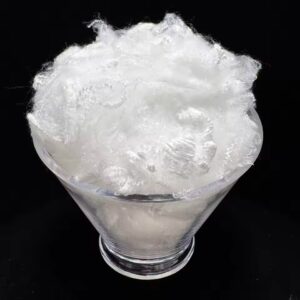
Hollow fiber gets its name from its structure. Each individual strand of synthetic polyester fiber has a hollow space — a tiny air channel — running through its center, like a microscopic drinking straw. Hollowfibre gets its name from the fine, hollow strand of polyester that it is made from. The hollow center traps air and helps to provide a lofty duvet filling. Hollowfibre bedding is very light, so you can get incredibly warm, high-tog bedding without having a thick duvet on your bed.
The hollow core does two things: it reduces weight while retaining warmth, and it creates natural breathability because air can move through the structure of the fill. The fibers are also crimped into a springy, bouncy shape—which is why hollowfiber duvets feel puffy and lofty straight out of the packaging and why they spring back into shape after you roll over in the night.
Hollowfiber filling is made from incredibly fine strands of polyester that are tangled together to create fiber padding, like cotton wool. This is the best all-around duvet filling because it’s lightweight, super-breathable and packable. It adds warmth without weight and thickness.
What Is Microfiber?
Microfiber is also made from polyester but works very differently. Instead of a hollow core, microfiber filaments are extremely fine—finer than a human hair, finer than silk—and packed very densely together. Microfiber is made up of fine fibers, which are tightly woven together, allowing no space between them.
This dense packing creates two things: exceptional softness, because ultra-fine fibers have a silky, almost buttery texture against the skin; and excellent warmth retention, because the tightly packed fibers trap heat very effectively. This is also why microfiber duvets can feel slightly warmer and heavier than hollowfiber duvets of the same tog rating—there is simply more material per square meter.
Microfiber duvet filling is made from fine polyester, with threads that are thinner than hair. It is essentially manufactured to be the man-made equivalent to down, and while it can match its soft silkiness, it is not quite as breathable.
The Key Differences Between Hollow Fiber and Microfibre
Feel and Softness
This is where microfiber wins clearly. Microfiber duvets tend to be softer and give more of a down type of feel, whereas hollow fiber duvets are more springy and hold their shape. If you want bedding that feels genuinely luxurious and drapes softly around your body, microfiber delivers a noticeably superior hand feel. Hollow fiber feels more bouncy and structured—not unpleasant, but more obviously synthetic.
Warmth
Both fillings are warm, but they achieve warmth differently. Hollow fiber traps air in its hollow core and between fibers, providing good insulation while remaining breathable. Microfiber traps heat through dense fiber packing, which means it can feel warmer—but also more airless. Microfiber is warmer and better for winter.
If you tend to sleep hot or live in a warm climate, hollow fiber’s better breathability makes it the more comfortable choice year-round.
Breathability
Hollow fiber and microfiber come very close in breathability. Hollowfiber is the best all-around filling; microfiber is the best filling for loftiness. In practice, hollow fiber allows slightly more air circulation—its open, springy structure does not trap moisture as readily. Microfibers also wick moisture from the body, keeping you drier at night—we tend to get a little sweatier at night under a synthetic duvet compared to down or feather. So microfiber actively wicks sweat away, but its denser structure can feel slightly warmer and stuffier in hot weather compared to hollow fiber.
Allergies
Good news: both fillings are hypoallergenic. Both options are hypoallergenic, machine washable, and budget-friendly. Neither contains animal proteins, feather quills, or organic material that can trigger allergic reactions. Both can be washed at high temperatures that kill dust mites. If you suffer from allergies to feathers, down, or dust mites, either filling is a safe choice—hollow fiber and microfiber are both genuinely suitable for allergy sufferers.
Price
Hollow fiber is generally the cheaper option. You can get hollowfiber duvets for just £8.49, so if you’re looking for a duvet for an occasional guest bed or student accommodation, it still offers incredible value for money. Microfiber carries a slight price premium—not dramatic, but consistently a little more expensive—reflecting its more sophisticated manufacturing process and superior softness.
Lifespan
Due to the simple synthetic makeup of hollow fiber, the lifespan of this bedding is relatively small. You can expect a hollow fiber duvet to last a few years. You can expect a microfiber duvet to last up to five years. Neither will outlast a well-cared-for natural down duvet, which can last a decade or more. But synthetic duvets are affordable enough that replacing them every few years is not a financial burden for most people.
Drape and Appearance on the Bed
Microfiber duvets are better than hollow fiber duvets—they are less sweaty, and they drape better over the bed. If you care about how your bed looks—the way the duvet hangs and flows over the sides—microfiber produces a more elegant, natural-looking result. Hollow fiber, with its springier structure, tends to look puffier and sit higher on the bed.
Side by Side: Hollow Fiber vs. Microfibre
Factor | Hollow fiber | Microfibre |
Softness | Good — springy and bouncy | Excellent — silky, down-like |
Warmth | Very good | Excellent — better for cold sleepers |
Breathability | Better | Slightly less breathable |
Moisture wicking | Good | Excellent |
Allergy-friendly | Yes | Yes |
Machine washable | Yes (up to 60°C) | Yes |
Drape on the bed. | Puffier, structured | Softer, more natural drape |
Lifespan | 2–4 years | 4–5 years |
Price | Lower | Slightly higher |
Best for | Hot sleepers, budget shoppers, guest rooms | Cold sleepers, those wanting a down-like feel |
Which Should You Choose?
Choose hollow fiber if:
- You sleep hot or tend to overheat at night
- You want the most affordable option without sacrificing too much quality
- You are buying for a guest bedroom or student accommodation
- You prefer a light, airy duvet that does not feel heavy
Choose microfiber if:
- You want the closest synthetic alternative to natural down
- You sleep cold and want maximum warmth from your duvet
- Softness and drape matter to you as much as warmth
- You are willing to spend a little more for a noticeably superior feel
The honest bottom line: Hollowfibre duvets are lightweight, breathable, and excellent for trapping heat, making them ideal for allergy sufferers and those looking for easy-care bedding. Microfiber duvets offer a softer, silkier feel that mimics the luxury of down. Both options are hypoallergenic, machine washable, and budget-friendly — it all comes down to whether you prefer lightweight breathability or plush softness.
If budget is the deciding factor, hollow fiber is the sensible choice. If you can stretch slightly and want bedding that genuinely surprises you with how good a synthetic duvet can feel, microfiber is worth the extra spend.
Frequently Asked Questions
Is hollowfiber or microfiber better for allergies? Both are equally good for allergy sufferers. Neither contains feathers, down, or animal proteins. Both can be washed at 60°C, which kills dust mites effectively. If allergies are your main concern, either filling will serve you well.
Can you wash hollow fiber and microfiber duvets at home? Yes—this is one of the main advantages of both synthetic fills over natural down. Most hollow fiber and microfiber duvets are machine washable at 40–60°C and tumble dry on low heat. Always check the care label on your specific product.
Which is warmer—hollowfiber or microfiber? Microfiber is generally warmer because its tightly packed fine fibers trap heat more effectively. For the same tog rating, a microfiber duvet will typically feel slightly warmer than a hollow fiber one.
How long do hollow fiber and microfiber duvets last? A hollow fiber duvet typically lasts 2–4 years with proper care. A microfiber duvet tends to last slightly longer—around 4–5 years. Both are significantly shorter-lived than natural down but are also significantly less expensive to replace.
Is “microfibre” the same as “microfiber”? Yes—microfibre (British English) and microfiber (American English) refer to the same material. Both spellings describe ultra-fine synthetic polyester fibers used as duvet and pillow fill.
Which is better for hot sleepers? Hollow fiber. Its open, springy structure and hollow air channels allow better airflow and breathability, making it less likely to trap excessive heat. Microfiber’s denser construction holds heat more effectively, which is great for cold sleepers but can feel stuffy for those who run warm.