What is Air Through Bonding Nonwoven?
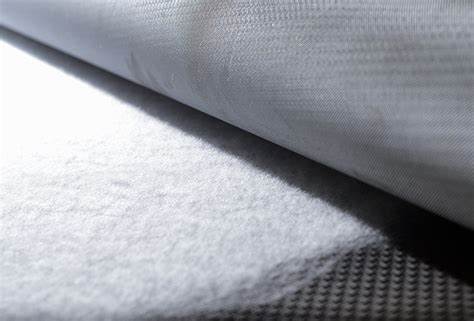
Air-through bonding nonwoven fabrics are a type of nonwoven fabric created through a thermal bonding process where hot air is used to bond the fibers together. This method is known for producing soft, bulky, and breathable fabrics, making it ideal for applications that require comfort and air permeability. Here’s an in-depth look at air-through bond nonwoven fabrics:
Components and Process
- Fiber Selection:
- Thermoplastic Fibers: Typically, polyester, polypropylene, or bicomponent fibers (fibers with a core of one polymer and a sheath of another polymer with a lower melting point) are used.
- Blending: Different fibers can be blended to achieve specific properties such as softness, strength, and thermal resistance.
- Web Formation:
- Carding: Fibers are opened, aligned, and layered into a web using carding machines.
- Air Laying: Fibers are dispersed in an air stream and deposited onto a moving conveyor belt to form a uniform web.
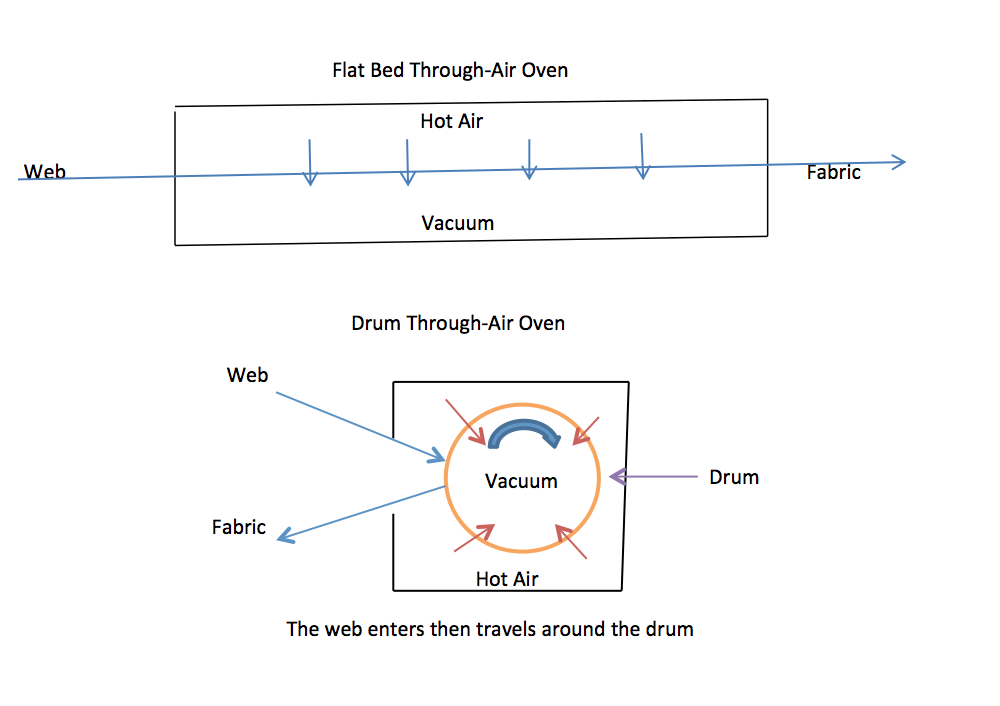
- Air-Through Bonding:
- Heat Application: The fiber web is passed through an oven or heated chamber where hot air is blown through the web. The temperature of the air is carefully controlled to melt the low melting point fibers (typically the sheath in bicomponent fibers) without affecting the higher melting point fibers (typically the core in bicomponent fibers).
- Cooling: As the web cools, the melted fibers solidify, bonding the fibers together at their contact points.
- Finishing:
- Cooling and Stabilization: The bonded web is cooled to stabilize the bonds and solidify the fabric structure.
- Additional Treatments: The fabric may undergo further processing like embossing, laminating, or chemical finishing to enhance specific properties.
Characteristics of Air-Through Bond Nonwovens
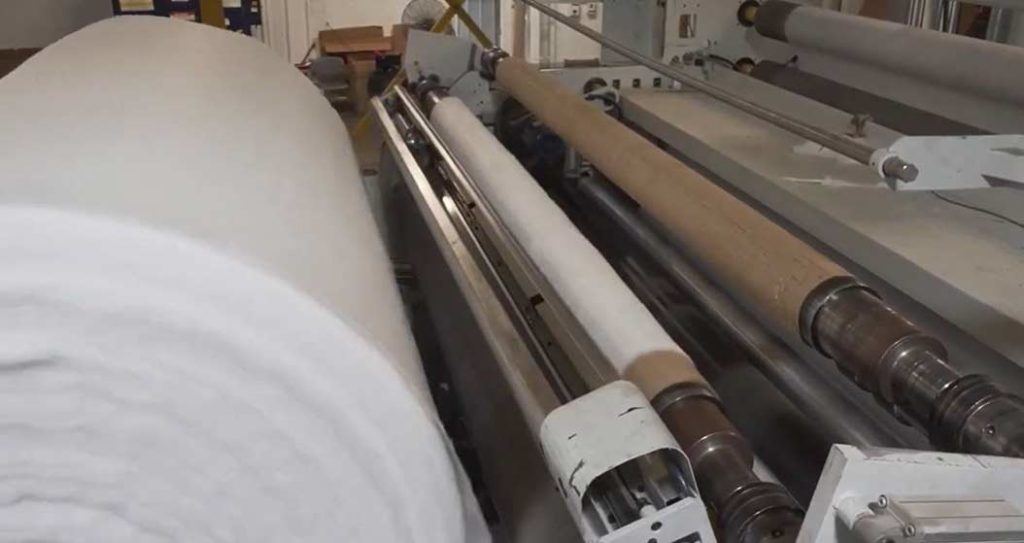
- Softness and Bulkiness: The air-through bonding process produces fabrics that are soft, bulky, and cushiony.
- Breathability: The open structure of the fabric allows for excellent air and moisture permeability.
- Uniformity: The process ensures a uniform fabric structure with consistent properties.
- Lightweight: The resulting fabric is lightweight, making it ideal for applications where weight is a concern.
- Recyclability: Depending on the fibers used, air-through bond nonwovens can be recyclable.
Applications
- Hygiene Products:
- Diapers: Used in the top sheet and acquisition layer for their softness, bulkiness, and breathability.
- Sanitary Napkins: Provides comfort and absorbency in the top sheet and core.
- Medical Products:
- Disposable Medical Gowns and Drapes: Offers comfort and breathability for single-use medical garments.
- Surgical Masks: Used as the inner layer for its softness and breathability.
- Consumer Goods:
- Disposable Wipes: Used for baby wipes, facial wipes, and cleaning wipes due to their softness and absorbency.
- Home Textiles: Used in products like mattress covers, pillowcases, and furniture linings for their comfort and durability.
- Filtration:
- Air Filters: Used in HVAC systems and other air filtration applications for their breathability and filtration efficiency.
- Liquid Filters: Used in various liquid filtration systems where lightweight and breathable materials are needed.
- Automotive:
- Interior Linings: Used in car interiors for their softness and cushioning properties.
- Insulation: Provides thermal and acoustic insulation in vehicles.
- Agriculture:
- Crop Covers: Protects crops from environmental elements while allowing air and moisture to pass through.
- Hygiene & Personal Care: Premium diaper top sheets (for extra softness), acquisition distribution layers (ADL), feminine hygiene pads, adult incontinence product layers
- Filtration & Air Quality: N95/KN95 mask stiffening/support layers, HVAC pre-filters, coarse dust filtration media, air conditioning filters
- Apparel & Insulation: Thermal wadding for jackets (insulation), winter clothing linings, sleeping bag fillers, glove insulation
- Medical & Household: Disposable wipes, absorbent medical pads, makeup removal pads, acoustic insulation materials
Advantages of Air-Through Bond Nonwovens
- Softness and Comfort: The fabric is soft and comfortable, making it ideal for personal care and medical applications.
- Breathability: Excellent air and moisture permeability make it suitable for hygiene and filtration applications.
- Uniform Structure: Ensures consistent performance and quality.
- Lightweight and Bulky: Combines bulkiness for cushioning with a lightweight structure.
- Recyclability: Depending on the fibers used, it can be an environmentally friendly option.
Disadvantages of Air-Through Bond Nonwovens
- Lower Strength: Compared to other nonwoven bonding methods like spunbond or needle punch, air-through bond nonwovens may have lower tensile strength.
- Cost: The production process can be more expensive compared to other nonwoven processes due to the need for precise temperature control and specialized equipment.
- Heat Sensitivity: The fabric may not perform well in high-temperature applications due to the thermoplastic nature of the fibers.
Key Considerations
- Fiber Selection: The choice of fibers, especially the use of bicomponent fibers, is crucial for achieving the desired softness, strength, and thermal properties.
- Bonding Process: The air-through bonding process must be carefully controlled to ensure proper melting and bonding of fibers.
- End-Use Requirements: The specific needs of the application will dictate the selection of fibers, bonding methods, and any additional finishing processes.
Air-through bond nonwoven fabrics are known for their softness, breathability, and bulkiness, making them suitable for a wide range of applications, particularly in the hygiene, medical, consumer goods, filtration, automotive, and agricultural sectors. Their unique properties and versatile production process make them a valuable material in various industries.