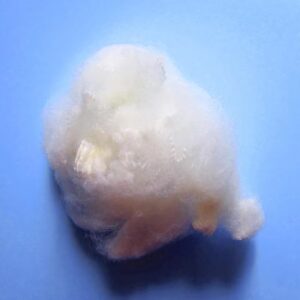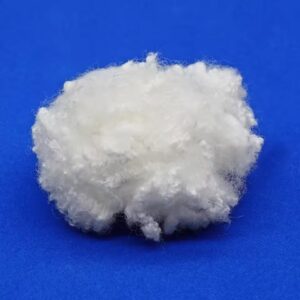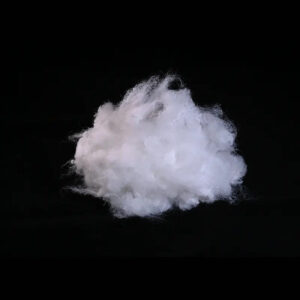
What is PLA? What is polylactic acid?
PLA (polylactic acid) is a recyclable and excellent biodegradable new polymer material that is extracted from natural plants, such as sugarcane, cassava, corn and so on. We would like to represent our partner, who is the only enterprise that employs the melt direct spinning method to produce PLA fiber. Our featured nonwoven products, made of PLA bi-component staple fiber, can provide unique comfort and a close experience to nature. CTEXIC and Changjiang Biological Co., Ltd. We are brother units under HI-TECH Group, working hand in hand to provide green products and innovative ideas to the market.
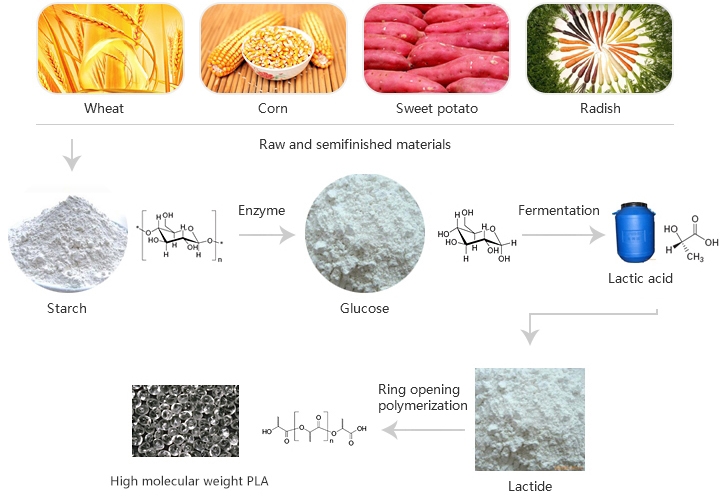
PLA (Poly Lactic Acid) is a renewable and 100% biodegradable new polymer material, which is extracted from natural plants, such as sugarcane, cassava, corn and so on. Sugar is extracted from starch plants and transferred into lactic acid after microbial fermentation. Through the process of polymerizing lactic acid, PLA comes into being.
PLA is mainly used to produce fiber, film, plastic, etc. because of its excellent biocompatibility, breathability, anti-UV comfort, and insulation properties. It is used to produce textile garments, upholstery fabrics, and personal care products.
Compared with other biodegradable natural fibers, PLA fiber is melt-processable, and it shares many similarities with some synthetic fibers. For example, PLA fiber has good resilience, a smooth surface and good mechanical properties.
PLA is becoming a potential replacement for petroleum-based polymers because of its 100% biodegradability and bio-based properties. Especially after the Copenhagen meeting, PLA, as a low-carbon-emission product, draws international attention. Therefore, PLA fiber is honored as “21st Century Green Fiber.”
What is PLA fiber?
Polylactic acid (PLA) is an environmentally friendly, plant-derived thermoplastic. The fiber-forming substance is a lactic acid polymer in which at least 85% of its weight is lactic acid ester units derived from naturally occurring sugars (sugar beets and corn). Bico PLA with a sheath/core structure has the property of a low melting point of 130°C (sheath) and a core melting point of 160°C.
PLA is fully biodegradable and biocompatible, and it is also a thermal-bond fiber used for hygiene and medical products.
The fiber is also useful as an eco- and people-friendly alternative to existing textile fibers for industrial and consumer apparel applications such as outdoor furniture, automotive interior fabrics, activewear, shoe linings, and disposable products like diapers and wipes, either at 100% or in blends with natural fibers such as cotton
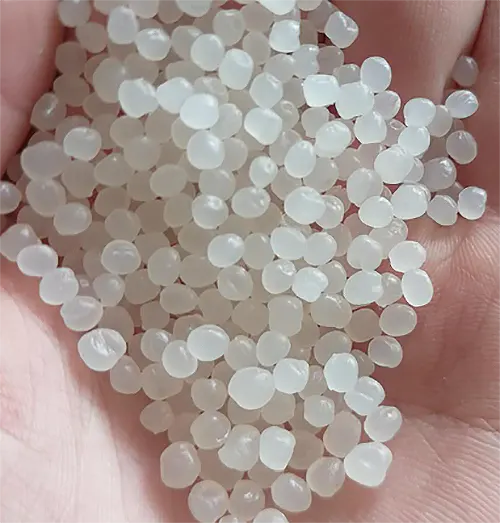
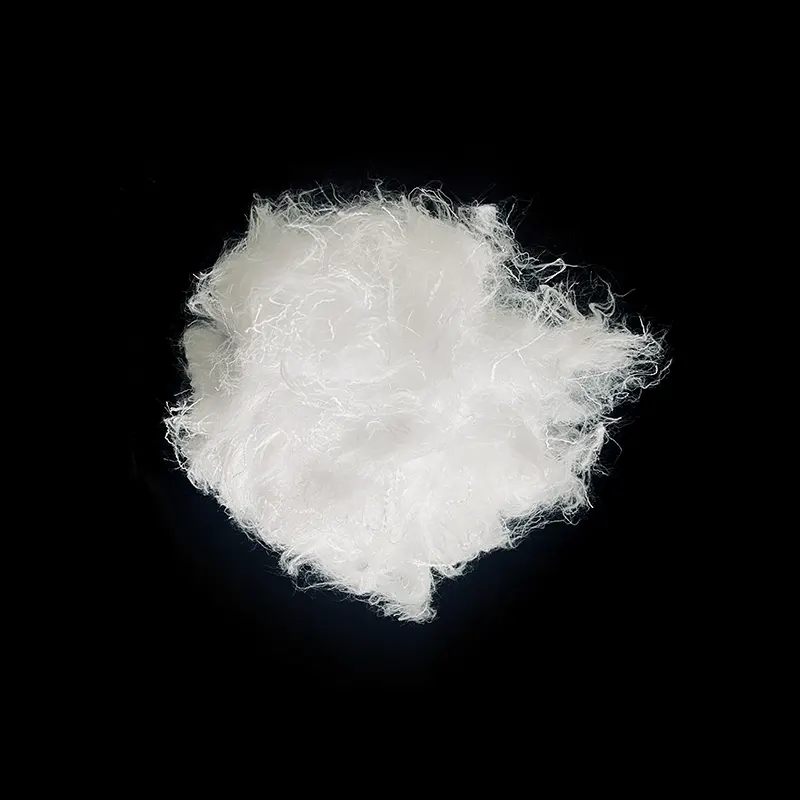
Under some circumstances, polylactic acid (PLA), a polymer derived from renewable basic resources like corn or sugar cane, is biodegradable. PLA is one of the most popular biopolymers because of the ongoing advancements in production techniques and characteristics. It is a member of the polyester group, and, because of its many advantageous qualities, it has many uses. PLA’s biodegradability under industrial composting settings sets it apart from other synthetic polymers and has highlighted certain uses for PLA fibers. Moreover, polylactic acid fibers exhibit mechanical qualities similar to those of synthetic fibers derived from fossil fuels, as well as minimal flammability and excellent UV stability.
Benefits of PLA fiber
- produced from sustainable raw materials
- Biodegradable
- Excellent UV stability
Drawbacks of PLA fiber
- Low temperature of heat deflection
- Compared to aromatic polyesters, lower alkali/hydrolysis stability
- Low stability at low temperatures
Production process of PLA fiber
Carbohydrates from plants like maize or sugarcane are the fundamental ingredient used to make PLA. Fermentation breaks them down into lactic acid. Anionic, tin-catalyzed ring-opening polymerization is used in the ensuing polymerization reaction to link the cyclic diesters of the lactic acid (lactide) to generate the required polymer chains. Lactides can exist in several forms, referred to as isomers. The proportion of the two isomers, L-lactide and D-lactide, greatly influences properties such as the melting point and crystallinity.
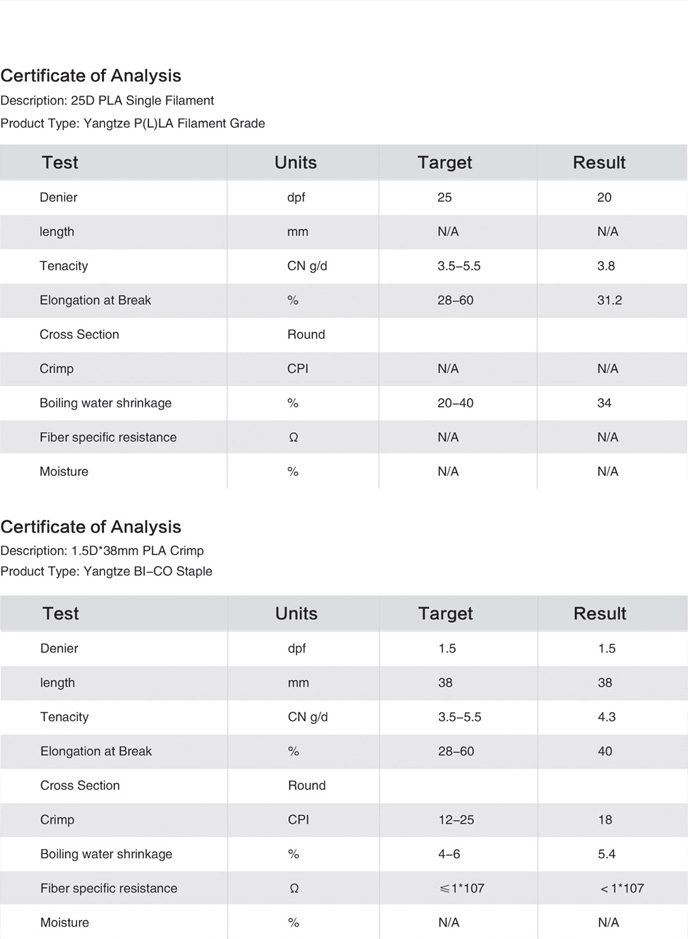
Product Technical Specifications
Standard TDS of den 38 mm Standard Bicomponent PLA/PLA Fiber
| Characteristic | Unit | Min | Max | Test Method | Remark |
| Linear Density | dtex | 2.2 | 2.46 | GB/T14335-2008 | |
| Cut length | mm | 37 | 39 | GB/T14336-2008 | |
| Tenacity at peak | cn/dtex | 3.0 | 3.8 | GB/T6504-2017 | |
| Elongation at peak | % | 40 | 60 | GB/T14337-2008 | |
| Crimp n. | n./inch | 12 | 15 | GB/T14328-2008 | Adjustable |
| Spin finish | % | 0.4 | 0.5 | GB/T6504-2017 | Adjustable |
Moisture: ≤1%, Hot Air Shrinkage: ≤5% @ 130°C
Standard TDS of 1.4 den, 38mm Standard Solid Regular PLA Fiber
| Characteristic | Unit | Min | Max | Test Method | Remark |
| Linear Density | dtex | 1.55 | 1.87 | GB/T14335-2008 | |
| Cut length | mm | 37 | 39 | GB/T14336-2008 | |
| Tenacity at peak | cn/dtex | 3.0 | 4.0 | GB/T6504-2017 | |
| Elongation at peak | % | 40 | 60 | GB/T14337-2008 | |
| Crimp n. | n./inch | 12 | 15 | GB/T14328-2008 | Adjustable |
| Spin finish | % | 0.4 | 0.5 | GB/T6504-2017 | Adjustable |
Moisture: ≤1%, Hot Air Shrinkage: ≤5% @ 130°C
Below the specification details:
Fiber denier: ~2dn ~ 4dn,
Main cut length: 38mm or 51mm,
Luster: raw white/fully dull,
Spin finish: standard finish
Features of PLA Fiber
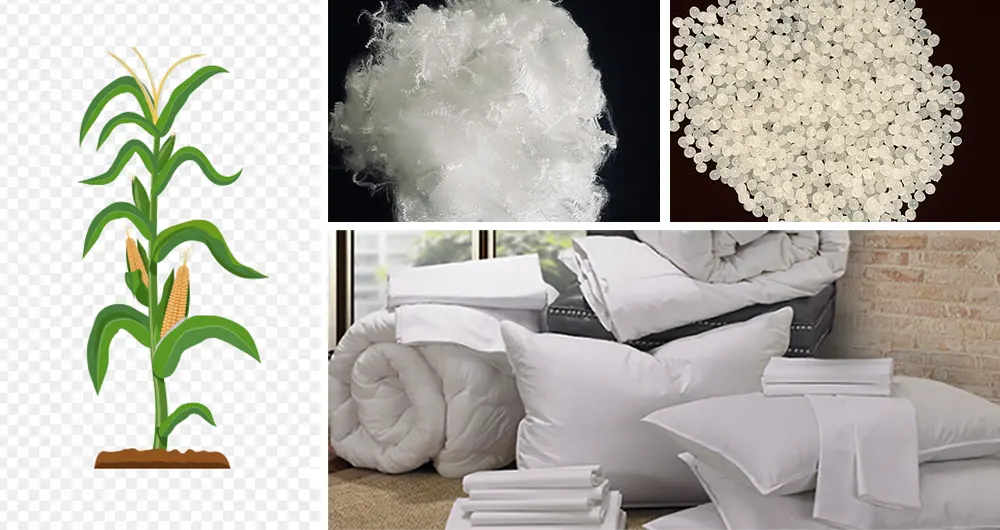
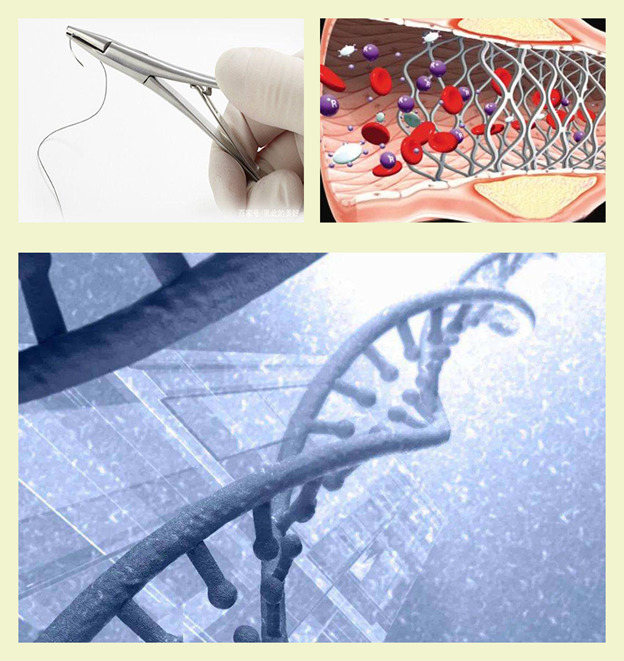
1. Non-toxic: PLA fiber is green and comes from the starch of non-staple crops, such as corn; it is also called “corn fiber.” It is naturally biocompatible and antibacterial. PLA fiber can decompose easily inside the human body, and the decomposition products are confirmed to be highly safe for human beings. Surgical products, such as heart stents and surgical sewing threads made of PLA fiber, have been approved by the FDA and have come on the market.
2. Eco-friendly: Nowadays, plastic pollution is a big threat to the Earth. More and more countries issued laws preventing the usage of non-degradable plastics. Large quantities of the wasted facial masks and medical protective clothing caused by the COVID-19 epidemic increased the heavy burden on the environment. PLA fiber, which is fully biodegradable and compostable, becomes one of the few excellent substitute fiber materials
Applications of PLA Fiber (Polylactic Acid Fibers)
- Hygienic and disposable materials
- Textiles and apparel
- Composite materials (jube fiber and kenaf fiber)
- Cigarette filter
- PLA-modified materials
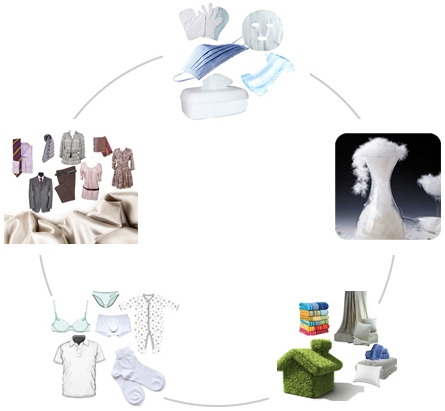
PLA is fully biodegradable and biocompatible, which makes this fiber attractive for medical applications like wound dressing. The fiber is also useful as an eco- and people-friendly alternative to existing textile fibers for industrial and consumer apparel applications.
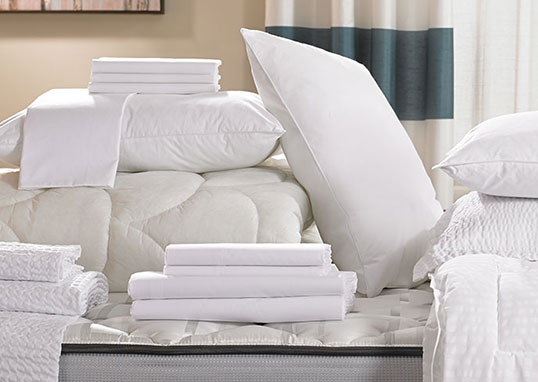
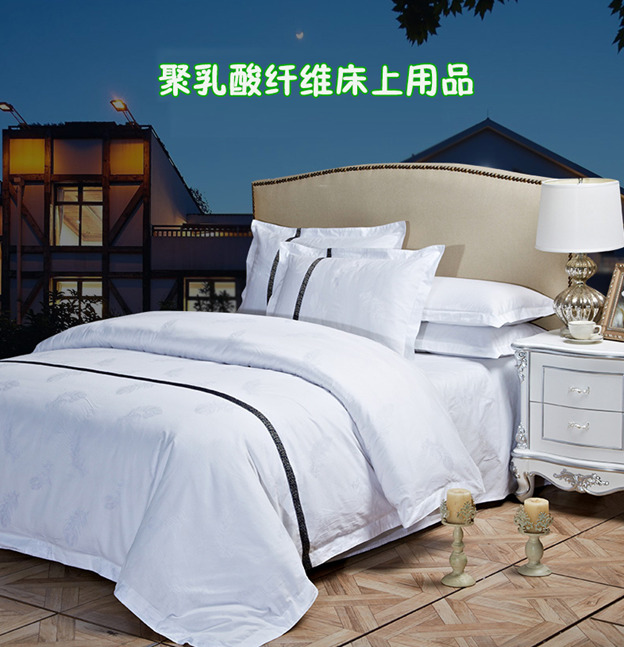
PLA fabric is suitable for bedding, which is effective against bacteria, skin-friendly and harmless.
Major applications for PLA fibers and non-wovens include clothing and furnishings such as drapes, upholstery, and covers. Some exciting potential applications include household and industrial wipes, diapers, feminine hygiene products, disposable garments, and UV-resistant fabrics for exterior use (awnings, ground cover, etc.), among others.
- Denier: 4.5 D | 6.0 D | 9.0 D | 15 D
- Conventional color: Raw white | green | blue.
- PLA fiber are more hydrophilic than PET
- Low flammability and smoke generation characteristics.
- 100% biodegradable and compostable. PLA fiber is made from PLA (polylactic acid); also, PLA is made from corn. The fiber products look and feel just like regular fiber, but they are 100% biodegradable and compostable. Corn is a renewable resource, which makes corn fiber much more sustainable than regular fiber. Did you know that regular fiber is made from petroleum? PLA fiber is, however, biologically degradable when subjected to the right conditions. It is therefore very well suited for waste treatment through composting. It will also improve the compost quality by increasing the C/N ratio in organic waste. Lactic acid is made from natural sugars, which are made from CO₂ in plants, so it is “CO₂-neutral” and renewable.
PLA fiber uses natural and renewable plant resources as raw materials, which reduces the dependence on traditional petroleum resources and meets the requirements of sustainable development in the international community. It offers the advantages of both synthetic fibers and natural fibers and, at the same time, has complete natural circulation and biodegradation. Compared to regular fiber materials, PLA fiber has many great qualities, like being easy to drape, comfortable to wear, feeling nice to the touch, bouncing back well, and being durable, which makes it suitable for use in clothing, home goods, decorations, non-woven fabrics, medical applications, health protection, and more.
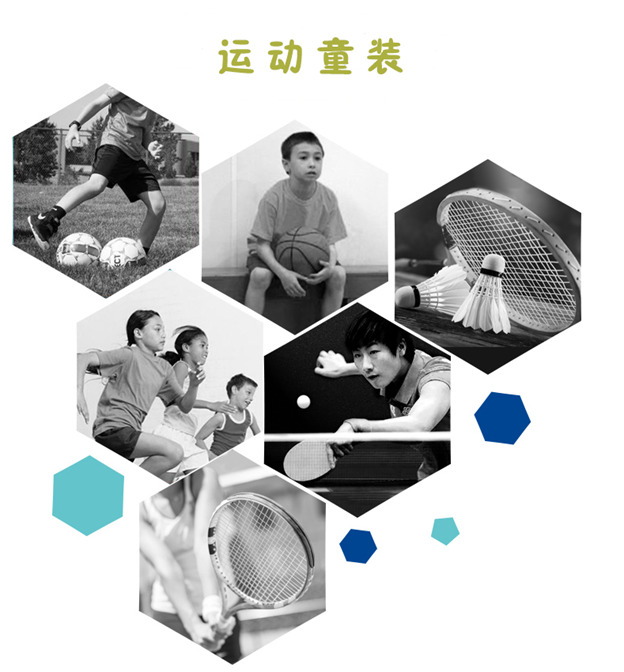
Clothing fabrics
PLA fiber has excellent shape retention. When blended with cotton, it has properties similar to polyester-cotton blended fabrics. It has excellent gloss but does not produce metallic glare. Good hand feeling; when it is blended with wool, it has good shape stability, crease resistance and brightness; so it is suitable for dynamic clothing, children’s clothing, underwear, sweatshirts, etc.



Home textiles
PLA fiber has the characteristics of a cashmere-like feel, a silk-like soft luster, the warmth retention of wool, and the moisture absorption and moisture conductivity of cotton fiber. Its application in bedding (interweaving/blending) can fully utilize its advantages of good skin affinity, non-irritating properties, and non-allergic effects, while overcoming the shortcomings of polyester-cotton/wool-polyester fabrics and being superior to cotton/wool fabrics. Excellent dimensional stability and skin-friendliness; easy to wash, dry and care for.
Industrial textiles
Automotive interior

Medical supplies
Another characteristic of PLA fiber is its excellent biocompatibility. In this respect, it offers some advantages that are incomparable to those of traditional medical devices. For example, in the past, stainless steel bone nails were used in the treatment of fractures and other orthopedic diseases, and the patient had to undergo a second operation to be cured; however, the use of polylactic acid bone nails only requires one surgical implantation. To a significant extent, it alleviates the suffering of patients. In addition, PLA fibers have been successfully applied in some specific fields, such as the production of disposable infusion sets, non-removable surgical sutures, orthopedic fixtures and surgical devices, medical stents, biological catheters, etc. The pressure of medical waste on the environment.
Protective Equipment
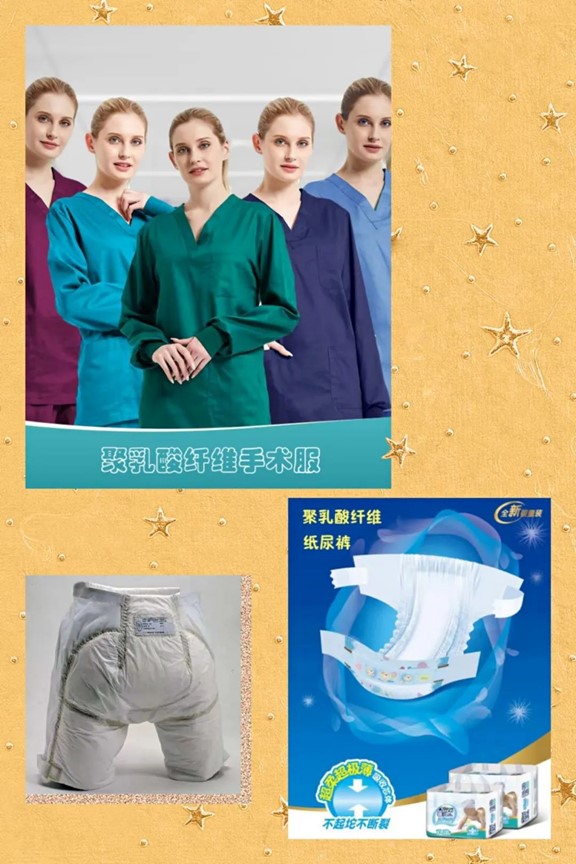
PLA is a thermoplastic polymer with excellent toughness, outstanding biocompatibility, and skin-friendly and breathable advantages. It can be used to make products such as sanitary napkins, panty liners, diapers, medical gauze, bandages, bed sheets, high-grade antibacterial wipes, etc.
Daily necessities
At present, there are mainly two kinds of cigarette filter materials used in the market: one is cellulose diacetate fiber, and the other is polypropylene fiber. Compared with these two traditional materials, the cigarette filter made of PLA fiber not only has a wide range of sources but also is biodegradable, and its polar molecular structure determines its ability to absorb and remove harmful components in smoke. Therefore, the use of PLA fiber filters will bring about major changes to the cigarette filter industry. In addition, masks are another key application field of PLA fiber.
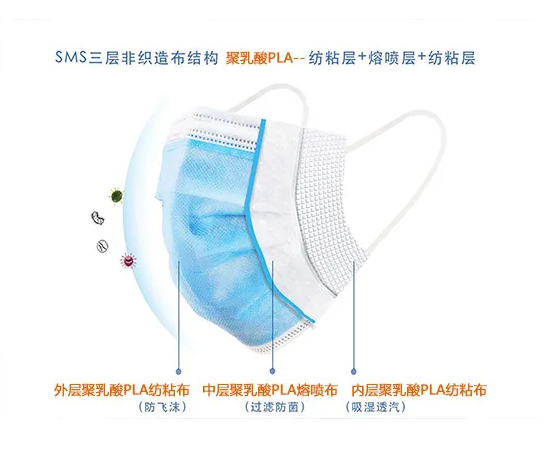
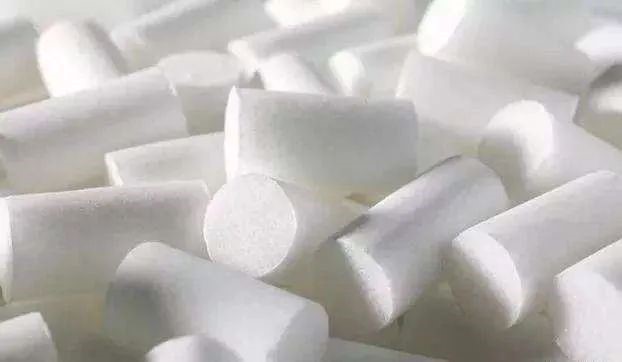
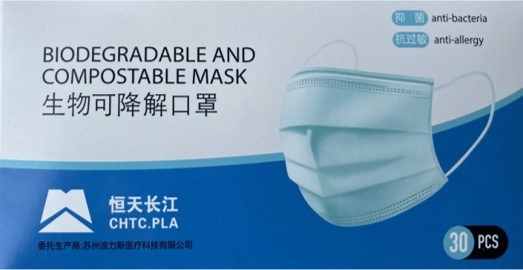
Features of PLA Facial Mask:
1. All components (from BM nonwoven fabric to mask accessories) are made of PLA material and can break down into CO₂ and H₂O, thus being fully biodegradable.
2. Naturally antibacterial, always keeping fresh breath.
3. Naturally slightly acidic, similar to human skin, with no skin allergy after long-time wear.
4. The PLA mask is stiff and smooth; you can speak freely when wearing it.
Filter efficiency is higher than 95% under the condition of 85 g/l flow.
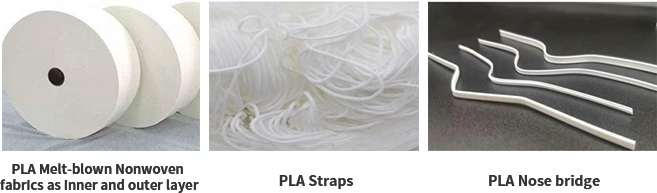
Packing: individually packed per piece, 30 pcs per box, 40 boxes per case.

PLA Foaming Materials

The company has created a method to continuously make and shape high-temperature-resistant PLA products, which has been certified by national science authorities and meets advanced international standards. The company now has a production capacity of 2000 t/y of PLY foaming sheet and 1000 t/y of thermoforming PLA-forming products. More than 20 new products are developed and produced and are widely used in the fields of food and beverage, packaging, construction, automobiles, etc.
Specification of PLA foam sheet:
Foaming rate: 5–25 times. Thickness: ~1 ~1–5 mm. Width: 1040 mm. Color can be customized.
Product features:
Compared with ordinary PLA thermoforming products, PLA foam products are light, heat-resisting and shockproof.
Compared with pulp products, it is water- and oil-resistant and can be used for refrigerated packaging.
The product can be used in a wide temperature range from -20 ℃ to 130 ℃.
Certification:
DIN CERTCO certification based on the EU EN13432 standard.
BPI certification based on ASTM 6400.
The product has successfully passed the food contact safety test as required by the FDA and LFGB.
The production management passed BRC certification.
Is PLA fiber pricier than PET fiber?
The price of PLA fiber and PET fiber may vary depending on the quality, source, and supplier of the materials. However, based on some online sources, PLA fiber tends to be slightly pricier than PET fiber, as it is produced from renewable resources and has higher processing costs. PLA fiber also has lower availability and demand compared to PET fiber, which is widely used for various applications. The average price of PLA fiber is 25% pricier than PET fiber. However, these prices may change over time due to market fluctuations, environmental factors, and technological developments.
How to recycle PLA fiber
There are different ways to recycle PLA fiber, depending on the availability of facilities and equipment. Here are some possible methods:
- PLA composting: PLA is a biodegradable material, which means it can be broken down by microorganisms over time. You can compost PLA filaments on your own, but it may take several months or years, depending on the temperature, humidity, and oxygen levels. You can accelerate the process by shredding the filaments into smaller pieces and adding them to a compost bin with other organic materials.
- Filament re-extrusion: You can also reuse PLA filaments by melting and extruding them into new filaments. This requires a filament extruder, which is a device that can heat, mix, and shape plastic materials into thin strands. Filament re-extrusion involves two steps: first, shredding the PLA filaments into small pieces using a blender or a meat grinder. Second, feeding the pieces into the filament extruder and adjusting the temperature and speed settings to produce new filaments. You can also add colorants or additives to modify the properties of the recycled filaments.
- Optimize 3D printing settings: Another way to reduce PLA waste is to optimize your 3D printing settings to minimize the amount of material used and the number of failed prints. You can do so by adjusting the infill density, layer height, print speed, and support structures of your 3D models. You can also use software tools to slice, repair, and optimise your 3D models before printing them
These are some of the methods used to recycle PLA fiber. Check your area’s bioplastic recycling rules, as they vary by country or region. Recycling PLA fiber can help reduce the environmental impact of 3D printing and promote a circular economy.
Read more: https://vnpolyfiber.com/what-is-pla-fiber-polylactic-acid-fibers/