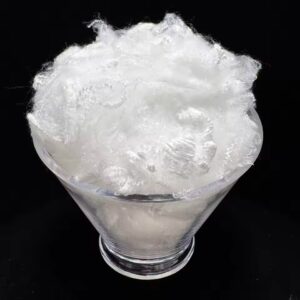
What is Polyester Fiber?
Polyester fiber is a chemical fiber, which refers to the fiber with textile properties obtained by the preparation of spinning dope, spinning and post-processing, using natural or synthetic polymer compounds as raw materials.
In terms of raw materials, chemical fibers can be divided into man-made fibers and synthetic fibers. Man-made fibers use wood, bamboo, pulp, waste cotton yarn and other materials containing natural cellulose as raw materials and synthesize organic polymer compounds after a polyaddition or polycondensation reaction.
Products include viscose staple fibers, viscose filaments and acetate filaments. Synthetic fibers are high-molecular polymers synthesized from petroleum, natural gas and coal through complex chemical reactions. Commonly used products include polyester, nylon, acrylic and spandex.
The DuPont Corporation originally developed polyester fiber for mass consumption, along with other popular synthetic fibers like nylon. During World War II, the Allied powers found themselves in increased need of fibers for parachutes and other war materiel, and after the war, DuPont and other American corporations found a new consumer market for their synthetic materials in the context of the postwar economic boom.
Initially, consumers were enthusiastic about the improved durability profile of polyester compared to natural fibers, and these benefits are still valid today. In recent decades, however, the harmful environmental impact of this synthetic fiber has come to light in great detail, and the consumer stance on polyester has changed significantly.
Ethylene polyester (PET) is the most produced form of polyester fiber. The primary component of PET is petroleum-derived ethylene, and in the process of creating polyester fiber, ethylene serves as the polymer that interacts with other chemicals to create a stable fibrous compound.
History of polyester
British chemists John Rex Whinfield and James Tennant Dickson first invented this fabric in 1941, and it became increasingly popular in the 1970s due to its advertising as “a miracle fiber that can be worn for 68 days straight without ironing and still look presentable.” However, controversy has always surrounded it. Those loud, shiny, and slightly plastic-looking suits from the 70s made polyester known as a cheap and uncomfortable fabric. However, since the days of Saturday Night Fever and the Brady Bunch, polyester has made significant progress.
When made into a polyester fabric, it can be used to create clothing, furnishings, textiles, and more. If you love your clothes, you probably know that their labels show what they’re made of. If a natural fabric is mixed with polyester, then you will see the percentages of each on the label.
Types of Polyester Fiber
1. Filament: Polyester filaments are continuous fibers, and these fibers produce smooth and soft fabrics.
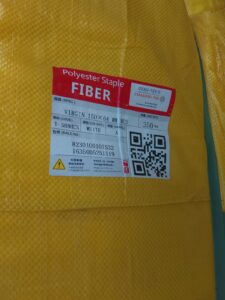
2. Staple: Polyester staples resemble the staples used to make cotton yarn, and like cotton staples, polyester staples are usually spun into a yarn-like material.
3. Tow: Polyester tow is like polyester filament, but in polyester tow, the filaments are loosely arranged together.
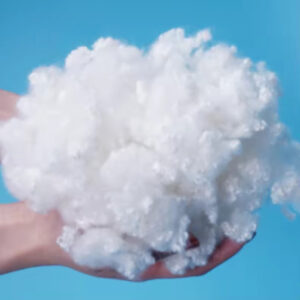
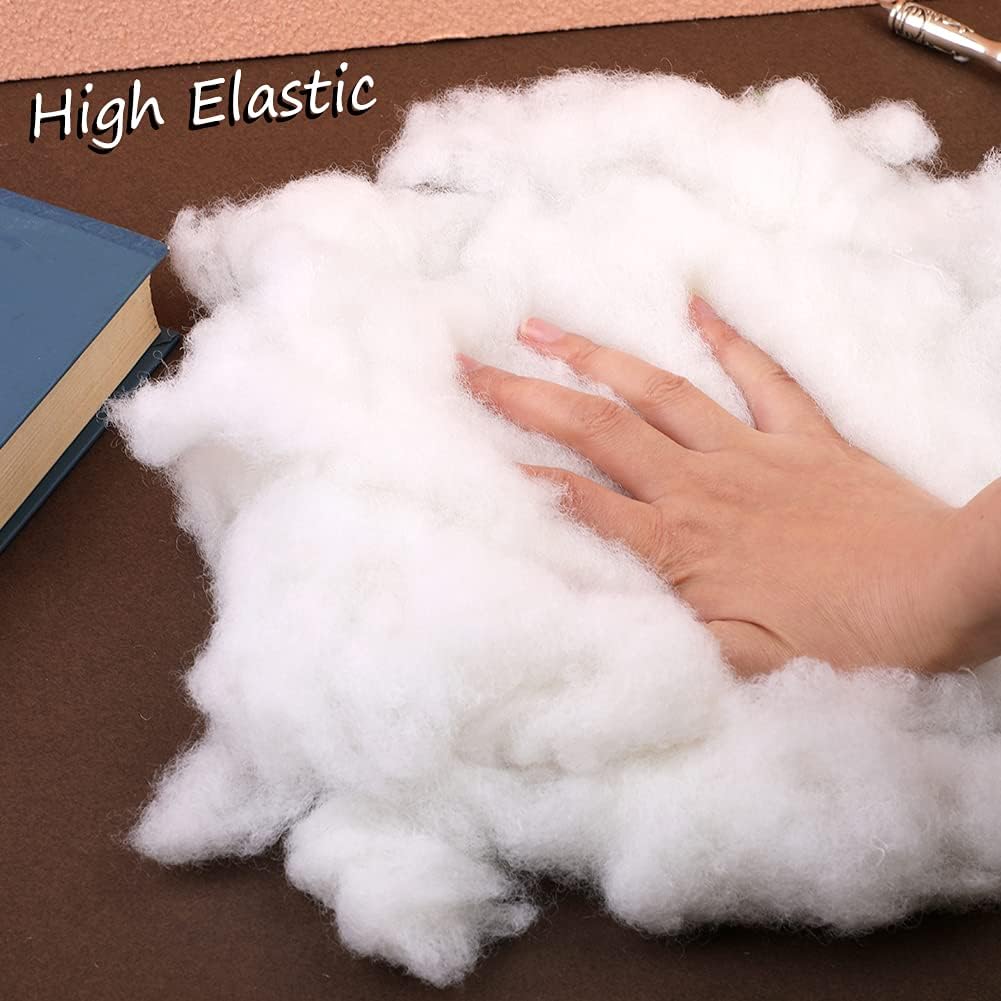
4. Fiberfill: Fiberfill consists of continuous polyester filaments, but these filaments are produced specifically to have the most possible volume to make bulky products like pillows, outerwear, and stuffing for stuffed animals.
The global demand for all types of fibers (cotton, polyester, viscose, nylon, olefin, acrylic, silk, and wool) is about 100 million tons. Of this total, polyester accounts for about 55 million tons, or almost 55% of all fiber demand. In the 90s, polyester’s share was about 50%. This tremendous evolution reflects polyester’s versatility, affordability, and growing spectrum of applications.
What are popular uses of polyester fiber?
Automotive (Polyester, PA 66)
- Airbags
- Tires
- Seatbelts
- Headliner
- Seat & Side panels
Personal Care (Polyester, PP)
- Diapers
- Wipes
- Feminine Hygiene Products
Home (Polyester)
- Bio-active textiles
- Interior textiles
Apparel (Polyester)
- Specialty apparel
- Protective apparel
Industrial (Polyester, PA 66, PP, PLA)
- Shale gas cracking
- Geotextiles
- Filtration
- Membranes for roofing
Other uses
- Fashion
- Sportswear
- Fleeces
- Coats and anoraks
- Bedding such as sheets, duvet covers and sleeping bags
- Footwear
- Fillings for duvets (due to its insulating properties)
- Sewing threads
- Soft furnishings and upholstery
- Textiles
- Luggage and other bags
Polyester fiber is used for cushion fillings.
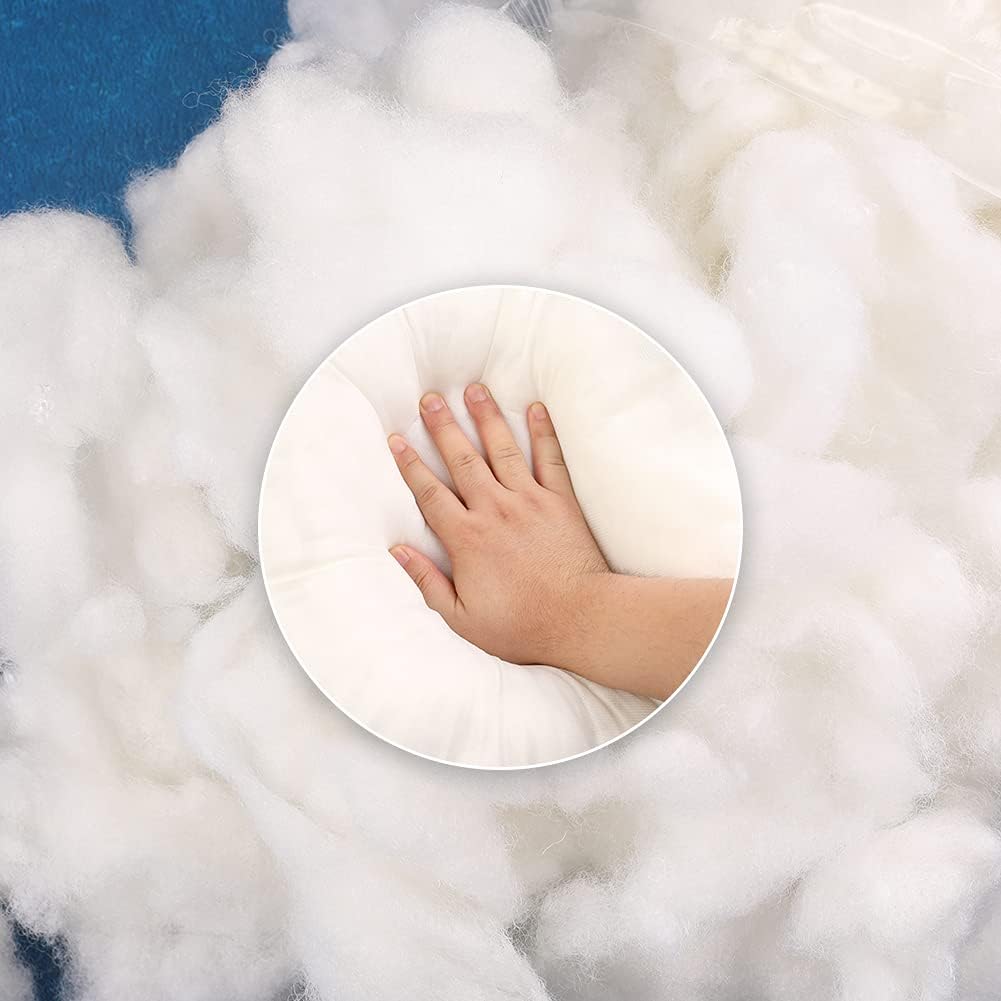
Cushion filling is fiberfill, which is bulky and soft. Although it tends to go a little flat over time, you will need to plump up your cushions to ensure they look full; this procedure will introduce air between the fibers and make them fill out.
It is a synthetic version of down and feathers with qualities such as being warm, washable, and naturally stain-resistant. This material is nonallergenic, so it is widely used and suitable for almost everyone. Many pillows and bedding are now available with this fiber in place of feathers due to its versatility.
The fiber is sold in bags, and its main use is as toy filling. Some shopping outlets, such as craft or sewing shops, would have this material in stock.
This filling is ideal for making cushion pads, as it can be shaped to fit. From the smallest cushion to relatively large ones depending on their use. It is excellent if you need it to be pliable and to use when bending.
This filling is also available when buying premade cushion pads.
These fibers can be woven into fabric, like wadding, used in quilting and sometimes as cushion filling. A cushion pad could be made with a wadding cover and polyester fiber inside for extra softness.
What Is Polyester Fabric?
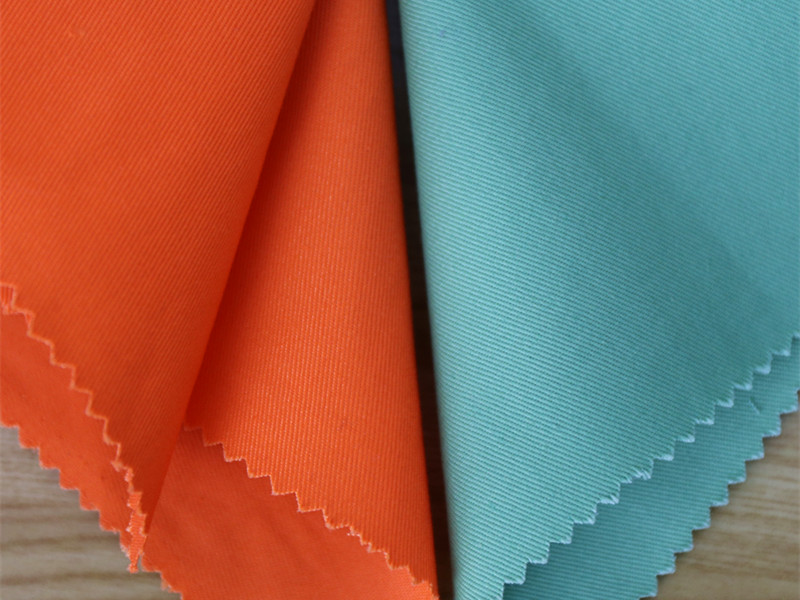
Polyester is a synthetic fabric that’s usually derived from petroleum. This fabric is one of the world’s most popular textiles, and it is used in thousands of different consumer and industrial applications. Specifically,
For Apparel (Shirts, Pants, Eveningwear, Suits, Jackets, socks, underwear),
For Homeware (Used in bath towel, kitchen towels, face towel, blankets rugs, upholstery curtains, cushioning for chairs, sofas and pillows)
For Industrial Applications (Used in LCD displays, holographic film, boats, tarps and bottles)
Chemically, polyester is a polymer primarily composed of compounds within the ester functional group. Most synthetic and some plant-based polyester fibers are made from ethylene, a petroleum component that can also be sourced elsewhere. Most polyester is not biodegradable, and its production and use pollute the world.
Polyester is often blended with cotton or another natural fiber, but it can also be the only material in some apparel. Use of polyester in apparel reduces production costs, but it also decreases its comfortability.
When blended with cotton, polyester improves the shrinkage, durability, and wrinkling profile of this widely produced natural fiber. Polyester fabric is highly resistant to environmental conditions, which makes it ideal for long-term use in outdoor applications.
The fabric we now know as polyester began its climb toward its current critical role in the contemporary economy in 1926 as Terylene, which was first synthesized by W.H. Carothers in the UK. Throughout the 1930s and 1940s, British scientists continued to develop better forms of ethylene fabric, and these efforts eventually garnered the interest of American investors and innovators.
Nonetheless, polyester remains one of the most widely produced fabrics in the world, and it’s difficult to find consumer apparel that doesn’t contain at least some percentage of polyester fiber. Apparel that contains polyester, however, will melt in extreme heat, while most natural fibers char. Molten fibers can cause irreversible bodily damage.
What is Recycled Polyester Fabric?
Recycled polyester fabric, also known as rPET, is a synthetic material made from plastic waste that is recycled from PET bottles, bags, containers, etc. It is eco-friendly, affordable, and durable, with the same properties as virgin polyester. It has many applications in clothing, especially for activewear and sports apparel, as well as in industrial products such as car tires, ropes, and conveyer belts. Recycled polyester fabric reduces the environmental impact of plastic pollution and saves energy and water compared to virgin polyester production
“Recycled polyester staple fiber” refers to the use of polyester fabric, waste polyester bottle flakes, spinning waste, foam material, and pulp block as raw materials. Waste bottle flakes are crushed and cleaned, and a mixture of various materials is dried, melted, and extruded.
Advantages
- The use of recycled polyester can effectively reduce the amount of petroleum. The data shows that each ton of recycled polyester yarn can save 1 ton of oil and 6 tons of water.
- Recycling a 1-liter plastic bottle can reduce CO₂ emissions by 0.042 kg, and for every 20 plastic bottles recycled, they can be processed into a summer T-shirt. This process can also reduce CO₂ emissions, recycle and reuse resources, and reduce environmental impact.
Spun polyester
Spun polyester is a woven or knitted polyester fabric with a soft feel, as it is made with fibers that are softened by agitation. It is a lovely comfortable dressmaking fabric. It is also durable.
Polyester fabric – blends
Polyester yarns are woven or knitted as they are or combined with other fibers to form blended fabrics. Cotton, linen, ramie, rayon and wool fibers are blended this way.
These blended fabrics have qualities that belong to the extra fibers combined with the properties of polyester fibers. When blended with cotton, the fabric takes on qualities like wrinkle resistance and low shrinkage and breathability to a degree. However, the fabric may also inherit undesirable qualities, such as a tendency to melt under high heat and a propensity for pilling.
Velvet is a cotton/polyester-blend fabric, and it is one of the most used fabrics for making clothes and upholstery. A blend of cotton and polyester, broadcloth is widely used as a fabric for dressmaking. Rayon and polyester blends (rayon challis) are excellent as dressmaking fabrics, as they are very soft and drapey. A polyester/spandex blend is used to make fitting figure-hugging clothes
Many polyester fabrics are woven or treated with fabric finishes that make them look like natural fabrics—this fabric may look like raw silk but is really polyester. Plisse is a cotton-polyester blend with a wrinkled look. There is a polyester-cotton fabric which looks a lot like linen
What are the main types of polyester staple fabrics?
1. Polyester Staple Silk-Like Fabrics: These fabrics, known for their silk-like appearance, are woven from polyester filament or staple yarn featuring circular and irregular cross-sections. They are cost-effective, wrinkle-resistant, and do not require ironing, making them highly popular among consumers. Common varieties include polyester silk, polyester crepe, polyester satin, polyester Georgette yarn, and polyester interwoven silk. These silk-like fabrics possess elegance, smoothness, and a soft, visually appealing quality. Additionally, they exhibit characteristics such as stiffness, abrasion resistance, washability, and minimal need for ironing due to their polyester composition. However, they have limitations in moisture absorption and air permeability, which may affect comfort. To address these issues, newer polyester fabrics with enhanced moisture absorption properties have been developed.
2. Wool-like Polyester Staple Fabrics: These fabrics are crafted from polyester filaments, like polyester elastomeric yarn, polyester network yarn, or various profiled cross-section polyester filaments. They can also be blended with medium-long polyester staple fibers and either viscose or acrylic fibers to create wool-like textiles. This category includes worsted wool-like fabrics and medium-long wool-like fabrics, both of which are priced lower than comparable wool fabrics. They replicate the bulky feel and elasticity of wool while offering the durability and effortless maintenance associated with polyester. Common examples are polyester elastic serge, polyester elastic Huada, polyester elastic stripes, polyester network yarn wool fabric, polyester viscose medium-length flowers, and polyester acrylonitrile cotton.
3. Linen-like Polyester Staple Fabrics: Widely favored in the international garment market, these fabrics are constructed from polyester or polyester/viscose twisted yarn and exhibit the dry hand and texture characteristic of linen. For instance, thin imitation momolek presents a rough appearance and dry feel while offering comfort and breathability, making it ideal for summer apparel such as shirts and skirts.
4. Deerskin-like Polyester Staple Fabrics: This category includes advanced polyester fabrics crafted from fine or super-fine polyester fibers. After specialized finishing, these fibers create a soft, short-fleece polyester suede fabric known as deerskin-like fabric. It can be based on nonwoven, woven, or knitted textiles. This fabric is characterized by a soft texture; dense and plush velvet quality; elasticity; rich tactile appeal; and durability. There are three common types: artificial high-grade deerskin, artificial deerskin, and artificial ordinary deerskin, making it suitable for a range of women’s clothing, such as high-quality dresses, jackets, suits, and tops.
What are some characteristics of polyester fabric?
Polyester fabric is a versatile clothing fiber known for its ability to maintain a wrinkle-free and ironing-free appearance after washing. It is frequently blended or interwoven with various fibers, such as cotton and wool, and is widely utilized in clothing and decorative materials. In industrial applications, polyester is employed in conveyor belts, tents, canvas, cables, and fishing nets, with particular emphasis on polyester cord used in tire manufacturing. Its performance is comparable to that of nylon. Additionally, polyester is used in electrical insulation materials, acid-resistant filter cloth, and textiles for the pharmaceutical industry. Due to their high strength, wear resistance, acid resistance, alkali resistance, high-temperature tolerance, lightweight, heat retention, excellent electrical insulation properties, and resilience against mildew, synthetic fibers are extensively used across various sectors of the national economy.
Polyester fabrics are strong and stretchy, which makes them last longer, resist wrinkles, and need less ironing. They possess thermoplastic properties that allow for designs such as pleated skirts with long pleats. However, polyester fabrics have relatively poor melting resistance and are prone to forming holes when exposed to soot, sparks, or similar sources. Therefore, it is advisable to limit contact with cigarette butts and sparks while wearing such fabrics.
The strength of polyester fiber is approximately twice that of cotton and three times that of wool, which makes polyester fabric both strong and durable. It can withstand temperatures ranging from 70°C to 1700°C, demonstrating excellent heat resistance and thermal stability among synthetic fibers. The elasticity of polyester is comparable to that of wool, and its crease resistance surpasses that of many other fibers, ensuring a wrinkle-free fabric with significant durability.
Moreover, polyester fabrics and twisted polyester yarns exhibit superior light resistance compared to natural fibers, with the exception of acrylic fibers. Placing them behind glass significantly enhances their sun resistance, achieving levels comparable to acrylic fibers. Additionally, polyester fabrics and twisted yarns display excellent chemical resistance, show minimal damage from acids and alkalis, and are resistant to fungi and insects.
- Polyester is very durable and is resistant to many chemicals
- This synthetic material is a popular fabric in the fashion industry, as it is resistant to shrinking and stretching. It is also resistant to wrinkling and abrasions
- The fibres used to create Polyester are very strong yet lightweight
- The fibres are easily dyed
- It retains its shape very well
- Polyester fabric is easy to look after and it can be washed and dried at home
- It is a quick-drying fabric, so it’s a popular choice for outdoors clothing
How are polyester fiber and polyester fabric made?
The process of creating polyester fiber begins with reacting ethylene glycol with dimethyl terephthalate at high heat. This reaction results in a monomer, which is then reacted with dimethyl terephthalate again to create a polymer.
This molten polyester polymer is extruded from the reaction chamber in long strips, and these strips are allowed to cool and dry, and then they are broken apart into small pieces. The resulting chips are then melted again to create a honey-like substance, which is extruded through a spinneret to create fibers.
Depending on whether you want long strands, short pieces, or fluffy fibers, the polyester filaments can be cut or treated with different chemicals to get the right type. In most applications, polyester fibers are spun into yarn before they are dyed or subjected to other post-production processes.
Why choose polyester?
It is such a popular choice for apparel because polyester fibers are thermoplastic, or heat-sensitive. This means that fabrics, which are 100% polyester, can be given permanent pleats and decorative shapes and patterns can be laser-cut into them. They are also highly stain-resistant, so great for cleaning.
You might notice that when a garment is 100% polyester, it is prone to static buildup. This can be a challenge when it comes to maintaining a polished appearance, and you may find yourself unintentionally giving people static shocks, which, while harmless, can be quite bothersome. To eliminate this issue, polyester is often blended with more stable fibers, such as cotton. The resulting fabric is then known as polycotton and it embodies the benefits of both fabrics: strong, durable, wrinkle resistant and far more breathable than 100% polyester.
Polyester clothing tends to be slippery and almost silky to touch, and the fibers can be woven or knitted to create the fabric, although knitting maximizes its flexibility. It is a naturally bright fiber and can be modified easily for different uses.
Is polyester fabric toxic and harmful?
Polyester is a synthetic material that has many toxic chemicals embedded in it. Synthetic materials such as acrylic, nylon, and polyester are made from chemicals such as thermoplastic, which outgas plastic molecules whenever they are heated.
Polyester fabric releases chemicals like phthalates into the air and through contact with the skin. These chemicals have been shown to cause hormone disruption and health issues. Aside from the harmful chemicals that polyester releases, this fabric also poses some more direct health concerns.
READ MORE: What is Polyester Fabric?