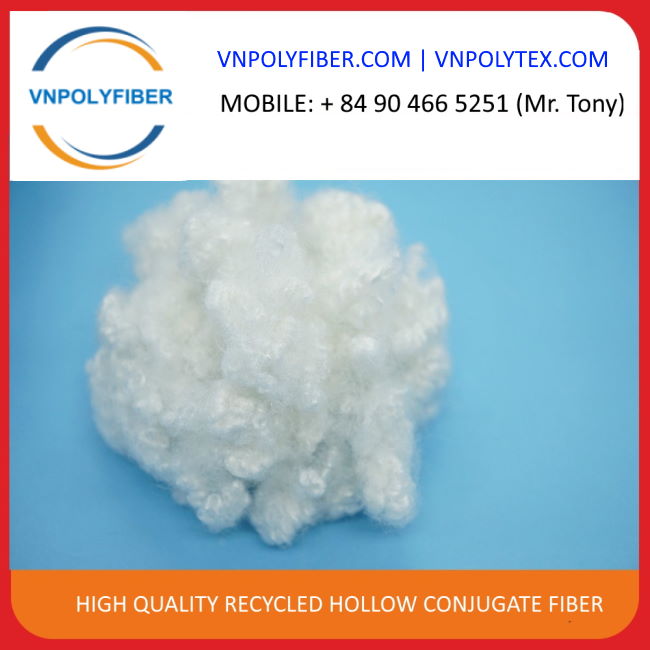
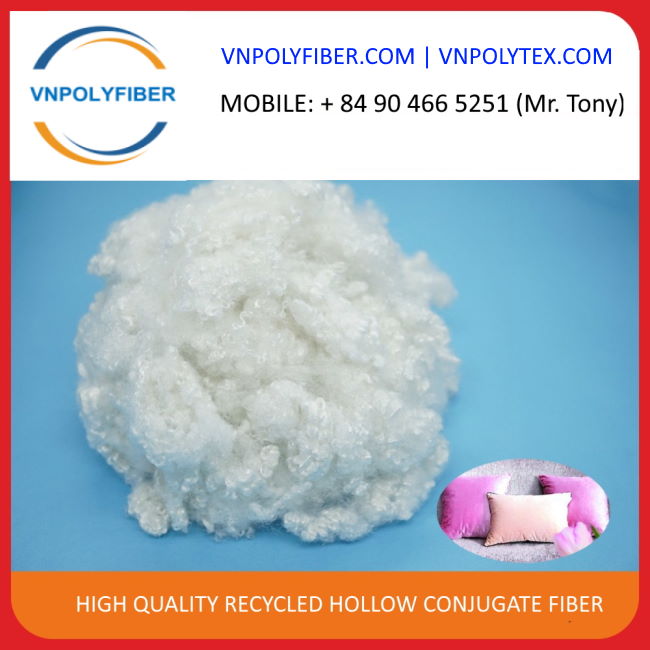
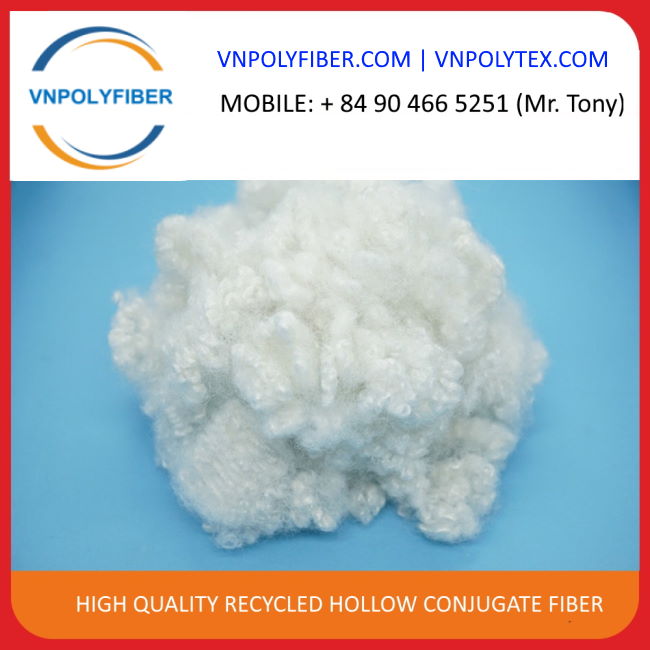
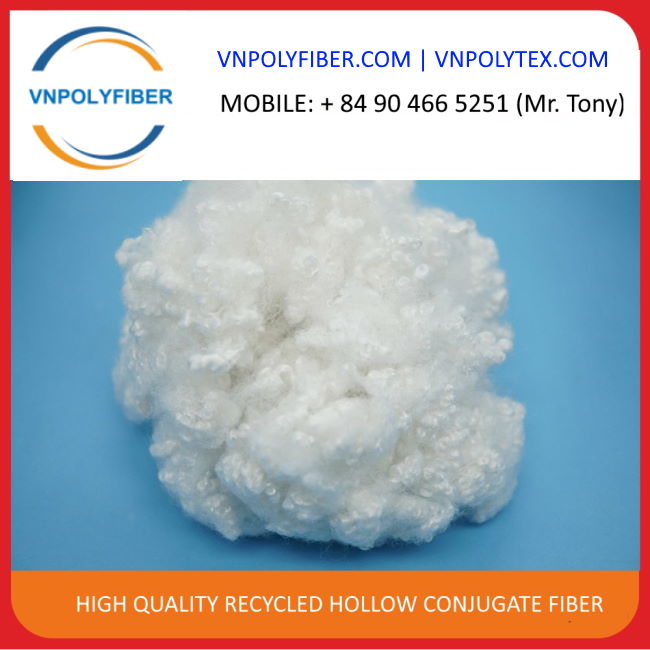
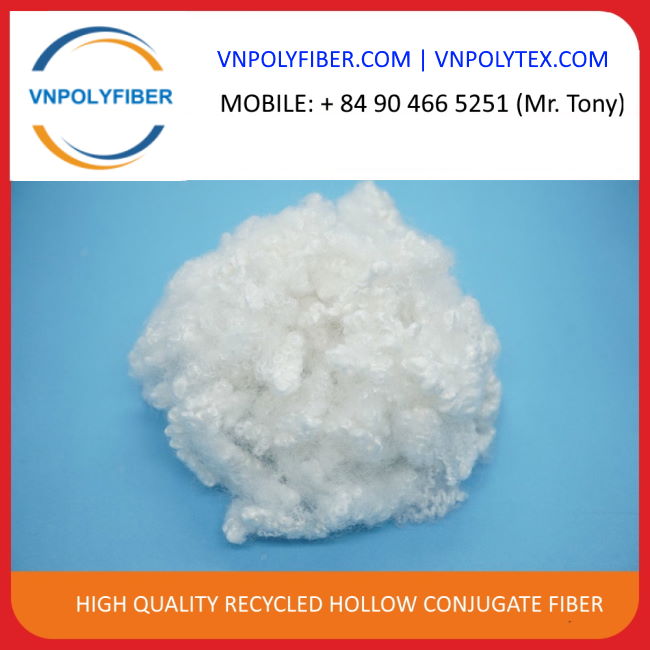
Wholesale Recycled Pillow Filling: A Technical Guide to 15D HCS Fiber
Hypoallergenic: Naturally resists dust mites and mold.
Cost-Efficient: Stable pricing compared to volatile oil markets.
High Bulk: Fills more volume with less weight.
PRODUCT DETAIL
Wholesale Recycled Pillow Filling: A Technical Guide to 15D HCS Fiber
In the competitive global market for home textiles, bedding, and plush toys, the quality of the interior filling is what defines the lifespan and comfort of the final product. For manufacturers and procurement officers, sourcing Wholesale Recycled Pillow Filling is no longer just a matter of cost—it is a strategic decision involving performance, sustainability, and technical reliability.
At the center of this industry is 15D HCS (Hollow Conjugate Siliconized) polyester staple fiber. This specific grade has become the gold standard for high-resilience products. Whether sourced from the major production hubs of South East Asia or China, 15D HCS provides the mechanical “bounce-back” and “slick” hand-feel that modern consumers demand.
1. What is 15D HCS Fiber? The Specification Explained
When buying fiber in bulk, understanding the nomenclature is critical for quality control.
15 Denier (15D): This refers to the thickness of the fiber. A 15D fiber is thicker and more robust than a 3D or 7D fiber, providing the structural integrity needed for pillows and furniture cushions that must withstand significant weight.
Hollow Construction: Unlike solid fibers, hollow fibers have a continuous void in the center. This traps air, making the material lighter and providing better thermal insulation.
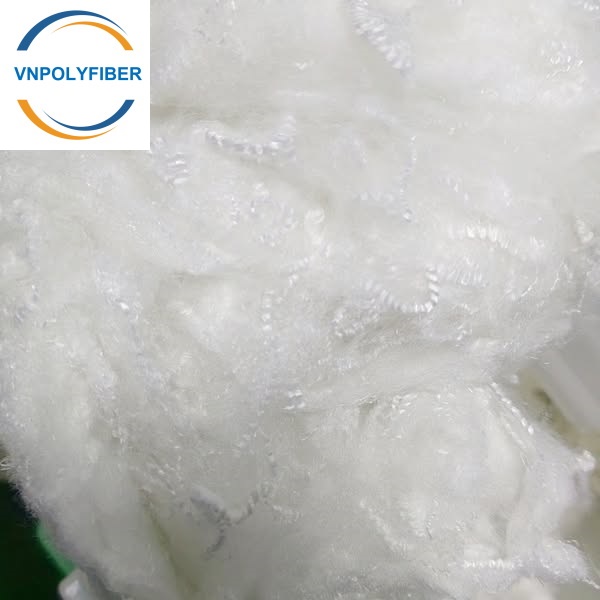
Conjugate (3D Crimp): This refers to the spiral shape of the fiber. Instead of being straight, the fiber acts like a microscopic spring, which is the secret to high-resilience filling.
Siliconized Finish: A silicone emulsion is applied to the fiber surface to give it a “slick” feel. This prevents the fibers from tangling, ensuring that a pillow or toy remains lumpy-free after use.
2. The Move Toward Sustainable Wholesale Filling
The global shift toward “Green” manufacturing has made Recycled Polyester Staple Fiber (rPSF) a requirement for many major retailers.
Virgin vs. Recycled Polyester
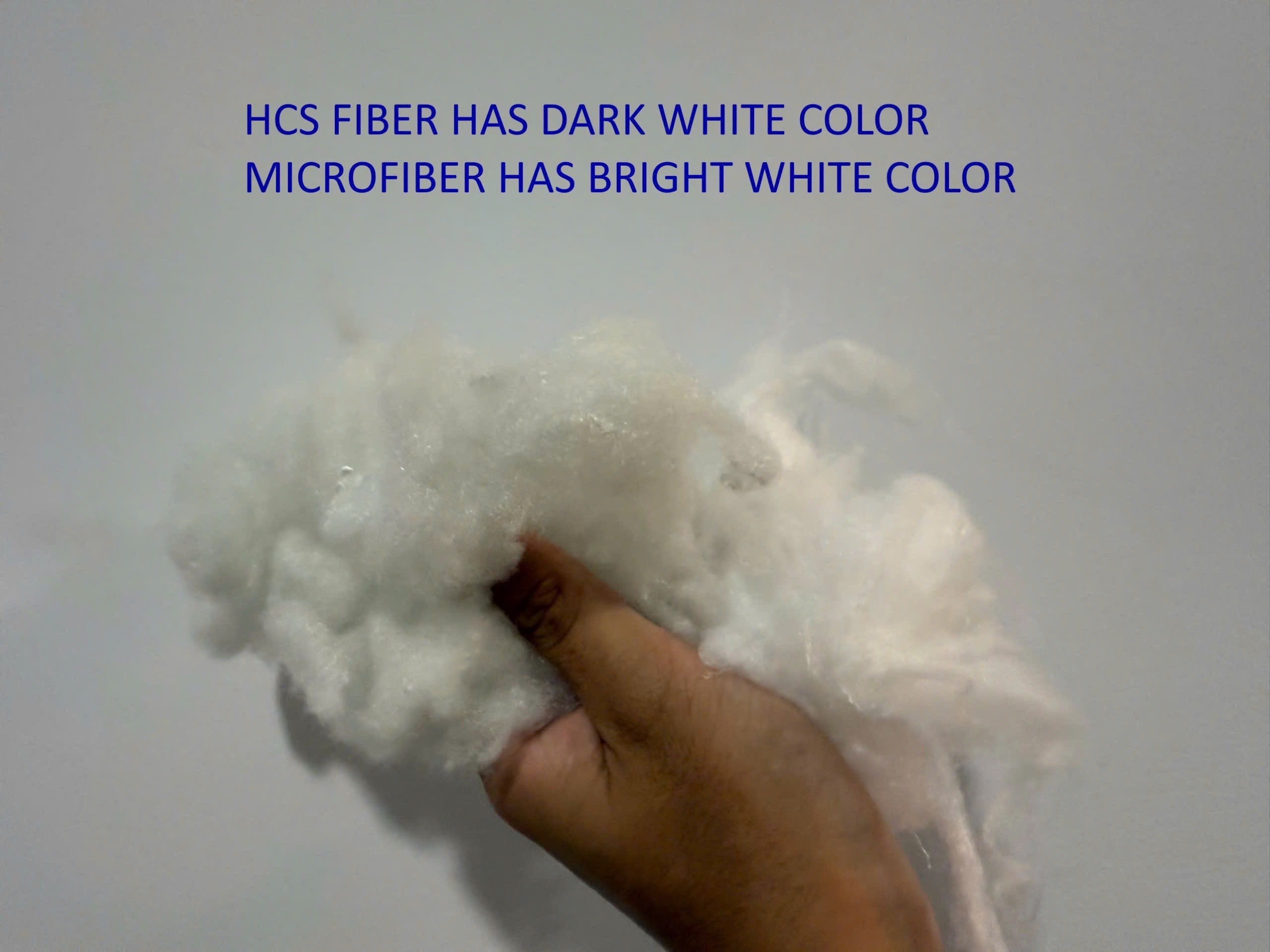
While virgin polyester is made from petroleum-based PTA and MEG, recycled fiber is produced from post-consumer PET bottles and polyester waste. Historically, there was a concern regarding the whiteness and tenacity of recycled fiber. However, modern processing in South East Asia and China now produces AAA Grade Recycled HCS that matches virgin fiber in performance.
Choosing recycled filling is not only more eco-friendly; it is a powerful marketing tool for brands. Recycled fiber is:
Hypoallergenic: Naturally resistant to dust mites and mold.
Cost-Efficient: Generally offers more stable pricing compared to the volatile petroleum market.
High Bulkiness: Provides excellent “filling power” (the ability to fill a volume with less weight).
3. Five Technical Advantages of 15D HCS Polyester Fiber
For any production line, whether in apparel or home decor, 15D HCS offers five distinct structural advantages:
High Resilience (Does Not Warp): The 3D conjugate crimp ensures the fiber neither stretches nor shrinks permanently. It has a spring-back memory that natural fibers lack, preventing the “flattening” common in lower-quality pillows.
Material Versatility: It can be seamlessly blended with other materials like cotton, wool, or rayon. This allows a manufacturer to combine the breathability of natural fibers with the structural durability of polyester.
Lightweight Strength: The hollow construction makes the filling 20% lighter than ordinary solid fiber while remaining solid enough to support the weight of a sleeper’s head and neck.
Hygroscopic Protection: Polyester absorbs less moisture (less than 1%), making it an inhospitable environment for fungus and bacteria. This inhibits bad odors and extends the life of the product.
Brilliant Dye Affinity: While often used as a hidden fill, polyester fabrics (when used for the ticking or casing) hold brighter and more durable colors, ensuring a premium aesthetic.
4. Manufacturing Excellence: The Production Process
Producing high-tenacity fiber requires precision engineering. The polymer (either virgin chips or recycled PET flakes) is melted and extruded through a spinneret at high pressure.
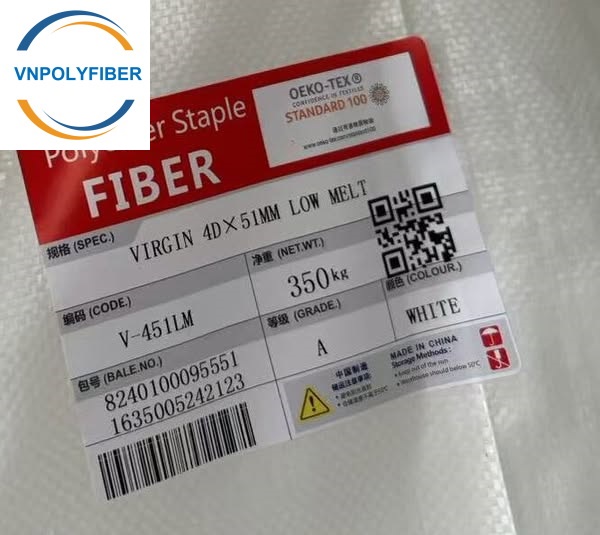
After extrusion, the filaments are cooled, lubricated, and stretched to align the molecular chains, which increases the tensile strength. The fibers are then crimped to create the conjugate shape, dried, and cut into staple lengths (usually 32mm to 76mm). Finally, the fiber is compressed into bales (250kg-350kg) for global wholesale shipping.
5. Direct End-Use Applications for 15D HCS
Home and Hotel Textiles
This is the primary market for 15D HCS. It is used as the core filling for standard bed pillows, decorative cushions, and high-loft quilts. Its ability to be machine-washed and dried makes it the preferred choice for the high-turnover hotel industry.
Toys and Crafts
For plush toys and dolls, 15D fiber provides the “hardness” required to keep the toy’s shape. It is often used in a 64mm cut length to ensure it can be easily blown into the toy’s extremities without clumping.
Furniture and Non-Woven Industry
Beyond pillows, 15D HCS is used in upholstery padding, spray-bonded cotton, and polyester wadding. In the non-woven sector, it is a key component in automotive felts, speaker felts, and industrial filtration media.
6. Sourcing Wholesale: Key Quality Metrics
When evaluating a supplier in South East Asia or China, procurement officers should look for the following technical benchmarks:
Tensile Strength: Look for a minimum of 3.5 to 4.5 g/Denier to ensure the fiber doesn’t break during carding.
Elongation: A range of 40% to 60% ensures the fiber has the necessary “give” before snapping.
Oil Pickup (OPU): A minimum of 0.20% to 0.35% ensures the silicone coating is sufficient to provide a “slick” feel.
Color Fastness: A rating of 4+ ensures the raw white or optical white color remains consistent across batches.
7. The Performance Advantage: Warmth and Wicking
High-quality HCS is more than just a filler; it is a performance material.
Thermal Insulation: By trapping air in the hollow core and between the conjugate spirals, the fiber creates a thermal barrier that keeps the body warm while isolating cold air.
Moisture Management: Its large surface area allows it to discharge moisture quickly from the skin, reducing the “sticky” feeling common in lower-grade synthetic fills.
Conclusion
Sourcing Wholesale Recycled Pillow Filling is an investment in your product’s reputation. By choosing 15D HCS, manufacturers ensure a product that is hypoallergenic, machine-washable, and incredibly resilient. As the industry moves toward more sustainable sourcing in South East Asia and China, the use of GRS-certified recycled fiber has become the ultimate way to balance industrial performance with environmental responsibility.
Technical Parameter
Polyester Staple Fiber used in Non-woven Industry
| Luster | Denier | Cross Section | End-Use |
| SD | 1.5, 1.7, 2, 3, 4, 6 & 15 | Solid | Nonwoven Interlining, Sanitary Material, Microfiber and Thermal Bonding |
| FBR (Black) | 1.5, 1.7 & 3 | Solid | Needlepunch, Resin Bonding & Fiberfill |
| SD | 1.5 & 4.5 | Solid | Dyeable Fabric & High-Pile |
| SD | 6, 8 & 15 | Hollow and Hollow-Siliconized | Resin Bonding, Needlepunch, Fiberfill, Flame Retardant Fabric, Anti Bacteria & Platinum Photon Fiber |
| SD, BR,OBBR | 0.7, 1.1, 1.2, 1.4, 2.0, 6, 8, 12, 15 & 20 | Solid | Low Pilling, Knitting, Fiberfill, Thermal Bonding, Needlepunch, Infrared Fiber & Resin Bonding |
| SD | 2, 3, 4.5, 7, 12 & 15 | Hollow Conjugate | Resin Bonding, Needlepunch & Fiberfill |
| SD | 7 | Hollow Conjugate | Anti-Bacteria |
Polyester Staple Fiber as per Direct End Use
| Type | Denier | Section | End Use |
| Anti Pilling | 1.4, 1.5, 2, 2.5 & 3 | Solid & Hollow | Sportswear, Underwear, Casual wear |
| Bamboo Charcoal | 1.5, 1.7 & 6 | Hollow | Bedding, Shoe pad, Cushion, Thermal Sock |
| Spinning Use | 1.3, 1.4, 1.5 & 1.7 1.5 | Solid Hollow | Sportwear, Casual Wear, Underwear |
| Dopedyed Black | 1.5, 2 & 3 | Solid | Nonwoven, Casual wear, Sport wear, Underwear |
| Flame Retardant | 1.4 | Solid | Home, Comfort & Clothing textiles |
| Micro Fiber | 0.8 – 1.0 | Solid | Cloth & Fleece |
| High Tenacity | 1.2 | Solid | Yarn, Cloth & Water transport |
| High Void Conjugate | 3, 7, 12 & 15 | Hollow | Toy Padding, Badding, Furniture Cushion, etc |
| Regular Fiber | 2, 2.5, 3, 6 & 15 | Solid | Nonwoven, Filter medics, Padding, etc. |
FAQ
1. What do you offer?
We supply a comprehensive range of fibers, including recycled hollow conjugated (both siliconized and non-siliconized) polyester staple fiber, hollow fiber, microfiber, virgin polyester staple fiber, and low-melt fiber.
2. What is it used for?
Our fibers are versatile and widely utilized across both the filling and non-woven industries, providing essential loft, durability, and texture for various consumer and industrial applications.
3. Are you a factory or a trading company?
We are primarily a manufacturer specializing in polyester staple fiber with years of industry expertise. To better serve our clients, we also operate a dedicated trading division that allows us to act as a one-stop solution provider.
In addition to our own fiber production, we source high-quality textile components (such as yarn and low-melt fibers) and finished goods (including foam, pillows, cushions, toys, and down/feather products) to ensure our customers have access to a comprehensive supply chain.
4. Where is your factory location?
To maintain a robust and flexible global supply chain, our manufacturing facilities are strategically located throughout Asia, specifically in Vietnam, China, Malaysia, Thailand, and Indonesia. If you would like to visit one of our sites, please contact your sales representative, and we will be happy to arrange transportation for you.
5. Can you accept free sample?
Yes, we provide free hand samples for quantities under 1 kilogram. Once a price is confirmed, we can prepare and dispatch your sample within 2–3 business days. Please note that while the sample is free, the freight costs are the responsibility of the client.
6. Can you provide ODM service?
Absolutely. We specialize in ODM (Original Design Manufacturing). This means we can customize the material composition, dimensions, quantity, packaging, and branding to meet your specific requirements. Your logo and unique specifications will be integrated into the final product.
7. How about your quality? What’s the minimum order Quantity (MOQ)?
We invite you to place a trial order to experience our quality firsthand. Our standard MOQ is 23,000 kilograms per order.
Regarding pricing, we maintain a no-bargain policy. We believe in transparency and efficiency, so we provide our most competitive offer upfront to save you time and ensure a straightforward procurement process.
8. Can I mix different items in one order?
Yes, for your convenience, we allow for a maximum of two different items to be mixed within a single container.
9. How can you guarantee the product quality?
Quality is the cornerstone of our business. We employ an experienced QC team that monitors every stage of production, from raw material inspection to the final manufacturing process. We utilize a range of advanced testing instruments to ensure our fibers meet strict industry standards.
Our business philosophy is simple: We aim to serve one customer 1,000 times, rather than 1,000 customers once. We prioritize long-term partnerships built on consistent excellence.
10. What’s the payment terms?
L/C at sight, 30% TT in advance are mostly accepted; other terms shall be negotiable by both sides
For more information, please feel free to contact :
Tony Tan
Mobile number: +84 90 466 5251 (Whatsapp/Wechat/Viber/Signal)