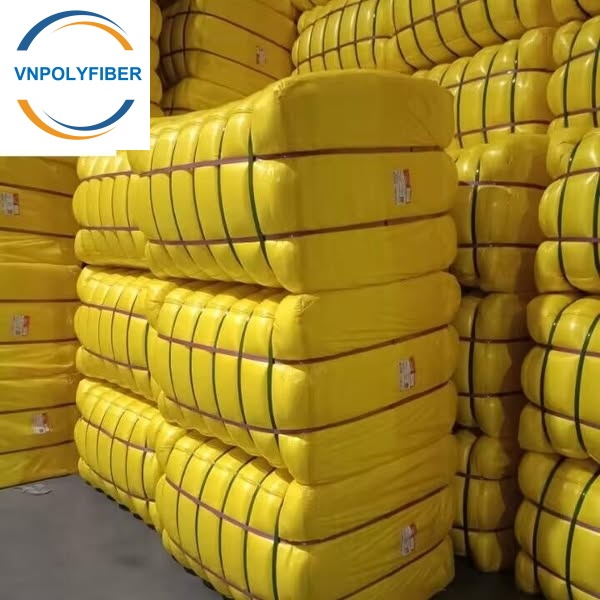
Virgin Microfiber Polyester Staple Fiber: The Ultimate Guide for Textile Buyers and Manufacturers
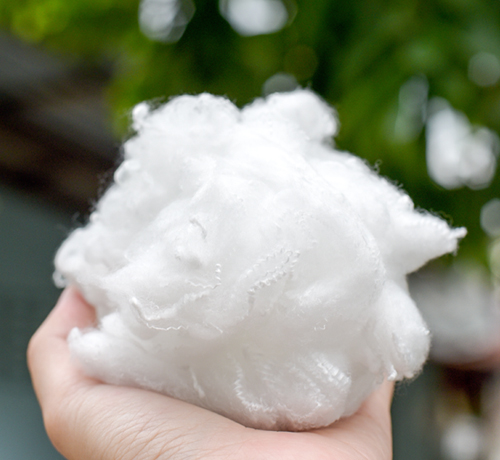
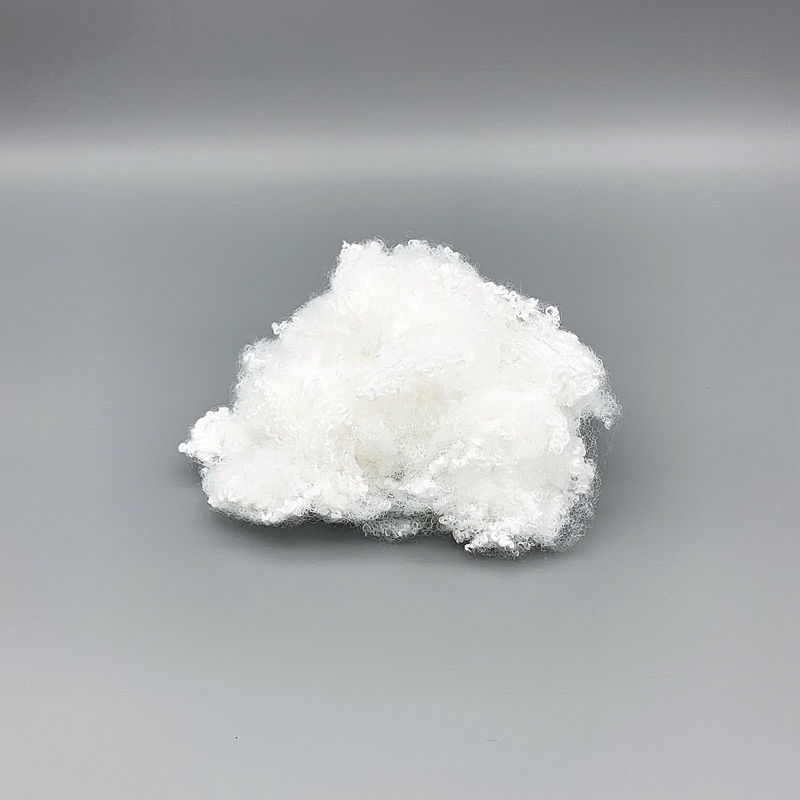
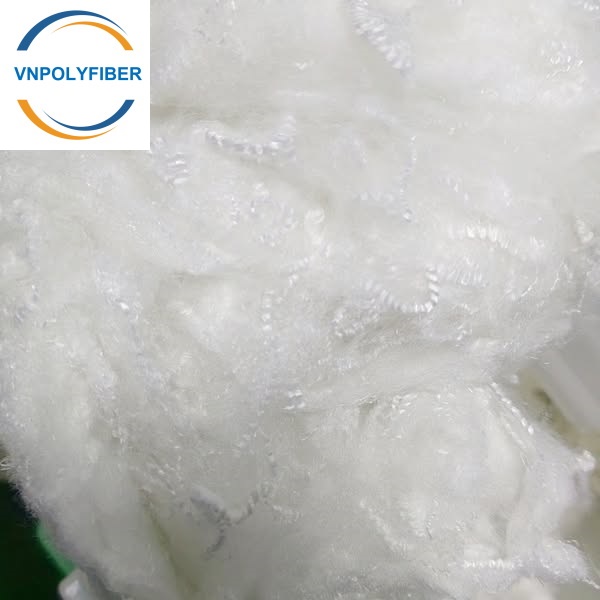
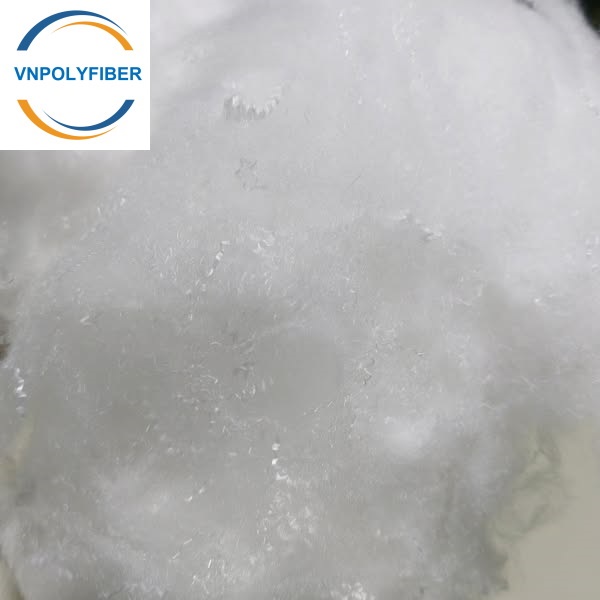
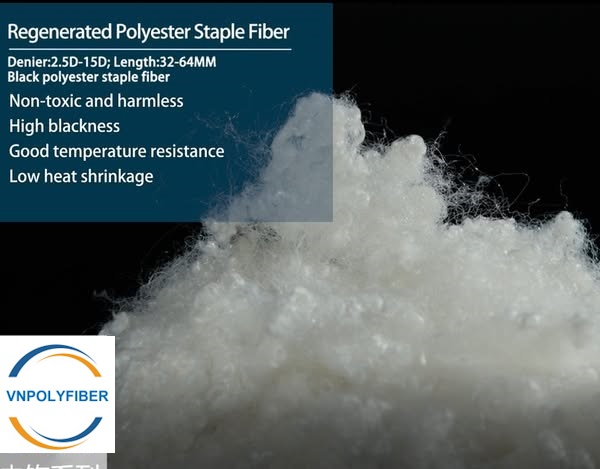
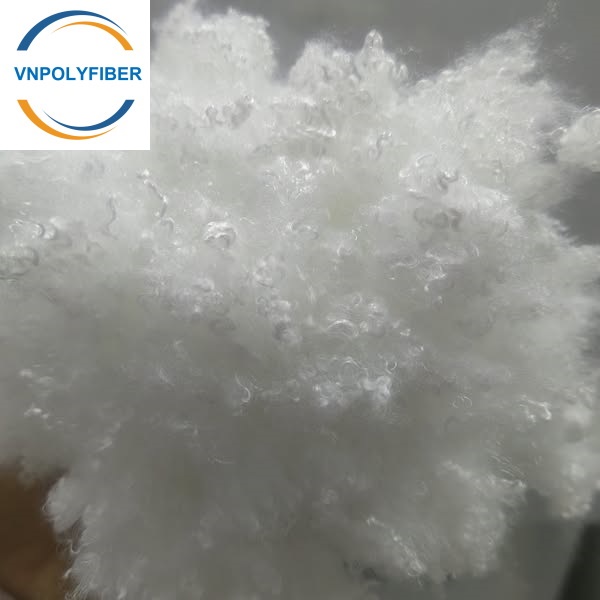
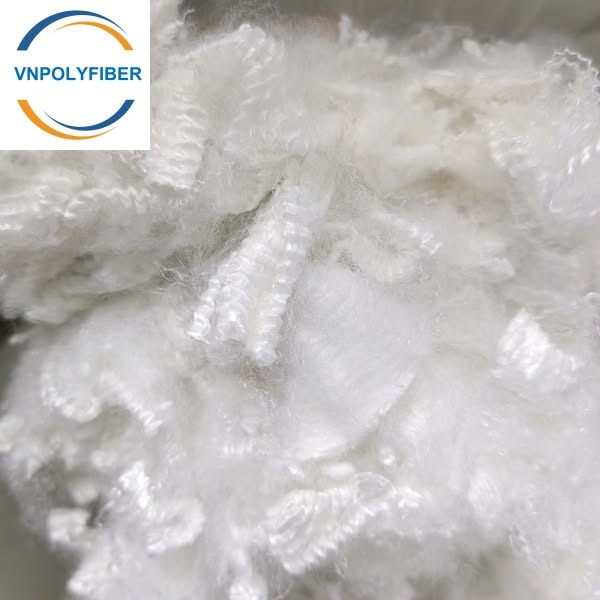
- Hollow PSF has better loft, recovery and warmth retention properties than solid PSF because there is a hole in a single fiber; it can save some air.
- Our hollow PSF is easy to be carded and good at bonding with low-melting fiber.
- It’s mainly used for fiberfill, filtration, padding, wadding, insulation, etc.
PRODUCT DETAIL
Introduction: Why Microfiber Is Reshaping the Textile Industry
In the highly competitive textile and nonwoven market, the quality of raw materials plays a crucial role in determining the success of a product. Among all synthetic filling and fabric materials, microfiber—also written as “microfiber”—has emerged as the clear frontrunner for applications demanding softness, lightness, and a premium hand feel.
As a specialized form of polyester staple fiber (PSF), microfiber is redefining what is possible in down-alternative bedding, high-performance apparel, and technical textiles. Its extraordinarily fine filament — often less than 1.2 denier per filament — gives it properties that standard polyester staple fiber simply cannot match: the silky warmth of natural down, the breathability of high-grade cotton, and the durability that only synthetic fiber can offer.
At VNPolyfiber, we supply both virgin and recycled microfiber polyester staple fiber to manufacturers across Asia, Europe, and beyond. This guide is designed to give textile engineers, product developers, and procurement managers everything they need to understand, specify, and source the right microfiber for their production needs.
What Is Microfiber? Definition and Fundamentals
Microfiber is defined as a synthetic fiber finer than 1.5 denier per filament, typically ranging from 0.7D to 1.2D. As a polyester staple fiber, it is produced by extruding molten PET (polyethylene terephthalate) polymer through precision spinnerets, then cut to specified lengths and treated with surface finishes.
To put its scale in perspective: a microfiber filament is approximately 1/100th the diameter of a human hair and 1/20th the diameter of a silk strand. This microscopic scale is not just a technical curiosity—it is the direct source of every performance advantage microfiber offers.
In the trade, microfiber PSF is frequently called “down fiber” because its loft, warmth, and soft handfeel closely mimic natural feather down. This makes it the premier choice for manufacturers of pillows, comforters, duvets, quilts, and premium outerwear who want the performance of down at a significantly lower cost, without the allergen concerns.
Microfiber can be produced in both solid and hollow configurations:
- Solid microfiber excels in fabric softness, drape, moisture wicking, and high-end apparel fill.
- Hollow microfiber adds insulating air pockets to the already-fine filament structure, delivering superior warmth with minimal weight.
Seven Characteristics That Make Microfiber Stand Out
1. Superior Softness and Silkiness
The fine diameter of microfiber creates a remarkably smooth surface with an extremely high filament count per unit area. The result is a fabric or fill that rivals cashmere and silk in tactile quality—without the price tag of natural luxury fibers.
2. Excellent Moisture-Wicking Performance
Because microfiber filaments are so fine and numerous, they create a powerful capillary effect. Moisture is drawn rapidly away from the skin surface and dispersed across a wide area for quick evaporation. This makes microfiber polyester staple fiber the preferred fill for sportswear, activewear, and performance bedding.
3. Lightweight Thermal Insulation
Despite its minimal weight, microfiber traps a surprising volume of still air between its fine filaments. Still air is the most efficient thermal insulator known, and microfiber’s structure exploits this principle in the same way natural down does—but with more consistency and far better washability.
4. Excellent Drape and Conformability
Microfiber fabrics and fills mold naturally to body contours. This gives finished products — whether a jacket, a pillow, or a comforter — a flowing, body-hugging feel that heavier synthetic fibers cannot achieve.
5. High Surface Area for Wicking and Filtration
The enormous surface area of microfiber relative to its mass makes it exceptionally effective at trapping fine particles. This is why microfiber is used not just in apparel and bedding, but also in high-performance filtration media, medical textiles, and industrial wipes.
6. Durability and Shape Retention
Despite its fineness, quality microfiber polyester staple fiber maintains strong tensile integrity (3.5–4.5 g/denier). Products filled or made with microfiber retain their loft, shape, and softness through hundreds of machine wash cycles — a critical requirement for bedding and premium apparel.
7. Low Maintenance
Microfiber is fully machine washable, quick-drying, and resistant to shrinkage and mildew (moisture regain is below 1%). This makes it ideal for consumer products that need to perform beautifully with minimal care.
Microfiber vs. Hollow Conjugated Fiber (HCS): Which Do You Need?
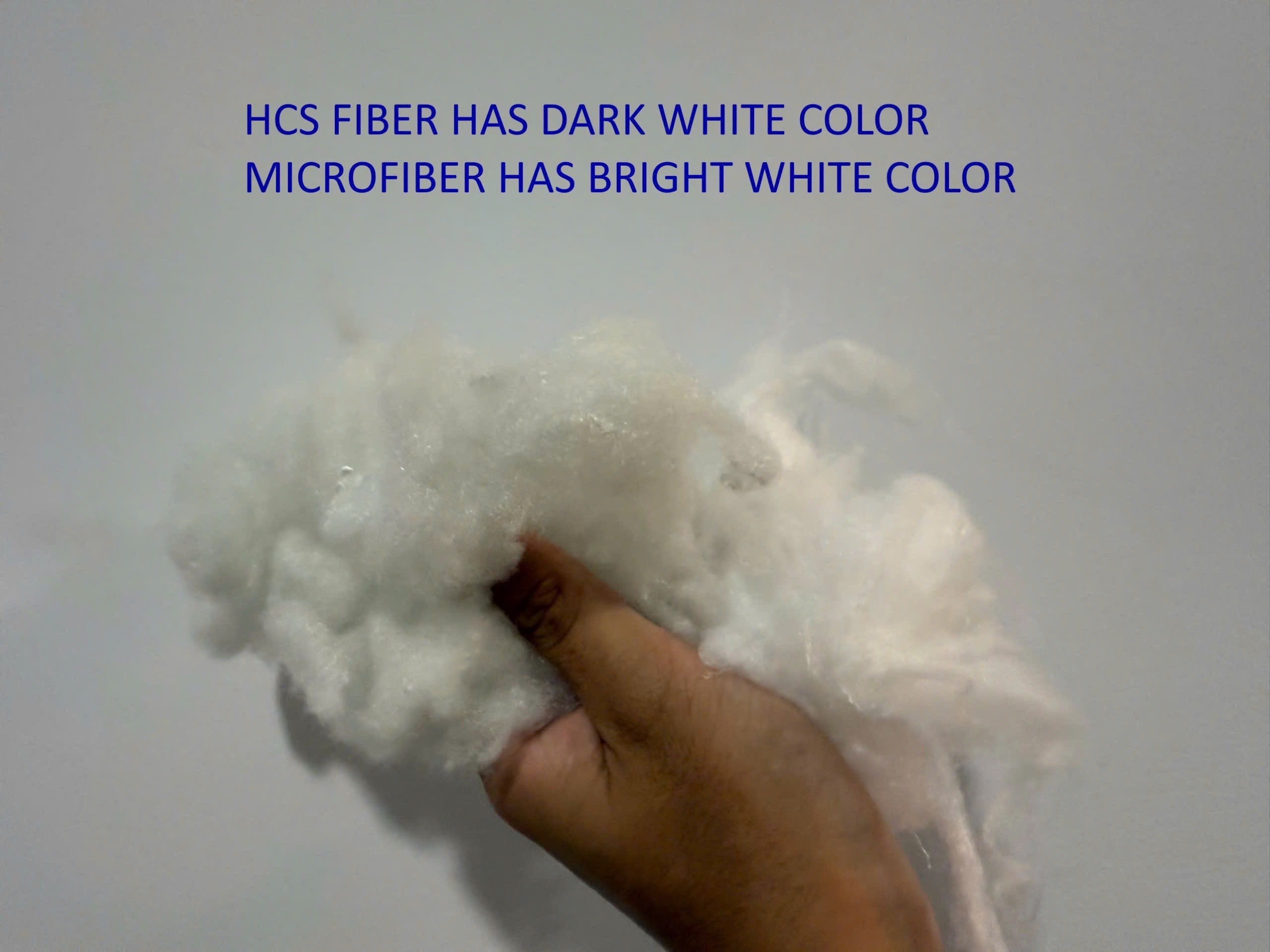
One of the most common questions VNPolyfiber receives from buyers is, “Should I choose microfiber or hollow conjugated siliconized (HCS) fiber for my product?” The answer depends entirely on your end application’s priorities.
Property | Microfiber (Microfiber PSF) | Hollow Conjugated Fiber (HCS) |
Filament structure | Solid, ultra-fine | Hollow core, conjugate crimp |
Typical denier | 0.7D–1.2D | 6D–15D |
Primary strength | Softness, drape, moisture wicking | Bulk, resilience, warmth retention |
Recovery after compression | Good | Excellent |
Best applications | High-end bedding fill, apparel, technical textiles | Pillows, comforters, furniture padding, stuffed toys |
Washability | Excellent | Excellent |
Feel | Silky, down-like | Springy, fluffy |
Hollow PSF has better loft, recovery, and warmth retention than solid PSF because the hollow core permanently traps air within each individual filament. Our hollow PSF is easy to card and bonds well with low-melt fiber, making it the workhorse of fiberfill, padding, wadding, and insulation manufacturing.
Microfiber, on the other hand, wins when your product needs to feel luxuriously soft against skin, requires strong moisture management, or needs to achieve an ultra-lightweight, down-like fill density. For the finest duvets, premium jackets, and high-end pillow shells, microfiber polyester staple fiber is the superior choice.
Many of our customers use both—hollow fiber for bulk and recovery and microfiber for the top-touch layer or outer shell—achieving a premium finished product that performs across all dimensions.
Applications of Microfiber Polyester Staple Fiber
Premium Bedding and Home Textiles
Microfiber is the dominant fill material in high-end pillows, comforters, duvets, and quilts worldwide. Its down-like feel, hypoallergenic nature, and effortless washability make it ideal for the hospitality industry, luxury bedding brands, and everyday home use. Comforters filled with microfiber maintain their loft and softness even after repeated laundering—a key selling point for retail buyers.
High-Performance Apparel and Outerwear
Global sportswear and outdoor apparel brands incorporate microfiber polyester fibers into down-alternative jackets, puffer vests, ski gear, and activewear. Microfiber’s moisture-wicking and lightweight insulation properties are precisely what performance clothing demands.
Luxury Fashion and Accessories
Microfiber’s ability to mimic natural materials—silk, cashmere, suede, and leather—at a fraction of the cost has made it a staple in fashion. From skirts and dresses to handbags and shoes, microfiber enables premium aesthetics without premium raw material costs.
Technical and Industrial Textiles
The high surface area of microfiber makes it uniquely effective in:
- Filtration media — capturing fine particulates in air and liquid filtration systems
- Medical textiles — surgical drapes, wound care, and cleanroom wipes
- Industrial cleaning — microfiber wipes and mops that trap dust and bacteria at a microscopic level without chemical additives
Nonwoven Fabrics
Microfiber polyester staple fiber is widely used to produce high-quality nonwoven materials for filtration, personal care products, and specialty wipes where fine fiber density and high surface area are critical.
Sustainability: Recycled Microfiber from rPET
At VNPolyfiber, sustainability is not a marketing buzzword—it is built into our supply chain. Our recycled microfiber polyester fiber, made from post-consumer PET bottles and industrial PET waste, diverts plastic from landfills and waterways while delivering performance that matches virgin fiber specifications.
For brands and manufacturers with ESG commitments, sourcing recycled microfiber allows you to
- Reduce the carbon footprint of your products
- Meet retailer and brand sustainability requirements
- Access growing consumer demand for eco-conscious materials
- Maintain full traceability through our rPET supply chain
Our recycled microfiber is GRS (Global Recycled Standard) certifiable and available in the same denier and cut length options as our virgin range.
Frequently Asked Questions About Microfiber PSF
What is the difference between microfiber and regular polyester staple fiber? Standard polyester staple fiber typically ranges from 1.5D to 15D or higher. Microfiber is defined as PSF finer than 1.5D — most commonly 0.9D to 1.2D. This finer diameter dramatically increases softness, surface area, and moisture-wicking performance.
Is microfiber the same as microdenier fiber? The terms are closely related. “Microdenier” technically refers to any fiber under 1 denier per filament. “Microfiber” is the broader commercial term for ultra-fine fibers, typically under 1.5D. In practice, the two terms are often used interchangeably in the PSF trade.
Can microfiber polyester staple fiber be processed on standard carding equipment? Yes. With the correct OPU finish (0.15–0.35%) and appropriate CPI (10–14), our microfiber PSF processes smoothly on standard carding and filling lines. We advise customers to confirm machine settings before switching from heavier denier fibers.
What is the minimum order quantity for VNPolyfiber microfiber PSF? Please contact our sales team or submit a quote request for MOQ, pricing, and lead time information tailored to your requirements.
Why Source Microfiber from VN Polyfiber?
VNPolyfiber is one of Asia’s most trusted suppliers of polyester staple fiber, with a track record of supplying consistent, well-specified fiber to manufacturers in bedding, apparel, nonwovens, and technical textiles. Here’s what sets us apart:
- Consistent quality — tight spec control on every batch, reducing your production risk
- Full range — microfiber, hollow conjugated fiber (HCS), low-melt fiber, and solid PSF from a single supplier
- Recycled and virgin grades — supporting your sustainability targets without compromising performance
- Responsive team — fast quotes, technical support, and flexible logistics from our Asia base
- Proven supply chain — partnerships with leading fiber manufacturers
Conclusion
Microfiber and micro-fiber polyester staple fiber represent the highest tier of synthetic fiber technology. Their ultra-fine diameter — typically 0.9D to 1.2D — delivers a combination of softness, insulation, moisture management, and durability that no other synthetic fiber can match at this weight class.
Whether you are manufacturing premium down-alternative bedding, high-performance outerwear, or technical filtration media, microfiber PSF gives your products the edge they need in increasingly competitive markets. And with recycled rPET options available, you can achieve that performance while meeting the sustainability expectations of today’s global brands and retailers.
Ready to source microfiber polyester staple fiber for your next production run? Request a quote from VNPolyfiber today — or contact our team to discuss your specific denier, cut length, finish, and volume requirements.
Technical Parameter
For textile engineers and procurement managers, consistent physical parameters are what separate a reliable supplier from a risky one. Inconsistencies in denier, crimp, or OPU can cause costly production downtime on high-speed carding and filling lines. Below are the standard specifications for industrial-grade microfiber:
| Parameter | Standard Range | Industrial Importance |
|---|---|---|
| Fineness (Denier) | 0.9D / 1.1D / 1.2D | Defines the “down-like” softness and hand feel |
| Cut Length | 32mm / 38mm / 51mm | Matches the requirements of filling and spinning machines |
| Tenacity (Strength) | 3.5–4.5 g/denier | Prevents fiber breakage during high-speed processing |
| Oil Pickup (OPU) | 0.15%–0.35% | Controls static and ensures a smooth, slick finish |
| Crimp per Inch (CPI) | 10–14 CPI | Provides loft and air-trapping volume |
| Moisture Regain | < 1% | Ensures quick drying and resistance to mildew |
Tight control over these parameters — especially OPU and CPI — is what ensures microfiber behaves predictably batch after batch on your production line.
VNPolyfiber Microfiber Specifications
VNPolyfiber supplies microfiber polyester staple fiber in both virgin and recycled (rPET) grades, with the following standard specifications:
| Parameter | Details |
|---|---|
| Denier | 0.9D, 1.1D, 1.2D |
| Cut Length | 32mm, 38mm, 51mm |
| Type | Solid / Hollow |
| Grade | Virgin, Recycled (rPET) |
| Color | White, Optical White |
| Finish Options | Siliconized, Slick, Dry, FR (Flame Retardant), Antibacterial, Low Shrinkage |
| Applications | Filling, wadding, fiberfill, filtration, insulation, apparel, bedding |
All our microfiber PSF is produced to tight tolerances on OPU, CPI, tenacity, and cut length — because we know that inconsistent raw material is the number one cause of production problems for our customers.
FAQ
1. What do you offer?
We supply a comprehensive range of fibers, including recycled hollow conjugated (both siliconized and non-siliconized) polyester staple fiber, hollow fiber, microfiber, virgin polyester staple fiber, and low-melt fiber.
2. What is it used for?
Our fibers are versatile and widely utilized across both the filling and non-woven industries, providing essential loft, durability, and texture for various consumer and industrial applications.
3. Are you a factory or a trading company?
We are primarily a manufacturer specializing in polyester staple fiber with years of industry expertise. To better serve our clients, we also operate a dedicated trading division that allows us to act as a one-stop solution provider.
In addition to our own fiber production, we source high-quality textile components (such as yarn and low-melt fibers) and finished goods (including foam, pillows, cushions, toys, and down/feather products) to ensure our customers have access to a comprehensive supply chain.
4. Where is your factory location?
To maintain a robust and flexible global supply chain, our manufacturing facilities are strategically located throughout Asia, specifically in Vietnam, China, Malaysia, Thailand, and Indonesia. If you would like to visit one of our sites, please contact your sales representative, and we will be happy to arrange transportation for you.
5. Can you accept free sample?
Yes, we provide free hand samples for quantities under 1 kilogram. Once a price is confirmed, we can prepare and dispatch your sample within 2–3 business days. Please note that while the sample is free, the freight costs are the responsibility of the client.
6. Can you provide ODM service?
Absolutely. We specialize in ODM (Original Design Manufacturing). This means we can customize the material composition, dimensions, quantity, packaging, and branding to meet your specific requirements. Your logo and unique specifications will be integrated into the final product.
7. How about your quality? What’s the minimum order Quantity (MOQ)?
We invite you to place a trial order to experience our quality firsthand. Our standard MOQ is 23,000 kilograms per order.
Regarding pricing, we maintain a no-bargain policy. We believe in transparency and efficiency, so we provide our most competitive offer upfront to save you time and ensure a straightforward procurement process.
8. Can I mix different items in one order?
Yes, for your convenience, we allow for a maximum of two different items to be mixed within a single container.
9. How can you guarantee the product quality?
Quality is the cornerstone of our business. We employ an experienced QC team that monitors every stage of production, from raw material inspection to the final manufacturing process. We utilize a range of advanced testing instruments to ensure our fibers meet strict industry standards.
Our business philosophy is simple: We aim to serve one customer 1,000 times, rather than 1,000 customers once. We prioritize long-term partnerships built on consistent excellence.
10. What’s the payment terms?
L/C at sight, 30% TT in advance are mostly accepted; other terms shall be negotiable by both sides
For more information, please feel free to contact :
Tony Tan
Mobile number: +84 90 466 5251 (Whatsapp/Wechat/Viber/Signal)