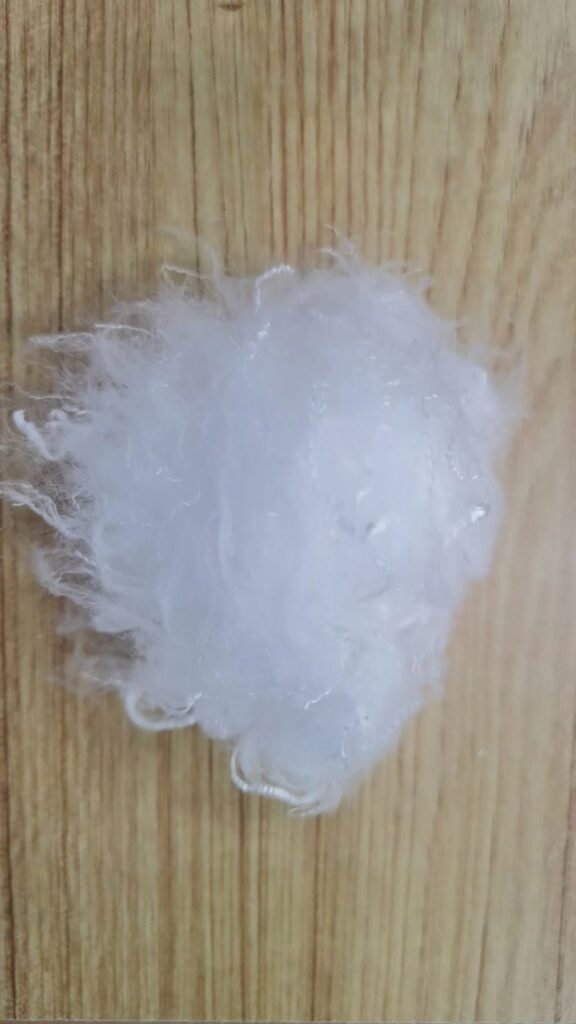
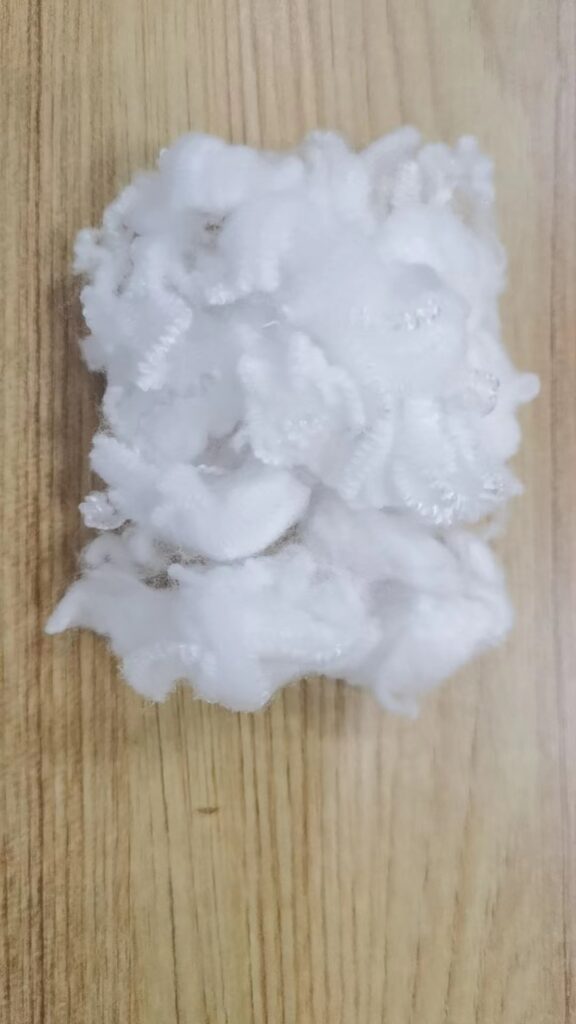
PLA Fiber – Polylactic Acid Fiber
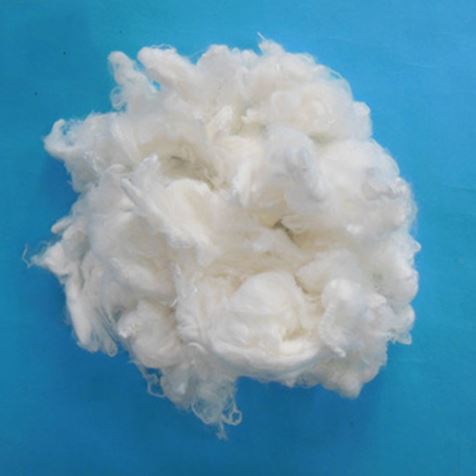
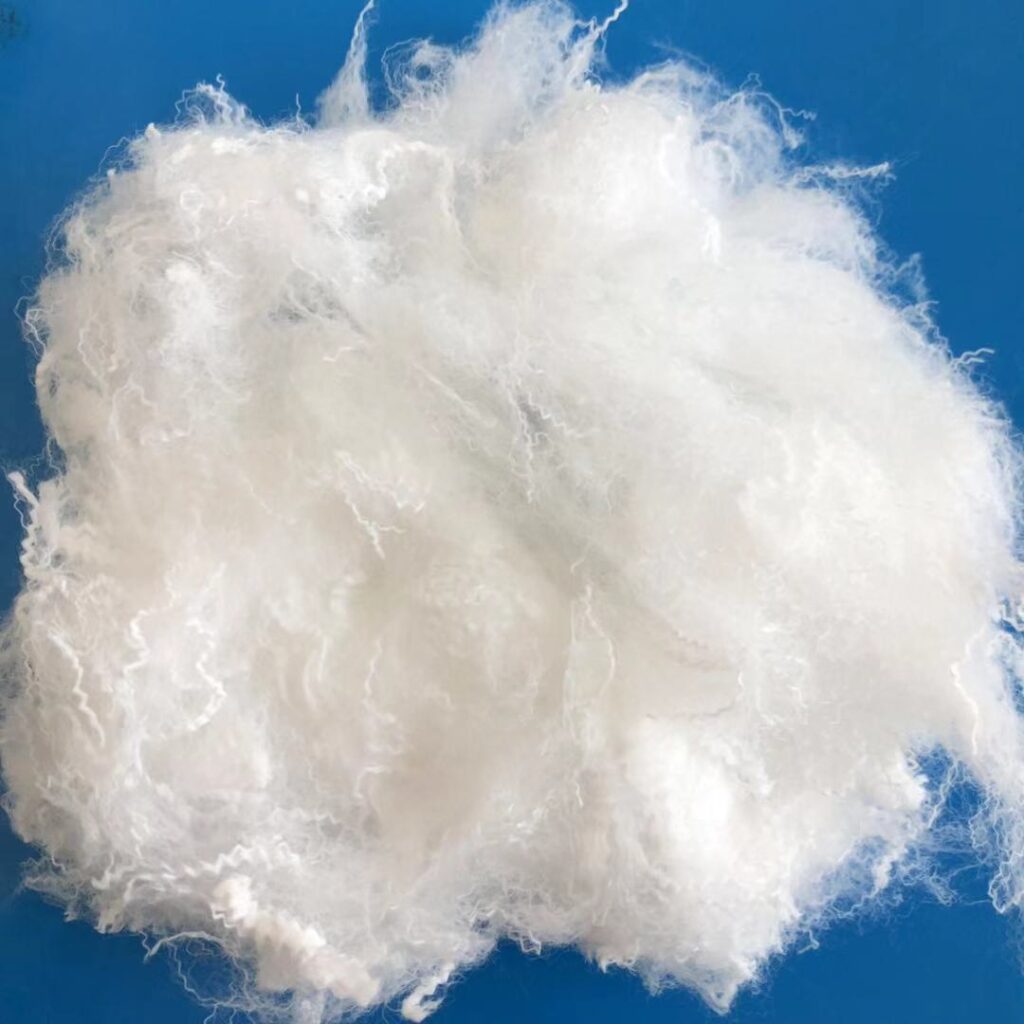
- PLA fiber, also known as polylactic acid fiber, is a type of synthetic fiber derived from renewable resources such as corn starch or sugarcane.
- It is a biodegradable and compostable material, making it an environmentally friendly alternative to traditional petroleum-based synthetic fibers.
PRODUCT DETAIL
As the global textile industry faces increasing pressure to reduce its carbon footprint and eliminate “fast fashion” waste, Biodegradable Polylactic Acid (PLA) fiber has emerged as the premier solution. Unlike traditional petroleum-based synthetics that linger in landfills for centuries, PLA fiber offers a circular lifecycle: born from plants, returned to the earth.
In this deep dive, we explore why high-quality customized PLA fiber from leading manufacturers is transforming everything from high-performance activewear to advanced biomedical implants.
What is PLA Fiber?
Polylactic Acid (PLA) fiber is a 100% bio-based synthetic material. While traditional polyester (PET) is derived from oil, PLA is harvested from renewable, starch-rich crops like corn, cassava, and sugarcane.
The Manufacturing Journey: From Farm to Filament
The production of the best biodegradable PLA fiber is a marvel of microbial fermentation and chemical engineering:
Extraction: Starch is extracted from crops and converted into dextrose (sugar).
Fermentation: Microorganisms ferment the sugar into Lactic Acid.
Polymerization: Through a process involving refining, oligomerization, and high-temperature lysis, the lactic acid is transformed into Polylactic Acid (PLA) resin.
Extrusion: The resin is melted and spun into fibers with physical properties that rival traditional resins.
Why Choose PLA fiber? Key Benefits and Properties
1. Unmatched Environmental Sustainability
The most significant advantage of PLA is its end-of-life profile. Under industrial composting conditions (high temperature and microbial activity), PLA fiber can fully degrade within a year. It breaks down into only CO2 and water, leaving zero microplastic pollution behind.
2. High-Performance Wearability
Sustainability doesn’t mean a sacrifice in quality. PLA fiber boasts a suite of physical attributes that make it superior for apparel:
Moisture Wicking: It naturally pulls sweat away from the skin, ensuring a dry experience.
Breathability: The fiber structure allows for excellent air circulation.
Lightweight & Soft: PLA has a pleasing texture and “drape,” making it ideal for light-colored, elegant fabrics.
High Elastic Recovery: It maintains its shape even after repeated stretching, essential for activewear.
3. Hygiene and Skin Health
PLA is inherently hypoallergenic and gentle on sensitive skin. Furthermore, its chemical nature makes it naturally resistant to bacteria growth. This inhibits odor formation, ensuring that garments stay fresh longer without the need for harsh chemical antimicrobial treatments.
Technical Classification of Biodegradable Fibers
To understand the marketplace, it is helpful to categorize biodegradable options into two main groups:
Natural Biodegradable Polymer Fibers
These are derived directly from nature with minimal chemical alteration.
Cellulose-based: Cotton, hemp, and flax.
Protein-based: Silk and animal hair (wool).
Emerging Sources: Chitin (from shells) and starch-based fibers.
Synthetic Biodegradable Polymer Fibers
This is where PLA sits, alongside other specialized polyesters used in technical industries:
Polyesters: Including PGA (Polyglycolic Acid), PCL (Polycaprolactone), and PLA.
Water-Soluble Polymers: Such as PVA (Polyvinyl alcohol) fibers, which can dissolve or swell in water.
PHAs (Polyhydroxyalkanoates): A family of biosynthetic polyesters (like PHB and PHV) synthesized by bacteria. These are often used in high-end medical applications.
Advanced Applications and Research
1. Activewear and Intimate Apparel
Due to its moisture management and UV stability, PLA is the “green” choice for sportswear, yoga gear, and lingerie. Its low smoke emission and low flammability also add a layer of safety for the consumer.
2. Biomedical Breakthroughs
Because PLA is biocompatible, it is a staple in the medical field. It is used for:
Surgical Sutures: Which dissolve naturally as the wound heals.
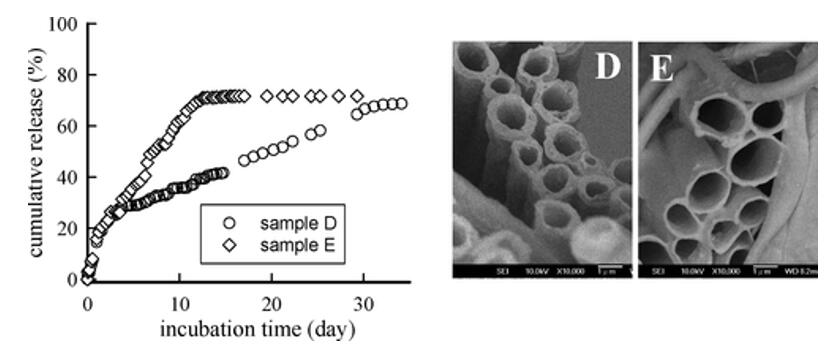
Drug Delivery: Core-shell fibers (using PLA and PHB) can be engineered to release medication at a controlled rate.
Tissue Engineering: Serving as a scaffold for new cell growth.
Research Note: Recent studies in coaxial electrospinning have shown that PDLLA/PHB fibers can achieve a linear release of drugs (like DMOG) up to 70%, with the rate controlled by the thickness of the fiber shell.
3. 3D Printing and Packaging
Beyond textiles, PLA is the most popular filament for 3D printing due to its ease of use and low warping. In packaging, it provides a compostable alternative to plastic wraps and containers.
Technical Parameter
Comparison: PLA vs. Traditional Polyester (PET)
| Feature | Biodegradable PLA Fiber | Traditional Polyester (PET) |
| Source | Renewable Crops (Corn/Cane) | Petroleum / Fossil Fuels |
| Biodegradability | 100% (Compostable) | Non-biodegradable |
| Carbon Footprint | Low | High |
| Melting Point | High (approx. 170°C) | Very High (approx. 250°C) |
| Skin Sensitivity | Hypoallergenic | Potential Irritant |
Sourcing Customized PLA Fiber from China
Manufacturers in China are at the forefront of PLA innovation, offering customized solutions that blend cost-effectiveness with high mechanical performance. When sourcing, buyers should look for:
100% Biological Base: Ensure the lactic acid is extracted via microbial fermentation.
Processing Performance: High-quality PLA should have hardness and mechanical properties akin to traditional resins for easy integration into existing textile machines.
Conclusion: A Favorable Choice for Brands and Consumers
The highest quality biodegradable Polylactic Acid fiber is more than just a trend—it is a necessary evolution. By combining the comfort of natural fibers with the performance of synthetics, PLA allows brands to meet their ESG (Environmental, Social, and Governance) goals without compromising on the luxury or durability that customers expect.
As technological innovation continues to refine the performance of sustainable recycled materials, PLA stands as the benchmark for a greener, cleaner textile future.
Video
FAQ
1. What do you offer?
We supply a comprehensive range of fibers, including recycled hollow conjugated (both siliconized and non-siliconized) polyester staple fiber, hollow fiber, microfiber, virgin polyester staple fiber, and low-melt fiber.
2. What is it used for?
Our fibers are versatile and widely utilized across both the filling and non-woven industries, providing essential loft, durability, and texture for various consumer and industrial applications.
3. Are you a factory or a trading company?
We are primarily a manufacturer specializing in polyester staple fiber with years of industry expertise. To better serve our clients, we also operate a dedicated trading division that allows us to act as a one-stop solution provider.
In addition to our own fiber production, we source high-quality textile components (such as yarn and low-melt fibers) and finished goods (including foam, pillows, cushions, toys, and down/feather products) to ensure our customers have access to a comprehensive supply chain.
4. Where is your factory location?
To maintain a robust and flexible global supply chain, our manufacturing facilities are strategically located throughout Asia, specifically in Vietnam, China, Malaysia, Thailand, and Indonesia. If you would like to visit one of our sites, please contact your sales representative, and we will be happy to arrange transportation for you.
5. Can you accept free sample?
Yes, we provide free hand samples for quantities under 1 kilogram. Once a price is confirmed, we can prepare and dispatch your sample within 2–3 business days. Please note that while the sample is free, the freight costs are the responsibility of the client.
6. Can you provide ODM service?
Absolutely. We specialize in ODM (Original Design Manufacturing). This means we can customize the material composition, dimensions, quantity, packaging, and branding to meet your specific requirements. Your logo and unique specifications will be integrated into the final product.
7. How about your quality? What’s the minimum order Quantity (MOQ)?
We invite you to place a trial order to experience our quality firsthand. Our standard MOQ is 23,000 kilograms per order.
Regarding pricing, we maintain a no-bargain policy. We believe in transparency and efficiency, so we provide our most competitive offer upfront to save you time and ensure a straightforward procurement process.
8. Can I mix different items in one order?
Yes, for your convenience, we allow for a maximum of two different items to be mixed within a single container.
9. How can you guarantee the product quality?
Quality is the cornerstone of our business. We employ an experienced QC team that monitors every stage of production, from raw material inspection to the final manufacturing process. We utilize a range of advanced testing instruments to ensure our fibers meet strict industry standards.
Our business philosophy is simple: We aim to serve one customer 1,000 times, rather than 1,000 customers once. We prioritize long-term partnerships built on consistent excellence.
10. What’s the payment terms?
L/C at sight, 30% TT in advance are mostly accepted; other terms shall be negotiable by both sides
For more information, please feel free to contact :
Tony Tan
Mobile number: +84 90 466 5251 (Whatsapp/Wechat/Viber/Signal)