Nylon staple fiber
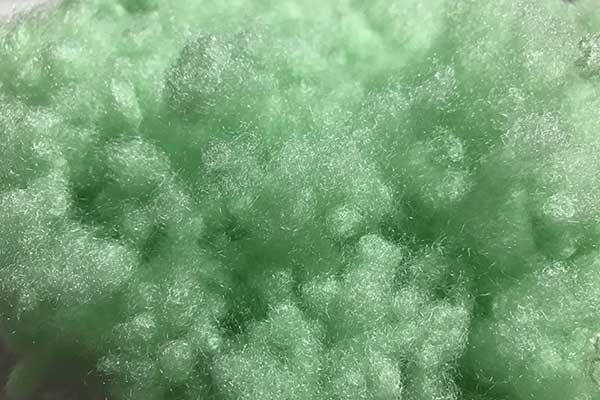
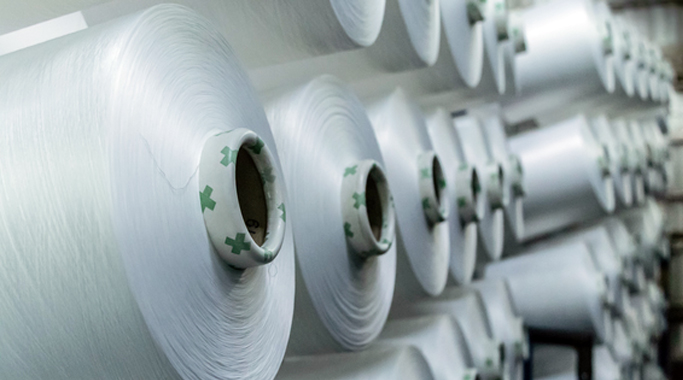
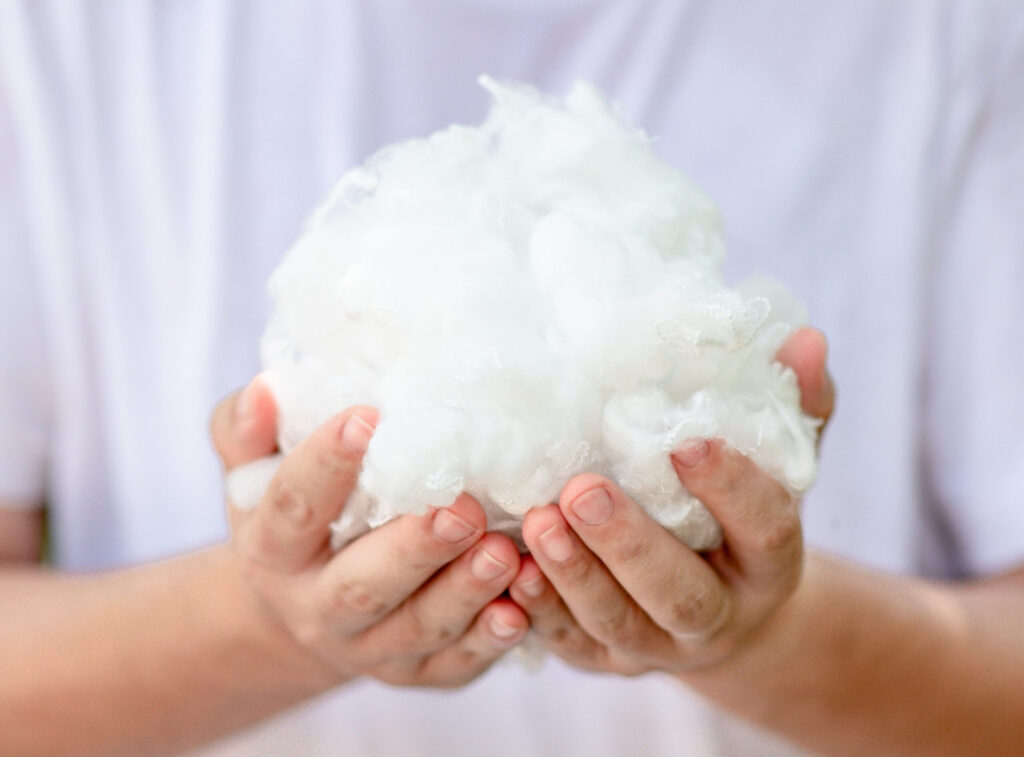
- Nylon Staple fibers are short lengths of fiber, usually ranging from a few millimeters to several inches in length.
- These fibers can be spun into yarns or blended with other fibers to create fabrics with specific characteristics such as softness, strength, or elasticity.
PRODUCT DETAIL
What is Nylon Staple Fiber?
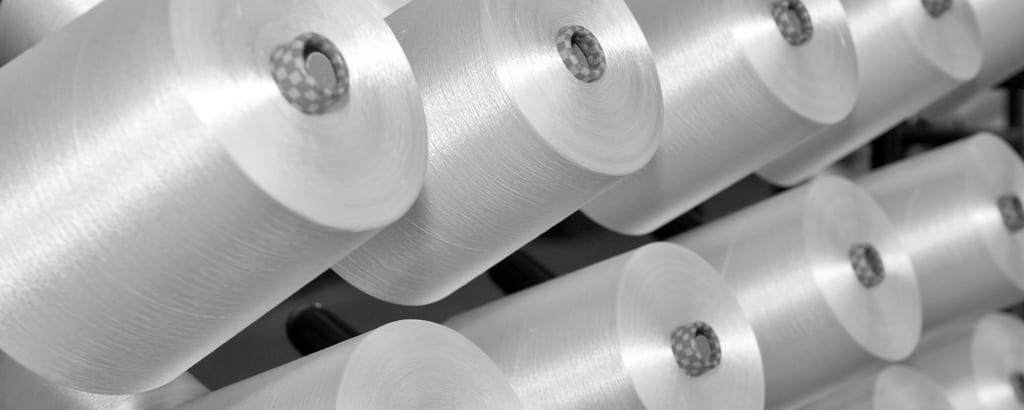
Nylon staple fiber refers to short, discrete lengths of nylon fiber, typically ranging from 38 mm to 120 mm. Unlike continuous filament yarns, “staple” fibers are designed to be spun into yarn using traditional equipment or processed into nonwoven mats.
This format is essential because it allows synthetic nylon to be blended with natural fibers like wool or cotton, providing the resulting textile with the best of both worlds: the comfort of natural fibers and the superhuman strength of polyamide.
The Manufacturing Process of nylon staple fiber
Producing high-quality nylon staple fiber is a sophisticated chemical and mechanical journey. To ensure a uniform fiber structure and superior strength, manufacturers follow a precise multi-stage process:
Polymerization: The process begins with the polymerization of polyamide prepolymer (caprolactam). Under controlled heat and pressure, molecular chains link to form the nylon polymer.
Spinning: The molten polymer is extruded through a spinneret to create fine threads.
Curing and Stretching: These threads are cooled (cured) and then stretched. Stretching aligns the molecular chains, which is the “secret sauce” behind nylon’s famous tensile strength and elasticity.
Crimping and Cutting: To give the fiber “loft” and ensure it can be processed on spinning machines, it is crimped (given a wavy texture) and then precision-cut into the specific “staple” lengths required by the end-user.
Key Performance Features of Nylon Staple Fiber
The widespread adoption of nylon staple fiber across the plastic, rubber, and textile sectors is due to its unique physical profile.
1. Exceptional Durability and Abrasion Resistance
Nylon 6 is legendary for its tenacity. On a molecular level, the hydrogen bonding between polymer chains creates a material that is incredibly difficult to break. This makes it the gold standard for products that endure high friction, such as carpets and industrial belts.
2. High Temperature and Corrosion Resistance
Unlike many lower-grade synthetics, nylon staple fiber can withstand high temperatures and is resistant to most oils, fuels, and chemicals. This makes it a “crucial raw material” for harsh industrial environments.
3. Superior Dyeing and Aesthetic Finish
One of the standout features of polyamide is its affinity for acid dyes. Nylon staple fiber can be enriched with a myriad of vibrant colors and intricate patterns through advanced dyeing and printing techniques, resulting in a lustrous finish that is highly sought after in the fashion and home decor industries.
The Benefits of Using Nylon Staple Fiber
Enhanced Longevity: Products made with nylon last significantly longer, reducing the frequency of replacement.
Environmental Resilience: Naturally resistant to moisture, mold, and environmental degradation.
Versatile Blending: Can be easily combined with cotton, wool, or polyester to enhance the base properties of those fibers.
Vibrant Aesthetics: Holds deep, saturated colors that do not fade easily under UV exposure or heavy cleaning.
Whether you are looking for a fiber that can withstand the heat of an engine bay or the delicate requirements of high-end hosiery, nylon staple fiber offers a balance of physical toughness and processing flexibility. Its uniform structure, born from a meticulous polymerization and spinning process, ensures that it remains a cornerstone of the textile and industrial sectors.
Technical Parameter
Technical Specifications of Nylon staple fiber
When sourcing nylon staple fiber, several key metrics determine its suitability for a specific project:
| Metric | Typical Range | Application Significance |
| Denier | 0.9D to 15D | Determines fineness; low denier for apparel, high for carpets. |
| Cut Length | 38mm to 76mm+ | Dictates the spinning system (Cotton vs. Worsted). |
| Tenacity | 4.0 – 7.5 g/denier | Indicates the breaking strength of the fiber. |
| Moisture Regain | 4% – 5% | Affects comfort and static dissipation in textiles. |
| Melting Point | ~215°C | Defines the thermal limits for processing and use. |
Diverse Applications of Nylon Staple Fiber
The versatility of this material allows it to bridge the gap between fashion and heavy industry.
1. Apparel and Fashion
Nylon staple fiber is often blended with other fibers, such as cotton or polyester, to create garments with enhanced durability and moisture-wicking properties.
Activewear: Provides the necessary stretch and strength for high-intensity movement.
Socks and Hosiery: Adds abrasion resistance to high-friction areas like heels and toes.
Blended Garments: Combines the soft hand-feel of natural fibers with the wrinkle resistance of nylon.
2. Home Textiles
Due to its strength and stain resistance, it is a staple in the production of:
Carpets and Rugs: Widely used for its ability to retain color and texture over time, even with heavy foot traffic.
Bedding and Upholstery: Used in furniture and linens that require resilience and a soft, lustrous finish.
Curtains: Offers durability and resistance to environmental degradation.
3. Nonwovens and Industrial Fabrics
In the nonwoven sector, nylon fibers are utilized for their ability to withstand harsh environments:
Filtration Media: Used in industrial filters for their chemical resistance and strength.
Geotextiles: Essential for civil engineering to reinforce soil and withstand environmental stress.
Medical Products: Soft and non-toxic, making it suitable for disposable medical textiles.
4. Automotive and Industrial Components
The fiber’s mechanical toughness makes it a “crucial raw material” for:
Automotive Components: Manufacturing car seat fabrics, headliners, and interior parts.
Ropes and Cordage: Utilized where high tensile strength and resistance to chemicals are required.
Composites: Mixed with plastics and rubber to create high-performance industrial parts.
Video
FAQ
1. What do you offer?
We supply a comprehensive range of fibers, including recycled hollow conjugated (both siliconized and non-siliconized) polyester staple fiber, hollow fiber, microfiber, virgin polyester staple fiber, and low-melt fiber.
2. What is it used for?
Our fibers are versatile and widely utilized across both the filling and non-woven industries, providing essential loft, durability, and texture for various consumer and industrial applications.
3. Are you a factory or a trading company?
We are primarily a manufacturer specializing in polyester staple fiber with years of industry expertise. To better serve our clients, we also operate a dedicated trading division that allows us to act as a one-stop solution provider.
In addition to our own fiber production, we source high-quality textile components (such as yarn and low-melt fibers) and finished goods (including foam, pillows, cushions, toys, and down/feather products) to ensure our customers have access to a comprehensive supply chain.
4. Where is your factory location?
To maintain a robust and flexible global supply chain, our manufacturing facilities are strategically located throughout Asia, specifically in Vietnam, China, Malaysia, Thailand, and Indonesia. If you would like to visit one of our sites, please contact your sales representative, and we will be happy to arrange transportation for you.
5. Can you accept free sample?
Yes, we provide free hand samples for quantities under 1 kilogram. Once a price is confirmed, we can prepare and dispatch your sample within 2–3 business days. Please note that while the sample is free, the freight costs are the responsibility of the client.
6. Can you provide ODM service?
Absolutely. We specialize in ODM (Original Design Manufacturing). This means we can customize the material composition, dimensions, quantity, packaging, and branding to meet your specific requirements. Your logo and unique specifications will be integrated into the final product.
7. How about your quality? What’s the minimum order Quantity (MOQ)?
We invite you to place a trial order to experience our quality firsthand. Our standard MOQ is 23,000 kilograms per order.
Regarding pricing, we maintain a no-bargain policy. We believe in transparency and efficiency, so we provide our most competitive offer upfront to save you time and ensure a straightforward procurement process.
8. Can I mix different items in one order?
Yes, for your convenience, we allow for a maximum of two different items to be mixed within a single container.
9. How can you guarantee the product quality?
Quality is the cornerstone of our business. We employ an experienced QC team that monitors every stage of production, from raw material inspection to the final manufacturing process. We utilize a range of advanced testing instruments to ensure our fibers meet strict industry standards.
Our business philosophy is simple: We aim to serve one customer 1,000 times, rather than 1,000 customers once. We prioritize long-term partnerships built on consistent excellence.
10. What’s the payment terms?
L/C at sight, 30% TT in advance are mostly accepted; other terms shall be negotiable by both sides
For more information, please feel free to contact :
Tony Tan
Mobile number: +84 90 466 5251 (Whatsapp/Wechat/Viber/Signal)