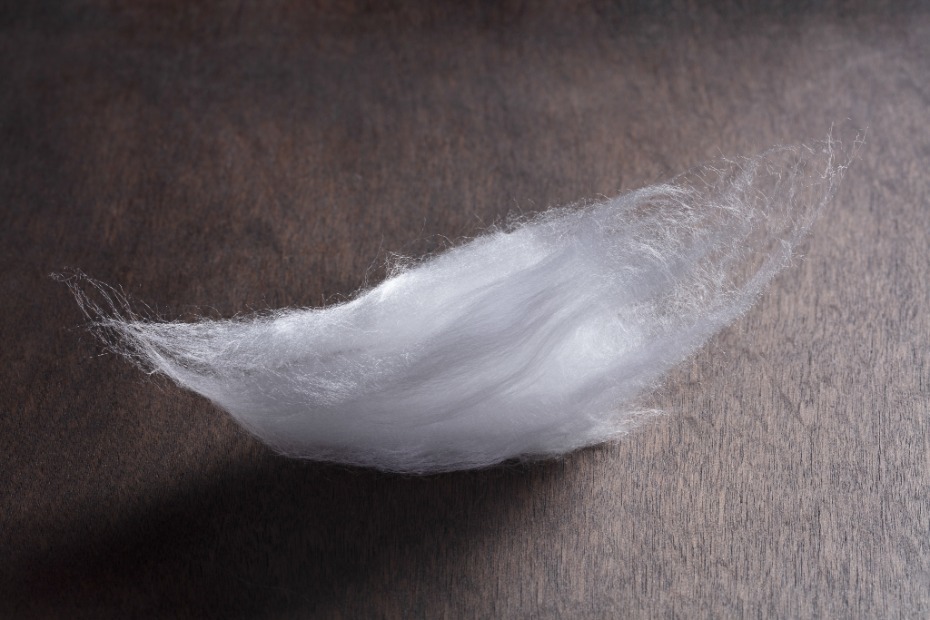
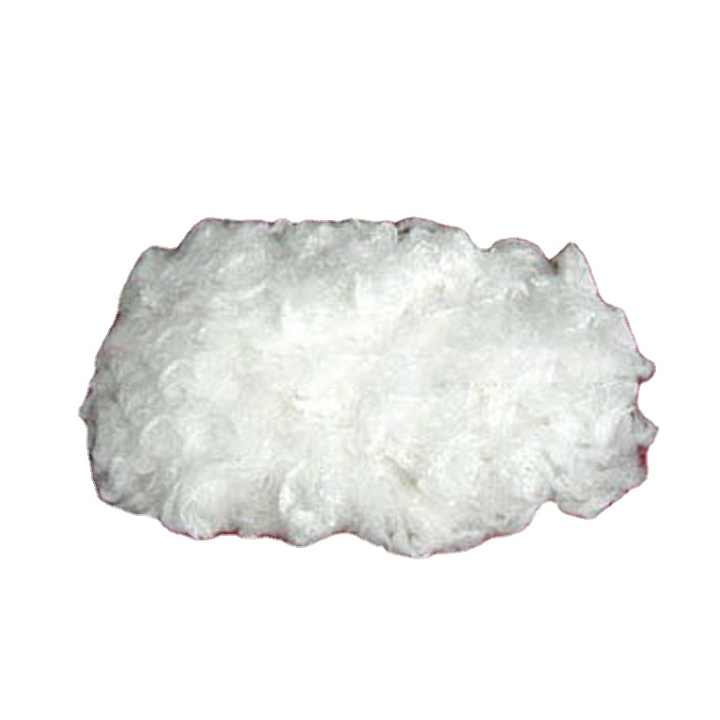
What is Modal Fiber?
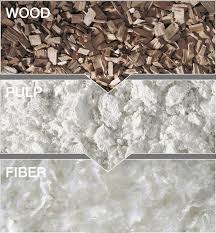
- Modal fiber is a type of cellulosic fiber derived from beech tree pulp.
- It falls under the category of regenerated fibers, meaning it is produced by dissolving wood pulp and then extruding it into fibers.
- Modal is similar to other cellulosic fibers like viscose rayon and lyocell (Tencel), but it has some distinct characteristics that set it apart.
PRODUCT DETAIL
What is Modal Fiber?
Modal is classified as the second generation of viscose and is derived from beech wood. Unlike cotton, beech requires no irrigation or extensive cultivation, making it a natural and sustainable resource. The resulting Modal fabric is soft, biodegradable, and exhibits high wet strength.
Modal fiber is a type of cellulosic fiber derived from beech tree pulp.
It falls under the category of regenerated fibers, meaning it is produced by dissolving wood pulp and then extruding it into fibers.
Modal, another type of rayon, uses beech trees with a similar process to viscose. The company Lenzing, selling modal under Lenzing Modal®, only uses trees from sustainably harvested forests (PEFC certified) and employs an eco-friendly bleaching method. However, modal is produced by many other manufacturers who don’t necessarily use sustainable processes.
Modal is sometimes referred to as a second-generation cellulosic fiber, improving on traditional viscose both in its performance as a fabric and its record on sustainability.
Modal is similar to other cellulosic fibers like viscose rayon and lyocell (Tencel), but it has some distinct characteristics that set it apart.
Modal maintains its shape and appearance even after numerous washes, resulting in soft, breathable garments. Clothing made from modal denim feels significantly softer compared to rayon.
Market Presence & Future Trends of Modal Fiber
Modal is a generic concept that was first developed in Japan in 1951. By 1964, the Austrian viscose fiber producer Lenzing had launched its Modal brand, which is still today one of the best-known fibers on the market. Modal currently accounts for 3 percent of all cellulosic production.
Modal fiber is produced from beechwood pulp. Lenzing sources more than half their supply from Austria and the remainder from neighboring countries, all said to be sustainable plantations. Birla, another leading modal producer based in India, also makes clear that it sources sustainably from Canada and Sweden.
Manufacturing & Sustainability Concerns of Modal Fiber
Modal fiber, also known as natural green fiber, is a sustainable material sourced from nature that boasts numerous advantageous qualities. Comprised of plant-derived cellulose, this fiber is free from chemical additives and synthetic components, rendering it biodegradable and environmentally sustainable. Notably, it poses no risk to human health or the environment.
Prominently, natural green fibers exhibit exceptional moisture absorption and breathability, effectively managing moisture levels to sustain a comfortable sensation. Its innate softness and moderate elasticity render it highly suitable for incorporation in textile and garment production, offering wearers a pleasing experience.
Furthermore, natural green fiber showcases commendable antibacterial properties and anti-odor capabilities. By impeding the proliferation of bacteria and fungi, it diminishes unpleasant odors, ensuring garments remain fresh and hygienic.
Not all modal producers are so transparent about their sources, and green campaigners allege that some are felling rainforest in Indonesia to plant feedstock for the modal. Campaigners believe that many modal garments made in China will contain modal fiber sourced from Indonesia. According to Textile Exchange, only about 2.5 percent of modals use stock from certified sustainably managed forests.
Generic modal production uses the same methods and chemicals as viscose production—carbon disulfide, sodium hydroxide, and sulfuric acid (all known toxins to human health and the environment). Up to 70 percent of the chemicals and water are recycled in a semi-closed process, whereas none is recycled in viscose production.
Lenzing has improved on the generic modal process. Its modal is produced via a closed-loop process that recovers up to 95 percent of production materials, reducing its carbon and water footprint. This more environmentally friendly system is not commercially available to other producers. Birla says that its system also reuses all by-products from closed-loop bleaching processes.
Technical Parameter
Key Benefits of Modal Fiber
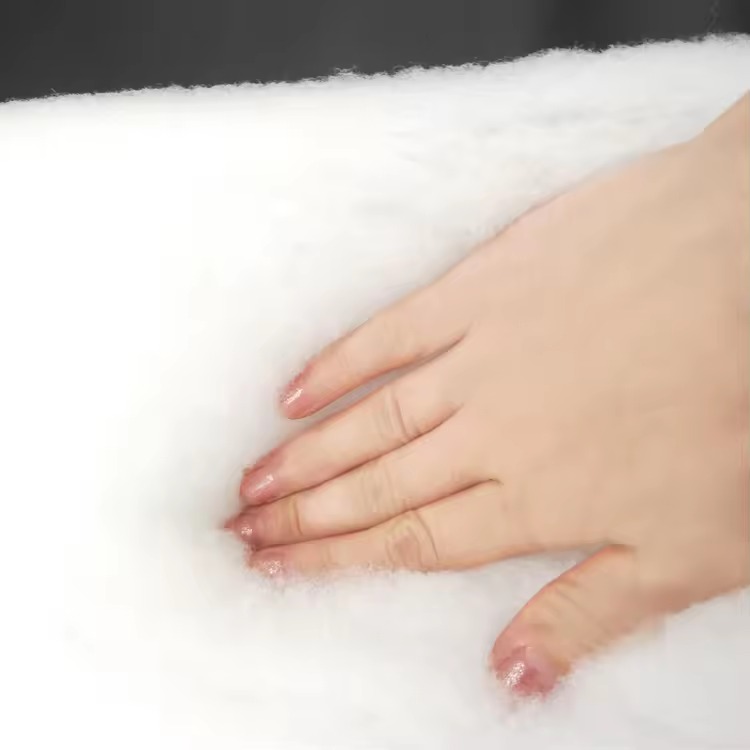
Softness: Modal is known for its exceptional softness, often described as silky or luxurious. This makes it a popular choice for clothing and textiles where comfort is a priority.
Breathability: Modal fiber has excellent moisture-wicking properties, allowing it to absorb moisture and release it quickly. This makes it a comfortable option for activewear, underwear, and other garments worn close to the skin.
Softness and breathability are the key attributes of modal, making it a go-to choice for use in lingerie, base layers, and activewear. Modal has a higher wet strength’ than conventional viscose, meaning that it won’t shrink or lose its shape during washing. It is also up to 50 percent more absorbent than cotton per unit volume. This is a regenerated cellulosic fiber that has found fame in the age of activewear. Breathable and absorbent, this cotton alternative is used to manufacture underwear, pajamas, bathrobes, bedsheets, and more. It has better dimensional stability than other viscose fibers
Durability: Despite its softness, modal fiber is quite durable and has good tensile strength. It can withstand repeated washing and wear, making it suitable for everyday clothing and linens.
Color retention: Modal has excellent dye affinity, resulting in vibrant and long-lasting colors. Garments made from modal fiber tend to retain their color well over time.
Modal fiber dyes and retains color well, and can be blended with all types of fibers – cotton, wool, silk, synthetics, and bast fibers. It can be mercerized for added strength and luster. Modal is also biodegradable.
Eco-friendly: Modal is derived from renewable beech wood, and its production process is generally considered to be more environmentally friendly than that of conventional cotton. Additionally, some modal fibers are produced using closed-loop manufacturing processes that recycle water and solvents.
Modal fiber is used in a wide range of applications, including clothing (such as shirts, dresses, and underwear), bedding, towels, and home textiles. Its combination of softness, breathability, and sustainability has made it a popular choice among both consumers and manufacturers in the textile industry.
Video
FAQ
1. What do you offer?
We supply a comprehensive range of fibers, including recycled hollow conjugated (both siliconized and non-siliconized) polyester staple fiber, hollow fiber, microfiber, virgin polyester staple fiber, and low-melt fiber.
2. What is it used for?
Our fibers are versatile and widely utilized across both the filling and non-woven industries, providing essential loft, durability, and texture for various consumer and industrial applications.
3. Are you a factory or a trading company?
We are primarily a manufacturer specializing in polyester staple fiber with years of industry expertise. To better serve our clients, we also operate a dedicated trading division that allows us to act as a one-stop solution provider.
In addition to our own fiber production, we source high-quality textile components (such as yarn and low-melt fibers) and finished goods (including foam, pillows, cushions, toys, and down/feather products) to ensure our customers have access to a comprehensive supply chain.
4. Where is your factory location?
To maintain a robust and flexible global supply chain, our manufacturing facilities are strategically located throughout Asia, specifically in Vietnam, China, Malaysia, Thailand, and Indonesia. If you would like to visit one of our sites, please contact your sales representative, and we will be happy to arrange transportation for you.
5. Can you accept free sample?
Yes, we provide free hand samples for quantities under 1 kilogram. Once a price is confirmed, we can prepare and dispatch your sample within 2–3 business days. Please note that while the sample is free, the freight costs are the responsibility of the client.
6. Can you provide ODM service?
Absolutely. We specialize in ODM (Original Design Manufacturing). This means we can customize the material composition, dimensions, quantity, packaging, and branding to meet your specific requirements. Your logo and unique specifications will be integrated into the final product.
7. How about your quality? What’s the minimum order Quantity (MOQ)?
We invite you to place a trial order to experience our quality firsthand. Our standard MOQ is 23,000 kilograms per order.
Regarding pricing, we maintain a no-bargain policy. We believe in transparency and efficiency, so we provide our most competitive offer upfront to save you time and ensure a straightforward procurement process.
8. Can I mix different items in one order?
Yes, for your convenience, we allow for a maximum of two different items to be mixed within a single container.
9. How can you guarantee the product quality?
Quality is the cornerstone of our business. We employ an experienced QC team that monitors every stage of production, from raw material inspection to the final manufacturing process. We utilize a range of advanced testing instruments to ensure our fibers meet strict industry standards.
Our business philosophy is simple: We aim to serve one customer 1,000 times, rather than 1,000 customers once. We prioritize long-term partnerships built on consistent excellence.
10. What’s the payment terms?
L/C at sight, 30% TT in advance are mostly accepted; other terms shall be negotiable by both sides
For more information, please feel free to contact :
Tony Tan
Mobile number: +84 90 466 5251 (Whatsapp/Wechat/Viber/Signal)