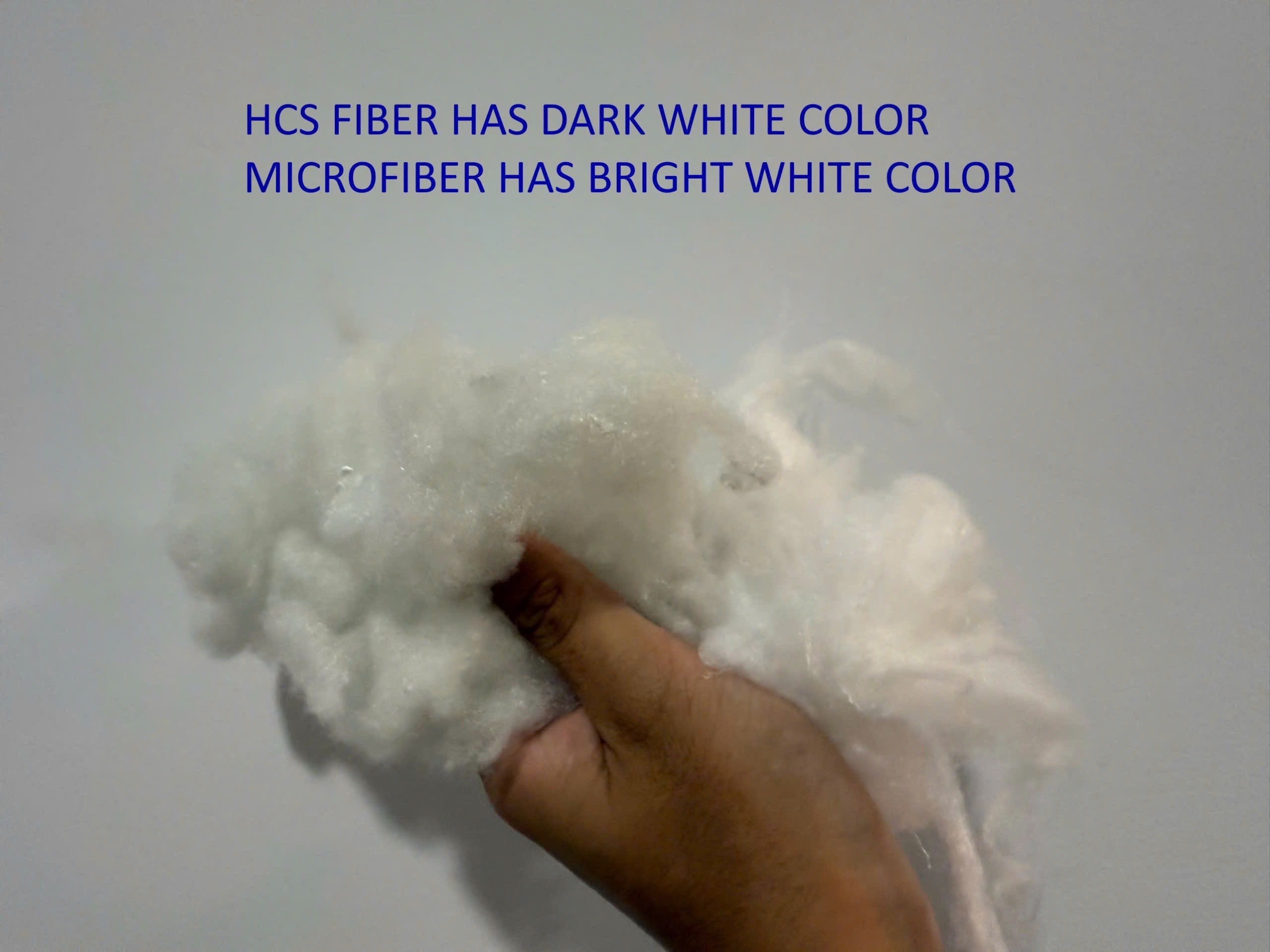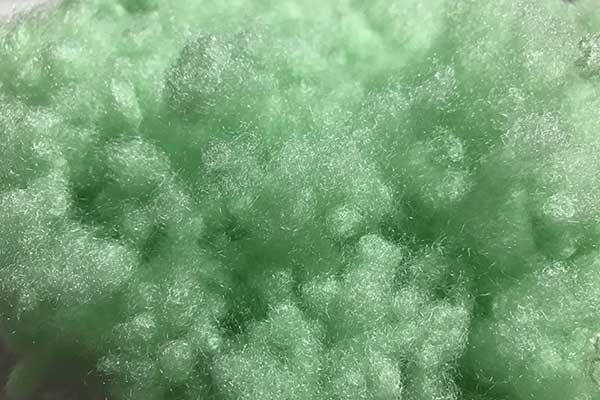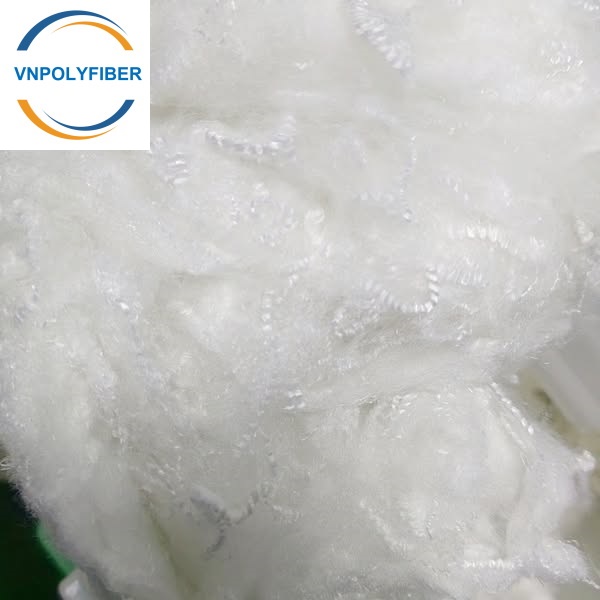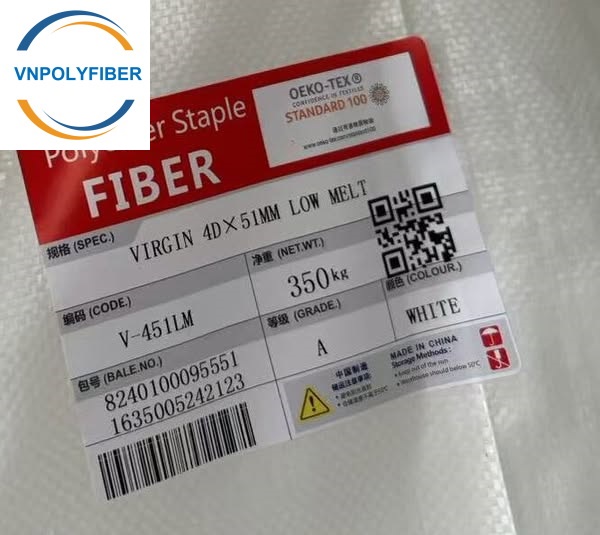
Low Melting Fiber
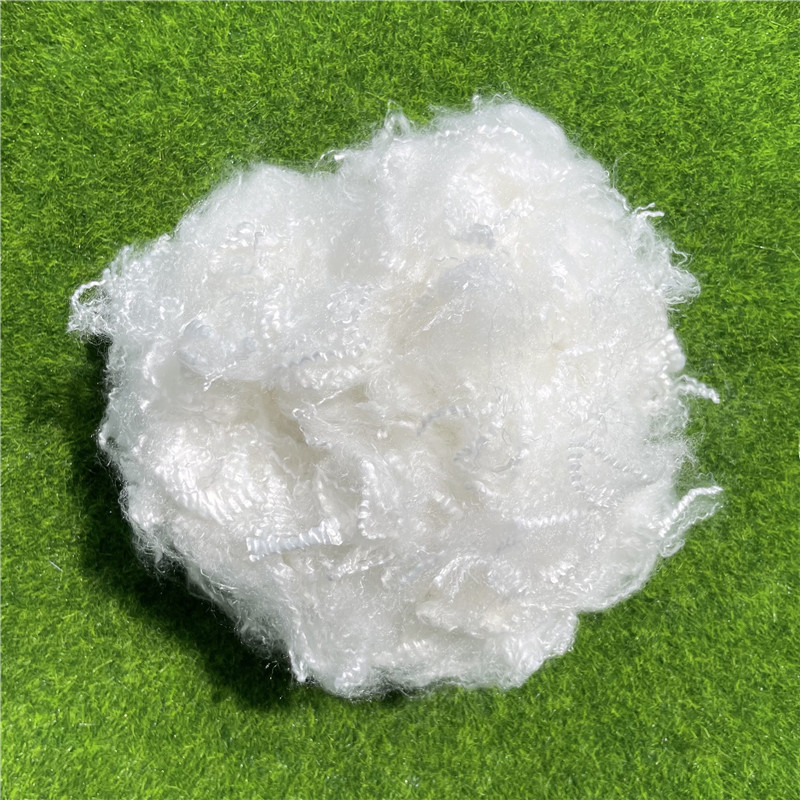
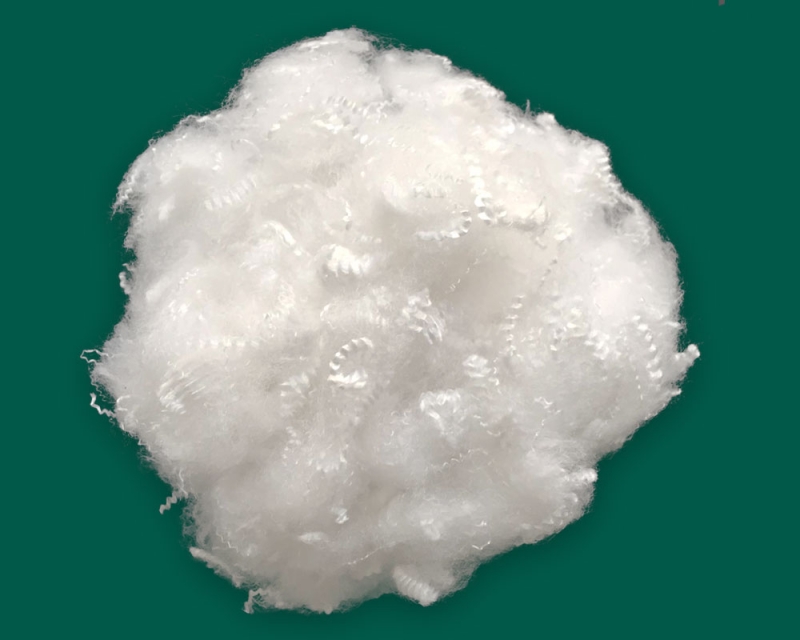
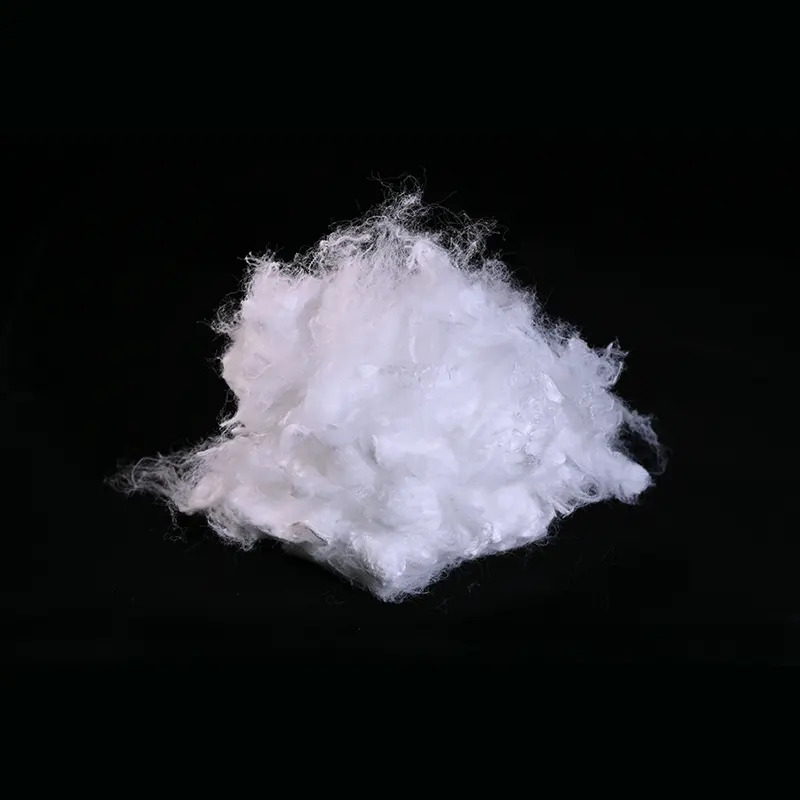
- The term “Low Melting Fiber” describes a bi-component fiber utilized as a thermal bonding agent, with a typical structure of sheath/core composition.
- This fiber consists of a sheath polymer and a core polymer, wherein the melting point of the sheath polymer is lower than that of the core polymer.
PRODUCT DETAIL
What is Low Melting Fiber?
Low Melting Fiber (LMF) is a specialized synthetic bi-component fiber engineered for thermal bonding applications. Unlike standard monocomponent fibers, LMF is produced using a sophisticated “simultaneous spinning” process that combines regular polyester with modified polyester.
The Sheath/Core Structure
The secret to the performance of LMF lies in its dual-layer geometry.
The Core: Composed of standard polyester (PET) with a high melting point. This acts as the structural “skeleton” of the fiber, ensuring it remains solid and retains its shape even under heat.
The Sheath: Composed of modified polyester with a significantly lower melting point (typically below 130°C).
When heat is applied during the manufacturing process, the sheath melts to act as a powerful “glue,” while the core stays intact to provide strength and resilience.
Key Advantages of Low Melt Fiber
1. Cost Reduction and Manufacturing Efficiency
One of the most compelling reasons to switch to Polyester Low Melt Fiber is the immediate reduction in production costs.
Rapid Melting: Because the sheath reacts quickly at low temperatures, production lines can run at higher speeds.
Energy Savings: Lower processing temperatures mean reduced energy consumption for industrial ovens and thermal bonding machinery.
2. Enhanced Product Durability and Feel
LMF is not just a bonding agent; it is a supplementary material that improves the final product’s quality.
Exceptional Softness: Despite its bonding capabilities, the fiber maintains a soft hand-feel, enhancing the luxury of the finished textile.
Wear Resistance: Polyester is naturally durable, and when heat-bonded, it creates a stable matrix that resists fraying and deformation over time.
3. Eco-Friendly “Adhesive-Free” Bonding
Traditional nonwovens often relied on liquid chemical binders or latex glues. LMF replaces these chemicals entirely. This results in a product that is:
Odor-free and hypoallergenic.
Easier to recycle, as the final product is often 100% polyester (mono-material).
Safer for use in sensitive environments like hospitals and nurseries.
Primary Applications of Low Melt Fiber
1. Bedding and Furniture: The Mattress Revolution
LMF is the “gold standard” for the production of high-quality mattresses and bed pads. By mixing LMF with standard polyester staple fiber, manufacturers create “thermally bonded wadding” that provides excellent support, breathability, and bounce-back (elastic recovery) without the chemical smell of traditional foam.
2. Automotive and Transport Seating
In the automotive sector, weight reduction and durability are paramount. LMF is used to create seat cushions, headliners, and door panels. Its ability to be molded into complex shapes while maintaining structural integrity makes it indispensable for modern car interiors.
3. Filtration and Industrial Nonwovens
Because LMF creates a secure bond at every intersection of the fiber web, it is ideal for producing air and liquid filters. The resulting structure is porous enough for flow but strong enough to trap particles under pressure.
Conclusion: Why Invest in High-Quality Low Melt Fiber?
In the world of technical textiles and nonwoven manufacturing, efficiency and bond strength are the keys to a successful product. Polyester Low Melting Fiber (LMF) has emerged as a revolutionary “bi-component” material that serves as a high-performance thermal bonding agent. By eliminating the need for chemical adhesives, LMF provides a cleaner, more cost-effective, and durable way to create high-loft textiles.
Choosing a Polyester Low Melting Fiber that boasts competitive pricing and high quality is a strategic move for any textile manufacturer. It simplifies the production process, eliminates the need for hazardous chemicals, and results in a superior end-product with exceptional longevity.
Whether you are producing high-end mattresses or industrial-grade seat cushions, the sheath/core technology of LMF ensures that your textiles are bonded for success.
Technical Parameter
To meet the needs of different industries, Low Melt Fiber is available in various fineness (denier) and cut lengths.
| Fineness (Denier) | Common Cut Lengths | Typical Application |
| 2D – 4D | 38mm, 51mm | Lightweight nonwovens, interlining, and apparel. |
| 6D | 51mm, 64mm | Automotive interiors and acoustic insulation. |
| 15D | 64mm, 76mm, 89mm | High-loft products like mattresses and heavy seat cushions. |
Characteristics at a Glance:
Polymer Mix: PET + Modified PET.
Melting Point: Standardized at < 130°C.
Bonding Style: Mixes with “normal” fibers (like standard PSF) to form a web, then heated to create a stable elastomer or rigid pad.
Video
FAQ
1. What do you offer?
We supply a comprehensive range of fibers, including recycled hollow conjugated (both siliconized and non-siliconized) polyester staple fiber, hollow fiber, microfiber, virgin polyester staple fiber, and low-melt fiber.
2. What is it used for?
Our fibers are versatile and widely utilized across both the filling and non-woven industries, providing essential loft, durability, and texture for various consumer and industrial applications.
3. Are you a factory or a trading company?
We are primarily a manufacturer specializing in polyester staple fiber with years of industry expertise. To better serve our clients, we also operate a dedicated trading division that allows us to act as a one-stop solution provider.
In addition to our own fiber production, we source high-quality textile components (such as yarn and low-melt fibers) and finished goods (including foam, pillows, cushions, toys, and down/feather products) to ensure our customers have access to a comprehensive supply chain.
4. Where is your factory location?
To maintain a robust and flexible global supply chain, our manufacturing facilities are strategically located throughout Asia, specifically in Vietnam, China, Malaysia, Thailand, and Indonesia. If you would like to visit one of our sites, please contact your sales representative, and we will be happy to arrange transportation for you.
5. Can you accept free sample?
Yes, we provide free hand samples for quantities under 1 kilogram. Once a price is confirmed, we can prepare and dispatch your sample within 2–3 business days. Please note that while the sample is free, the freight costs are the responsibility of the client.
6. Can you provide ODM service?
Absolutely. We specialize in ODM (Original Design Manufacturing). This means we can customize the material composition, dimensions, quantity, packaging, and branding to meet your specific requirements. Your logo and unique specifications will be integrated into the final product.
7. How about your quality? What’s the minimum order Quantity (MOQ)?
We invite you to place a trial order to experience our quality firsthand. Our standard MOQ is 23,000 kilograms per order.
Regarding pricing, we maintain a no-bargain policy. We believe in transparency and efficiency, so we provide our most competitive offer upfront to save you time and ensure a straightforward procurement process.
8. Can I mix different items in one order?
Yes, for your convenience, we allow for a maximum of two different items to be mixed within a single container.
9. How can you guarantee the product quality?
Quality is the cornerstone of our business. We employ an experienced QC team that monitors every stage of production, from raw material inspection to the final manufacturing process. We utilize a range of advanced testing instruments to ensure our fibers meet strict industry standards.
Our business philosophy is simple: We aim to serve one customer 1,000 times, rather than 1,000 customers once. We prioritize long-term partnerships built on consistent excellence.
10. What’s the payment terms?
L/C at sight, 30% TT in advance are mostly accepted; other terms shall be negotiable by both sides
For more information, please feel free to contact :
Tony Tan
Mobile number: +84 90 466 5251 (Whatsapp/Wechat/Viber/Signal)