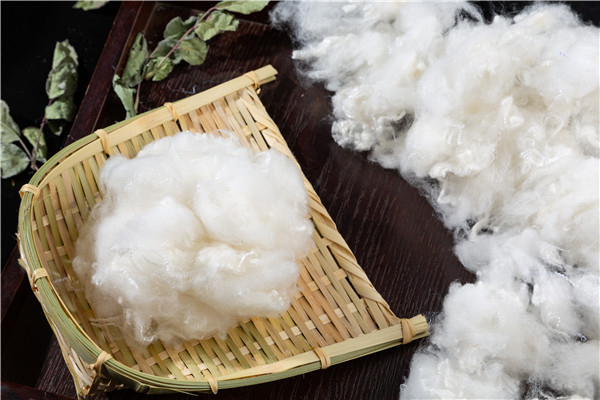
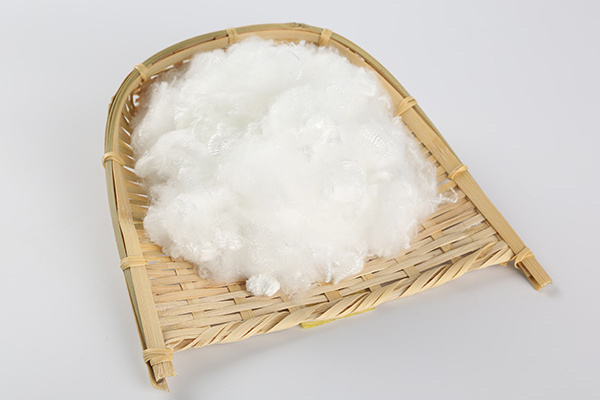
Cationic fiber
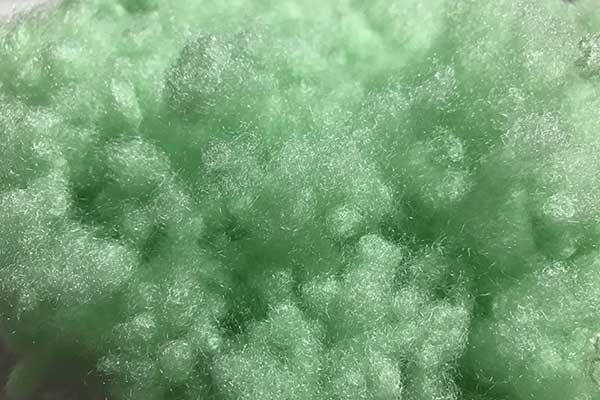
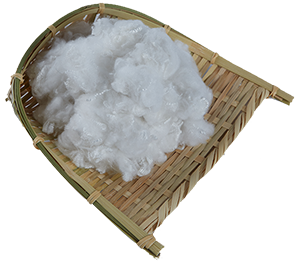
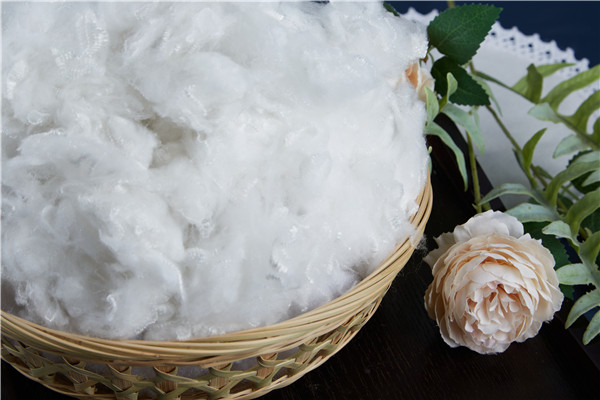
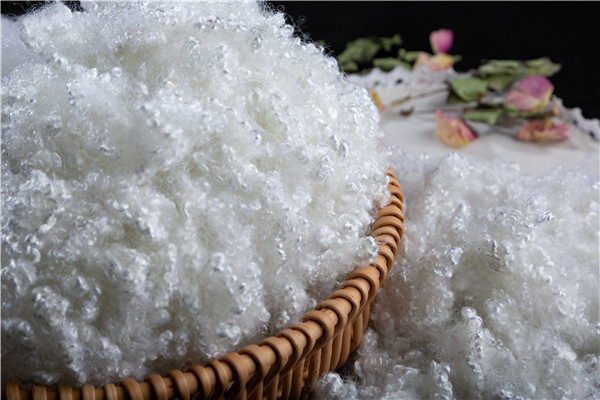
- Cationic fiber refers to a type of synthetic fiber that has been modified at the molecular level to contain positively charged ions, known as cations.
- These fibers are typically made from polyester or nylon and are used in various textile applications.
PRODUCT DETAIL
The Comprehensive Guide to Cationic Fiber: Innovation in Dyeing and Functionality
In the competitive landscape of synthetic textiles, Cationic Fiber (often referred to as Cationic Dyeable Polyester or CDP) represents a significant leap in chemical engineering. By modifying the molecular structure of standard polyester, manufacturers have created a fiber that solves the most common limitations of synthetic materials: poor dye absorption, static buildup, and lack of microbial resistance.
This guide explores the science behind cationic modification, its unique adsorption capabilities, and why it is becoming the preferred choice for high-end apparel and industrial filtration.
What is Cationic Fiber?
At its simplest level, cationic fiber is a synthetic material—typically polyester or nylon—that has been modified during the polymerization process. By introducing a “third monomer” (such as Sodium Isophthalic Acid Dimethyl Ester Sulfonate or SIPM), the molecular chain gains sulfonic acid groups. These groups provide the fiber with a negative charge, which allows it to bond strongly with cationic (basic) dyes that carry a positive charge.
While standard polyester requires high temperatures and high pressure to accept color, cationic fibers can be dyed at lower temperatures, producing colors that are remarkably deep, vibrant, and resistant to fading.
The Chemistry of Adsorption: Beyond Color
One of the most remarkable features of cationic fibers is their electrostatic interaction. Because the fiber surface is equipped with cationic groups, it behaves like a magnet for anionic (negatively charged) substances.
1. Adsorption of Harmful Gases
In environmental applications, cationic fibers act as a molecular filter. They possess a high affinity for volatile organic compounds (VOCs).
Formaldehyde and Benzene: These common indoor pollutants often carry a slight negative polarity or interact with the active sites on the cationic fiber.
Air Purification: Unlike standard mechanical filters that simply trap dust, cationic fibers can chemically “grab” harmful gas molecules, making them essential for high-end HVAC filters and car cabin air purifiers.
2. Antibacterial and Antimicrobial Mechanics
The “Cationic Effect” is a natural enemy to many microorganisms. Most bacteria cell walls are negatively charged. When these bacteria come into contact with the positively charged ions of a cationic-modified fiber, the electrostatic pressure can disrupt the cell membrane, inhibiting the growth of:
Odor-causing bacteria
Fungi and molds
Common allergens
Key Advantages of Cationic Fiber
To understand why a manufacturer would choose cationic fiber over standard PET, we must look at the four pillars of its performance:
1. Enhanced Dyeability and “Two-Tone” Effects
Cationic fibers allow for a unique textile technique called cross-dyeing. When a fabric is woven using a blend of regular polyester and cationic polyester, it can be submerged in a single dye bath. The cationic fibers will take up the basic dye, while the regular fibers remain white or take up a different dispersed dye. This creates a beautiful, heathered “two-tone” effect without the need for multiple dyeing cycles.
2. Superior Static Resistance
One of the primary complaints about synthetic clothing is “static cling.” This occurs because electrons build up on the surface of the fiber. The ionic nature of cationic fiber facilitates the dissipation of these charges. This makes cationic textiles:
More comfortable to wear in dry climates.
Safer for use in industrial “clean rooms” where static can damage electronics.
Less likely to attract lint and dust.
3. Moisture Management and Comfort
Traditional polyester is hydrophobic (repels water). However, the modification process for cationic fibers often introduces more hydrophilic (water-loving) sites on the polymer chain. This improves the moisture regain of the fabric, allowing it to wick sweat away from the skin more effectively than standard synthetics.
4. Color Fastness
Because the bond between the cationic dye and the fiber is ionic (a chemical bond) rather than just physical entrapment, the color fastness is exceptional. These fabrics can withstand repeated washing and heavy UV exposure without the “bleeding” or “graying” common in lower-quality textiles.
Industrial and Commercial Applications
The versatility of cationic fiber allows it to span across multiple sectors:
Apparel and Sportswear
In the world of “athleisure,” cationic fiber is king. Its ability to produce vibrant neon colors and deep blacks—combined with its anti-static and moisture-wicking properties—makes it ideal for yoga leggings, running shirts, and high-performance outerwear.
Home Textiles: Carpets and Upholstery
For carpets, cationic fiber offers two major wins: stain resistance and aesthetic depth. Because the dye sites are “occupied” by the cationic modification, it is harder for external stains (like red wine or coffee) to find a place to bond.
Filtration Media
As discussed earlier, the electrostatic properties make cationic fibers a superior choice for air and liquid filtration. They are frequently used in:
Industrial mask filters
Water purification systems
Vacuum cleaner exhaust filters
Comparison: Cationic Fiber vs. Standard Polyester
| Feature | Standard Polyester (PET) | Cationic Fiber (CDP) |
| Dyeing Temperature | High (130°C+) | Moderate (95°C – 102°C) |
| Color Vibrancy | Moderate | Exceptional / Deep |
| Static Build-up | High | Low |
| Moisture Wicking | Low | High |
| Antibacterial | No (unless treated) | Naturally Resistant |
Manufacturing and Sourcing: What You Need to Know
When sourcing cationic fiber, it is vital to understand the Dtex (Decitex) and the filament count.
The critical point is often the energy savings. Because cationic fiber can be dyed at lower temperatures and atmospheric pressure, the textile mill reduces its carbon footprint and energy costs. This makes cationic fiber a “greener” choice in the eyes of modern brands focusing on sustainability.
Technical Parameter
Luster: Semi-dull, Bright, or Full-dull.
Cross-section: Round, Trilobal (for extra shine), or Flat.
Applications: Circular knitting, weaving, and spinning.
Conclusion
Cationic fiber is not just a “modified plastic”; it is a high-performance solution for the modern textile era. By bridging the gap between the durability of synthetics and the comfort/color-richness of natural fibers, it offers unparalleled value to manufacturers and consumers alike.
Whether your goal is to eliminate indoor pollutants through advanced filtration or to create a vibrant, sweat-wicking garment that feels like a second skin, cationic technology provides the chemical foundation for success.
Video
FAQ
1. What do you offer?
We supply a comprehensive range of fibers, including recycled hollow conjugated (both siliconized and non-siliconized) polyester staple fiber, hollow fiber, microfiber, virgin polyester staple fiber, and low-melt fiber.
2. What is it used for?
Our fibers are versatile and widely utilized across both the filling and non-woven industries, providing essential loft, durability, and texture for various consumer and industrial applications.
3. Are you a factory or a trading company?
We are primarily a manufacturer specializing in polyester staple fiber with years of industry expertise. To better serve our clients, we also operate a dedicated trading division that allows us to act as a one-stop solution provider.
In addition to our own fiber production, we source high-quality textile components (such as yarn and low-melt fibers) and finished goods (including foam, pillows, cushions, toys, and down/feather products) to ensure our customers have access to a comprehensive supply chain.
4. Where is your factory location?
To maintain a robust and flexible global supply chain, our manufacturing facilities are strategically located throughout Asia, specifically in Vietnam, China, Malaysia, Thailand, and Indonesia. If you would like to visit one of our sites, please contact your sales representative, and we will be happy to arrange transportation for you.
5. Can you accept free sample?
Yes, we provide free hand samples for quantities under 1 kilogram. Once a price is confirmed, we can prepare and dispatch your sample within 2–3 business days. Please note that while the sample is free, the freight costs are the responsibility of the client.
6. Can you provide ODM service?
Absolutely. We specialize in ODM (Original Design Manufacturing). This means we can customize the material composition, dimensions, quantity, packaging, and branding to meet your specific requirements. Your logo and unique specifications will be integrated into the final product.
7. How about your quality? What’s the minimum order Quantity (MOQ)?
We invite you to place a trial order to experience our quality firsthand. Our standard MOQ is 23,000 kilograms per order.
Regarding pricing, we maintain a no-bargain policy. We believe in transparency and efficiency, so we provide our most competitive offer upfront to save you time and ensure a straightforward procurement process.
8. Can I mix different items in one order?
Yes, for your convenience, we allow for a maximum of two different items to be mixed within a single container.
9. How can you guarantee the product quality?
Quality is the cornerstone of our business. We employ an experienced QC team that monitors every stage of production, from raw material inspection to the final manufacturing process. We utilize a range of advanced testing instruments to ensure our fibers meet strict industry standards.
Our business philosophy is simple: We aim to serve one customer 1,000 times, rather than 1,000 customers once. We prioritize long-term partnerships built on consistent excellence.
10. What’s the payment terms?
L/C at sight, 30% TT in advance are mostly accepted; other terms shall be negotiable by both sides
For more information, please feel free to contact :
Tony Tan
Mobile number: +84 90 466 5251 (Whatsapp/Wechat/Viber/Signal)