BCF Yarn
BCF Yarn stands for Bulked Continuous Filament Yarn. A kind of filamentous yarn with bulky filaments, the raw material is polypropylene. These types of yarns are in large bulk but not springy in nature. They are substitutes for acrylic and wool yarns in manufacturing machine-woven carpets, carpet covers, and so on.
The material of the B.C.F yarn is melted at a temperature of 180 to 220 degrees and produces filaments. By making these filaments into one package with excellent stretching and sanding, yarn is made. Among the advantages of BCF yarn, using B.C.F. Yarn used in carpet production causes unevenness because the fibers are not easily removed due to their continuity.
Usage of BCF Yarn
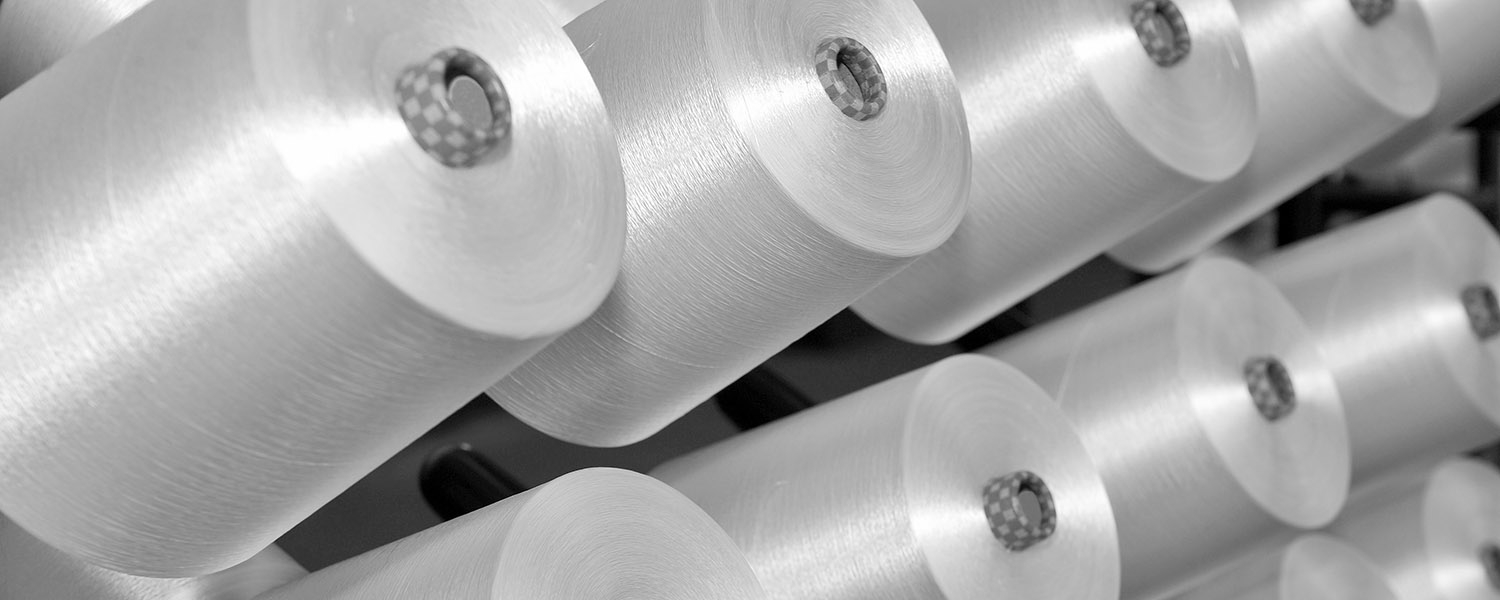
BCF yarns are used in the carpet manufacturing industry, as well as in all types of substructures, carpets, rugs, flooring, cellars, and lounge furnishings. Furthermore, these yarns are used for other threads that require yarn with high volumetric and coating coefficients.
BCF Yarns include:
- Polyester
- PBT
- Nylon 6 & 6.6
- Polypropylene
Raw white, doped-dyed & yarn-dyed. The denier range can be 1000d-20000d
Polypropylene PP Yarns
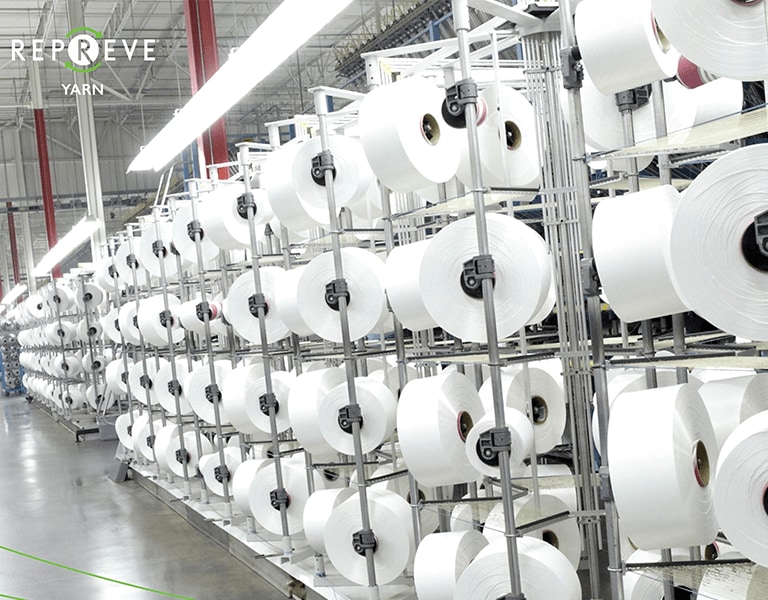
After cotton and polyester, polypropylene fibers are the third most sought after in the textile industry. The production process involves the polymerization of propylene into a linear polymer.
Polypropylene (PP) is a yarn raw material that is commonly used for various applications. Properties such as high tensile strength, low weight, and moisture resistance make the material one of the most widely used materials in the textile industry.
End uses of polypropylene yarn:
Socks, tights, pantyhose, car upholstery, furniture upholstery, soccer/sports socks, ribbons, nets, dyeing hoses, filtration fabric, laces, swimwear, sportswear, undergarments, and seamless items. All knitting applications, All weaving applications (warp & weft), etc.
Advantages of Polypropylene Yarn
- Quick Shipments
- Better pricing
- Best Quality
- Latest machinery & Quality control equipment
- Excellent & strong packaging.
- Available in textured, twisted, and intermingled.
- Color Fastness and high visibility
- UV Stabilized
- Also available in fluorescent colors.
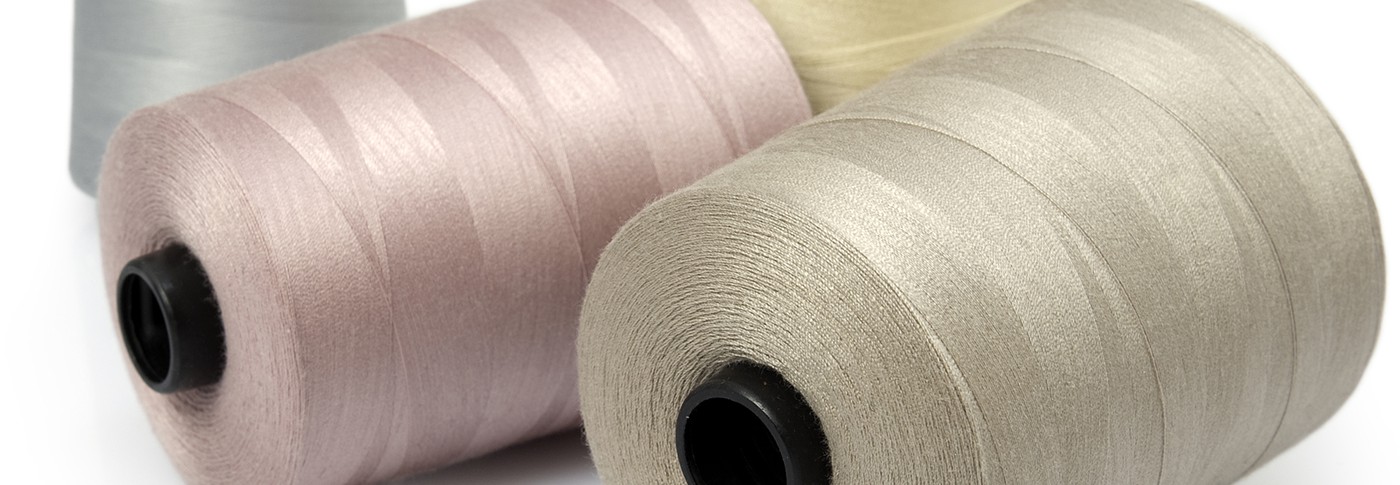
PVA Yarns
PVA, or polyvinyl alcohol, is a water-soluble synthetic polymer that is highly versatile and can adapt to various styles and textures. PVA can be converted into shreds of fibers, liquids, coatings, beads, lubricants, etc.
Polyvinyl alcohol fiber (PVA fiber)
PVA, or polyvinyl alcohol, is the polymer of vinyl alcohol. It is also sold under brand names that are protected, like Kuraray Poval®, Mowiflex®, and Kuralon®. PVA is mainly biodegradable, which is not the case with many other synthetic polymers. PVA can easily dissolve in water or swell, depending on its composition and treatment. Polyvinyl alcohol can be easily implanted in polar matrices since it is hydrophilic.
Benefits of polyvinyl alcohol fiber
- Can break down in nature
- Dissolves in water
- Strong resistance to alkali
- You may change the melting point and how well it dissolves in water.
Cons of polyvinyl alcohol fiber
- Not very stable in UV light
- Fiber made of polyvinyl alcohol
Polyvinyl alcohol fiber—PVA fiber Manufacturing process
Polyvinyl alcohol is the polymer of vinyl alcohol, although it can’t be made directly from vinyl alcohol. Polymerization occurs instead with the acetic acid ester of vinyl alcohol, which is called vinyl acetate. The next step is to hydrolyze the vinyl acetate polymer so that the hydroxyl groups of the vinyl alcohol can be released. The qualities of PVA are mostly determined by the degree of hydrolysis, which is usually between 85% and 98%. PVA that isn’t entirely hydrolyzed normally dissolves easily in cold water, whereas fully hydrolyzed PVA only dissolves in hot water after a lot of time and work. There are two ways to make fiber from PVA: wet spinning and dry spinning.
As a filament yarn, PVA has some beneficial characteristics such as its high tenacity. PVA yarn is Vinylon yarn and can be distributed into water-soluble and insoluble types of yarn. Water-soluble nylon yarn is a functional yarn that is developed by the Japanese over the past decade. It can be dissolved in the range of 20 degrees to 90 degrees of water. It constitutes polyvinyl alcohol, which is one of the very few biodegradable polymers. With excellent acid and alkali resistance, it has superior hot and dry performance and outstanding durability.
Characteristics:
1) Environmental protection
2) Soft feel
3) Lightweight
4) Improve cotton fabrics’ shortage
5) Increase other yarn-spinning count
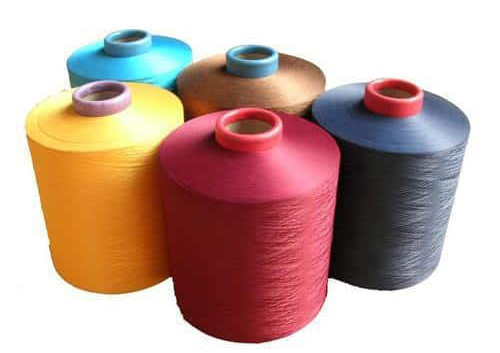
PBT Yarn
PBT stretch yarn is ideal for cloth that is used in manufacturing flat knitted sweaters. The suitable elasticity of the material provides added comfort. Stockings woven with a PBT stretch yarn are light, breathable, and comfortable and have excellent elasticity. It is soft to touch and has excellent resistance and durability.
PBT yarn is a unique category of yarn that takes full advantage of its polymer, polybutylene terephthalate. This yarn facilitates the manufacturing of high comfort garments, carpets, and automotive fabrics. The fabric provides added comfort and seamless movement. This innovative yarn ensures a comfortable microclimate around the body. The yarn creates a finished product that is breathable and has great elasticity and superior color absorption. Due to their low water absorption rates (about 0.4% of H₂O), PBT yarns are sweat-resistant, and their elasticity stays unaffected when exposed to moisture.
PBT yarn is a unique category of yarn that takes full advantage of its polymer, polybutylene terephthalate. This yarn facilitates the manufacturing of high comfort garments, carpets, and automotive fabrics. The fabric provides added comfort and seamless movement. This innovative yarn ensures a comfortable microclimate around the body. The yarn creates a finished product that is breathable and has great elasticity and superior color absorption. Due to their low water absorption rates (about 0.4% of H₂O), PBT yarns are sweat-resistant, and their elasticity stays unaffected when exposed to moisture.
It can also be equipped with elastic and non-elastomeric yarn, which has high stretchability and superior elastic recovery. These characteristics are a result of multidimensional bulking processes that are not only linear, unlike an ordinary elastic yarn.
Fabrics that are manufactured with this fiber, even when the PBT content does not exceed 30 to 35%, turn out to be the ideal body-hugging garments that are breathable and comfortable. This innovation has helped the fashion industry create versatile designs and countless clothing styles for the finished products.
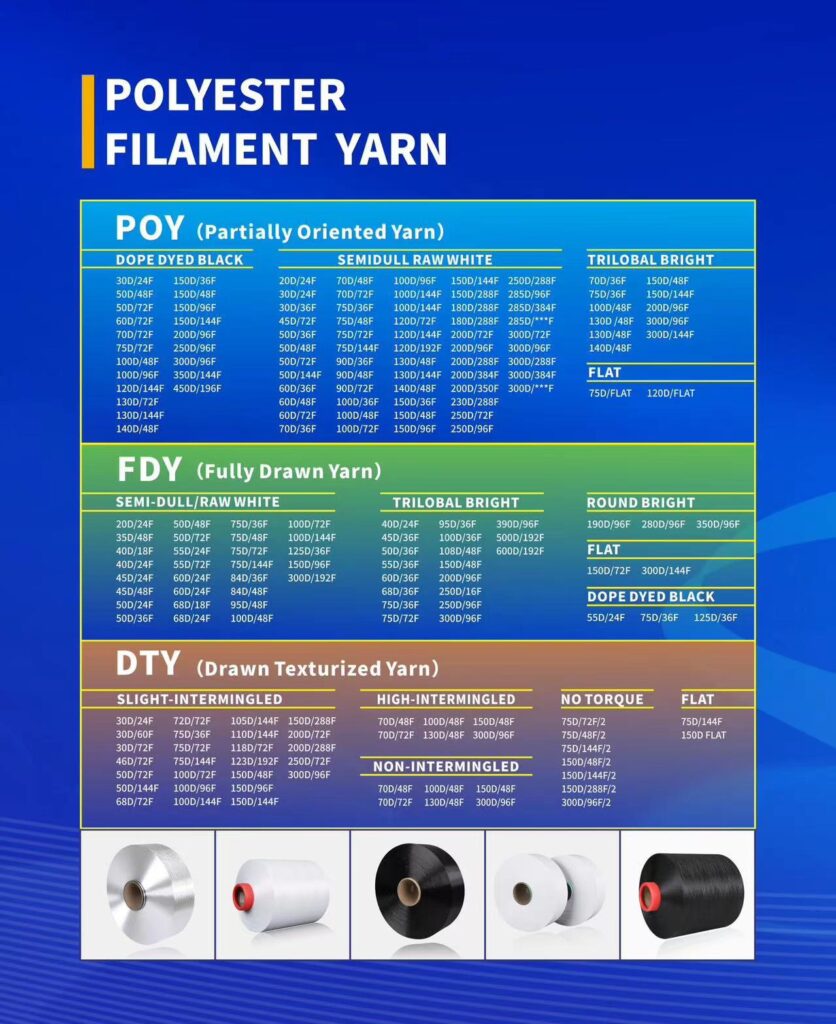
RW – RAW WHITE
DDB – DOPE DYED BLACK
SD – SEMI DULL
TBR—TRILOBAL BRIGHT
FD – FULL DULL
TPM – Twist per meter
Available Cross Section – Circular, Trilobal
Also Available as Ready to Dye Bobbins
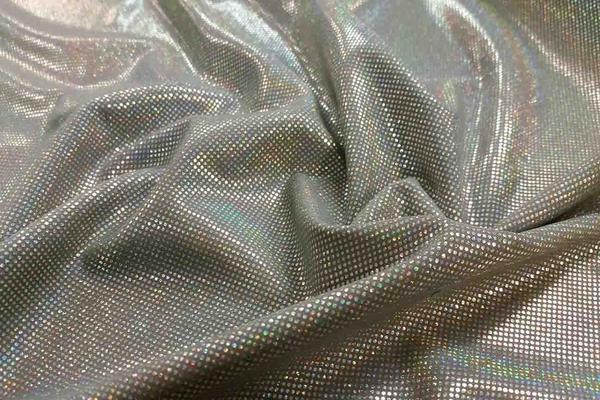
VNPOLYFIBER is proud to have connections and business relationships with some of the biggest manufacturers in China’s polyester industry, specialized in PTA with an annual capacity of 5 million metric tons; polyester staple fiber (PSF) with an annual capacity of 1.2 million metric tons; and polyester filament yarns, including partially oriented yarn (POY), fully drawn yarn (FDY), and drawn texturized yarn (DTY), with an annual capacity of 6.3 million metric tons. The total annual capacity is 12.5 million MTS.
It is equipped with state-of-the-art technology and machines from Dupont, TMT, Neumag, and Barmag.
It has been exporting to more than 90 countries and regions since the year 2004 with excellent quality and customer service.
Our partnership offers a range of products, as listed below. Please do not hesitate to contact us for a quote now!