Recycled Spinning Fiber: How to Turn Waste into Sustainable Yarns and High-Performance Materials
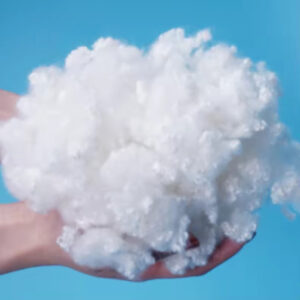
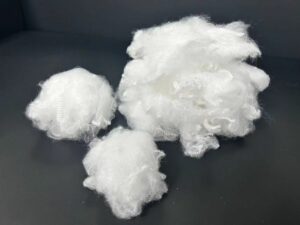
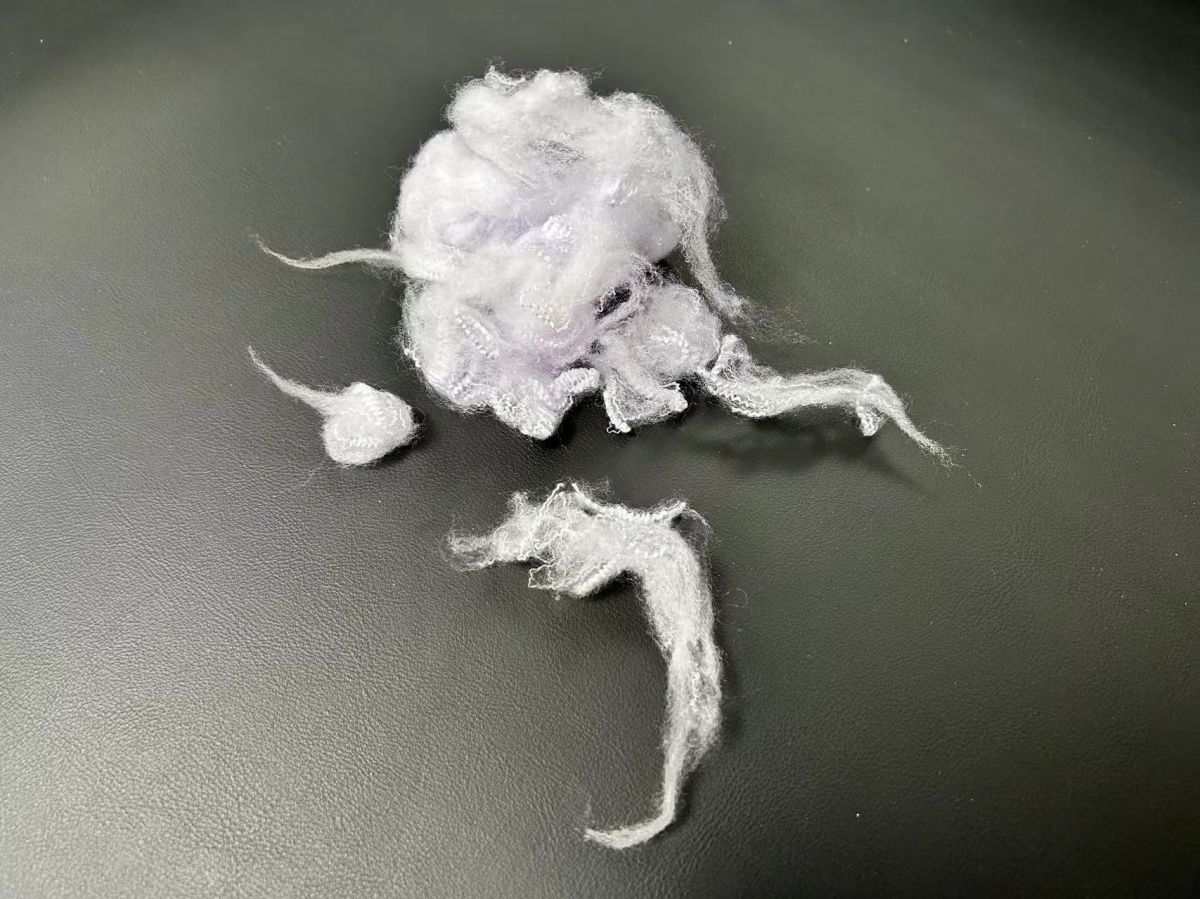
In an era where textile waste fills landfills and virgin resources are increasingly scarce, recycled spinning fiber offers a powerful solution. By transforming discarded fibers and old textiles into new yarns and products, we can significantly reduce environmental impact while creating valuable, cost-effective materials.
Whether you’re a manufacturer, designer, researcher, or sustainability enthusiast, understanding spinning fiber recycling and the latest fiber spinning techniques is essential for building a circular textile economy.

Why Recycled Spinning Fiber Matters in 2026
The textile industry generates millions of tons of waste annually. Recycled spinning fiber addresses this by giving new life to materials that would otherwise end up in landfills. Common approaches include:
- Mechanically processing discarded fibers into yarns through carding, combing, and blending to produce strong, consistent yarns for new fabrics or knitted goods.
- Repurposing old textiles into practical items like bags, rugs, blankets, and home décor — creating unique, one-of-a-kind products with character.
These methods not only divert waste but also conserve water, energy, and raw materials. Recycled fibers often require less processing than virgin materials, making sustainable products more affordable and accessible to a wider audience.
Key environmental benefits of using recycled spinning fiber:
- Reduces landfill waste and microplastic pollution
- Lowers carbon emissions and energy consumption (often 30–60% savings compared to virgin fiber production)
- Conserves precious resources like water and petroleum-based polymers
- Supports circular fashion and meets growing consumer demand for eco-friendly textiles
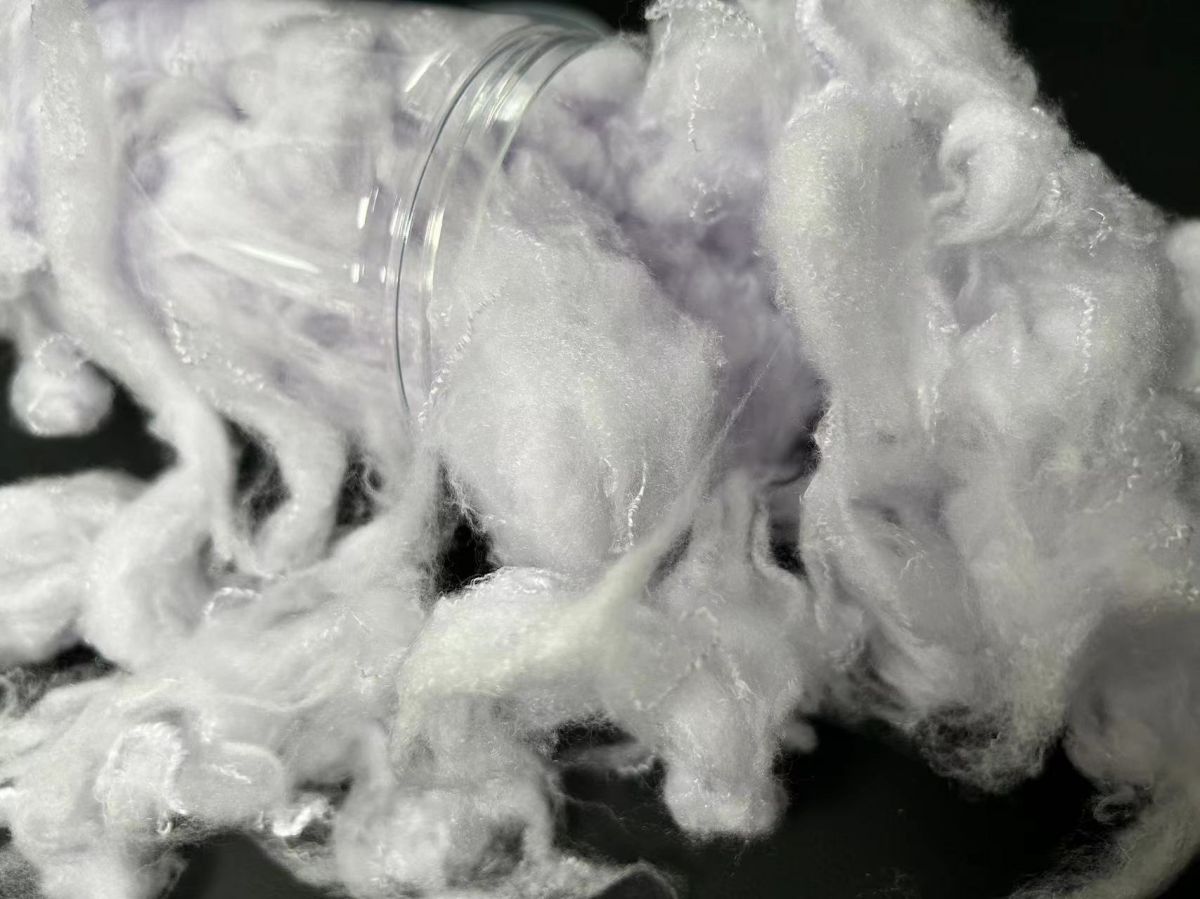
Different Types of Fiber Spinning Techniques
Modern fiber spinning technologies allow us to create everything from everyday polyester to advanced nanofibers. Here are the main methods, including how they support recycled spinning fiber production.
1. Melt Spinning Technical Service
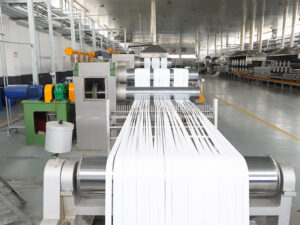
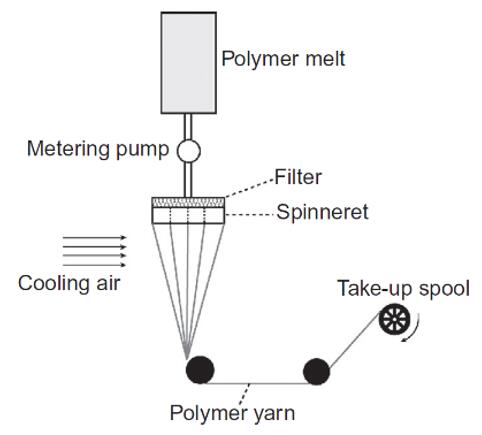
Melt spinning is one of the most widely used chemical fiber-spinning methods. The polymer is heated and melted, extruded through a spinneret, and cooled in air to form solid fibers.
Application Scope Suitable for polymers that melt without significant decomposition, such as polyester, polyamide (nylon), and polypropylene. It also works well for blended fibers, including biodegradable options like PLA (polylactic acid) and PBS (polybutylene succinate) blends, which improve elasticity while maintaining sustainability.
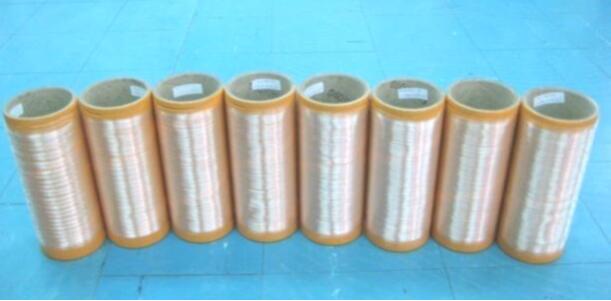
Process Flow
- Preparation of spinning melt
- Formation of melt stream
- Cooling and solidification into spun fibers
- Post-processing (oiling and winding)
Key Characteristics
- High spinning speeds (1,000–7,000 m/min)
- No solvents required — environmentally cleaner
- Simple equipment and short process flow
Influencing Factors Fiber structure and properties depend on spinning speed, drawing, and heat-setting. Higher speeds align polymer chains, improving strength and crystallinity.
Melt spinning is ideal for scaling recycled spinning fiber production, especially rPET from plastic bottles or textile waste.

2. Solution Spinning Technical Service
When polymers decompose before melting, solution spinning becomes the preferred method. A polymer solution is extruded and solidified via a coagulation bath, hot air, or inert gas.
Solution spinning includes three main variants:
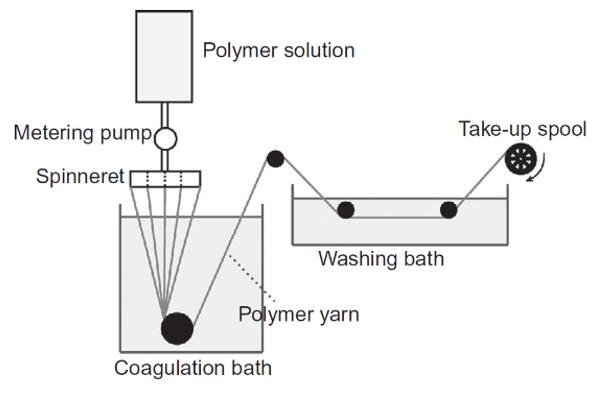
Wet Spinning Ideal for polymers with low decomposition temperatures (e.g., polyacrylonitrile, polyvinyl alcohol, viscose, cupro). The solution is extruded into a chemical bath.
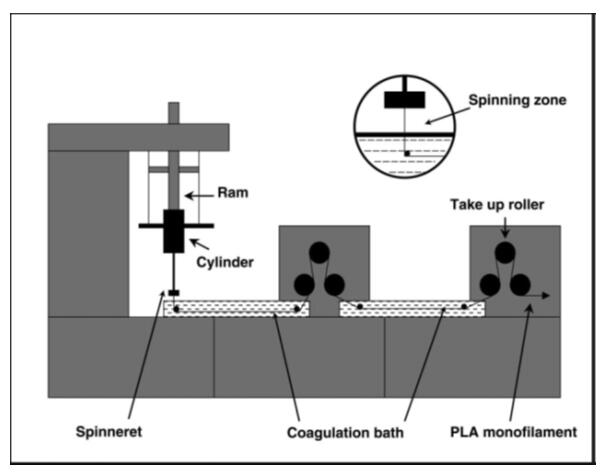
Dry Spinning Used when a low-boiling solvent is available (e.g., acrylic, spandex, PVC). Solvent evaporates in hot air.
Dry-Jet Wet Spinning (Dry-Jet Wet Spinning) Combines advantages of both — excellent for liquid crystal polymers, aramid fibers, PLA, and chitosan. Often called “liquid crystal spinning.”
Solution spinning supports recycled spinning fiber by enabling regeneration of fibers from dissolved waste materials.
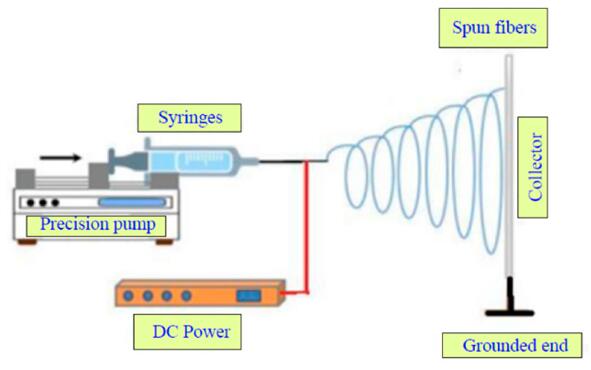
3. Electrospinning Technical Service
Electrospinning uses high-voltage electricity to draw polymer solutions into ultra-fine nanofibers. It is currently the only scalable method for mass-producing nanofibers.
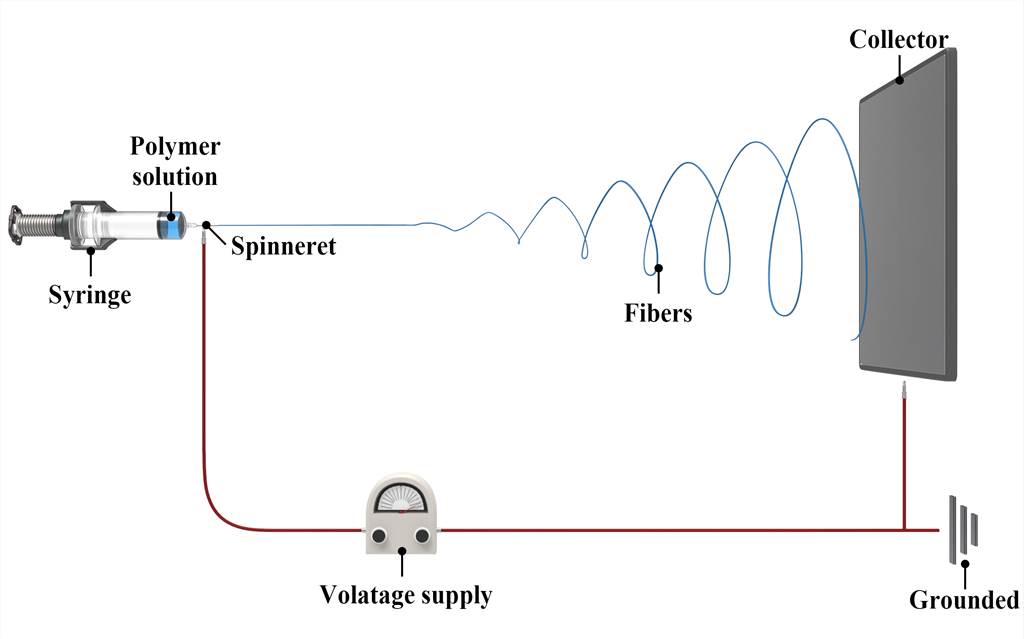

Key Advantages
- Produces nanofibers with large surface area and high porosity
- Works with almost any polymer (synthetic, natural, or recycled)
- Allows easy surface functionalization and customization of fiber size/orientation
Applications include filtration, water treatment, drug delivery, nanocatalysis, and biomedical scaffolds. Melt electrospinning is also possible for thermoplastic recycled materials.
This technique is perfect for creating high-value functional materials from recycled spinning fiber.
4. Gel Spinning Technical Service
Also known as semi-melt spinning, gel spinning produces high-strength, high-modulus fibers through a gel-state intermediate.
It excels with polymers like polyethylene (PE), polyacrylonitrile (PAN), and polyvinyl alcohol (PVA). Applications include high-performance carbon fiber precursors, PTFE, gelatin, and silk fibroin fibers.

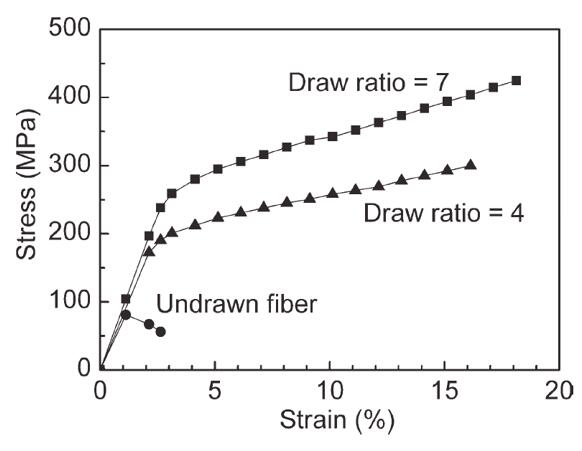
Typical stress-strain curves for undrawn and drawn gelatin fibers
Process Flow
- Preparation of spinning stock solution
- Gel strand formation
- Solvent extraction and drying
- High-stretching (the key step that aligns chains for superior strength)
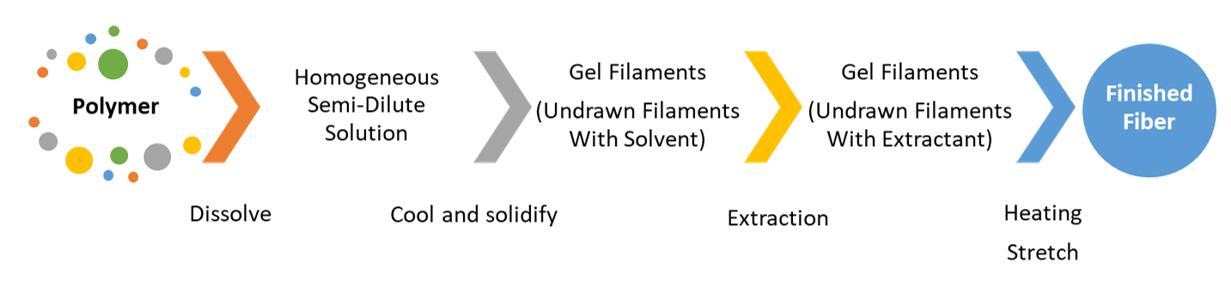
Gel spinning is highly effective for developing specialty recycled spinning fiber products with exceptional mechanical properties.
5. Reaction Spinning Technical Service
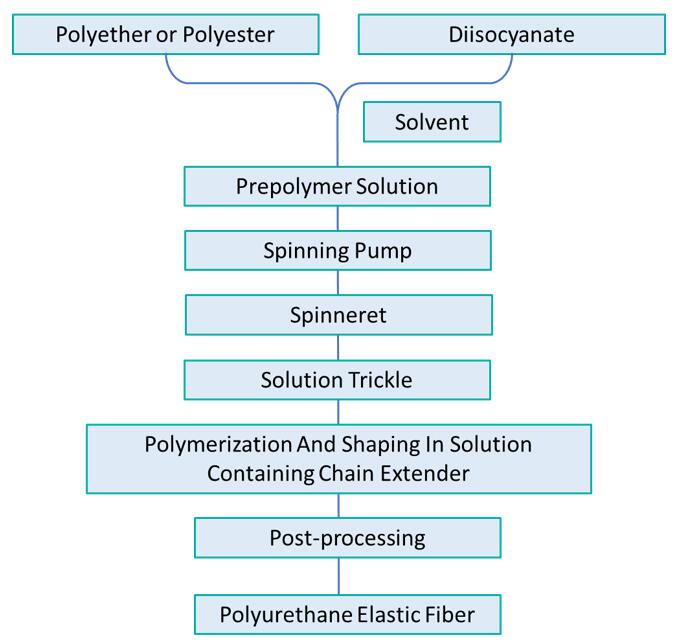
Reaction spinning combines polymerization and fiber formation. The spinning fluid solidifies through a chemical reaction (interfacial, bulk polymerization, or with a curing agent).
It is often combined with other methods (e.g., coaxial electrospinning for core-shell structures) and works with polymers like polyurethane, polyimide, and polyacrylonitrile.
This flexible approach enables innovative nanocomposite fibers and custom functional materials from recycled sources.
How Recycling Integrates with Advanced Spinning Techniques
Recycled spinning fiber can feed into all the above methods. Mechanical recycling (shredding and re-spinning) is the most common starting point, often requiring blending with virgin fibers for strength. Chemical recycling dissolves fibers for higher-quality regenerated yarns via melt or solution spinning.
Emerging innovations, such as fiber-to-fiber recycling and AI-assisted sorting, are making 100% recycled yarns more viable and higher-performing than ever.

Benefits of Choosing Recycled Spinning Fiber
- Environmental — Less waste, lower emissions, reduced water and energy use.
- Economic — Often more cost-effective raw material; opens new revenue from waste.
- Performance — With proper processing, recycled fibers can match or approach virgin quality, especially in blends or high-tech applications.
- Market Appeal — Meets consumer and regulatory demand for sustainable textiles.
Partner With Us for Your Spinning Fiber Needs
Looking to develop custom recycled spinning fiber solutions or scale advanced spinning projects?
We offer:
- Experienced testing and research team
- Full support across all project stages
- Efficient, cost-effective technical services
- Complete advanced infrastructure for melt, solution, electro-, gel, and reaction spinning
Whether you need standard polymer fibers, biodegradable PLA/PBS blends, high-strength gel-spun fibers, or custom nanofibers, our experts can turn your ideas into reality.
Conclusion
Recycled spinning fiber represents a practical and impactful way to reduce textile waste while innovating new materials. From traditional yarn production using carding and blending to cutting-edge techniques like electrospinning for nanofibers and gel spinning for ultra-strong fibers, the possibilities are expanding rapidly.
By integrating recycled spinning fiber into your processes — whether through simple repurposing or sophisticated polymer spinning technologies — you contribute to a more sustainable future.
Ready to explore custom spinning solutions or recycle your textile waste into high-value products? Contact our team today to discuss your project.
FAQs
What is recycled spinning fiber? It refers to fibers recovered from textile waste or post-consumer materials and reprocessed into new yarns or products via spinning techniques.
Which spinning method is best for recycled materials? Melt spinning is often preferred for thermoplastics like rPET, while solution and gel spinning suit more complex or high-performance recycled polymers.
Can recycled fibers match virgin fiber quality? Yes, especially with modern mechanical/chemical recycling and proper blending or advanced spinning parameters. Quality continues to improve in 2026.
What polymers work well with recycled spinning fiber? Polyester (rPET), PLA/PBS blends, polyamide, polyethylene, and various natural/regenerated fibers.