Organic Cotton: The Complete Guide to What It Is, Certifications, Benefits, Limitations and How to Source It
The word ‘organic’ on a textile label is simultaneously one of the most meaningful and most abused terms in the fashion and home textile industry. When properly certified, organic cotton represents a genuinely different agricultural and manufacturing system — one that eliminates synthetic pesticides and fertilizers, uses non-GMO seeds, maintains soil health through rotational practices, and tracks every stage of the supply chain from seed to finished product. When used without certification as a vague marketing claim, ‘organic’ tells you almost nothing at all.
Organic cotton accounts for approximately 1% of global cotton production — a small but growing share of the roughly 30 million tonnes of cotton produced annually. It commands a price premium over conventional cotton, requires third-party certification to substantiate its claims, and serves a consumer and brand segment that pays for verified sustainability credentials. Understanding what organic cotton actually is — and what it is not — is increasingly important for brands, manufacturers, procurement teams, and sustainability professionals operating in today’s textile market.
This complete guide covers the precise definition and standards of organic cotton, how it is grown and processed differently from conventional cotton, the full certification landscape and the critical differences between GOTS, OCS, USDA NOP, BCI, and Fairtrade, a rigorous and balanced comparison with conventional cotton, the genuine limitations of organic cotton, its key applications, the comparison with recycled polyester, and a practical checklist for buyers sourcing verified organic cotton.
Only approximately 1% of global cotton production is certified organic as of 2024. India is the largest producer, accounting for roughly 50% of all organic cotton globally, followed by China, Kyrgyzstan, Turkey, and the United States. This small market share reflects the real production challenges: yields are typically 20–25% lower than conventional cotton, costs are higher, and farms must complete a mandatory 3-year transition period before achieving certification — bearing organic farming costs before receiving the organic price premium.
What Is Organic Cotton? The Precise Definition
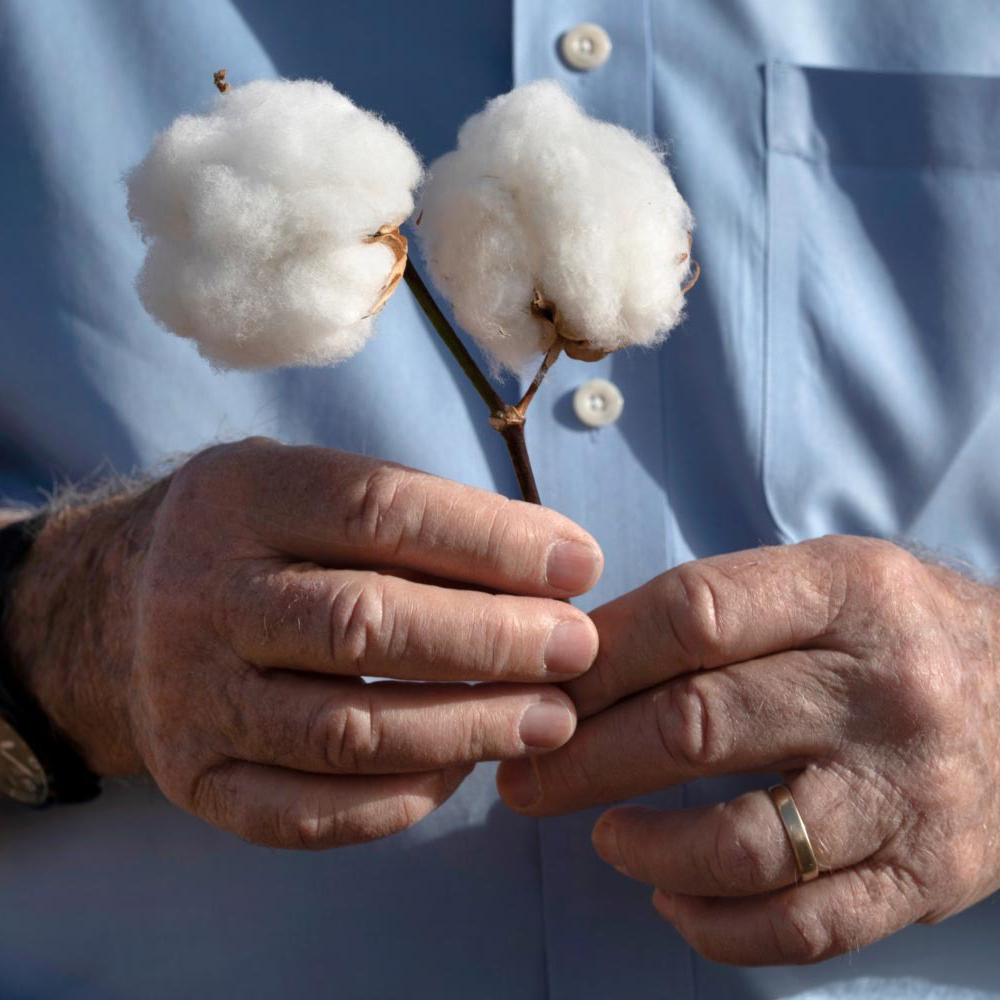
Organic cotton is cotton grown in compliance with organic agricultural standards that prohibit the use of synthetic pesticides, synthetic fertilizers, and genetically modified organisms (GMOs). The key elements that define genuinely certified organic cotton at the farming stage are:
- Non-GMO seeds: Organic cotton must be grown from natural, untreated, non-genetically modified seeds. In countries where GMO cottonseed is dominant — the United States, India, and Brazil, where Bt cotton varieties are widespread — sourcing non-GMO seed is one of the most significant practical challenges organic farmers face. In many regions, seed suppliers have largely discontinued non-GMO varieties, making procurement difficult and expensive.
- No synthetic pesticides or insecticides: Conventional cotton uses approximately 4% of global insecticide use from just 3% of agricultural land — among the highest pesticide loads of any crop. Organic cotton replaces chemical pest management with biological methods: beneficial insects, trap crops, crop rotation, and approved natural preparations such as Bt (Bacillus thuringiensis) bacterial preparations and neem-based treatments.
- No synthetic fertilizers: Soil fertility is maintained through organic matter — compost, manure, green manures, and nitrogen-fixing cover crops — rather than synthetic nitrogen, phosphorus, and potassium fertilizers whose production and application carry significant energy and emissions costs.
- Natural defoliation: Conventional cotton widely uses synthetic chemical defoliants to strip leaves before mechanical harvesting. Organic cotton uses frost exposure (in suitable climates), water deficit management, or hand-harvesting without chemical defoliation.
- Third-party certification: The ‘organic’ claim on a textile product is only verifiable and legally defensible through third-party certification. At the farm level, organic certification bodies verify compliance with agricultural standards. For supply chain credibility, full chain-of-custody certification (most importantly GOTS) covers all processing stages from ginning through to the finished product.
Why Conventional Cotton Is the Problem Organic Addresses
The Pesticide Burden
Conventional cotton is grown on approximately 3% of the world’s cultivated land but accounts for an estimated 4% of global insecticide use — a disproportionate chemical burden reflecting cotton’s particular vulnerability to bollworm, aphid, whitefly, and other pest pressure. The pesticides used include some of the most acutely toxic agricultural chemicals available, classified as ‘highly hazardous’ by the World Health Organization. The documented consequences include: groundwater and soil contamination from pesticide runoff; acute poisoning risks for farm workers in countries where personal protective equipment is inadequate or unaffordable; chronic health impacts including elevated cancer risk from prolonged low-level pesticide exposure; and reduction in field-level biodiversity as predatory insects, birds, and soil organisms are harmed by pesticide application.
For brands with supply chain responsibility commitments and buyers sourcing materials for skin-contact, children’s, and health-conscious consumer applications, this pesticide burden is the most compelling argument for organic cotton. GOTS certification specifically prohibits hazardous chemicals not only at the farming stage but throughout the textile processing chain — addressing the reality that conventionally grown cotton can be processed with equally problematic chemical inputs at spinning, dyeing, and finishing stages.
The Water Crisis: The Aral Sea as the Defining Example
Conventional cotton is one of the most irrigation-intensive commodity crops, and its water demands in water-stressed regions have caused some of the most dramatic water resource depletion events of the modern era. The Aral Sea — once the world’s fourth-largest lake, straddling the border of Uzbekistan and Kazakhstan — has shrunk to approximately 10% of its original surface area, primarily as a consequence of Soviet-era irrigation infrastructure diverting the Amu Darya and Syr Darya rivers to supply cotton fields. The resulting ecological and humanitarian disaster — disappeared fisheries, exposed toxic seabed carrying salt and pesticide residue, regional climate change, and severe public health crises in surrounding communities — represents the most extreme documented case of agricultural water use’s potential consequences.
Organic cotton farming’s soil health practices — higher organic matter content from compost, cover cropping, and rotational tillage — improve the soil’s water retention capacity, reducing irrigation requirements in well-managed production systems. Research by Textile Exchange estimates organic cotton can use approximately 91% less water than conventional in the best-managed systems, though this figure is sensitive to regional conditions, farming practices, and yield differentials. The water advantage is real and significant but should not be treated as universally applicable across all organic cotton production contexts.
Soil Health, Biodiversity, and Carbon
Repeated synthetic fertilizer application degrades soil organic matter and biological diversity over time — reducing the soil’s long-term productivity and its capacity to buffer against drought and pest pressure. Organic farming practices build rather than deplete these soil properties: crop rotation interrupts pest cycles and diversifies root structures; compost application feeds soil microbiology and increases organic matter; cover cropping prevents erosion and adds nitrogen. Healthy, biologically active soil with high organic matter also sequesters atmospheric carbon — making well-managed organic cotton farming a potential contributor to climate mitigation through carbon storage, though the science of quantifying this benefit at scale is still developing.
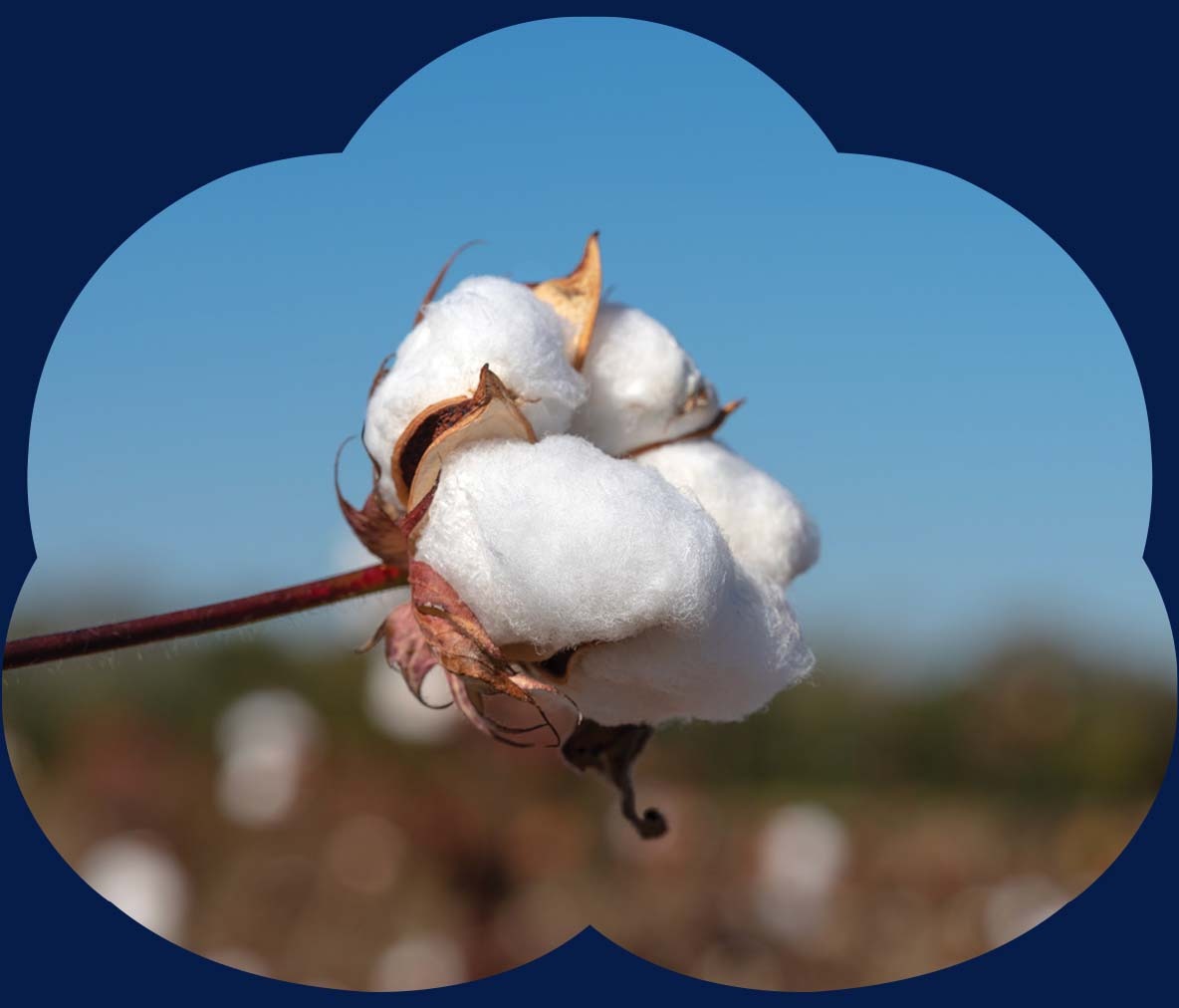
How Organic Cotton Is Grown: The Complete Process
Seed Selection and Farm Transition
Certified organic cotton begins with non-GMO seed selection — increasingly difficult in markets where GMO varieties dominate seed supply. Before a farm can achieve organic certification, it must complete a mandatory transition period of at least three years during which no prohibited synthetic substances are applied to the land. During this transition period, farmers bear all the costs of organic practices — higher labor, biological pest control, organic fertilizer inputs — without yet receiving the organic price premium. This financial barrier is one of the primary reasons organic cotton conversion is relatively slow even among farmers who would prefer to transition.
Pest and Weed Management Without Synthetic Chemicals
Managing cotton’s significant pest and disease pressure without synthetic pesticides is the greatest practical challenge of organic cotton farming, and the primary driver of the 20–25% yield gap versus conventional. Organic pest management strategies that certified producers use include:
- Beneficial insects: Releasing or actively encouraging natural predators — ladybirds, lacewings, parasitic wasps — to control aphid, bollworm, and whitefly populations that would otherwise damage crops significantly.
- Trap crops: Planting attractive crops such as sunflower, marigold, or okra around field margins to draw pests away from cotton, where they can be managed more concentrated.
- Crop rotation: Rotating cotton with other crops (legumes, grains, vegetables) to interrupt pest and disease life cycles, improve soil health, and reduce the buildup of cotton-specific pathogens in the soil.
- Approved biological pesticides: Bt (Bacillus thuringiensis) bacterial preparations target bollworm larvae specifically; neem-based insecticides provide broad-spectrum pest suppression with significantly lower toxicity than synthetic alternatives.
- Physical management: Crop monitoring, hand removal of pests and diseased plant material, and in some production systems, insect exclusion netting for small-holder plots.
Harvesting, Ginning, and Processing
Organic cotton harvesting relies on natural defoliation — frost in cold-climate production regions, water deficit management, or hand-harvesting — rather than the synthetic defoliants used in most conventional mechanical harvesting. Machine harvesting is used in organic cotton production in the US and other mechanized markets, but requires thorough cleaning of equipment to prevent cross-contamination with conventional cotton.
Ginning — separating fiber from seed — must be conducted at certified facilities or carefully managed to prevent contamination. Cross-contamination at the ginning stage is a documented risk in regions where organic and conventional cotton are processed in the same facilities, and GOTS certification auditing specifically addresses ginning facility practices and segregation procedures.
For truly organic textile products, the processing chain after ginning — spinning, dyeing, finishing, garment manufacturing — must also comply with organic and social standards. This is what GOTS certification covers and what farm-level organic certification alone does not.
The Certification Landscape: GOTS, OCS, USDA NOP, BCI, and Fairtrade
The organic cotton certification landscape is the source of the greatest confusion for buyers and brands. Multiple systems exist with very different scope, rigor, and commercial implications. Understanding the differences is critical for making credible and legally defensible sustainability claims.
The single most important fact about organic cotton certification: USDA NOP and EU Organic certification cover only farming practices. A product labeled ‘made with USDA certified organic cotton’ may have been spun, dyed, and finished with hazardous chemicals — and still carry the organic label. Only GOTS certification covers the entire textile supply chain from farm through processing to finished product.
Standard | Full Name | What It Covers and What Buyers Must Know |
GOTS | Global Organic Textile Standard | The gold standard. Covers the ENTIRE supply chain: farm (must be certified to IFOAM/NOP/EU Organic standards), ginning, spinning, weaving or knitting, dyeing, finishing, cutting, and sewing. Two certification levels: ‘Organic’ (minimum 95% organic fiber) and ‘Made with Organic’ (minimum 70% organic fiber). Prohibits hazardous chemicals at all processing stages. Requires wastewater treatment at wet-processing facilities. Includes social criteria: fair wages, safe working conditions, no child labor. Verify with GOTS license number at global-standard.org — this is the only reliable verification method. |
OCS | Organic Content Standard (Textile Exchange) | Covers chain of custody from certified organic farm to finished product — verifies that the organic content in a product can be traced to its certified organic source. Critically, OCS does NOT cover the processing stage’s environmental or social practices. OCS 100: product contains 95%+ organic material. OCS Blended: product contains 5–95% organic material. Useful for content traceability claims; insufficient for chemical safety assurance. A product with OCS certification may still have been processed with hazardous chemicals. |
USDA NOP | USDA National Organic Program | US federal organic certification — covers only the farm-level agricultural practices (no synthetic pesticides, synthetic fertilizers, or GMOs). Does NOT cover textile processing. A garment can be made from USDA-certified organic cotton and still be dyed with heavy-metal-containing dyes, treated with formaldehyde finishes, and processed with other chemicals prohibited by GOTS. The USDA organic seal on clothing refers only to farming. |
EU Organic | EU Organic Regulation | European Union organic farming standards — similar scope to USDA NOP, covering only agricultural practices. Does not cover textile processing chain. The EU is considering expanding organic textile standards but harmonized textile processing standards do not yet exist at EU level. |
BCI | Better Cotton Initiative | NOT an organic standard — this is critically important. BCI certifies ‘more sustainable’ conventional cotton by training farmers to reduce (not eliminate) pesticide and water use. BCI does not prohibit GMOs and does not require organic farming practices. Products should never be marketed as ‘organic cotton’ based on BCI certification alone. BCI is a significant large-scale improvement program (covering approximately 20% of global cotton production), but it operates within the conventional farming system rather than replacing it with organic. |
Fairtrade | Fairtrade Cotton Certification | Covers fair economic terms — minimum price guarantees and Fairtrade premium payments — for cotton farmers and workers. Also includes some social and labor standards. Fairtrade certification may or may not include organic practices; they are separate certifications. Double-certified Fairtrade and organic cotton (often with GOTS) is available and commands the highest market premium but represents a very small volume. |
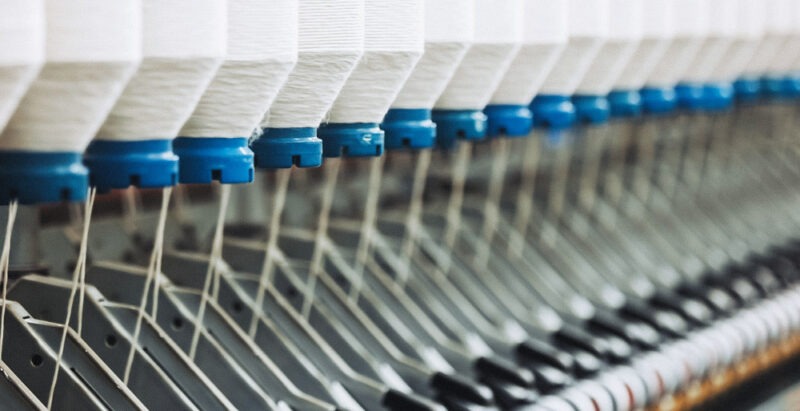
Organic Cotton vs. Conventional Cotton: Full Comparison
Dimension | Organic Cotton | Conventional Cotton |
Seeds | Non-GMO; natural untreated varieties; often locally adapted | GMO varieties dominant in US, India, Brazil (Bt cotton); higher-yielding engineered varieties |
Pesticide use | Zero synthetic pesticides; biological and cultural management only | ~4% of global insecticide use; heavy per-hectare chemical inputs; some highly hazardous pesticides |
Synthetic fertilizers | None; organic matter only — compost, manure, green manures, crop rotation | Synthetic NPK; high application rates; production and transport carry significant GHG costs |
Defoliation | Natural — frost, water deficit, or hand-harvest; no chemical defoliants | Synthetic chemical defoliants widely used before mechanical harvest |
Water use | Lower in well-managed systems; soil organic matter improves water retention | High — heavily irrigation-dependent in most producing regions |
Yield per hectare | Typically 20–25% lower than conventional | Higher per hectare due to optimized synthetic input use |
Soil health over time | Improves — organic matter builds, biological activity increases | Can degrade — synthetic input dependency, reduced soil biodiversity |
Carbon sequestration | Higher organic matter soil sequesters more atmospheric carbon | Lower organic matter, reduced sequestration potential |
Farm worker safety | Eliminates synthetic pesticide exposure; significantly safer working environment | Pesticide exposure risk; in developing markets, PPE often inadequate or unavailable |
Field biodiversity | Supports insects, soil organisms, birds; higher ecological complexity | Pesticide-intensive monoculture reduces biodiversity significantly |
Fiber quality | Equivalent to conventional cotton of same variety and staple | Variable by variety and growing conditions; generally good |
Biodegradability | Fully biodegradable (100% organic cotton, unblended) | Fully biodegradable (100% cotton, unblended) |
Processing (with GOTS) | Hazardous dyes and chemicals prohibited; wastewater treated; social standards at all facilities | No restriction on processing chemistry — conventional dyes, bleaches, and finishes used |
Processing (without supply chain cert) | Organic farming, conventional processing — potential greenwashing gap without GOTS | Conventional throughout, unrestricted chemistry |
Cost to brands | 20–40%+ premium over conventional cotton, sometimes more for long-staple premium varieties | Commodity market pricing — most affordable cotton option |
Certification available | GOTS (comprehensive); OCS (traceability); USDA NOP / EU Organic (farm level only) | BCI (sustainability improvement program); no certification for standard conventional |
Market share (2024 est.) | Approximately 1% of global cotton production | Approximately 99% of global cotton production |
The Honest Limitations of Organic Cotton
A genuinely balanced guide to organic cotton must acknowledge its real limitations alongside its genuine benefits — because overstating its sustainability credentials is itself a form of greenwashing, and credibility requires honesty about tradeoffs:
- Lower yields require more land: The 20–25% yield gap means that producing the same fiber quantity from organic farming requires approximately 20–25% more agricultural land than conventional farming. At organic cotton’s current 1% market share, this additional land requirement is absorbed without significant impact. But rapid organic cotton scale-up scenarios would require substantially more farmland — potentially displacing food crops or requiring conversion of non-agricultural land. This land use dimension is often absent from organic cotton marketing and needs to be part of honest environmental assessments.
- Water savings may be region-specific and overstated: The 91% water saving figure that appears frequently in organic cotton marketing applies to specific well-managed production systems in certain regions. In other contexts — particularly where lower yields require more land to be irrigated for equivalent fiber output — the per-kilogram water advantage of organic cotton is reduced or potentially eliminated. Buyers should regard water saving claims with appropriate caution unless backed by specific production system data.
- Supply chain certification gaps create greenwashing risk: Farm-level organic certification (USDA NOP, EU Organic) does not cover processing chemistry or social conditions at spinning mills, dye houses, and garment factories. Without GOTS covering the full supply chain, organically grown cotton can be dyed with heavy-metal-containing dyes, bleached with chlorine, finished with formaldehyde-based wrinkle-resist chemistry, and produced under exploitative labor conditions — none of which is consistent with consumers’ expectations of ‘organic.’ This gap is one of the most serious integrity challenges in the organic cotton market.
- Not biodegradable when blended with synthetic fibers: Organic cotton blended with polyester, spandex, or nylon loses its biodegradability as a blend. The synthetic component cannot degrade naturally alongside the cotton. Only 100% organic cotton products (unblended) offer genuine end-of-life biodegradability. This means that many ‘organic cotton’ garments containing spandex for stretch (extremely common in modern apparel) are not biodegradable in practice.
- Greenwashing is widespread and difficult for consumers to detect: The absence of protected status for ‘organic’ as a textile claim in many jurisdictions means brands can use the term for products with as little as 5% organic fiber content, without any processing standard compliance. ‘Made with organic cotton,’ ‘contains organic cotton,’ and ‘organic cotton blend’ are all legally ambiguous terms in most markets. Only a specific GOTS license number — verifiable at global-standard.org — provides reliable independent assurance.
- Higher cost limits accessibility: Organic cotton’s 20–40%+ premium over conventional translates to higher consumer prices that limit its accessibility to premium market segments. This means organic cotton’s environmental benefits accrue primarily to consumers who can afford premium products — a social equity dimension that is rarely discussed in sustainability marketing.
Key Applications of Organic Cotton
Children’s Products — The Most Compelling Use Case
Organic cotton’s most commercially and ethically important application is in products with direct, sustained contact with infant and young children’s skin. Children’s skin is thinner and more permeable than adult skin, with a higher surface-area-to-body-weight ratio — meaning chemical residues in fabric are absorbed more readily into developing bodies. GOTS certification provides the most rigorous assurance for children’s applications, covering not only the absence of pesticide residues from organic farming, but also the prohibition of allergenic dyes, formaldehyde finishing agents, and other processing chemicals that could be absorbed through the skin.
- Baby clothing and onesies: Direct full-body skin contact from birth; GOTS is the gold standard certification for newborn and infant clothing
- Cloth diapers: The most intimate skin contact application; organic cotton’s absorbency and breathability are particularly valuable; GOTS + OEKO-TEX Standard 100 Class I dual-certification provides maximum assurance
- Stuffed toys and plush: Young children mouth, hold, and sleep with soft toys extensively; GOTS certification covers chemical safety in stuffing fiber and fabric shell
- Children’s sleepwear and bedding: Direct skin contact through 8+ sleeping hours; particularly important given evidence of chemical residues in non-certified children’s fabrics
For brands targeting parents with safety-conscious purchasing behavior, GOTS certification is increasingly the expected standard rather than a premium differentiator. Competitors without GOTS certification are losing market position in the infant and young children’s product category in European and North American markets.
Skin-Sensitive Adults and Dermatologically Tested Products
Adults with eczema, contact dermatitis, chemical sensitivities, psoriasis, or other skin conditions often find GOTS-certified organic cotton meaningfully more comfortable than conventional alternatives. The key processing-stage benefits — elimination of formaldehyde-based wrinkle-resist finishes (common in conventional easy-care cotton), restriction of allergenic dye classes, and prohibition of certain softening agents — reduce common trigger substances for people with reactive skin.
Medical device, dermatological brand, and health-focused personal care textile products are a growing market for GOTS-certified organic cotton — including bandaging, wound care dressings, cotton pads, and intimate hygiene products where skin safety is the primary product value proposition.
Premium Bedding and Home Textiles
Organic cotton bedding — sheets, pillowcases, duvet covers, mattress covers, and mattress toppers — is one of the highest-growth organic cotton market categories. Consumers who spend eight or more hours in direct skin contact with bedding each night respond to organic certification differently from fast fashion purchase decisions — the extended, intimate skin contact makes the certification directly relevant to personal health rather than abstract environmental commitment. Premium bedding brands including Coyuchi, Boll and Branch, and numerous hotel chains have built significant market positions on GOTS-certified organic cotton positioning.
Sustainable Fashion and Brand Sustainability Commitments
Organic cotton appears throughout sustainable fashion from basics to luxury — from Patagonia, Eileen Fisher, and People Tree (certified organic basics and responsible fashion) to luxury fashion houses with supply chain responsibility commitments. The GOTS license number backs the ‘organic cotton’ claim at retail with independently auditable documentation, providing the consumer confidence and regulatory compliance that brand sustainability communications increasingly require.
Organic Cotton vs. Recycled Polyester: The Sustainability Comparison
The comparison between organic cotton and recycled polyester (rPET) is one of the most practically important sustainability comparisons in the textile industry — and one that is frequently oversimplified. The honest answer is application-specific rather than universal:
Dimension | Organic Cotton | GRS Recycled Polyester (rPET) |
Carbon footprint | ~2.5–3.5 kg CO2e per kg fiber | ~1.5–2.5 kg CO2e per kg fiber (60–70% below virgin PSF) |
Water use in production | Lower than conventional cotton; still significant in irrigation-dependent systems | Very low — ~4–17 litres per kg fiber; essentially negligible |
Land use | Requires agricultural land; does not compete with food production in most organic systems | None — industrial production; no farmland required |
Pesticide and chemical inputs | Zero synthetic pesticides and fertilizers at farm level (with GOTS: clean processing chain) | No agricultural pesticides; petroleum extraction has its own impacts |
Biodegradability | Fully biodegradable (100% cotton, unblended) | Not biodegradable — persists in environment for decades to centuries |
Microplastic shedding | None — cotton fibres are biodegradable; no persistent microplastics | Yes — sheds persistent synthetic microfibers during machine washing |
Renewable feedstock | Yes — cotton plant is a renewable agricultural crop | No — recycled PET still derives from petroleum-origin polymer |
Recycled content certification | Not applicable (agricultural fiber) | GRS chain-of-custody certification available and verifiable |
Performance in fill applications | Heavy, absorbs moisture, flattens — unsuitable for pillow and duvet fill | HCS fill: light, resilient, washable, hypoallergenic, certified — the right choice |
Performance for skin-contact apparel | Soft, breathable, comfortable — the preferred choice for most skin-contact garments | Less breathable; requires moisture-wicking finish; not preferred for underwear |
Best applications | Children’s products, skin-contact apparel, premium bedding fabric, allergy-sensitive uses | Fill products, nonwovens, technical textiles, performance sportswear, automotive |
The most defensible sustainable sourcing position is not to declare one fiber universally superior, but to specify each where its distinctive properties provide genuine, irreplaceable value: GOTS-certified organic cotton for skin-contact applications, children’s products, and scenarios where biodegradability and freedom from synthetic chemicals are the priority; GRS-certified recycled polyester for fill, nonwoven, technical, and performance applications where PSF’s engineered properties and recyclability fit the requirement. Many supply chains and product lines use both.
Organic Cotton Care Guide
Organic cotton fabric shares the same physical care requirements as conventional cotton — the fiber structure is identical. The key care considerations:
- Washing temperature: 30–40°C for colored garments to preserve dye and prevent shrinkage; 60°C acceptable for white organic cotton where hygiene is the priority. Hot washing causes progressive shrinkage — pre-wash new organic cotton garments before cutting if using for sewing.
- Detergent: Standard laundry detergent suitable — cotton is alkali-resistant. For GOTS-certified organic cotton garments, eco-certified detergents without optical brighteners preserve the natural fabric character. Avoid chlorine bleach on colored organic cotton.
- Tumble drying: Medium heat acceptable; organic cotton may have slightly higher initial shrinkage than conventional in the first few washes as the fabric settles. Air drying flat preserves shape best for knitted organic cotton items.
- Ironing: High heat (cotton setting) suitable; iron slightly damp or use steam. Organic cotton irons well and holds a crisp finish.
- Storage: Store clean and dry to prevent mildew — cotton’s high moisture absorption makes it susceptible to mold if stored damp. Breathable cotton storage bags are preferable to sealed plastic for long-term storage.
- End of life: 100% organic cotton (unblended) can be composted — it will biodegrade in home compost within months. Blended organic cotton (containing polyester, spandex, or other synthetics) should go to textile recycling rather than composting.
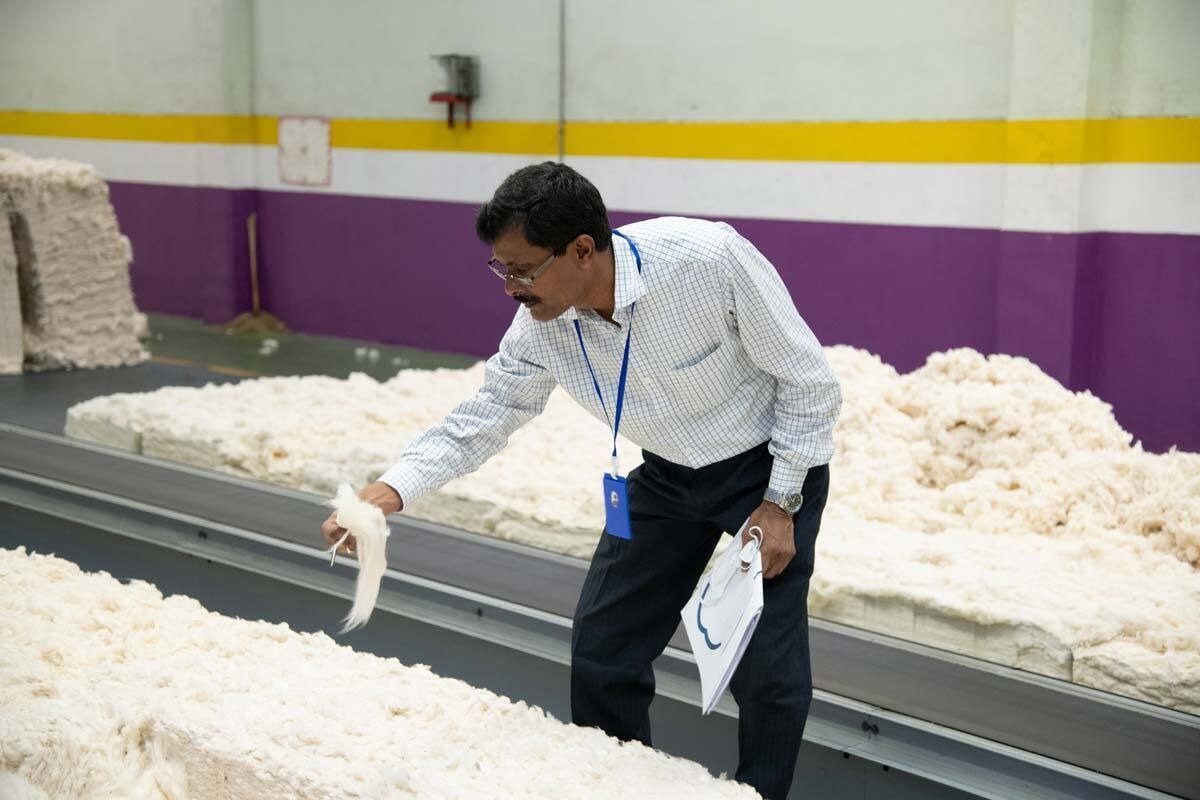
Practical Sourcing Checklist: How to Buy Verified Organic Cotton
For brands and procurement teams sourcing organic cotton, these six steps distinguish credible certified organic sourcing from unverifiable claims:
- Require a GOTS license number, not just a label claim: GOTS license numbers are publicly searchable at global-standard.org. Verify that the specific supplier, the specific facility, and the relevant product category are covered by a current, valid GOTS license. A company can have GOTS certification for one product line without it covering all their products.
- Understand what OCS does and does not cover: OCS certification verifies that organic content can be traced to certified organic farms — it does not cover processing chemistry or social standards. If you need assurance about dyeing, finishing chemicals, and manufacturing working conditions as well as organic fiber content, GOTS is the required standard.
- Specify your minimum organic content percentage: GOTS ‘Organic’ label requires minimum 95% organic fiber; ‘Made with Organic’ requires minimum 70%. OCS Blended covers 5–95%. State your required minimum organic content percentage explicitly in your product specification and purchase contract.
- Request per-shipment transaction certificates: Both GOTS and OCS issue transaction certificates (TCs) for specific shipments documenting the certified content, the originating certified supplier, and the certification body. Require a TC for each delivery — a company’s standing scope certificate does not confirm a specific shipment’s certified content.
- Verify social compliance through GOTS: GOTS requires social criteria compliance (fair wages, safe working conditions, prohibition of forced and child labor) at all certified facilities. If supply chain social responsibility is part of your brand commitments, confirm that your organic cotton suppliers are meeting GOTS social standards, not just the fiber content criteria.
- Specify cotton variety and staple length for your application: Organic Upland cotton (G. hirsutum), organic Pima (G. barbadense), and organic Egyptian cotton have different staple lengths, quality profiles, and pricing. For premium apparel, specify extra-long staple (ELS) organic cotton for the finest, strongest yarns. For standard apparel and home textiles, medium-long staple organic Upland is typically appropriate and more available.
Conclusion: Organic Cotton Is Real — When It Is Certified
Organic cotton is not a marketing fiction. It is a genuinely different agricultural and manufacturing system with measurable, documented benefits: the elimination of synthetic pesticide exposure for farm workers and surrounding ecosystems; improved long-term soil health and carbon sequestration in well-managed systems; meaningful water use reductions in appropriate production contexts; and — with GOTS certification covering the full supply chain — a verified absence of hazardous chemicals at every stage from field to finished product.
But its value is almost entirely dependent on the quality and scope of its certification. Farm-level organic certification without supply chain coverage (GOTS) leaves a large gap between what consumers expect of ‘organic cotton’ and what they may actually receive. The greenwashing risk in organic cotton is real, well-documented, and being addressed through increasingly rigorous consumer, retailer, and regulatory scrutiny.
For buyers and brands, the GOTS license number is the single most important piece of documentation — providing independent, auditable, publicly verifiable assurance that the organic claim has been substantiated at every stage from field to product. For consumer-facing applications — particularly children’s products, skin-sensitive applications, and premium bedding — GOTS-certified organic cotton remains the most credible, most legally defensible, and most genuinely differentiated sustainable natural fiber choice available at commercial scale today.
Understanding organic cotton’s genuine strengths, its real limitations, and the certification system that separates credible claims from greenwashing is the foundation for working with this important fiber honestly, commercially, and effectively.