Recycled Polyester (rPET): The Complete Guide to What It Is, How It’s Made, Benefits, Limitations & Certifications
Every minute of every day, approximately one million plastic bottles are purchased around the world. The majority end up in landfills or, worse, in the ocean—where they break into microplastic fragments that accumulate in marine ecosystems, enter the food chain, and persist in the environment for centuries. Recycled polyester — rPET — represents one of the most commercially established and scalable responses to this plastic crisis: transforming the post-consumer bottle waste stream into high-performance textile fiber that is used in everything from sportswear and bedding to automotive interiors and nonwoven fabrics.
Recycled polyester is now the fastest-growing segment of the global fiber market. In 2023, rPET accounted for approximately 12.5% of total polyester production — and that share is growing rapidly as brands commit to sustainability targets, regulators introduce mandatory recycled content requirements, and buyers demand verified supply chain documentation. Understanding what recycled polyester is, how it is made, what it can and cannot do, and how to source it credibly has become essential knowledge for anyone in the textile, apparel, or technical materials industry.
This complete guide covers every important dimension of recycled polyester: its definition and chemistry, the full production process from bottle to fiber, its environmental benefits with quantified data, its honest limitations, its performance profile compared to virgin polyester, all major applications, the certification landscape, and what the future holds for this critical sustainable material.
What Is Recycled Polyester (rPET)?
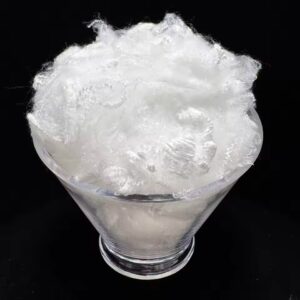
Recycled polyester—abbreviated rPET, from ‘recycled polyethylene terephthalate’—is polyester fiber or fabric produced from post-consumer or post-industrial PET plastic waste rather than from virgin petrochemical feedstocks. The dominant source of rPET feedstock is clear post-consumer PET beverage bottles, which are collected, sorted, cleaned, and converted back into polyester through mechanical or chemical recycling processes.
The chemistry of the final rPET fiber is identical to virgin polyester — polyethylene terephthalate with the same repeating ester linkage structure, the same polymer chain, and essentially the same physical and mechanical properties in most applications. The critical difference is in how the polymer arrives at the fiber production stage: virgin polyester builds its polymer chains from scratch using new petroleum-derived monomers; recycled polyester reconstitutes existing PET polymer from used plastic, bypassing the energy-intensive polymerization of new monomers.
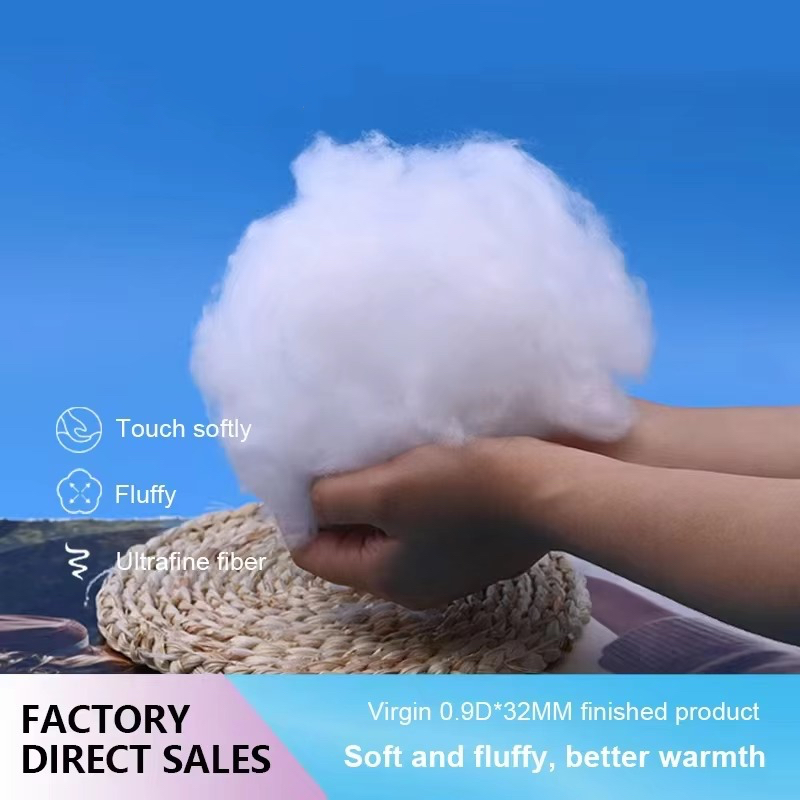
The global rPET fiber market represented approximately 8.5 million tonnes in 2023 — roughly 12.5% of total polyester production. This share is projected to reach 20%+ by 2030, driven by brand commitments, regulatory mandates including the EU Textile Strategy 2030, and growing consumer demand for verified sustainable materials.
It is important to understand the difference between two related but distinct terms: “recycled polyester” (rPET) refers to fiber made from recycled PET plastic, while “recycled fabric” or “textile recycling” refers to making new material from used clothing or textiles. The majority of commercial rPET fiber today is made from plastic bottles, not from used clothing — genuine textile-to-textile recycling remains a relatively small share of the overall rPET market, though it is growing rapidly.
The rPET Production Process: From Plastic Bottle to Textile Fiber
Understanding how recycled polyester is made is important both for appreciating what makes it genuinely sustainable and for understanding its limitations. The dominant commercial process is mechanical recycling—a physical reprocessing of existing PET polymer without breaking it down to its chemical building blocks.
Stage 1: Collection and Sorting
Post-consumer PET bottles are collected through municipal recycling programs, deposit return schemes, and informal waste collection networks. The mix of collected plastic must be sorted—PET (resin code 1) separated from other plastics and clear (transparent) bottles separated from colored ones (green, blue, and brown). Clear bottles produce the cleanest, whitest recycled fiber; colored bottles introduce tinting pigments that limit the whiteness achievable in the finished fiber without additional bleaching or optical brightening.
Collection infrastructure quality varies enormously by country and region, directly affecting the volume and purity of available feedstock. Germany’s Pfand deposit return system achieves over 90% collection rates for beverage containers. Collection rates in many developing markets are 20–50% for bottles entering formal recycling channels—a significant constraint on global rPET feedstock supply even as demand accelerates.
Stage 2: Washing and Decontamination
Sorted bottles are shredded or ground into small pieces. Labels, caps, and adhesives are removed—bottle caps are typically polyethylene (PE) or polypropylene (PP) and must be separated from the PET material to prevent contamination. The shredded PET is hot-washed with detergent to remove residual food contamination, colorants, adhesive residues, and other impurities. The material is then rinsed and dried.
The quality and thoroughness of the washing step are one of the most significant determinants of final rPET fiber quality. Inadequate washing leaves contamination that can cause color inconsistency, odor, processing difficulties, and potential chemical safety issues in the finished fiber. High-quality rPET producers invest significantly in multi-stage washing systems with rigorous quality controls — and this investment is visible in the price difference between premium and commodity rPET fiber.
Stage 3: PET Flake Production and Quality Control
The cleaned, dried PET material is processed into uniform flakes—typically 8–12 mm pieces—and sorted by color and quality grade. The intrinsic viscosity (IV) of the flake is measured: IV is a proxy for molecular weight and chain length of the PET polymer, which directly affects the tensile strength achievable in the spun fiber. High-quality clear bottle flake typically has an IV of 0.76–0.82 dL/g, which is suitable for fiber spinning without chain extension.
The PET flake is the primary traded commodity in the recycled PET supply chain. Flake is sold from reclaimers (companies that process collected bottles into flake) to fiber manufacturers. GRS chain-of-custody documentation covers this transaction, requiring that the recycled origin of the flake is documented and verified at every sale.
Stage 4: Melt Extrusion and Filtration
PET flake is dried to remove moisture (absorbed water causes hydrolytic degradation of PET chains during melt processing) and fed into a screw extruder that melts it at approximately 265–285°C. The melt passes through multi-stage filtration systems—typically multiple screens of decreasing mesh size—to remove solid impurities, including residual label fragments, non-PET plastic particles, and other contamination that survived the washing process. Fine filtration is essential for fine-denier fiber production; coarser filtration is acceptable for heavy industrial fiber.
Some rPET producers add solid-state polymerization (SSP) after flake production, which extends the polymer chains and restores IV to virgin-equivalent levels—producing chemical-grade rPET suitable for the highest-quality fiber applications, including fine spinning and specialty grades. SSP-processed rPET commands a premium but delivers performance indistinguishable from virgin PET at the molecular level.
Stage 5: Fiber Spinning and Finishing
The filtered rPET melt is pumped through spinnerets to form fiber filaments — the same process as virgin PSF production. The spinneret geometry determines the fiber cross-section: round (solid standard fiber), annular ring (hollow fiber), or trilobal (light-scattering apparel fiber). Additives including delustrants, optical brighteners (for improved whiteness), dope-dyeing pigment masterbatch (for colored grades), silicone finishes, and antistatic agents are incorporated at this stage.
The spun filaments are drawn (stretched to develop tensile strength), crimped (mechanically for 2D crimp or through bicomponent design for 3D spiral conjugate crimp), cut to staple length, and baled. The GRS transaction certificate for the finished fiber is issued at this stage, documenting the recycled content percentage and the chain of custody from bottle feedstock through finished fiber.
The Environmental Case for Recycled Polyester: Data and Evidence
The environmental case for recycled polyester over virgin is well-supported by quantified life cycle assessment (LCA) data. The improvements are meaningful and verifiable — though they are not unlimited, and honest communication of both benefits and remaining limitations is essential for credible sustainability claims.
Greenhouse Gas Emissions — The Most Significant Benefit
Metric | Virgin Polyester | Recycled Polyester (rPET) |
GHG emissions per kg fiber | ~5.5 kg CO₂ equivalent | ~1.5–2.5 kg CO₂ equivalent |
Reduction vs. virgin | — | 60–70% lower GHG emissions |
Energy consumption | ~125 MJ per kg fiber | ~45–55 MJ per kg fiber (mechanical recycling) |
Energy reduction vs. virgin | — | 45–60% less non-renewable energy |
Water consumption | Very low (polyester is water-efficient vs. cotton) | Comparable — similarly low water use in fiber production |
Fossil fuel feedstock | ~14 kg crude oil equivalent per kg fiber | ~5–7 kg crude oil equivalent (energy only; no polymer feedstock) |
Land use | Minimal — no agricultural land | Minimal — no agricultural land |
PET bottles diverted per kg fiber | N/A | Approximately 25 standard 500 ml bottles |
The GHG reduction of 60–70% is the most frequently cited and most significant environmental benefit of recycled polyester. This reduction is primarily driven by eliminating the polymerization step—the chemical reaction that builds virgin PET from PTA and MEG monomers is highly energy-intensive. Recycled polyester bypasses this step, processing existing polymer with far less energy input.
Plastic Waste Diversion — The Visible Benefit
Beyond the carbon benefit, recycled polyester creates demand for post-consumer PET plastic that would otherwise end up in landfills, incineration, or—in the worst outcome—leaking into waterways and oceans. This waste diversion is commercially quantifiable and narratively powerful for brand communication: 25 bottles per kilogram of fiber, 5 bottles per T-shirt, 35 bottles per sleeping bag fill.
Ghost fishing gear—abandoned fishing nets—is another growing feedstock source for recycled nylon and, in some cases, polyester, with direct environmental benefits for marine ecosystems. Recycled ocean plastic (from beach and ocean collection programs) is used in premium rPET products by brands including Adidas (Parley Ocean Plastic collaboration) and appeals to consumers who respond strongly to visible ocean plastic remediation narratives.
The Honest Limitations—What rPET Does Not Solve
A credible sustainability narrative about recycled polyester must include its genuine limitations alongside its benefits. The limitations are real and important:
- Microplastic shedding: Recycled polyester sheds synthetic microfibers during machine washing at rates essentially identical to virgin polyester. The recycled origin of the fiber does not reduce microplastic release — this is a property of synthetic polymer fiber as a material, not of its production origin. Microplastic filtration devices, low-agitation wash cycles, and fabric engineering approaches are the relevant mitigation strategies, not switching to recycled content.
- Not biodegradable: Recycled polyester is chemically identical to virgin polyester — including its complete non-biodegradability. At the end of life, an rPET garment or product faces the same disposal challenge as virgin polyester: it does not decompose in landfill; it must be recycled, or it persists in the environment. The sustainability benefit of rPET is in production (lower emissions), not in end-of-life behavior.
- Cannot be recycled indefinitely (mechanical recycling): Each mechanical recycling cycle causes some reduction in polymer chain length (molecular weight), slightly degrading the fiber’s potential properties. In practice, most commercial fiber applications do not require maximum molecular weight, so this is rarely a real-world limitation — but it does mean pure mechanical recycling is not a genuine closed loop. Chemical recycling (depolymerization and repolymerization) addresses this by fully restoring polymer quality.
- Feedstock competition: The beverage packaging industry also uses rPET for bottles and food containers and increasingly competes with the textile industry for the same post-consumer bottle feedstock. As major beverage brands commit to high recycled content targets, textile rPET feedstock availability may face pressure, driving investment in alternative sources including textile-to-textile recycling.
- Blended textile recycling is unsolved at scale: The majority of polyester used in apparel is in blends—poly-cotton, poly-viscose, and poly-spandex fabrics. These blended textiles cannot be mechanically recycled back into quality fiber because the polymers are inseparable without chemical processing. This means the circular loop for most polyester apparel is not yet commercially closed—used garments are typically downcycled to lower-value applications or landfilled rather than recycled back into textile fiber.
Properties of Recycled Polyester Fiber: What Buyers Need to Know
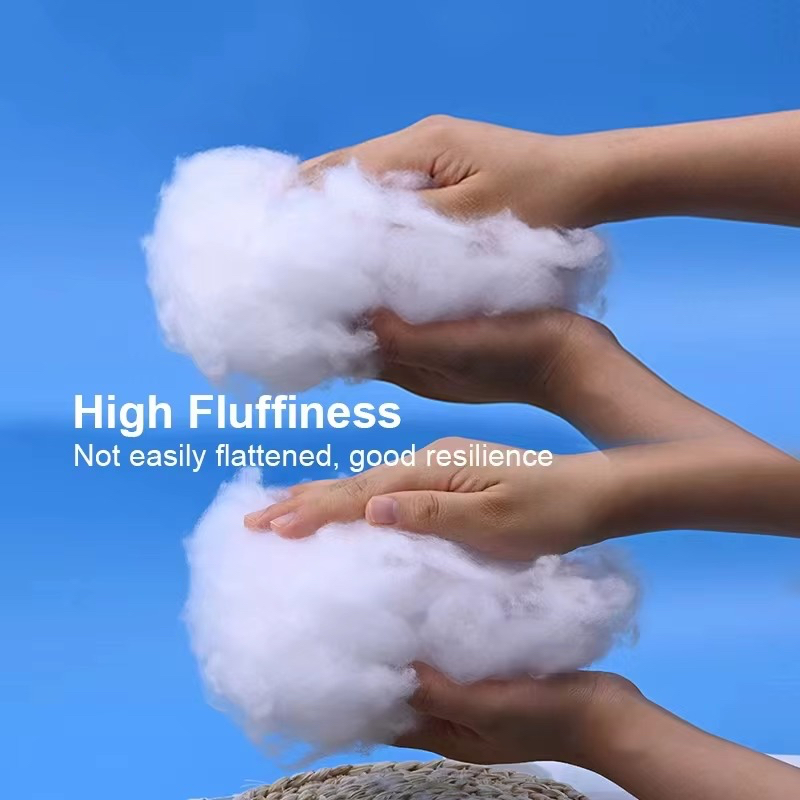
For most commercial applications, GRS-certified recycled polyester fiber delivers performance equivalent to virgin polyester. However, there are specific properties where differences exist that affect application suitability:
Property | Recycled PSF Performance | vs. Virgin — Practical Impact |
Tensile strength | 3.5–7.0 g/denier (mechanical recycled); up to 9.0 g/denier (SSP-processed or chemical recycled) | Fully equivalent for fill, nonwoven, and standard spinning. Some degradation limits ultra-high-tenacity grades in mechanical recycling. |
Whiteness / brightness | Natural white is slightly cream or ivory-toned vs. optical white of virgin. Optical brighteners (OBA) can improve; dope-dyed is unaffected. | Accepted for most fill, nonwoven, and industrial applications. Optical white bedding and premium hygiene applications may specify virgin for maximum whiteness. |
Dimensional stability | Identical—the same PET polymer chain structure maintains same shrinkage and shape retention | No practical difference in standard applications |
Wrinkle resistance | Identical—the same polymer crystallinity provides same elastic recovery | No practical difference |
Moisture absorption | Identical — 0.4% moisture regain, same as virgin PET hydrophobicity | No practical difference |
Chemical resistance | Identical—the same PET chemistry provides same acid, alkali, and solvent resistance | No practical difference |
UV resistance | Identical to virgin (without UV stabilizer additives) | No practical difference for standard applications |
Dyeability | Slightly improved dye uptake due to marginally rougher fiber surface in some mechanical recycled grades | Often an advantage—deeper colors at equivalent dye concentrations are possible |
Batch consistency | Slightly wider batch-to-batch variation due to feedstock variability | Managed through rigorous supplier QC and feedstock sourcing standards |
Fine denier range | 0.9D–1.4D available commercially; sub-1D possible with SSP-processed flake | Fine denier applications well-served; highest-specification sub-1D may prefer virgin |
Mechanical vs. Chemical Recycling: The Two Pathways
Two fundamentally different processes convert used PET plastic into recycled polyester fiber. Understanding the distinction matters both for performance expectations and for evaluating sustainability claims:
Mechanical Recycling — The Established Commercial Standard
Mechanical recycling physically reprocesses existing PET polymer without breaking down its molecular structure—melting, filtering, and re-extruding it as new fiber. This is the dominant commercial rPET process globally, representing the vast majority of rPET fiber production. It is cost-competitive with virgin production, commercially mature, and scalable.
Mechanical recycling’s key strength is simplicity and cost-efficiency. Its key limitation is that it can only process clean, sorted, single-polymer PET feedstock—primarily clear beverage bottles. It cannot handle colored plastics (without tinting risk) or mixed polymer waste, like polyester-cotton blended textiles. Each recycling cycle also causes some molecular weight reduction, which very slightly degrades maximum achievable fiber properties over successive cycles.
Chemical Recycling — The Circular Future
Chemical recycling breaks PET polymer back down to its monomer building blocks—purified terephthalic acid (PTA) and monoethylene glycol (MEG), or intermediate compounds—which are then re-polymerized to produce new PET equivalent in quality to virgin material. This genuine depolymerization and repolymerization eliminates the molecular weight degradation of mechanical recycling and, critically, enables processing of feedstocks that mechanical recycling cannot handle—including colored bottles, blended textile waste, and contaminated PET streams.
Chemical recycling is the key technology for enabling genuine textile-to-textile circular loops—where used polyester garments become feedstock for new polyester fiber without quality degradation. Companies including Loop Industries (glycolysis-based), Carbios (enzymatic depolymerization), and Ioniqa (magnetic catalyst process) are scaling chemical PET recycling to commercial volumes, with several major brands (H&M with Syre, Lululemon, PVH, and others) making commitments to off-take chemically recycled fiber.
Dimension | Mechanical Recycling | Chemical Recycling |
Process | Melt, filter, re-extrude—physical reprocessing | Depolymerize to monomers → purify → re-polymerize |
Feedstock | Clean, sorted clear PET bottles primarily | Can process colored, mixed, and blended PET, including textiles |
Output quality | Good — slight IV/MW reduction vs. virgin | Virgin-equivalent — full property restoration |
Fiber circularity | Bottle-to-fiber, not fiber-to-fiber at scale | Enables true fiber-to-fiber circularity |
Commercial scale | Globally established, mature industry | Scaling 2024–2028; first commercial plants operating |
Cost vs. virgin | ~5–15% lower typically | Currently higher; approaching cost-parity as scale increases |
GRS eligible | Yes | Yes |
GHG reduction vs. virgin | 60–70% | 45–60% (some processes); improving with renewable energy |
Applications of Recycled Polyester Fiber
Recycled polyester fiber is used across every major application sector that uses virgin polyester—with the same or equivalent performance in the vast majority of cases:
Bedding and Home Textiles
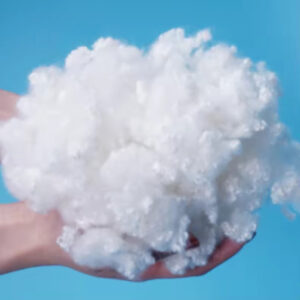
GRS-certified recycled hollow conjugated siliconized (HCS) fiber is the dominant fill material for sustainability-positioned pillow, duvet, and comforter products globally. The loft, softness, resilience, and washability of recycled HCS fiber are indistinguishable from virgin HCS for all standard fill applications. Major bedding brands across Europe, North America, and Asia use GRS-certified recycled PSF as the standard fill material for their sustainability-labeled product lines, with verified recycled content documented on product labeling.
Apparel and Fashion
The apparel sector was the earliest adopter of recycled polyester at a commercial scale—Patagonia first used rPET in its Synchilla fleece jackets in 1993. Today, rPET is used in sportswear, activewear, outerwear, fleece, swimwear, linings, and technical performance fabrics across all apparel market tiers, from mass market to luxury. Brands including Adidas, Nike, H&M, Lululemon, The North Face, and hundreds of others have made commitments to increasing rPET content in their collections.
The technical performance requirements of apparel rPET—including dyeability, tensile strength, pilling resistance, and moisture management—are met by commercial mechanical recycled PSF for the vast majority of apparel applications. Fine-denier apparel (microfiber, sub-1D) increasingly uses SSP-processed or chemically recycled rPET to meet the stricter consistency requirements of premium apparel manufacturing.
Outdoor Gear and Technical Textiles
Outdoor equipment—sleeping bag fill, jacket insulation, tent fabric, backpack fabric, and tarpaulin—was among the earliest technical textile applications for rPET, driven by the outdoor industry’s strong sustainability culture. Recycled polyester insulation fiber matches virgin for warmth-to-weight, compressibility, and wet-weather performance in sleeping bags and insulated jackets. Recycled woven polyester fabric meets the strength, abrasion resistance, and weather resistance requirements of tents, packs, and technical outerwear.
Automotive Interiors
Dope-dyed recycled polyester — particularly black and brown solid fiber grades — is widely used in automotive carpet, boot liners, acoustic padding, door panel cover fabrics, and headliner nonwovens. Automotive OEM sustainability programs actively specify recycled content in interior materials, and GRS-certified automotive rPET fiber is commercially established across European and North American OEM supply chains. The dope-dyeing approach eliminates the dyeing step’s water consumption while delivering the deep, consistent color required for automotive aesthetic standards.
Nonwoven Fabrics
Recycled polyester staple fiber is the standard fill and structural fiber for a wide range of nonwoven applications where sustainability certification is increasingly required or valued: geotextiles, thermally bonded wadding, needle-punch carpet and filter media, and spunbond nonwovens for agriculture and construction. The GRS chain-of-custody documentation that comes with certified recycled nonwoven fiber enables construction projects, government procurement programs, and sustainability-certified building specifications to verify their recycled content claims.
Stuffed Toys and Children’s Products
OEKO-TEX Standard 100 Class Certified recycled HCS fiber is used in stuffed toys, children’s pillows, and other products with direct skin contact for young children. The safety certification confirms the absence of harmful chemical residues regardless of feedstock origin—demonstrating that recycled fiber, produced from properly washed and certified feedstocks, meets the strictest consumer product safety standards. Toy brands including those with sustainability positioning use GRS + OEKO-TEX dual-certified recycled fill fiber to make verified sustainability claims on product labeling.
Certifications: Verifying Recycled Polyester Claims
The fundamental challenge of recycled polyester is that the fiber looks, feels, and performs identically to virgin polyester — it is physically indistinguishable without chemical analysis. Without certification, ‘recycled’ claims are unverifiable and potentially fraudulent. The certification landscape provides the verification infrastructure that makes credible sustainability claims possible.
Certification | What It Covers | Why It Matters |
GRS (Global Recycled Standard) | Third-party verified chain of custody from post-consumer waste collection through every processing stage to finished product. Verifies recycled content percentage. Requires environmental and social standards at certified facilities. Issues transaction certificates (TCs) per shipment. | The essential certification for verified recycled content claims. Enables brands to make substantiated sustainability communications. Required by most retailers’ sustainability scorecards and many regulatory frameworks. GRS TCs are the documentation base for supply chain sustainability reporting. |
RCS (Recycled Claim Standard) | Similar to GRS, it verifies the recycled content chain of custody. Less comprehensive than GRS on environmental and social facility requirements; sometimes used for lower-value applications. | Alternative to GRS is accepted by some buyers; GRS is generally preferred for premium market positioning. |
OEKO-TEX Standard 100 | Tests and certifies finished fiber for harmful chemical residues, regardless of feedstock origin. Class I for baby/children’s products; Class II for adult skin contact. | Confirms safety of finished fiber — important for consumer products. Does NOT verify recycled content — a separate certification from GRS. Most premium rPET is dual-certified: GRS (recycled content) + OEKO-TEX (safety). |
Bluesign | Covers responsible production at textile manufacturing facilities—chemical management, water efficiency, energy use, and worker safety. Not a recycled content standard but often specified alongside GRS for comprehensive supply chain assurance. | Adds production-stage environmental credibility to recycled content claims. |
Higher MSI Score | Not a certification but a material impact measurement tool used by brands to score and compare material sustainability. rPET consistently scores better than virgin polyester in the Higg MSI. | Used by brands for internal sustainability measurement and supplier comparison. Useful for communicating sustainability improvements internally. |
Important: GRS certification verifies recycled content and chain of custody. OEKO-TEX Standard 100 verifies chemical safety. They cover different things, and neither substitutes for the other. For consumer products making recycled content claims, both certifications together provide the most comprehensive assurance. Always request the GRS Transaction Certificate (TC) for each specific shipment—not just a general scope certificate.
The Market for Recycled Polyester in 2025 and Beyond
The recycled polyester market is experiencing the most sustained and structurally driven growth in its history—driven by converging regulatory, commercial, and consumer demand pressures that are reshaping the entire synthetic fiber industry:
Regulatory Drivers
- EU Textile Strategy 2030: The European Commission’s comprehensive textile sustainability framework includes mandatory minimum recycled content requirements for synthetic textiles, mandatory digital product passports with supply chain transparency documentation, and extended producer responsibility (EPR) schemes that will make circularity an economic requirement rather than a marketing choice.
- California SB 343 and AB 792: California regulations mandating truthful recycling claims and minimum post-consumer content in plastic packaging are driving similar requirements upstream in textile supply chains.
- India EPR framework: India’s Extended Producer Responsibility framework is introducing recycled content disclosure requirements that are pushing manufacturers to document and verify recycled content throughout their supply chains.
Brand Commitments
- Adidas committed to using only recycled polyester across its entire product range by 2024—a commitment that has driven massive volumes of rPET into sportswear supply chains
- Patagonia, a pioneer in rPET since 1993, continues to expand its use of mechanically and chemically recycled polyester across its full product range
- H&M Group is partnering with Syre (formerly Spinnova) to develop and scale textile-to-textile chemical recycling of polyester—targeting genuinely circular fiber supply chains
- Lululemon, PVH Corp (Calvin Klein, Tommy Hilfiger), Inditex (Zara), and hundreds of other brands have made public commitments to increasing recycled content in their synthetic fiber use
Next-Generation Innovations
- Textile-to-textile recycling: Chemical recycling technologies that can process used polyester garments — including poly-cotton blends — back into virgin-quality fiber are approaching commercial scale. This closes the genuine circular loop for polyester textiles that mechanical bottle recycling cannot achieve.
- Ocean plastic fiber: Collection of ocean and beach plastic for conversion to rPET fiber is growing, particularly in premium apparel and outdoor markets where the ocean plastic origin adds brand narrative value. Brands pay a premium for verified ocean plastic fiber, which cross-subsidizes plastic collection in coastal and marine environments.
- Bio-based polyester: Partially or fully bio-based PET — using bio-MEG from sugarcane or bio-PTA from agricultural waste to replace petroleum-derived monomers — offers the possibility of a polyester with both renewable feedstock and recyclable end-of-life. Currently limited in commercial scale but advancing.
- Fiber tracking technology: Molecular tagging, blockchain-based supply chain tracking, and isotope analysis technologies are advancing to provide additional verification of recycled content claims beyond certification alone—addressing concerns about greenwashing in rPET supply chains.
Buying Recycled Polyester: A Practical Checklist
When sourcing recycled polyester fiber or fabric, these are the questions that separate credible sustainable sourcing from unverifiable claims:
- Request the GRS Transaction Certificate (TC): This is the specific certificate for your specific shipment — not a general company-level certificate. The TC documents the recycled content percentage, the feedstock origin, the certification body, and the certified parties in the chain. Without a TC, a recycled content claim cannot be substantiated for your own reporting.
- Check the GRS certificate validity: GRS certificates are issued annually by certification bodies, including Control Union, Bureau Veritas, Intertek, and others. Verify that the certificate is current and covers the specific product category you are purchasing.
- Confirm feedstock type: Post-consumer (PCR) recycled content — from bottles used and discarded by consumers — is more valued for sustainability claims than post-industrial (PIR) content from manufacturing waste. GRS certification covers both but distinguishes between them in documentation.
- Request OEKO-TEX certification for consumer product applications: If your end product contacts skin (bedding, apparel, or toys), request OEKO-TEX Standard 100 certification in addition to GRS. Class I for children’s products; Class II for adult applications.
- Specify performance requirements clearly: Confirm that the supplier’s recycled fiber meets your specific performance specifications for denier, tenacity, whiteness, crimp, and any functional requirements (FR, antibacterial, etc.). Performance data sheets should accompany the product.
- Understand the recycling method: Mechanical or chemical? Most commercial rPET is mechanical. Chemical recycled rPET commands a premium but offers virgin-equivalent properties and enables stronger circularity claims. Know which you are buying and what it means for your product.
VNPOLYFIBER’s Recycled Polyester Fiber Range
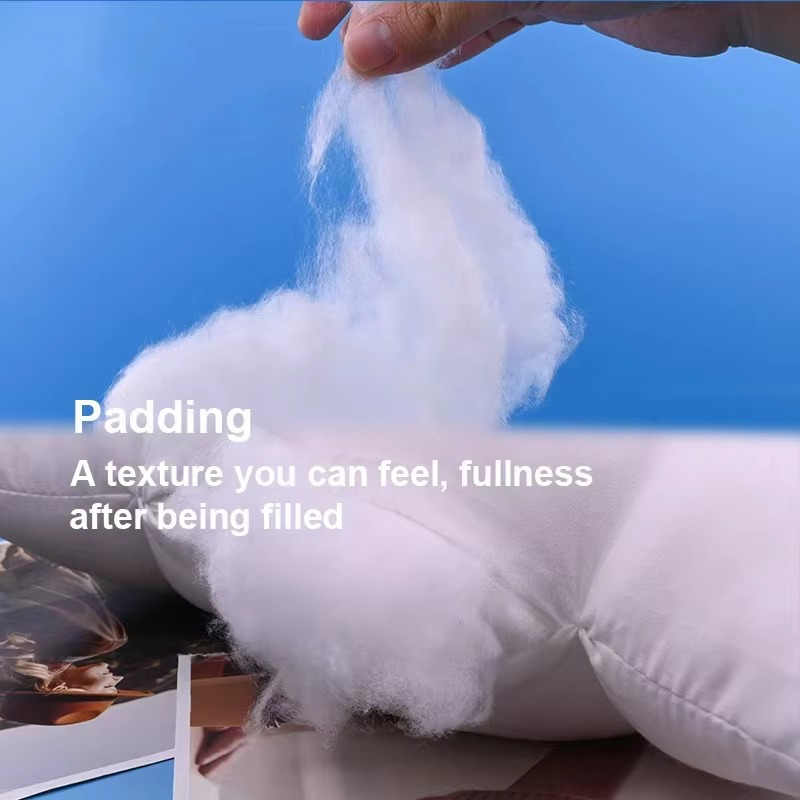
VNPOLYFIBER is a dedicated supplier of GRS-certified recycled polyester staple fiber (rPSF) across our full product range—from hollow conjugated siliconized fill fiber to solid fiber, dope-dyed grades, low melt bicomponent fiber, and specialty functional grades. All our recycled fiber is produced from post-consumer PET bottle feedstock at certified manufacturing partners across China, Vietnam, Malaysia, Thailand, and Indonesia.
- GRS Transaction Certificates: Provided with every shipment of certified recycled fiber — the documented chain-of-custody verification your supply chain audit requires.
- OEKO-TEX Standard 100: Class I (children’s) and Class II (adult) certifications are available across our HCS fill fiber and solid white fiber ranges—enabling verified sustainability and safety claims for consumer products.
- Full specification range: 0.9D through 25D; 25 mm through 102 mm staple lengths; hollow conjugated siliconized, hollow dry, solid white, solid black, solid brown, low melt, and specialty grades—all available in GRS-certified recycled grades.
- Volume and logistics: 20,000+ tonnes monthly capacity across our partner network; established logistics partnerships for reliable delivery to 30+ countries worldwide.
Contact VNPOLYFIBER to request a quotation for GRS-certified recycled polyester staple fiber in any specification. We provide full certification documentation, technical data sheets, and sample quantities for product qualification before commercial commitment.
Conclusion: Recycled Polyester Is the Fiber Industry’s Most Impactful Sustainable Choice
Recycled polyester is not a perfect solution to the environmental challenges of synthetic fiber—it does not biodegrade, it sheds microplastics, and it does not yet close the loop for textile-to-textile circularity at scale. But it is the most commercially mature, most cost-competitive, and most immediately scalable sustainable improvement available for the enormous global polyester fiber market.
A 60–70% reduction in greenhouse gas emissions per kilogram of fiber, the diversion of 25 plastic bottles from landfill or ocean per kilogram of production, complete performance equivalence for the vast majority of commercial applications, and established GRS certification infrastructure that enables credible and verifiable sustainability claims—these are real, meaningful, and available today at commercial scale. For most fiber buyers and brands, switching from virgin to GRS-certified recycled polyester is the highest-impact, lowest-risk sustainability improvement in their raw material sourcing, available right now without any sacrifice in product performance or commercial viability.
The future of recycled polyester will be shaped by chemical recycling technology, textile-to-textile circularity, bio-based feedstocks, and regulatory requirements that make verified recycled content a standard expectation rather than a premium differentiator. The brands and suppliers who build that competency now — in verified sourcing, certified documentation, and transparent communication — will be positioned to lead the next chapter of the sustainable textile industry.