What are spunlace nonwovens?
Spunbond nonwovens are a versatile and essential material in many industries, known for their strength, uniformity, and cost-effectiveness. Their versatility and adaptability to specific needs make them a valuable choice for various products and industrial uses.
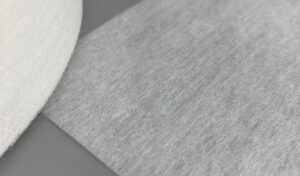
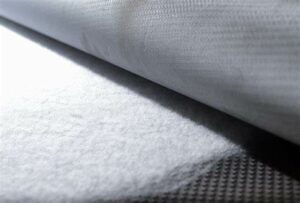
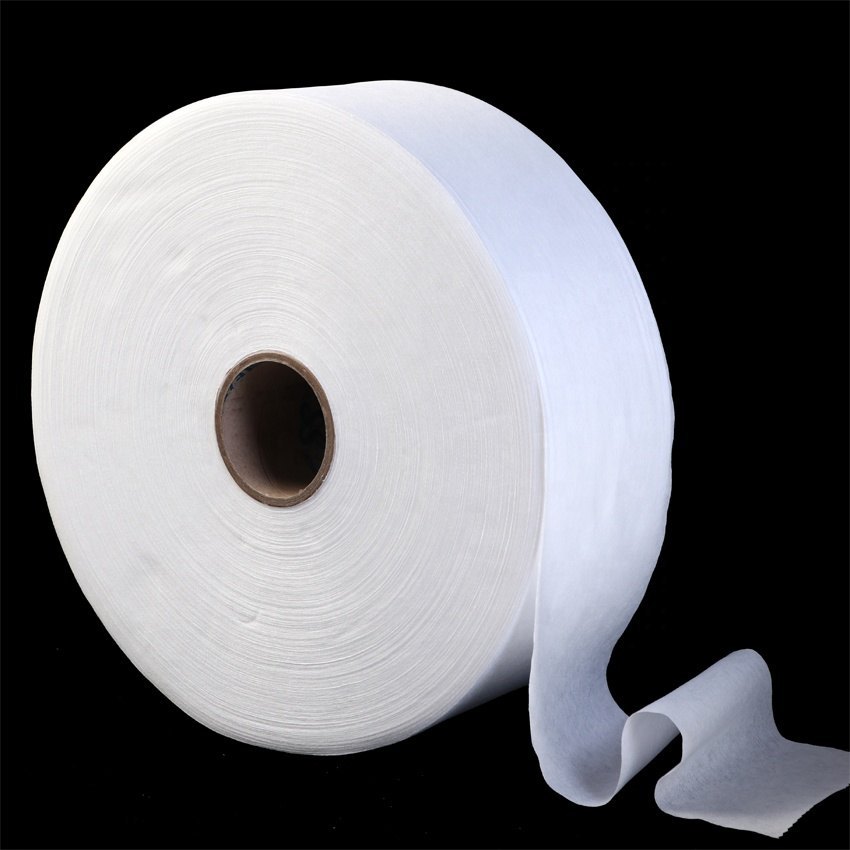
Spunlace nonwoven, also known as hydroentangled nonwoven, is a type of fabric made by entangling fibers using high-pressure water jets. This process creates a strong, flexible, and highly absorbent fabric without the need for binders or adhesives. Here’s an in-depth look at spunlace nonwoven fabrics:
Production Process
- Fiber Selection:
- Types of Fibers: Natural fibers (like cotton and wood pulp), synthetic fibers (like polyester and polypropylene), or blends of fibers are used.
- Blending: Blending different fibers can optimize properties such as softness, strength, and absorbency.
- Web Formation:
- Carding: Fibers are opened, aligned, and layered into a web using carding machines.
- Air Laying: Fibers are dispersed in an air stream and deposited onto a moving conveyor belt to form a web.
- Hydroentanglement:
- Water Jets: The web is subjected to high-pressure water jets on a perforated conveyor belt. The water jets penetrate the web, entangling the fibers and forming a coherent fabric.
- Energy Control: The pressure and speed of the water jets, along with the fiber type and web thickness, determine the properties of the final fabric.
- Drying and Finishing:
- Drying: The hydroentangled web is dried to remove moisture.
- Finishing: Additional processes such as calendering, embossing, or chemical treatment may be applied to enhance the fabric’s properties.
Characteristics of Spunlace Nonwovens
- Softness: The hydroentanglement process produces a soft fabric suitable for applications requiring skin contact.
- High Absorbency: The fabric’s structure allows for excellent liquid absorption and retention.
- Strength and Durability: The entangled fibers provide excellent tensile strength and durability without the need for chemical binders.
- Flexibility: The fabric is flexible and drapable, making it suitable for various applications.
- Lint-Free: The process can create a lint-free fabric, which is important for specific uses like wipes and medical products.
Applications
- Hygiene Products:
- Baby Wipes: Soft and absorbent, suitable for sensitive skin.
- Cosmetic Pads: Used for makeup removal and skincare routines.
- Medical Products:
- Surgical gowns and drapes provide barrier properties and comfort.
- Wound Care: Used in bandages and dressing pads for their absorbency and softness.
- Household and Industrial Wipes:
- Cleaning Wipes: Effective for cleaning surfaces due to their absorbency and strength.
- Disinfectant Wipes: Used for sanitizing surfaces in homes and workplaces.
- Automotive and Industrial Applications:
- Polishing Cloths: Used for polishing and cleaning in automotive and industrial settings.
- Filtration: Employed in air and liquid filtration systems.
- Garments and Textiles:
- Interlinings: Used in garments for added structure and stability.
- Disposable Clothing: Suitable for applications where disposable, yet durable, clothing is needed.
Advantages of Spunlace Nonwovens
- No Binders Required: The mechanical bonding process eliminates the need for chemical binders, making the fabric pure and free of additional chemicals.
- Soft and Comfortable: Suitable for applications involving direct skin contact.
- Versatility: Can be engineered to meet various requirements by adjusting fiber types, web formation, and hydroentanglement parameters.
- High Absorbency: Ideal for products that require quick and efficient liquid absorption.
Disadvantages of Spunlace Nonwovens
- Production Costs: The hydroentanglement process can be energy-intensive and may have higher production costs compared to other nonwoven processes.
- Mechanical Strength: While strong, spunlace fabrics may not match the tensile strength of some other nonwoven fabrics like spunbond or needle-punched nonwovens.
Key Considerations
- Fiber Choice and Blending: The selection and blending of fibers are crucial to achieving desired properties such as softness, absorbency, and strength.
- Water Jet Parameters: The pressure, speed, and pattern of water jets need to be carefully controlled to ensure proper fiber entanglement and fabric properties.
- End-Use Requirements: The specific application will dictate the choice of fibers, web formation techniques, and finishing processes.
Spunlace nonwovens are versatile and widely used fabrics known for their softness, absorbency, and strength. They are integral in a variety of applications ranging from hygiene and medical products to industrial and consumer goods, offering a balance of performance and comfort.