What is meltblown nonwoven?
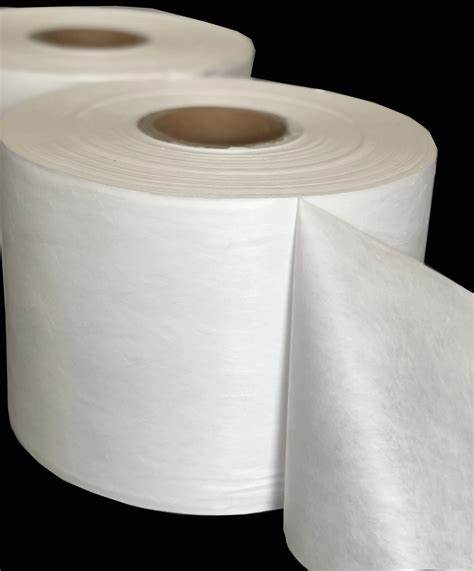
Meltblown nonwoven is a type of nonwoven fabric produced using the meltblown process, which involves extruding melted polymer through tiny nozzles and blowing it with high-speed hot air to form fine fibers. This method is notable for producing fabrics with extremely fine fibers, leading to unique properties suitable for specific applications.
Meltblown nonwovens are made in one step by blowing hot air at high speeds onto molten polymer, which breaks it up into very tiny microfibers. This makes a dense, self-bonded web that is perfect for medical barrier and essential filtration uses.
Our charged meltblown cloth works much better than regular choices because it uses electrostatic electrets to actively attract and hold sub-micron particles, like viruses and small dust, that would normally pass through mechanical pores. This process lets the material filter better—often over 99%—without making the air harder to breathe, so users are safe and can still breathe easily.
High Filtration: Our fabric has a dense double-layer meltblown core that keeps it in place. This makes it excellent at filtering out tiny particles and pathogens for optimal safety.
Soft and airy: We also have high-performance soft oil sorbent wipes that are very oleophilic, which means they can quickly soak up oil and fuels without also soaking up water.
Many Uses: Our meltblown nonwoven fabric is a flexible solution for the hardest problems in the world. It can clean air and water, protect personnel on the front lines, and soak up industrial spills.
International Standards: Our meltblown nonwovens are of the highest quality and meet all international safety and filtering criteria, so they may be used right away all around the world.
People trust our polypropylene meltblown fabric because it filters better, is lighter, and works well in many different industries.
- Surgical masks, respirators, parts of protective clothing, and liners in PPE.
- Air and liquid filters, filter lining material, HVAC systems, and automotive filters are included.
- Bags for collecting dust, vacuum cleaner bags, and processing drinks
- Wipes, marine oil spill booms and pads, and industrial dust collecting
- N95/KN95 respirator media, HEPA air filters, liquid cartridge filters, vehicle cabin filters, and vacuum cleaner bags are all examples of filtration and purification.
- Medical and healthcare: surgical mask filter layers, sterilization wraps, gown and drape barrier layers, and wound care dressings
- Sorbents and the Environment: Oil spill absorbents (booms and pads), industrial cleaning wipes, chemical sorbents, and hydrophobic barrier materials
- Technical and Specialty: insulation for thermal clothing, insulation for car audio systems, battery separators, and protective packaging for electronics
Production Process
- Polymer Selection: Common polymers used in meltblown nonwovens include polypropylene, polyester, and polyurethane. Polypropylene is the most widely used due to its melt processability and cost-effectiveness.
- Extrusion: The polymer is melted and extruded through a die with numerous small orifices, creating fine filaments.
- Air Blowing: High-velocity hot air is directed at the extruded filaments as they exit the die. This air stream stretches and attenuates the fibers, making them very fine (usually in the range of 1-5 microns in diameter).
- Web Formation: A moving conveyor belt or drum collects the fine fibers and makes a web. The fibers’ randomness and fineness give the fabric its own special qualities.
- Bonding: The fibers are bonded together primarily by self-adhesion due to their thermal properties as they cool. In some cases, additional bonding methods such as calendering or applying a binder may be used to enhance fabric integrity.
Characteristics of Meltblown Nonwovens
- Fine Fiber Diameter: Meltblown fibers are significantly finer than those produced by other nonwoven processes, leading to high surface area and porosity.
- Filtration Efficiency: The fine fibers and high surface area make meltblown nonwovens exceptionally effective for filtration applications.
- Softness: The fine fibers result in a soft texture, suitable for applications in hygiene and medical products.
- Barrier Properties: Meltblown fabrics can provide excellent barriers against liquids, particulates, and microbes.
- Electrostatic Charge: Meltblown fabrics can be electrostatically charged to enhance filtration efficiency, particularly for capturing fine particles.
Applications
- Filtration:
- Face Masks and Respirators: The core material in N95 masks and other high-efficiency filters due to its ability to capture fine particles.
- Air Filters: Used in HVAC systems, vacuum cleaners, and industrial filtration systems.
- Liquid Filters: Applied in water purification and medical filtration systems.
- Medical Textiles:
- Surgical Drapes and Gowns: Provides barriers against fluids and pathogens.
- Sterilization Wraps: Used to wrap medical instruments for sterilization.
- Hygiene Products:
- Diapers and Sanitary Napkins: Used in the absorbent core for their liquid retention and distribution properties.
- Wipes: Both dry and wet wipes benefit from the fine texture and absorption capabilities.
- Insulation:
- Thermal and Acoustic Insulation: The fine fibers trap air, providing effective thermal insulation and sound absorption.
- Oil Absorbents:
- Spill Response Materials: Used to absorb oil and other hydrophobic liquids in spill containment and cleanup operations.
Advantages of Meltblown Nonwovens
- High Filtration Efficiency: The fine fibers and high surface area make these fabrics excellent for capturing small particles.
- Softness and Comfort: Suitable for direct skin contact applications like masks and hygiene products.
- Versatility: Can be tailored for various applications through adjustments in fiber diameter, basis weight, and web formation techniques.
- Barrier Properties: Effective at blocking liquids and particulates.
Disadvantages of Meltblown Nonwovens
- Mechanical Strength: Meltblown fabrics typically have lower tensile strength compared to other nonwovens like spunbond fabrics.
- Cost: The production process and fine fiber nature can make meltblown nonwovens pricier than other types of nonwoven fabrics.
- Environmental Impact: Like other synthetic nonwovens, they may raise environmental concerns if not properly disposed of, though biodegradable polymers are being explored.
Key Considerations
- Polymer Quality: The type and quality of polymer used can significantly affect the properties of the final fabric.
- Process Control: Precise control over extrusion and air blowing conditions is crucial to achieving the desired fiber fineness and web structure.
- End-Use Requirements: The design and production parameters will be based on the specific needs of the application, such as how well it filters or how well it acts as a barrier.
Meltblown nonwovens are critical in applications where fine filtration and high barrier properties are required. Their unique characteristics make them indispensable in medical, hygiene, and industrial sectors, particularly for filtration and protective applications.